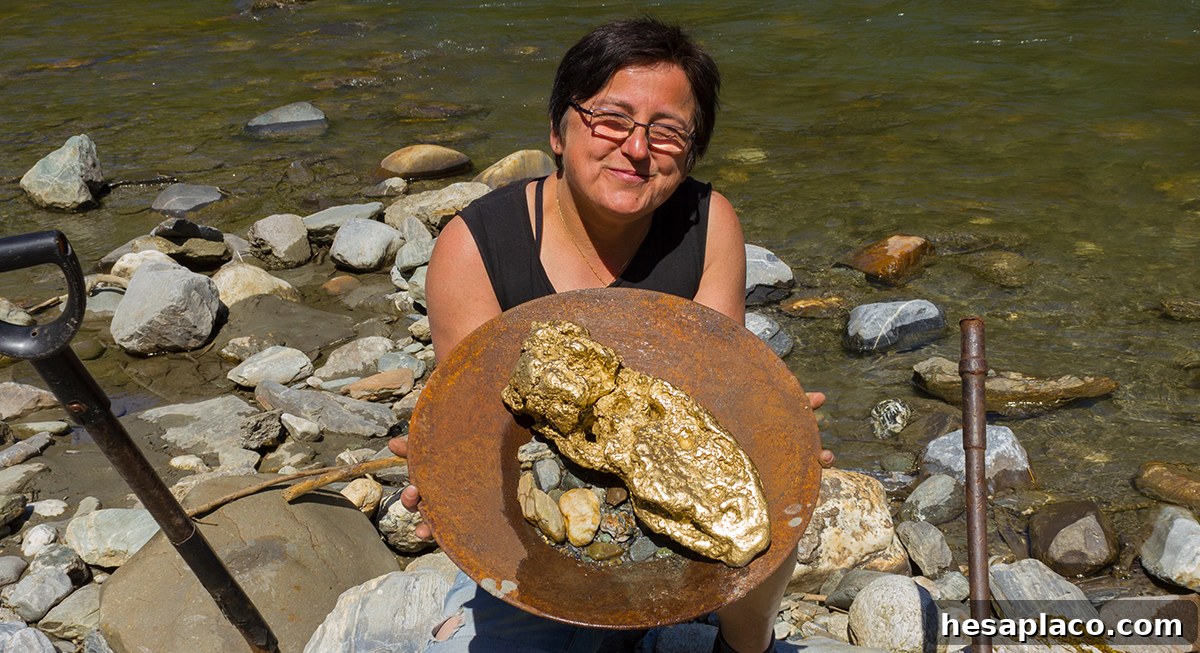
Contrary to popular belief, the gold rush didn’t end in the 1800s. Across the United States, hobbyists and modern prospectors still pull real gold from rivers, streams, and old mining sites using little more than a shovel, a pan, or a metal detector. While massive fortunes are rare, it’s common for weekend panners to find flakes, fine dust, and occasionally nuggets in particular states.
If you’ve ever wanted to try your luck, the following states consistently produce results for recreational gold seekers. These destinations offer public access in many areas, historical sites with supervised panning, or long-standing local communities that share tips and maps. Remember to check local rules and obtain any required permits before you head out.
California
Credit: Wikimedia Commons
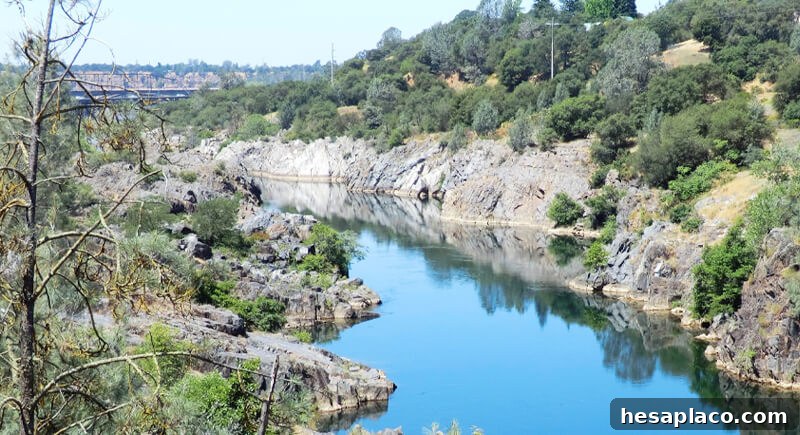
California remains synonymous with gold. Easy-access panning along the American River near Coloma—where the state’s famous rush began—still yields flakes for many visitors. Public areas like the Auburn State Recreation Area welcome prospectors, and beginners often spot gold during an afternoon with basic equipment.
Alaska
Credit: Wikimedia Commons
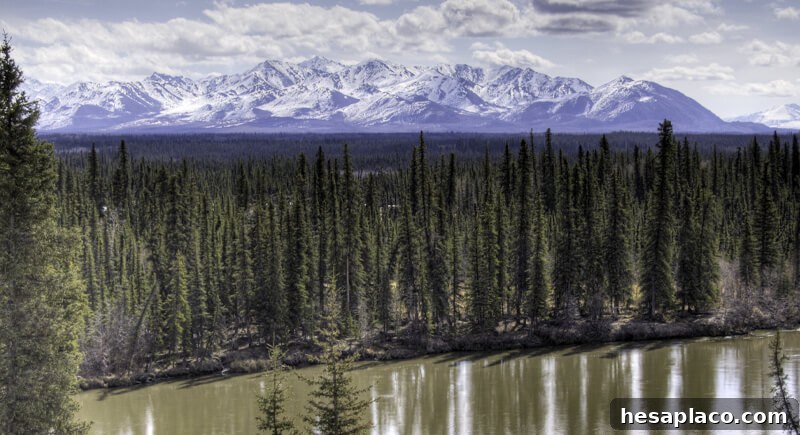
In Alaska, prospecting is still an active pastime. Regions near Fairbanks and Nome are famous for placer gold, and guided day tours often lead to flakes and small nuggets. Many public sections of the Yukon River allow panning without a permit—success there depends on patience, timing, and a decent pan.
Nevada
Credit: flickr
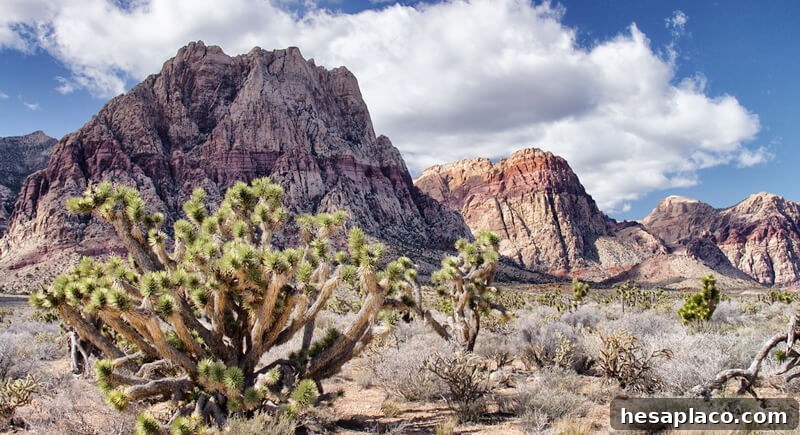
Nevada produces more gold than any other U.S. state. Hobbyists search public lands around Elko and Winnemucca and study maps of the Carlin Trend to identify promising areas. The Bureau of Land Management provides resources to help prospectors search legally and safely.
Colorado
Credit: pexels
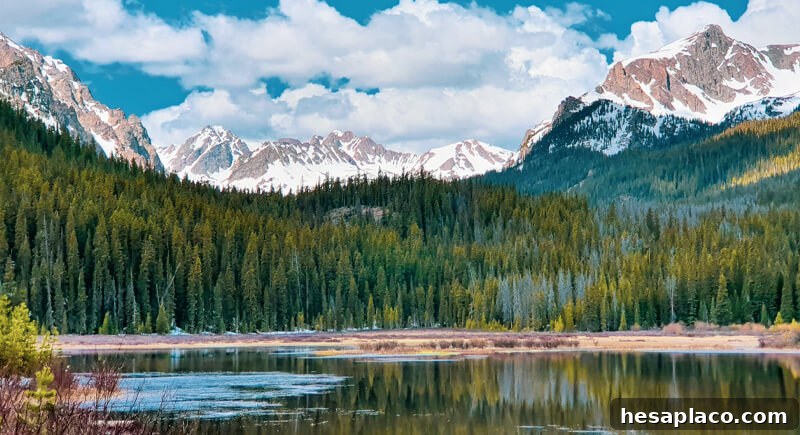
Beyond ski resorts and mountain scenery, Colorado offers active panning sites in Clear Creek and along the South Platte River. Public panning areas near Golden make it easy for beginners to try their hand. Local events like Gold Rush Days in Buena Vista combine hobbyist activity with historical programs and demonstrations.
Arizona
Credit: pexels
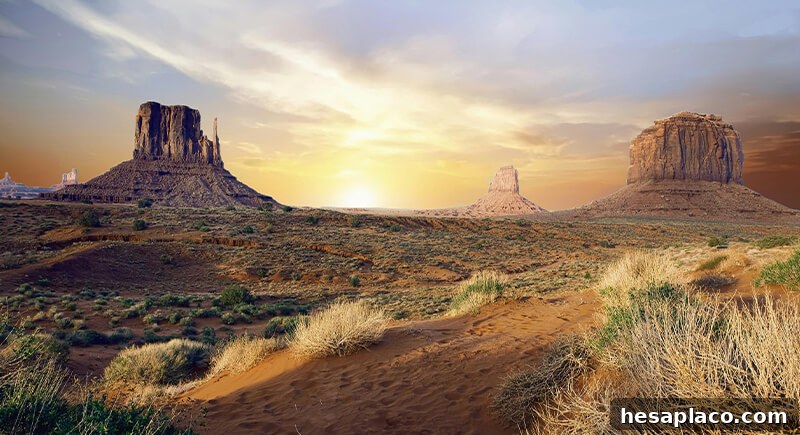
Arizona’s gold occurs in dry creek beds and old tailings. Areas around Quartzsite, Yuma, Castle Dome, and the Bradshaw Mountains attract both metal detectorists and pan enthusiasts. While many finds are small, occasional multi-ounce nuggets turn up, especially near historical mining sites and active rockhounding communities.
Georgia
Credit: Wikimedia Commons
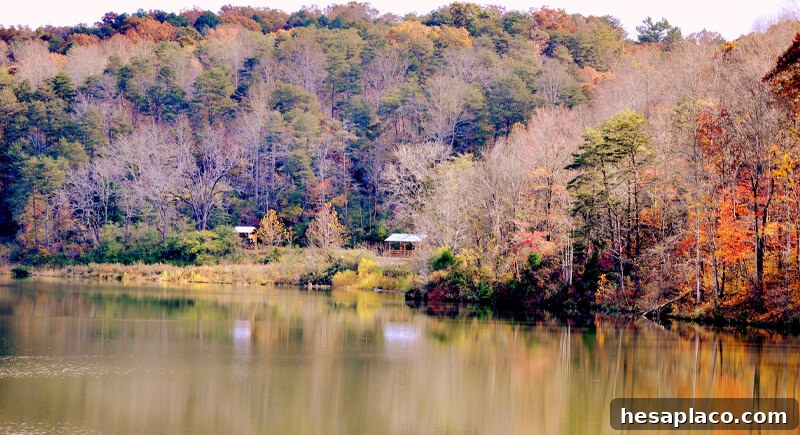
Georgia hosted America’s first significant gold rush in the 1820s, and places like Dahlonega still celebrate that heritage. Public mines and tour-friendly operations teach panning techniques, and many visitors recover real flakes. Nearby streams also allow recreational panning with simple gear.
North Carolina
Credit: Youtube
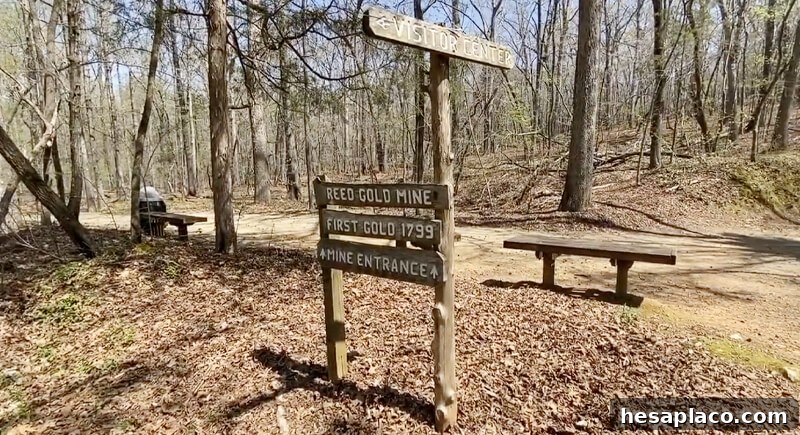
North Carolina’s gold history includes the famous find of a 17-pound nugget. The Reed Gold Mine now offers interactive tours and supervised panning. Streams across the Piedmont region remain productive for hobbyists who enjoy a mix of history and prospecting.
South Carolina
Credit: Youtube
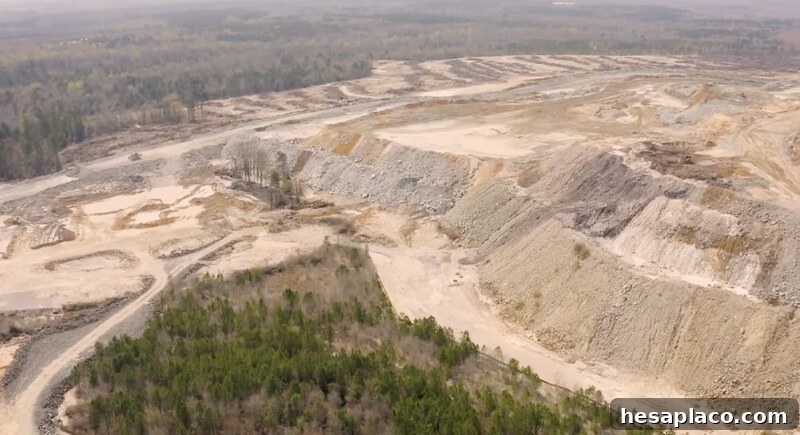
Although not widely thought of as gold country, South Carolina has active sites such as the Haile Gold Mine and nearby creeks that carry fine placer gold. Recreational panners frequently visit areas around Kershaw and some explore abandoned, accessible shafts and tailings for finds.
Oregon
Credit: Wikimedia Commons
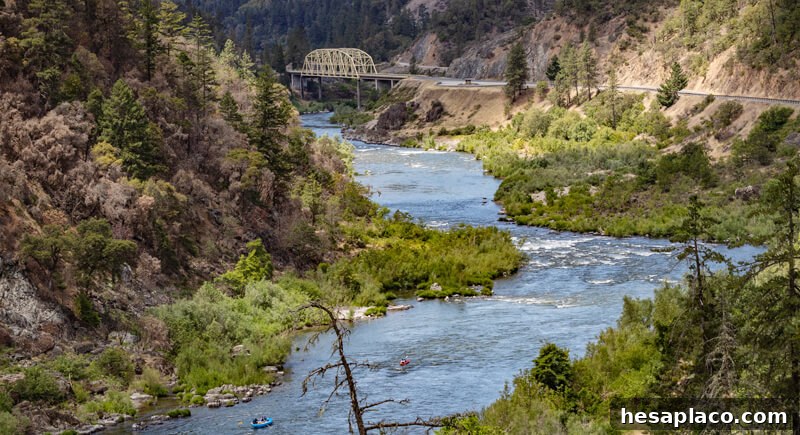
Historic gold towns in Oregon, like Jacksonville, hint at the region’s potential. Rivers such as the Rogue and Applegate continue to produce small nuggets and flakes. Southwestern Oregon offers multiple public-access rivers and old streambeds where prospectors find gold in gravel deposits.
Idaho
Credit: flickr
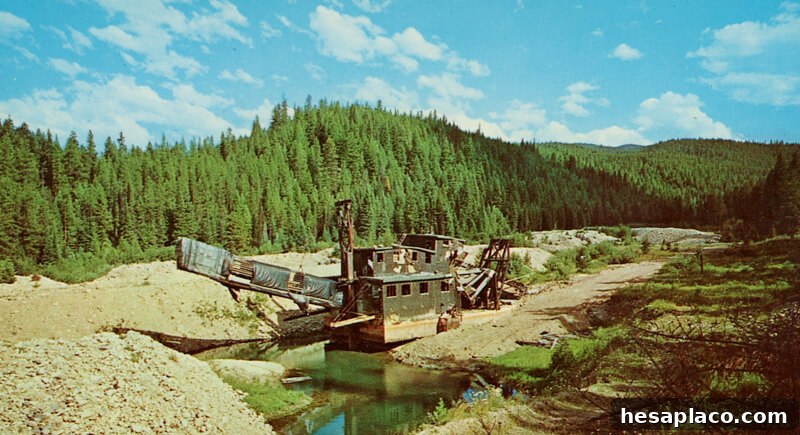
Most Idaho rivers allow recreational panning without a permit, and many still contain gold. Popular destinations include Riggins, Elk City, Boise, and the Salmon River. The state’s long mining tradition draws both casual weekend panners and more committed hobbyists who follow historical mine locations.
Montana
Credit: flickr
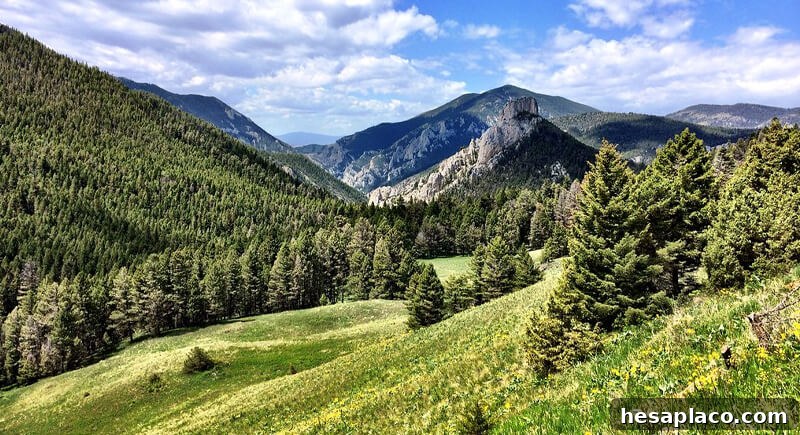
Montana’s mining towns remain active centers for prospecting. Areas near Helena National Forest and routes such as Gold Camp Road offer public pull-offs where panners try their luck. State parks and local groups often host events to teach beginners how to pan and recognize promising gravels.
Wyoming
Credit: Wikimedia Commons
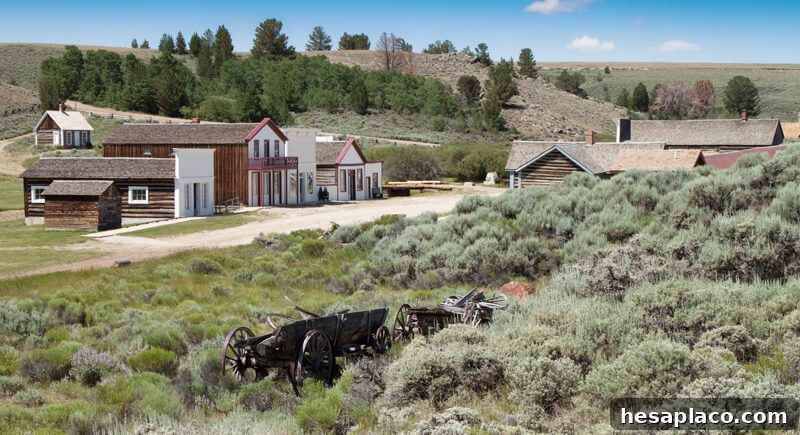
Wyoming may fly under the radar, but locations like South Pass and streams near Atlantic City are known to yield placer gold. Geological survey maps and local knowledge help modern panners identify likely spots, and occasional finds keep the hobby alive among residents.
Tennessee
Credit: Wikimedia Commons
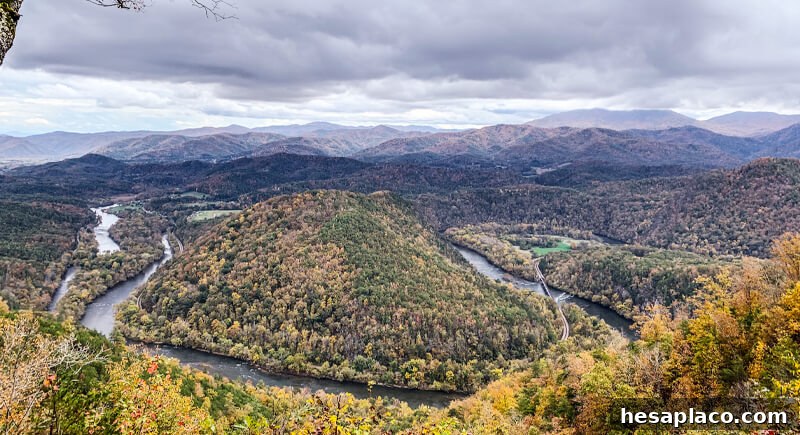
Cherokee National Forest and Coker Creek are popular for recreational panning in Tennessee. The area is family-friendly and often produces fine gold along with other semi-precious minerals like garnets and quartz. Designated streams permit panning with hand tools, making it accessible for beginners.
Virginia
Credit: Wikimedia Commons
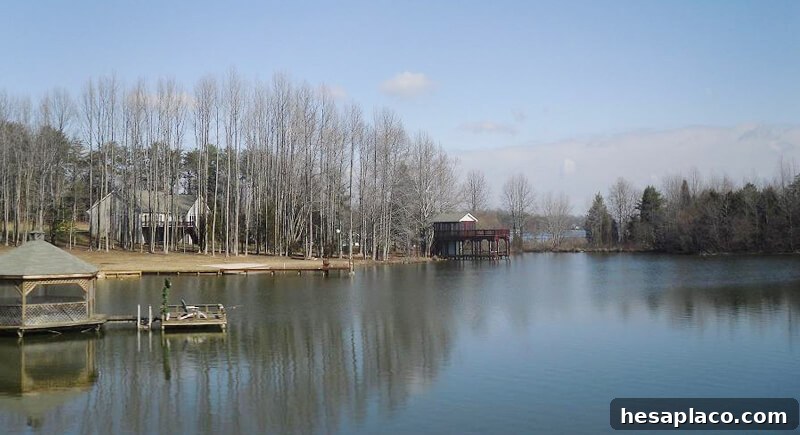
Virginia’s Gold-Pyrite Belt runs through the heart of the state and hosted many 19th-century mines. Streams near Lake Anna and other central locations still allow panning with hand tools. Simple kits often reveal gold dust and fine flakes for visitors willing to learn basic techniques.
Washington
Credit: Wikimedia Commons
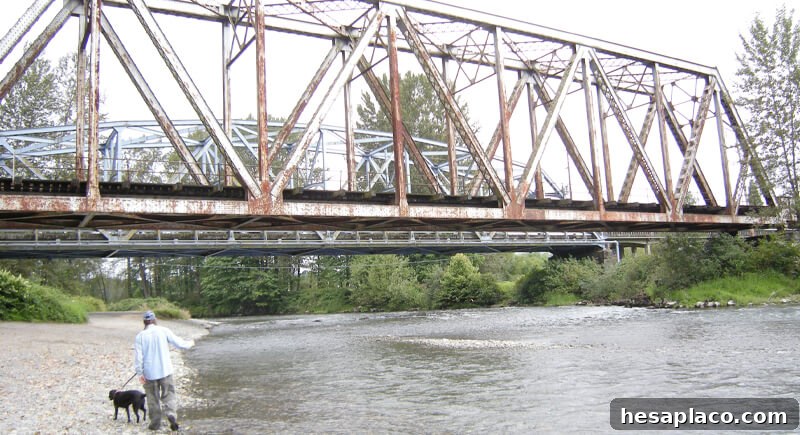
Washington’s evergreen landscapes hide active panning spots along the Skagit and Sultan Rivers. Hobbyists use pans and small sluices in established rockhounding zones. The Department of Natural Resources provides guidance on legal panning areas and best practices.
New Mexico
Credit: Wikimedia Commons
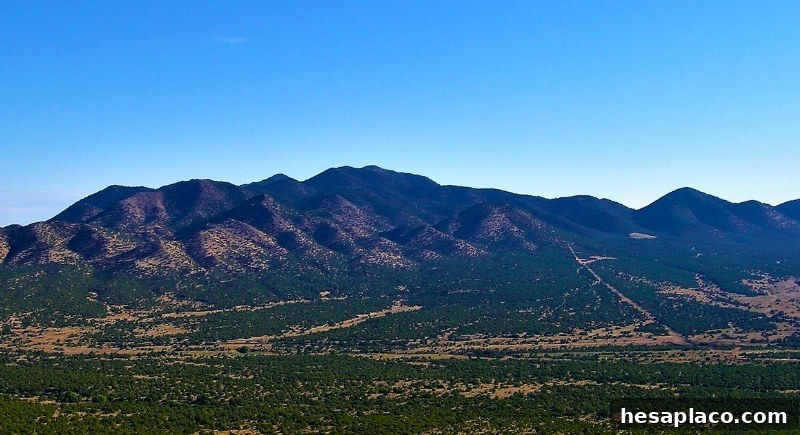
New Mexico’s Ortiz Mountains and historic towns like Hillsboro draw prospectors seeking flakes and small nuggets. Metal detecting and dry panning on public lands are common methods here. While big strikes are uncommon, occasional pockets of color still excite local prospectors.
Vermont
Credit: Reddit
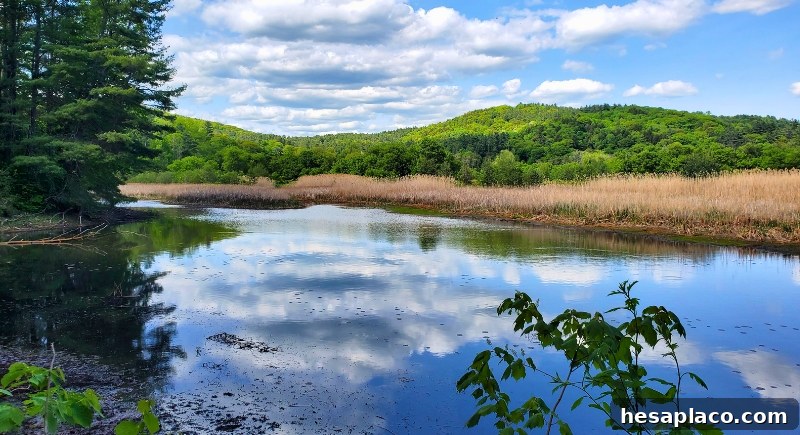
Vermont’s gold scene is low-key but steady. Rivers like the Ottauquechee and the White yield fine flakes, especially after heavy rains that shift fresh sediment. Local hobby panners tend to share tips quietly, and most finds are modest but real.
Utah
Credit: Getty Images
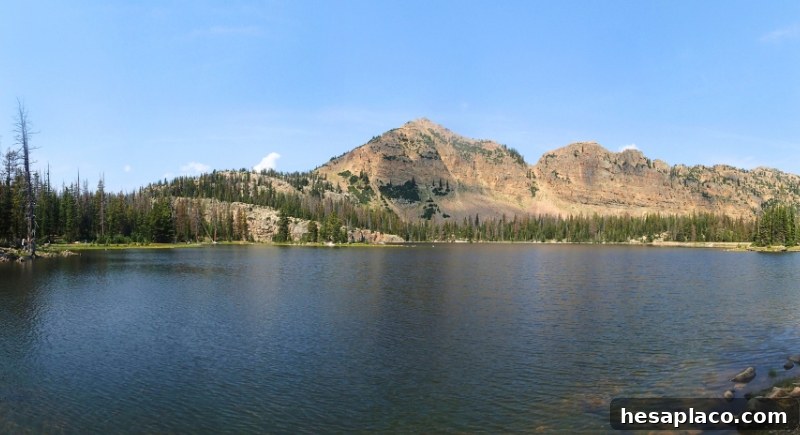
Utah’s Uinta Mountains and parts of the Colorado Plateau still attract recreational panners. Areas with historical mining activity, such as near Bingham Canyon, yield small flakes in surrounding waterways. Patience and a basic pan often pay off for hobbyists exploring these streams.
Maryland
Credit: Getty Images
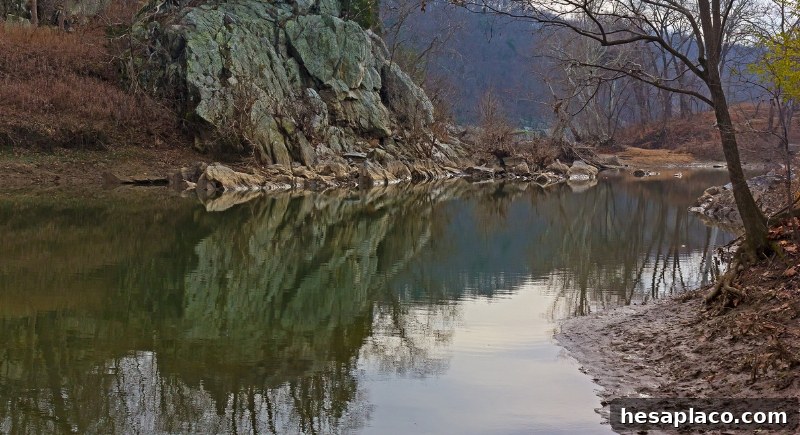
Maryland’s Piedmont region, particularly around Montgomery County, has produced small placer gold. Finds are usually tiny flakes, but they provide a rewarding discovery for local hobbyists who pan creeks after storms when new sediment shifts into promising spots.
Gold prospecting remains a blend of outdoor recreation, local history, and patient persistence. Whether you’re seeking a weekend hobby or hoping to connect with a state’s mining past, these locations provide accessible opportunities to try panning, metal detecting, or supervised mining tours. Always respect private property, follow local regulations, and leave sites as you found them for the next generation of prospectors.