
The Trump Administration returned in 2026 with a series of changes affecting Social Security—adjustments to leadership, operations, access, benefits and potential tax treatment that could influence millions of Americans. Below is a clear, SEO-optimized summary of the key developments you should know about and how they might affect beneficiaries, applicants and rural communities.
Leadership Appointment

Credit: Youtube
Frank Bisignano, the CEO of fintech company Fiserv and a longtime Trump ally, was confirmed to lead the Social Security Administration. He emphasized improving efficiency while maintaining benefit levels. Supporters point to technology upgrades and streamlined workflows; critics worry that private-sector influence could shape public service priorities.
Department of Government Efficiency (DOGE) Oversight

Credit: Wikimedia Commons
The Department of Government Efficiency (DOGE), led by a private-sector figure, has pursued access to SSA data as part of anti-fraud and efficiency initiatives. Advocates say better data sharing can reduce improper payments; privacy and oversight advocates caution that expanded access must be balanced with strong safeguards for sensitive personal information.
Debt Collection

Credit: Getty Images
The administration has stepped up efforts to recover overpaid benefits, shortening timelines and introducing new automated collection tools. While this can recover funds quickly, critics warn it may disproportionately burden vulnerable retirees who may be unaware of alleged overpayments or lack the resources to contest them promptly.
Staff Reductions
Credit: flickr
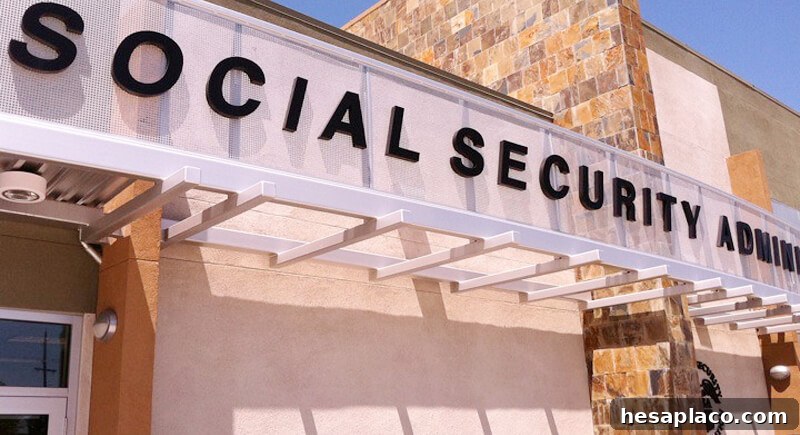
The SSA faces significant staff cuts under the administration’s workforce reduction plan, with approximately 7,000 positions targeted. Fewer employees are expected to increase processing times for claims and appeals, reduce in-person assistance capacity, and lengthen phone wait times for beneficiaries seeking help.
Office Closures

Credit: flickr
The administration’s budget included plans to close dozens of SSA field offices, especially in rural and lower-traffic locations. Office closures force many beneficiaries to travel farther for in-person services or attempt to complete tasks online, which can be impractical where broadband is limited or for those who rely on local support.
Elimination of Phone Applications

Credit: Getty Images
A new rule removed the option to apply for benefits by phone, pushing applicants to use online portals or visit an office in person. This change favors applicants comfortable with digital tools or living near an SSA office, but it creates barriers for people without reliable internet access or mobility challenges.
In-Person Identity Verification

Credit: Canva
As of March 31, 2025, SSA no longer allows identity verification by phone. Accounts flagged for verification must be confirmed through enhanced online security procedures or an in-person visit. The policy aims to reduce identity fraud, but it places a heavier burden on those without strong internet access or nearby offices.
Increased Online Services

Credit: Prostock-studio
The SSA has expanded online offerings for benefit estimates, appeals filing and status updates to improve accessibility and speed processing. While these services help many applicants complete tasks without visiting an office, they may leave behind those who lack digital skills, access to a reliable device or broadband connectivity.
Increased Transparency Initiatives

Credit: iStockphoto
The SSA introduced new transparency measures that publish clearer performance metrics, regular updates and more accessible statistics on claims processing, wait times and appeals. These updates aim to give the public a better understanding of agency performance and help stakeholders track changes over time.
Increased Customer Service Wait Times

Credit: pixelshot
Wait times for customer service have increased significantly due to staff reductions and the transition to automated and online systems. Many callers report hour-long holds or multiple transfers. For beneficiaries who prefer speaking with a person, the service disruption has been especially frustrating.
Potential Tax Exemptions

Credit: Pix4free
There is growing support within the administration for proposals to exempt Social Security benefits from federal income tax. Proponents argue this would benefit retired households with limited income; opponents warn that removing tax revenue could accelerate depletion of the trust fund unless offset by other changes.
The Average Monthly Payment

Credit: freepik
The cost-of-living adjustment (COLA) for 2025 was 2.5%, down from a 3.2% increase in 2024. While benefits rose, many beneficiaries report that the smaller increase did not fully offset rising costs for essentials such as food, housing and utilities.
The Maximum Social Security Benefit

Credit: Getty Images
For 2025, the maximum monthly retirement benefit was $5,108. While relatively few recipients reach that top benefit, it remains a benchmark illustrating how earnings history and claiming age affect a retiree’s monthly payment.
Policy Changes Affecting Rural Communities
Credit: Wikimedia Commons
Rural communities have been disproportionately affected by office closures, staffing cuts and the shift to online-only services. Limited broadband, long travel distances and a lack of public transportation make online requirements and fewer local offices a significant access issue for many rural beneficiaries.
Legislative Proposals for Reform

Credit: X
Social Security reform is again on the legislative agenda. Proposals include raising the full retirement age for younger cohorts and other structural changes aimed at securing the program’s finances. These ideas have generated debate in Congress, but none have become law as of the latest updates.
The “Seniors Deduction” Tax Relief

Credit: Getty Images
Lawmakers have proposed a “Seniors Deduction” intended to reduce the tax burden on retirement income, including Social Security. Supporters say it provides relief to fixed-income households; critics question the scale of the benefit and whether it adequately targets those most in need.
2026 COLA Increase 2.8%

Credit: iStockphoto
The projected COLA for 2026 is 2.8%, a moderate increase intended to help benefits keep pace with inflation. Even modest adjustments can matter for monthly budgets, but many beneficiaries continue to watch whether COLA changes truly match increases in everyday living costs.
Overall, the 2025–2026 policy shifts emphasize efficiency, digital access and fiscal changes, but they also introduce trade-offs in access and service for some populations. Beneficiaries should review SSA communications, update contact and account information, and plan for potential in-person verification or longer processing times. If you rely on Social Security, staying informed and preparing for online or in-person requirements will help minimize disruptions.