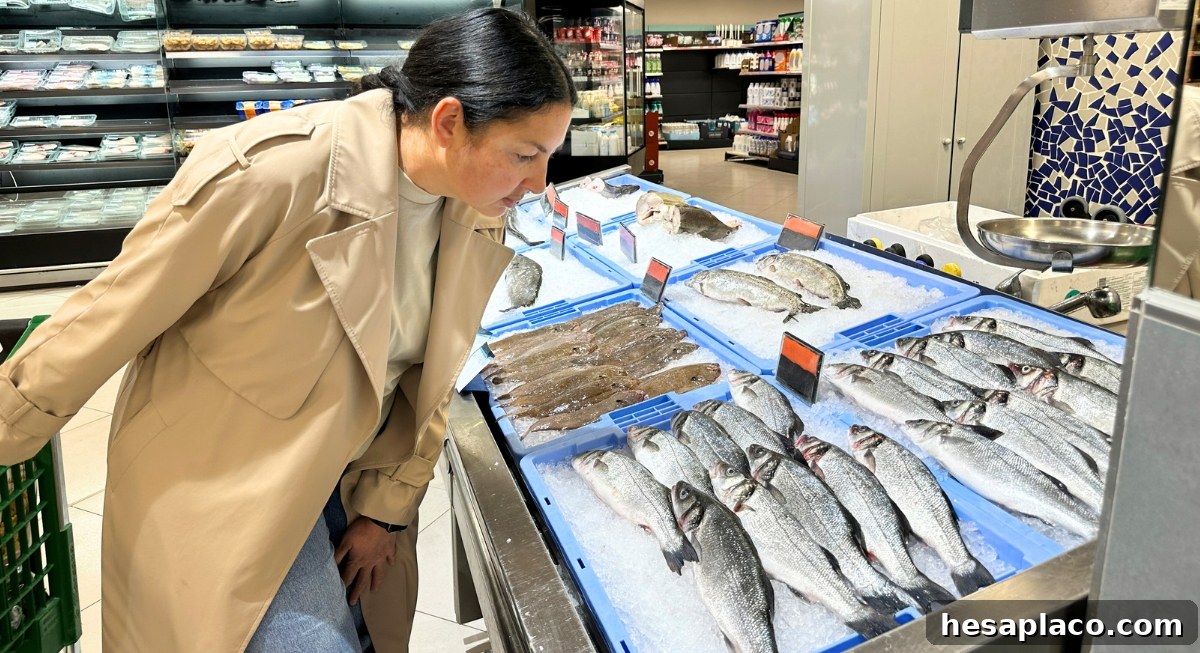
Fish provide lean protein and beneficial omega-3 fats, which is why U.S. dietary guidelines recommend eating seafood twice a week. However, the price on the seafood counter does not always reflect the full picture. Some of the cheapest choices come with trade-offs that may affect quality, safety, sustainability, or flavor. These budget-friendly options can appear to be bargains but often carry hidden concerns that make them less appealing once you know the facts.
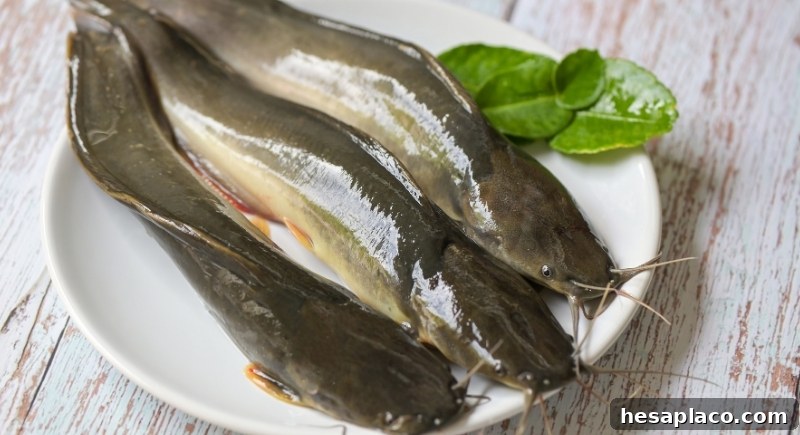
Asian Catfish
Credit: Canva
Sold under names like swai, basa, and tra, these pangasius species are primarily imported from Vietnam and China. U.S. labeling rules prevent calling them “catfish” to avoid confusion with domestic species. Farming methods in some exporting regions have raised concerns about heavy chemical use, water quality, and environmental impact, prompting questions about long-term safety and sustainability.
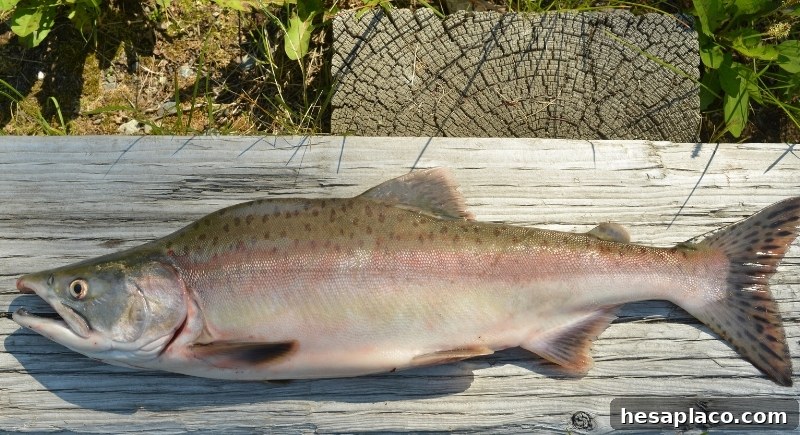
Pink Salmon
Credit: Getty Images
Pink salmon is commonly sold frozen or canned because it is less expensive than other salmon species. It has a lower oil content than sockeye or king salmon, so it can dry out more readily when cooked. The mild taste suits some palates, but pink salmon’s texture and flavor are often judged inferior to higher-priced salmon varieties.
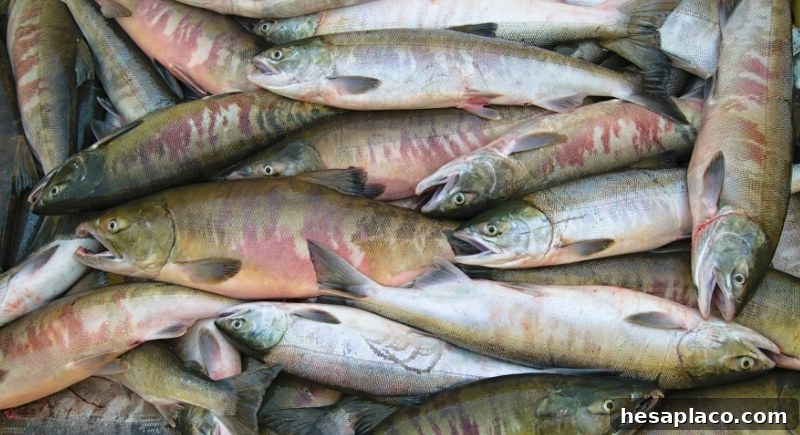
Keta Salmon
Credit: Getty Images
Keta salmon, also called chum salmon, historically served as feed for sled dogs and has a leaner profile than other salmon. Its lower fat content means it lacks the rich mouthfeel many expect, increasing the likelihood of overcooking and producing a drier, less flavorful result—especially for home cooks without precise timing.
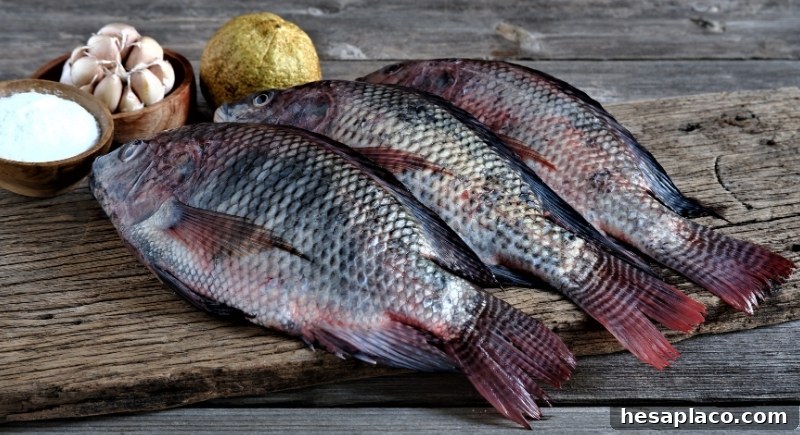
Non-Certified Tilapia
Credit: Getty Images
Tilapia is low in mercury but also contains less omega-3 fat than many other fish. Farming standards differ greatly by country; some tilapia raised in regions with lax oversight have been linked to water pollution and questionable farm management. Choosing tilapia certified by reputable programs or sourced from countries with stronger regulations reduces many of these risks.
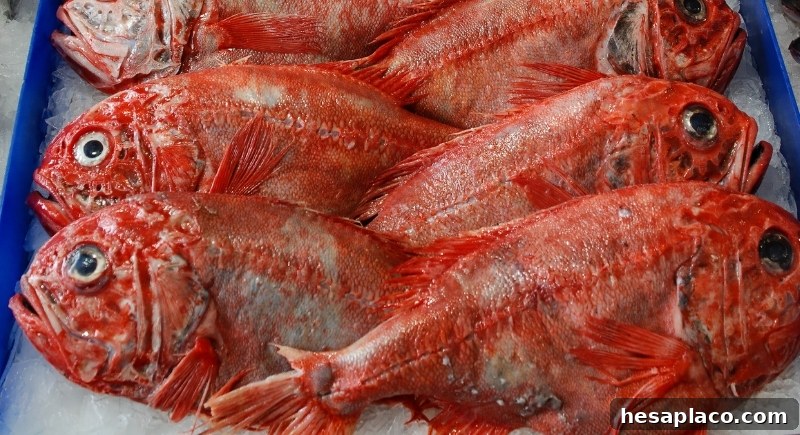
Orange Roughy
Credit: Getty Images
Orange roughy is a deep-water species that grows slowly and can live for many decades, even over a century. Those life-history traits make it highly vulnerable to overfishing and slow to recover from depletion. Fisheries for orange roughy operate in fragile habitats, and the species also ranks relatively high for mercury in testing—factors that make it a poor choice for regular consumption.
Canned Tuna

Credit: Getty Images
Tuna is a convenient, affordable pantry staple, but as an apex predator it accumulates mercury over its lifetime, posing concerns for pregnant people, nursing parents, and young children. High demand has also stressed wild tuna stocks. If you buy canned tuna, check labels—skipjack tuna typically has lower mercury levels than albacore or yellowfin and is a better option for more frequent consumption.
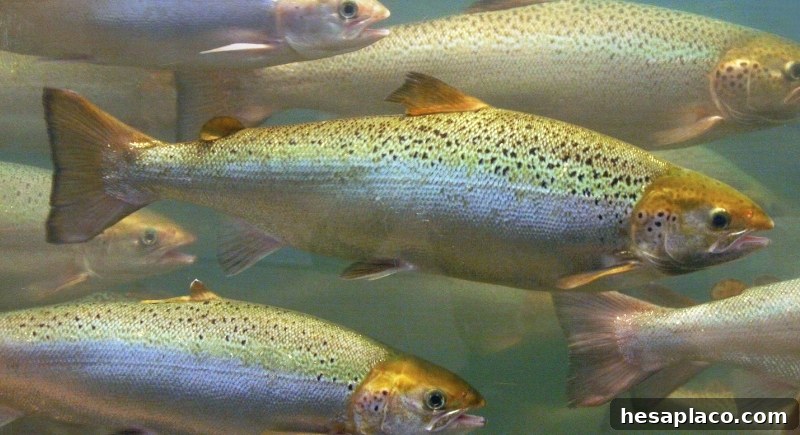
Atlantic Cod
Credit: Canva
Once considered nearly limitless, Atlantic cod stocks collapsed in the early 1990s after centuries of intensive fishing. Recovery has been slow and remains uncertain despite strong management in some regions. Continued harvesting can further erode population resilience and genetic diversity. Pacific cod or haddock are often recommended as similar-tasting, more sustainable alternatives.
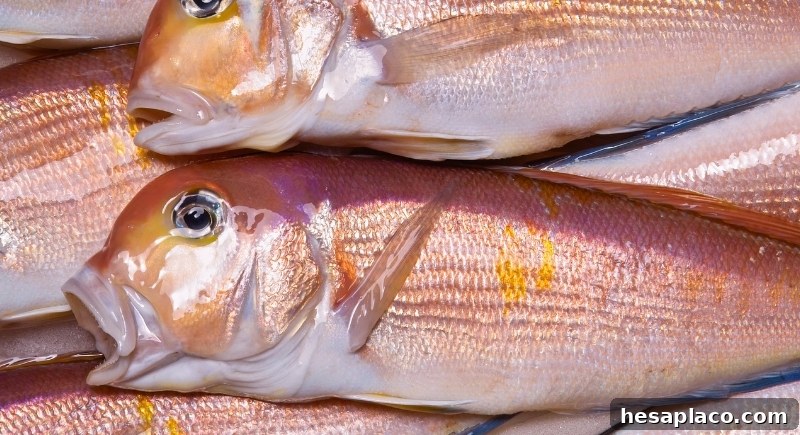
Tilefish
Credit: Getty Images
Tilefish are large, slow-growing, deep-water species that tend to accumulate mercury in their flesh. FDA testing has shown that Gulf of Mexico tilefish can have among the highest mercury concentrations of the species tested. Although some Atlantic tilefish show lower levels, tilefish is generally not a good choice for frequent consumption due to mercury concerns.
Winter Skate
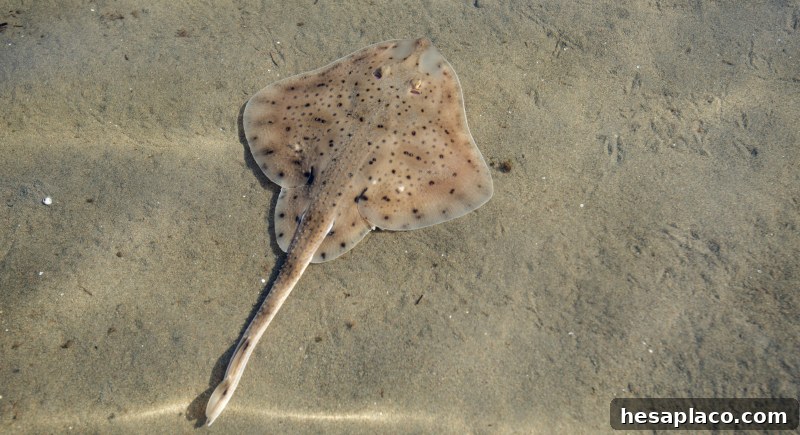
Credit: Wikimedia Commons
Skate wings are valued for their distinctive texture and affordability, but winter skate matures slowly and populations are low in many areas. Several skate species lack sufficient data to confirm sustainability, and inadequate handling at markets can cause rapid spoilage. These factors raise both conservation and food-safety concerns for consumers.
Asian Carp
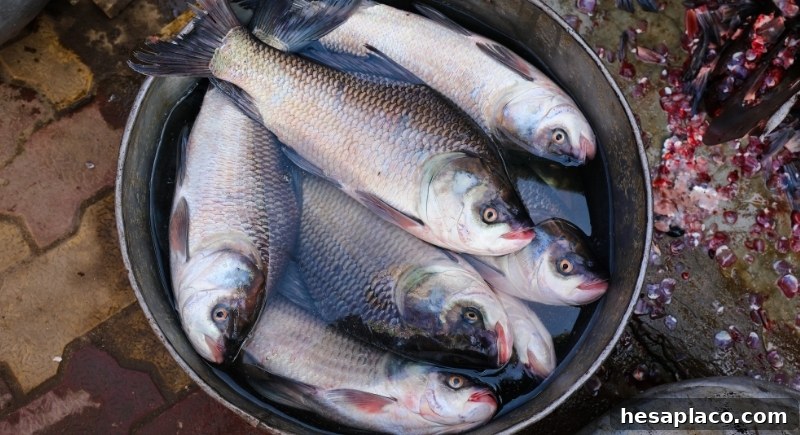
Credit: Getty Images
Introduced to U.S. waters in the 1970s for aquatic weed control, Asian carp escaped into rivers after floods and accidental releases. Their voracious feeding—consuming a large percentage of their body weight daily—allows them to outcompete native species and disrupt ecosystems. Although efforts have been made to promote Asian carp as a food source, controversy remains over its marketization, and their dense bone structure can present a choking risk for some consumers.
Choosing seafood wisely means balancing nutrition, flavor, cost, and environmental impact. Look for reputable sourcing information, certification where appropriate, and species with lower contaminant levels to make safer, more sustainable choices when shopping on a budget.