
Signing up for a subscription often takes only seconds. Canceling one, however, can feel like trying to find your way out of a maze blindfolded. Consumer watchdogs have taken notice: in 2025, the Federal Trade Commission reached a $2.5 billion settlement with a major tech company over intentionally complicated cancellation flows. That high‑profile case was not unique. Across industries, many companies have turned the simple act of saying “no thanks” into an obstacle course of hidden buttons, confusing menus, guilt‑laden prompts, and long customer‑service loops. Below are ten familiar services where subscribers commonly report friction when trying to cancel.
Amazon Prime

Credit: Reddit
Investigations by regulators exposed Amazon’s so‑called “Iliad Flow,” a cancellation path that required users to navigate multiple pages and sit through retention offers before reaching a final cancellation confirmation. Discount prompts and repeated “are you sure?” screens could loop users back toward paid options, and some customers believed they’d canceled only to see charges continue for months. The resulting FTC settlement highlighted how layered prompts and buried confirmations create real harm for consumers.
LA Fitness

Credit: Instagram
Cancelling an LA Fitness membership can vary widely by location. Some clubs accept phone or email cancellations, but others require an in‑person visit or a written notice. When a company requires travel or time‑consuming paperwork, the barrier is effectively a retention tool: the inconvenience of ending the membership dissuades some members from following through.
Adobe Creative Cloud
Credit: Instagram
Since shifting to subscription licensing, Adobe has layered its service agreements with early‑termination penalties. Annual plan subscribers who cancel before their contract ends can face fees equal to half the remaining balance. The cancellation controls are often buried several menu layers deep, and the fee disclosure can appear only on the final confirmation screen—surprising users who thought they were on a month‑to‑month plan and creating a significant financial deterrent to leaving.
Planet Fitness

Credit: Instagram
Planet Fitness members frequently report that cancellation requirements depend on the club’s local policy. Options can include visiting the home club in person, submitting a mailed notice, or using an online portal. Some locations require a 30‑day notice or proof of relocation. Others have been accused of continuing to bill after receiving cancellation letters, claiming paperwork never arrived—adding stress and delay to what should be a straightforward process.
The Wall Street Journal

Credit: Youtube
The Wall Street Journal attracts subscribers with deep introductory discounts, but cancellation paths often push customers into chat or phone interactions. That manual handoff opens the door to retention offers: agents present alternative deals to keep you subscribed, and if you decline one offer you might be transferred to another representative with a different set of incentives. Long hold times and repeated transfers can wear down customers until they give up or accept a less desirable outcome.
Xbox Live
Credit: Instagram
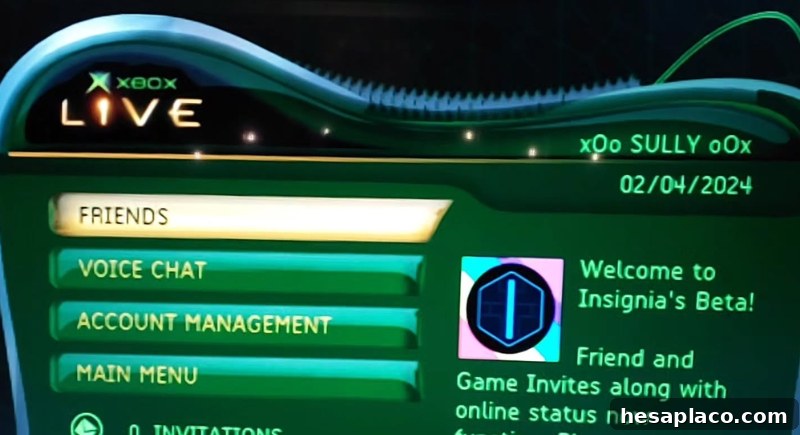
Microsoft’s subscription management is split across console menus, account pages, and mobile redirects. Subscribers often must navigate to “Services & Subscriptions,” find the correct plan among multiple Microsoft products, select “Manage,” scroll past promotional content, and then choose “Turn off recurring billing.” The Xbox mobile app sometimes redirects users to a browser, and customer support may suggest steps—like disabling auto‑renew—that don’t actually cancel the subscription but only prevent the next charge.
Comcast
Credit: Facebook
Comcast has become notorious for retention tactics that include long hold times, repeated offers, and agents trained to persuade customers to stay. A viral 2014 call captured an agent refusing to process a cancellation for minutes, and similar experiences continue to be reported. Calling the company’s retention team frequently results in multiple discount pitches and department transfers, prompting some customers to falsely claim they are moving to an area without service to avoid prolonged negotiations.
Netflix

Credit: Wikimedia Commons
Netflix’s cancellation button is simple, but there’s a common follow‑up issue: leaving the app installed on a shared TV or streaming device can allow other profiles to restart a subscription by selecting “restart membership.” Although the cancellation flow offers an option to sign out of all devices, that choice is not prominent and not required—so it’s easy for someone else in the household to unintentionally reactivate billing weeks later.
SiriusXM
Credit: Facebook
SiriusXM has long been criticized for lengthy, agent‑driven cancellation experiences. Customers often report being routed from online flows into phone calls where retention pitches and lengthy dialogues are used to persuade them to stay. In 2024, a court found the company had violated federal requirements and ordered it to make cancellation easier—evidence that regulators are increasingly scrutinizing such practices.
Chegg

Credit: Facebook
Chegg, a service frequently used by college students, has a cancellation window that many find unforgiving. Subscriptions renew automatically and renewal dates can be difficult to locate in account settings. Missing a renewal deadline by even a few hours can trigger another month’s charge. Customers trying to cancel often must use a desktop browser and may face retention offers before an agent finalizes the request, making swift cancellations harder than they should be.
Across sectors, the recurring theme is the same: companies make sign‑ups fast and frictionless, while crafting cancellation paths that are opaque, time‑consuming, or intentionally discouraging. Regulators have started to push back, but subscribers should remain vigilant—save confirmation emails, check renewal dates, sign out of shared devices, and document cancellation attempts to avoid surprise charges.