
Free snacks and trendy office perks are easy to advertise, but they don’t cover medical bills. While some employers prioritize appearances and shift healthcare costs onto staff, the companies listed below take a different path: they pay 100% of employee health insurance premiums. That choice is rare, stands out on job boards, and has a real impact on workers’ daily lives. Below are 12 organizations that fully cover employee health insurance premiums, with a concise look at why they do it and how it matters.
Meta

Credit: Wikimedia Commons
Meta pays 100% of employee medical insurance premiums, offering comprehensive coverage without premium deductions for individual employees. Dependent coverage typically requires employee contribution. The company’s benefits package also includes dental, vision, and mental health services. In a competitive tech labor market, this level of coverage helps attract and retain top talent by reducing the financial uncertainty that often accompanies healthcare.
Bill and Melinda Gates Foundation
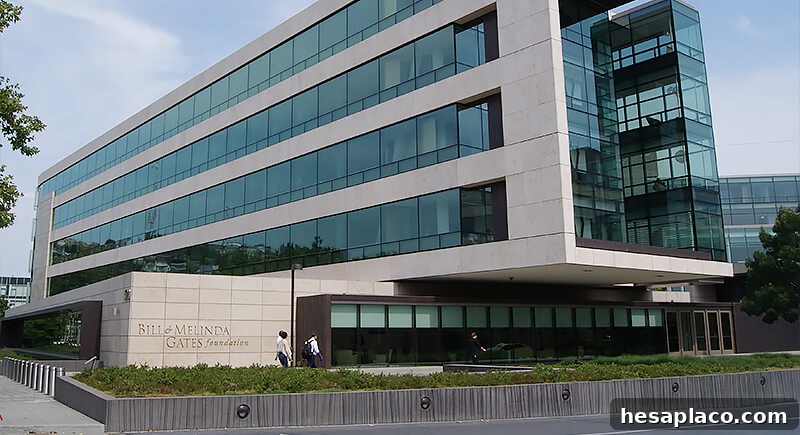
Credit: Wikimedia Commons
The Bill and Melinda Gates Foundation provides 100% premium coverage for U.S.-based employees, including medical, dental, and vision on its core plan. The foundation highlights that its primary plan carries no annual deductible, which is a meaningful distinction that reduces out-of-pocket risk for staff. For an organization focused on large-scale impact, offering robust internal benefits is consistent with its values and supports a mission-driven workforce.
Tres Health
Credit: tres.health
As a company operating in the healthcare space, Tres Health offers full premium coverage for employees. This straightforward policy reduces confusion during hiring and onboarding and removes the need for employees to budget for monthly premium deductions. In an industry where “wellness perks” can be vague, paying the full insurance premium shows a practical commitment to employee wellbeing.
Fivetran
Credit: Facebook
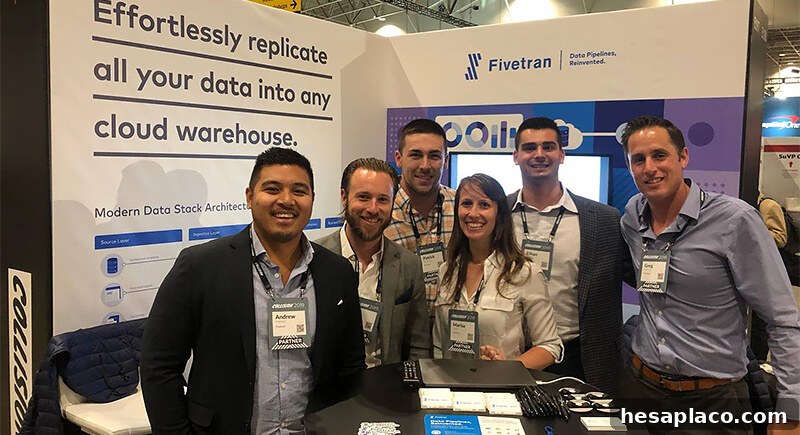
According to employee-reported benefits, Fivetran covers 100% of health insurance premiums, and multiple listings describe its medical, dental, and vision plans as employer-paid. In an environment where employees frequently face high deductibles and hidden costs, providing fully paid premiums removes a major financial burden and makes compensation packages more meaningful.
Norcom

Credit: Facebook
Norcom, which supports emergency communications and law enforcement systems, pays 100% of employee health insurance premiums. For staff in high-pressure and mission-critical roles, this benefit reduces stress and supports retention. Stable, predictable benefits are particularly valuable in fields where experienced personnel are hard to replace.
H. E. Butt Foundation

Credit: Facebook
The H. E. Butt Foundation, based in Texas, fully covers employee health insurance premiums. For a philanthropic organization focused on supporting communities, families, and youth, offering comprehensive internal benefits aligns with its mission and strengthens employee loyalty. In mission-driven roles where salaries may be modest, fully paid premiums are an influential part of total compensation.
Zocdoc

Credit: Facebook
Zocdoc, a company centered on improving access to care, mirrors that mission in its benefits by covering employee medical, dental, and vision premiums. Employee reports indicate full coverage of medical and pharmacy costs for U.S.-based staff. Matching external mission and internal practice, this approach helps employees feel supported while reinforcing the company’s commitment to healthcare access.
Friends of Trees

Credit: Facebook
Friends of Trees, a nonprofit focused on urban reforestation, offers 100% employer-paid health insurance premiums to its staff. Nonprofit roles often come with limited budgets and fewer perks; full premium coverage is therefore a significant advantage that helps retain employees and sustain long-term programs. Consistent benefits make it easier for staff to commit to physically demanding, seasonal work.
Galvanize USA

Credit: Facebook
Galvanize USA, working in clean energy and decarbonization, covers 100% of employee health insurance premiums. In climate-tech, where competition for talent is fierce and employees want meaningful work, this benefit reduces financial friction and supports staff stability as the company scales and tackles complex projects.
Ankrom Moisan

Credit: Facebook
Ankrom Moisan, an architecture and design firm, pays 100% of employee health insurance premiums. Architecture involves intense project cycles and variable workloads, so eliminating premium costs provides financial stability for employees at all career stages. That contributes to employee wellbeing and helps the firm retain talent through busy periods.
IXL Learning

Credit: Facebook
IXL Learning reports that it pays 100% of employee premiums and provides partial coverage for dependents, including medical, dental, and vision. For many edtech employees—whose salaries can trail behind larger tech firms—robust health benefits help bridge the compensation gap and support retention, especially for younger staff building financial security.
Pearl Meyer & Partners
Credit: glassdoor
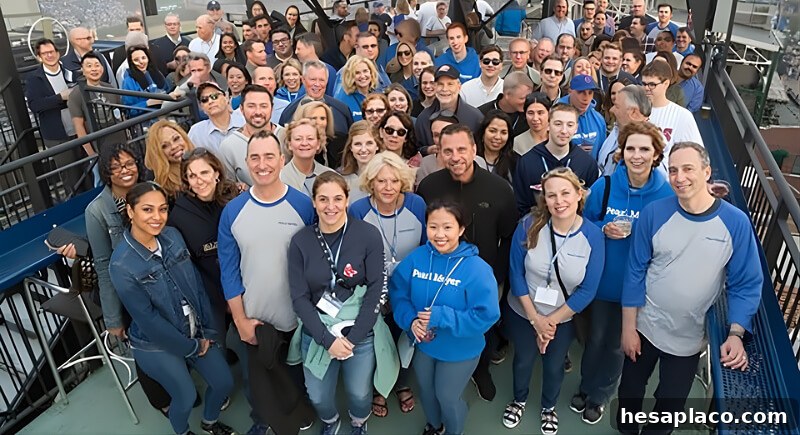
Pearl Meyer & Partners provides a 100% employer-paid health plan for individual employees, meaning there are no monthly premium deductions for those enrolled. As a firm that advises organizations on compensation and benefits strategy, offering fully paid individual coverage aligns with its own expertise and reinforces its credibility. That alignment is also reflected in positive employee feedback on review platforms.
Choosing to pay full employee premiums is a significant employer decision. It reduces financial stress, simplifies total compensation, and can be a decisive factor for candidates comparing offers. The organizations listed here represent a mix of industries—tech, philanthropy, healthcare, nonprofit, clean energy, architecture, and education—showing that fully employer-paid health coverage can be a strategic advantage across sectors.