Aldi presents a minimalist shopping experience—few aisles, simple shelving, and quick checkouts—but beneath that straightforward surface is a tightly organized system of procedures employees must follow. These practices aren’t dramatic secrets, but they help explain why the store operates differently from a typical supermarket and why staff sometimes respond in certain ways.
There’s No Backroom Stock Like You Think
Credit: yelp
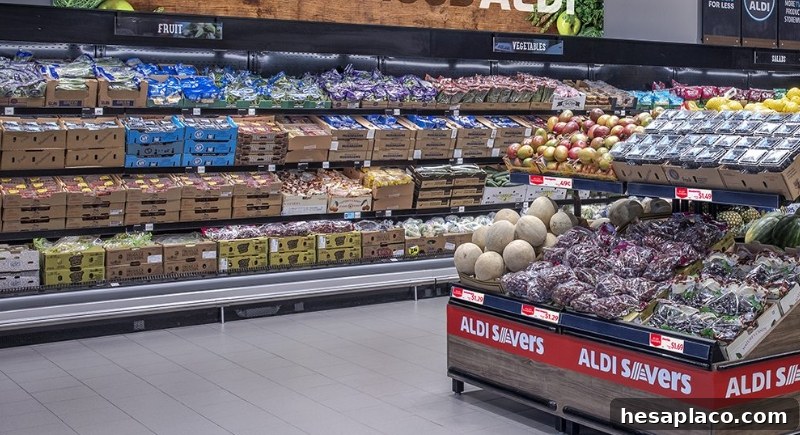
Many shoppers assume that if an item is out on the shelf, there’s more “in the back.” At Aldi, that’s often not the case. The chain typically keeps minimal backstock and relies on efficient restocking from deliveries rather than hidden reserves. Employees are trained to explain this politely: what customers see on the shelf is usually the current availability, and if a popular item is gone, it may not be coming back for that season or promotion.
Employees Have to Memorize PLU Codes

Credit: Getty Images
To speed checkout, Aldi cashiers often use product lookup (PLU) codes instead of scanning individual barcodes for every single loose item. This is especially useful when customers buy multiple identical products. New staff are expected to learn common PLU numbers early on so registers move quickly and transactions remain accurate—an efficiency-driven practice that reduces scanning time and errors.
Steel-Toed Boots Are Required on the Job

Credit: Getty Images
Because employees frequently handle pallet jacks, lift cases, and unload deliveries, steel-toed boots are required for safety. Aldi typically reimburses workers for footwear, underscoring that the role blends warehouse-style labor with retail duties. The rule is enforced to reduce the risk of foot injuries in a fast-paced environment.
Cashiers Sit Because It’s Faster—Not Easier
Credit: Youtube
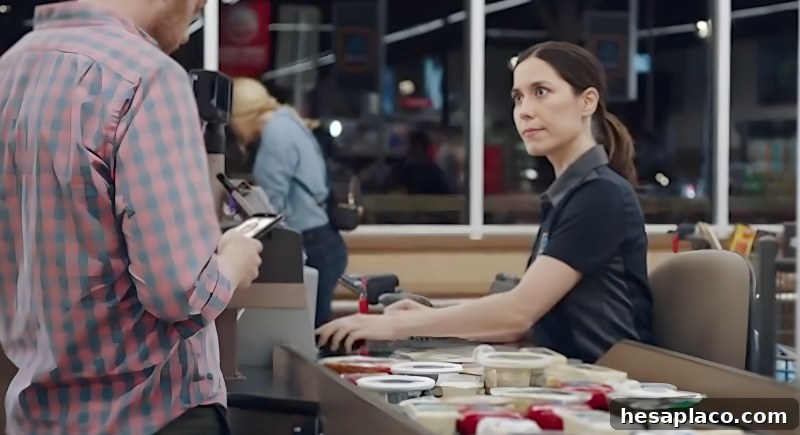
Unlike many retailers, Aldi provides stools for cashiers to sit on during their shift. This approach isn’t about comfort—it’s about performance. Studies and internal testing have shown that seated scanning can increase speed and reduce mistakes. Cashiers are still measured on scanning pace, and sitting helps them meet the efficiency targets required during busy periods.
Online Orders Are No One’s Favorite

Credit: Getty Images
Click-and-collect or third-party grocery orders can create significant strain for staff. Employees picking online orders are often timed, and in-store responsibilities continue to demand attention. With lean staffing models, juggling online order fulfillment with customers on the floor can be stressful and lead to slower response times—especially during peak shopping windows.
Sales Have Limits and Customers Still Test Them

Credit: Facebook
When Aldi runs promotions, it commonly limits how many sale items a single customer may purchase. The caps are posted, but some shoppers still attempt to exceed them by splitting transactions or using multiple people. Enforcing purchase limits can put employees in awkward positions, as they must follow company policy while managing frustrated customers.
The Aldi Finds Aisle Creates Its Own Chaos
Credit: Facebook
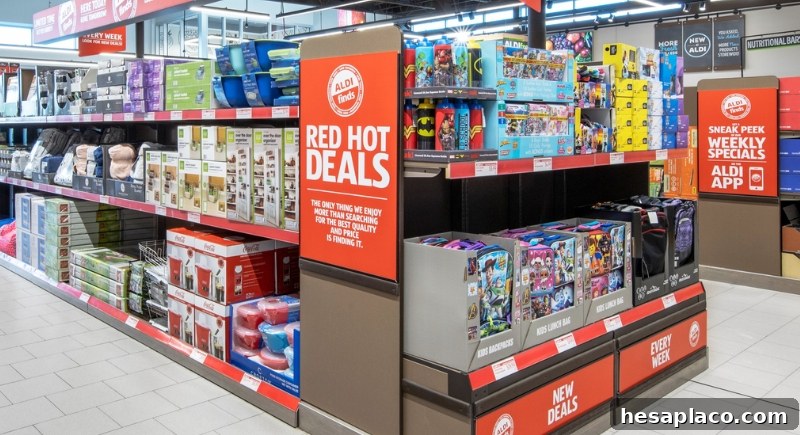
The special deals aisle—often dubbed the “Aisle of Shame”—features limited-run items called Aldi Finds. These products appear on certain days and are available only while supplies last. Staff prepare for surges in customer questions and occasional disappointment when popular items sell out. Because these items typically don’t return once sold out, shoppers who want them need to act fast.
Some Return Requests Get Out of Hand
Credit: Youtube
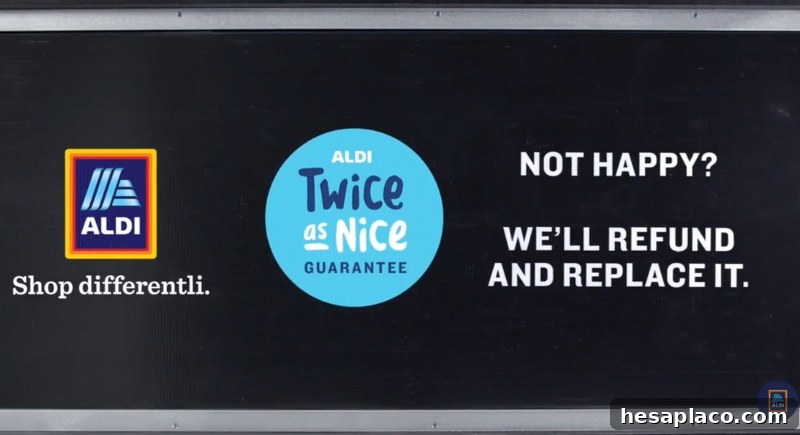
Aldi’s Twice as Nice Guarantee promises a refund plus replacement if a customer is unsatisfied. While the policy is consumer-friendly, some customers push its limits—returning opened or partially used items or claiming purchases without receipts. Although the policy allows certain returns, employees quietly note repeat offenders and may refuse returns that clearly abuse the system.
Price Tags Can Tell You What’s About to Disappear
Credit: Reddit
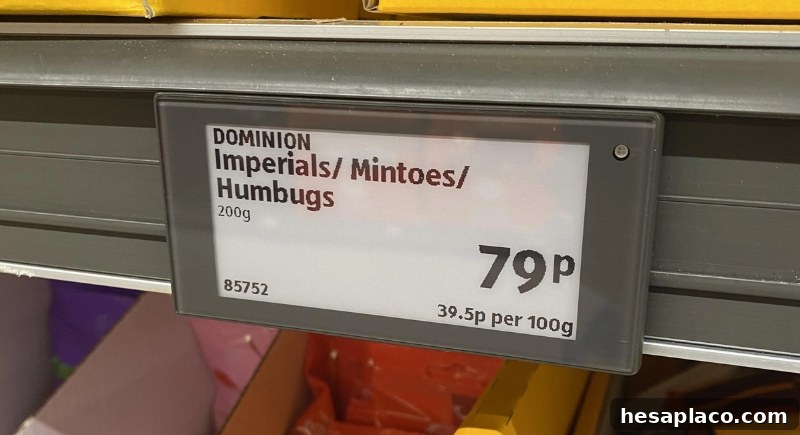
Experienced shoppers sometimes decode subtle signals on shelf tags. A handwritten “D” or a printed marker on a price tag can indicate that a product is being discontinued or won’t be restocked. While staff recognize these signs and regular customers act on them, employees generally won’t volunteer this information unless asked directly.
Calls to the Store Won’t Get You Very Far

Credit: Canva
Aldi stores generally don’t staff phone lines for customer inquiries the way other retailers do. Phone service is typically reserved for internal or supplier communications, and employees on the floor rarely have the capacity to answer product-availability questions by phone. If you call a store to ask about stock, you may not get an answer because staff are focused on serving in-person customers and keeping operations moving.