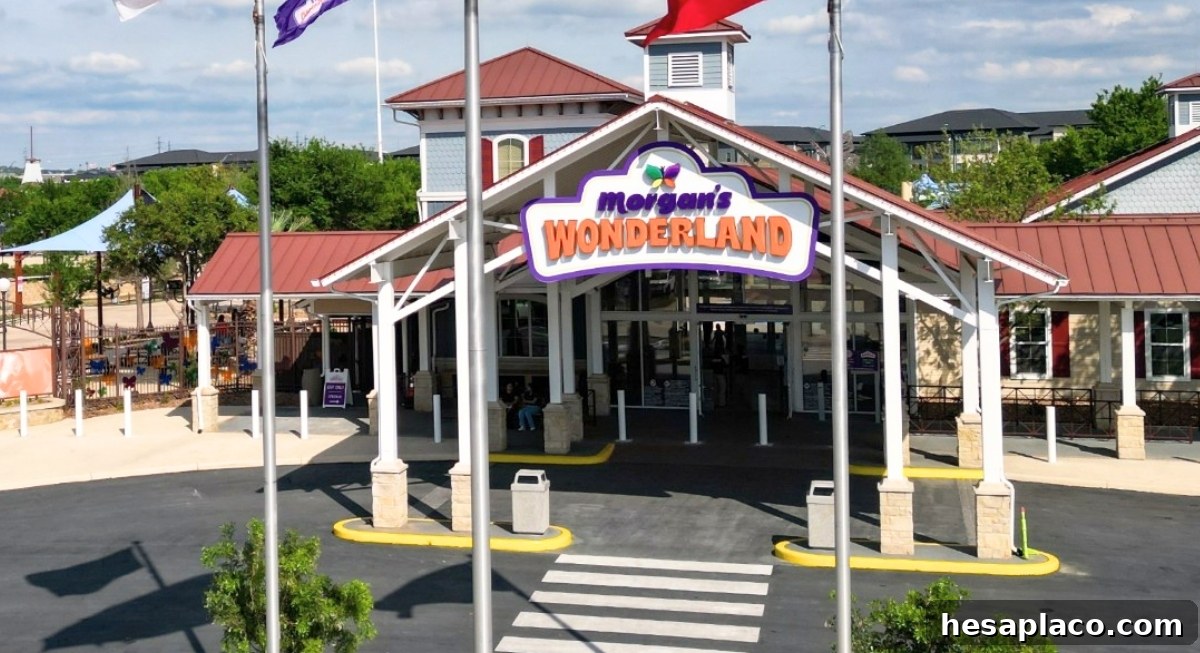
Most theme parks are not designed with people with disabilities in mind. At best, they provide partial solutions—ramps, separate entrances, or special access passes—but rarely do they offer genuine inclusion. For Gordon Hartman, the problem became personal when he watched his daughter Morgan, who has both physical and cognitive disabilities, get excluded at a hotel pool. That moment made him realize there was no single place where children like Morgan could simply belong.
Instead of waiting for someone else to solve the problem, Hartman took action. He sold his business, consulted the right people, and invested everything to create a park built from the ground up for inclusion. The result, Morgan’s Wonderland, changed what accessibility can mean in a public entertainment space.
He Watched His Daughter Get Left Out at a Pool
Credit: Facebook
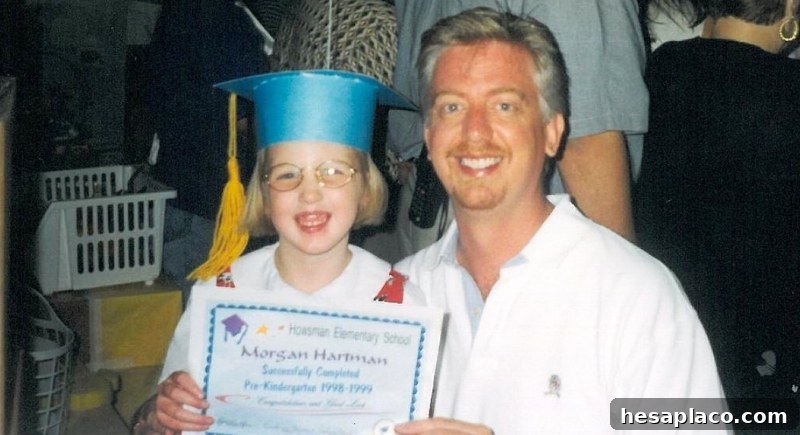
The episode at the hotel pool stuck with Hartman. Morgan approached other children with a friendly smile, but they pulled back. The scene was small and quiet, but its impact was profound: why was there no place where children with disabilities could be welcomed without hesitation or extra explanation?
He Asked a Simple Question No One Had Answered
Credit: pexels
That night Hartman kept returning to one clear question: where can children like Morgan go and feel welcome? He searched and found pieces of accessibility scattered across different venues, but no complete environment designed for full participation. The absence of such a place convinced him that it was time to build one.
He Sold His Company and Bet Everything

Credit: Getty Images
Turning that idea into reality required significant commitment. Hartman sold his successful homebuilding business and invested the proceeds—reportedly $51 million—into the project. It was not a conventional business plan seeking immediate profit but a mission-driven effort to create a permanent, welcoming space for people with disabilities and their families.
The Park Was Designed by Families and Therapists
Credit: Getty Images
Rather than relying solely on traditional amusement-park designers, Hartman assembled a team of people who understood disability firsthand: therapists, physicians, and families of individuals with disabilities. Their lived experience and professional expertise guided decisions about layout, ride design, and sensory considerations so the park would be genuinely usable for a wide range of needs.
There Are No Overwhelming Noises or Flashing Lights
Credit: pexels
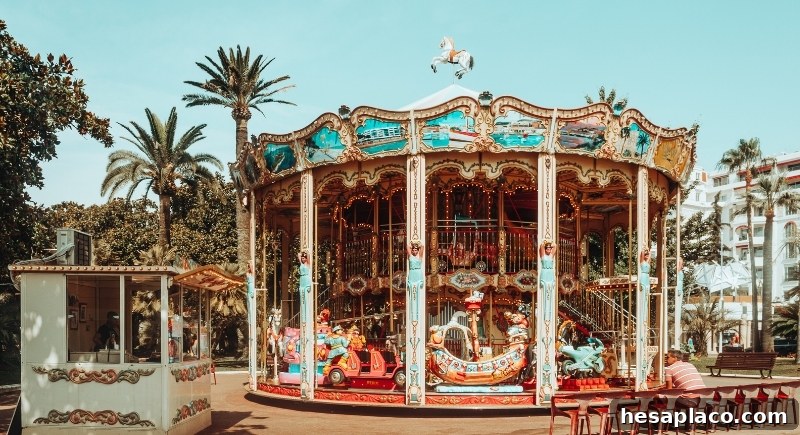
Typical theme-park atmospheres—strobing lights, sudden loud effects, and packed lines—can be overwhelming for guests with sensory sensitivities. Morgan’s Wonderland intentionally limits jarring noises, avoids flashing lights, and creates open, calm spaces. The environment is designed so that guests who are easily overstimulated can relax and enjoy attractions without the constant need to brace themselves.
Every Ride Can Be Used by Kids With Disabilities
Credit: Facebook
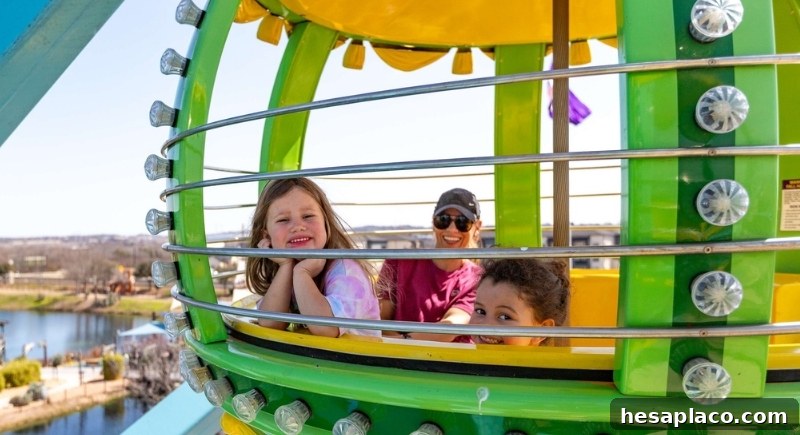
Accessibility is built into every attraction. Wheelchair-accessible rides, modified carousels, custom swings with supportive seating, and ferris wheels equipped for easy transfer are just a few examples. The park’s goal is inclusion by design, so people with and without disabilities can experience the same attractions together.
Guests With Special Needs Get In Free
Credit: Getty Images
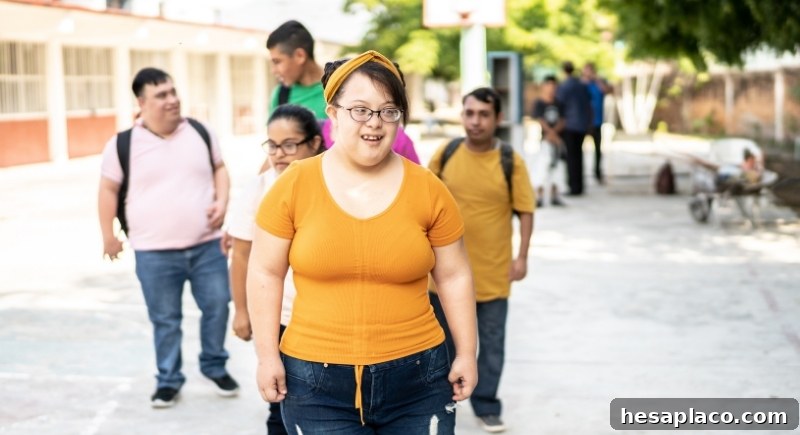
Cost can be a significant barrier for families who already manage medical bills, therapies, and assistive equipment. To reduce that burden, Morgan’s Wonderland offers free admission to guests with disabilities. That policy reflects the park’s purpose: ensuring access that doesn’t depend on a family’s financial resources.
Families Travel From Around the World to Visit
Credit: Facebook
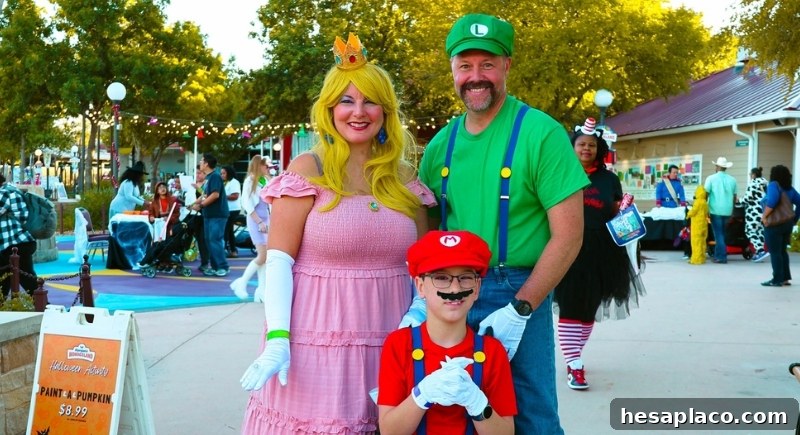
Since opening in 2010, Morgan’s Wonderland has welcomed millions of visitors from across the United States and around the globe. Families often plan special trips to experience a park where every child in their group can participate with equal access and dignity. The park’s reputation as a welcoming destination has made it a model for inclusive design.
He Built a Legacy Instead of Wealth
Credit: Facebook
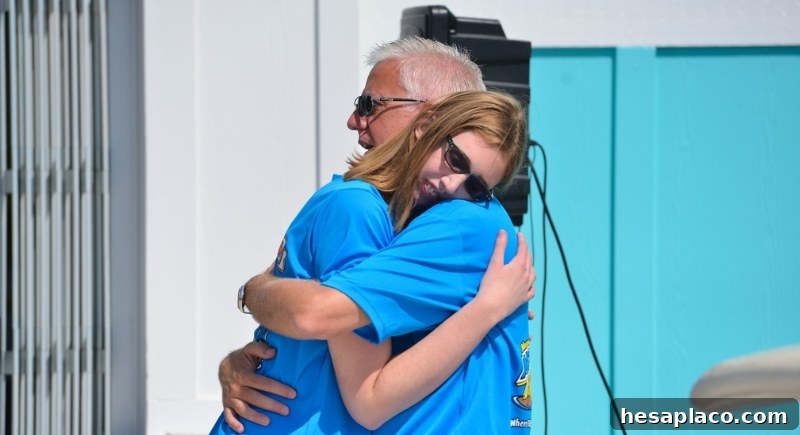
Many entrepreneurs choose to enjoy the financial rewards after a successful exit. Hartman chose a different path: he created a public space that prioritizes empathy and belonging over profit. What began as a painful moment at a pool grew into a lasting institution that offers joy, inclusion, and community for people often overlooked. Morgan’s Wonderland stands as a reminder that thoughtful design and determination can transform exclusion into belonging.