Trying something new doesn’t always produce brilliance. Sometimes companies launch products so strange or poorly timed that they confuse more than they impress. These are full-blown flops that made it to store shelves and then quietly vanished, leaving consumers and critics wondering what went wrong. Below are 10 notable failed products that reached the market and disappeared, each offering lessons about branding, timing, and consumer expectations.
Colgate’s Frozen Lasagna
Credit: flickr
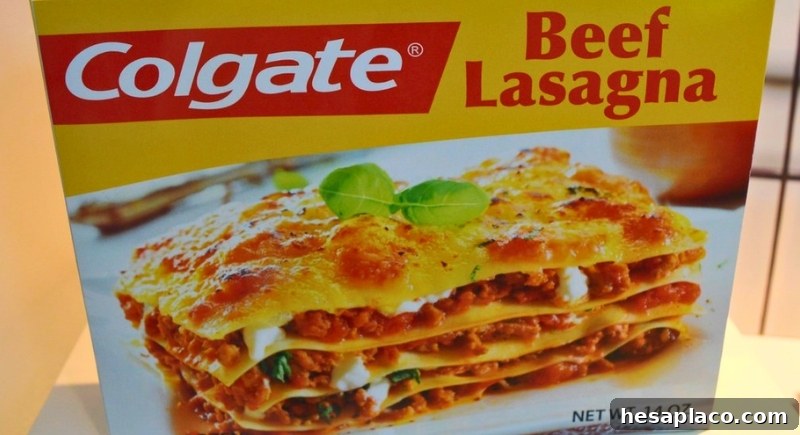
In 1982, Colgate—best known for toothpaste—expanded into frozen meals, selling items like Colgate Beef Lasagna. The concept forced consumers to reconcile a trusted oral-care brand with ready-to-eat food. The result was awkward: shoppers confronted the image of lasagna where they expected mint and oral hygiene, and some reported a downturn in toothpaste sales as the brand’s association shifted in consumers’ minds. The food line failed to gain traction and was discontinued.
Microsoft’s Clippy
Credit: Youtube
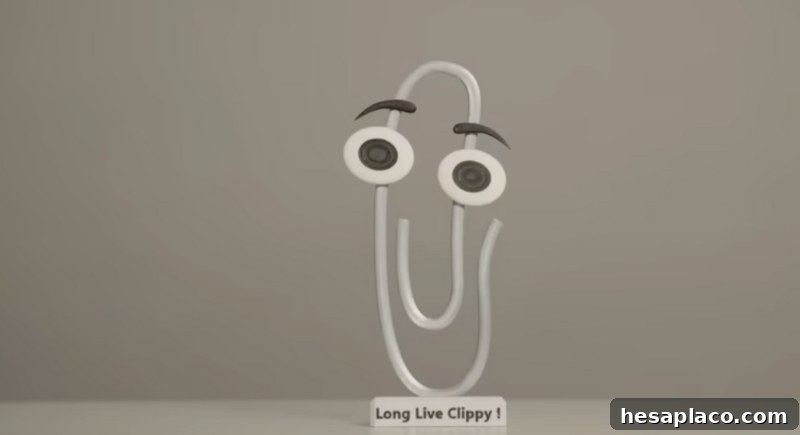
Clippy was created to help users with Microsoft Word but quickly became an irritant. Debuting in the late 1990s, the animated paperclip would pop up uninvited, offering awkward suggestions and basic tips that users found unhelpful. Instead of enhancing productivity, Clippy became a symbol of intrusive software design. After years of parody and complaints, Microsoft removed Clippy from Office in 2007.
Cheetos Lip Balm
Credit: Instagram
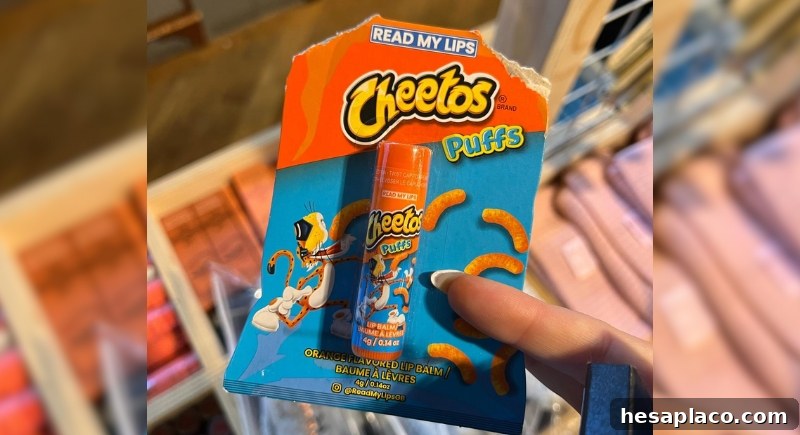
Frito-Lay launched a novelty Cheetos-flavored lip balm in 2005 that aimed to capitalize on the brand’s snack identity. Though the product grabbed headlines and social media attention, real consumer demand was limited. Most people were reluctant to wear an artificial cheese flavor on their lips all day, so the product faded away after its initial buzz.
Bic For Her Pens
Credit: X
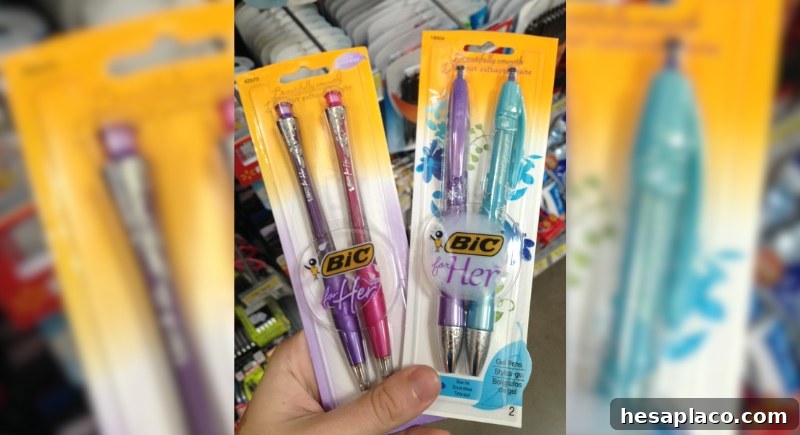
In 2012, Bic released a line of pens marketed specifically “for her,” featuring pastel colors and gendered packaging. The product offered no functional advantage over standard pens, which led to wide ridicule online and in the press. Critics called out the unnecessary gendering of a basic item, and the negative reaction translated into poor sales and a damaged impression of the campaign.
Juicero
Credit: Youtube
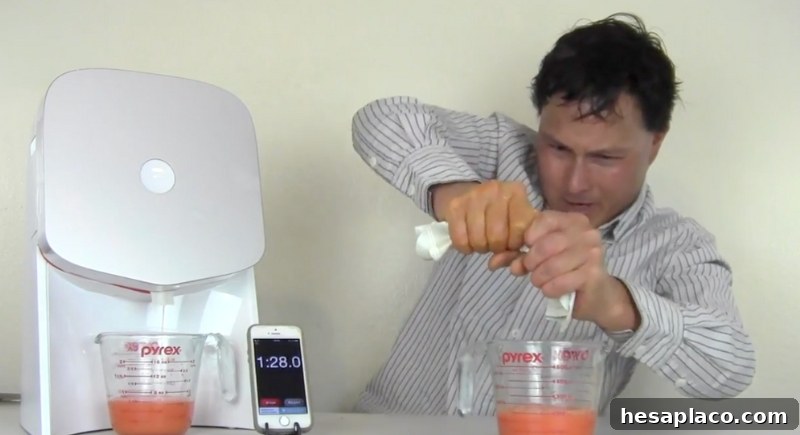
Juicero was a high-end, Wi-Fi–connected juicer that retailed for about $400 and used proprietary produce packs. Investors poured more than $100 million into the startup, which promised convenience and cold-pressed quality. The product’s credibility crumbled in 2017 when journalists demonstrated that the juice packs could be squeezed by hand with the same results, undermining the device’s core value. The company quickly lost consumer trust and folded.
New Coke
Credit: Youtube
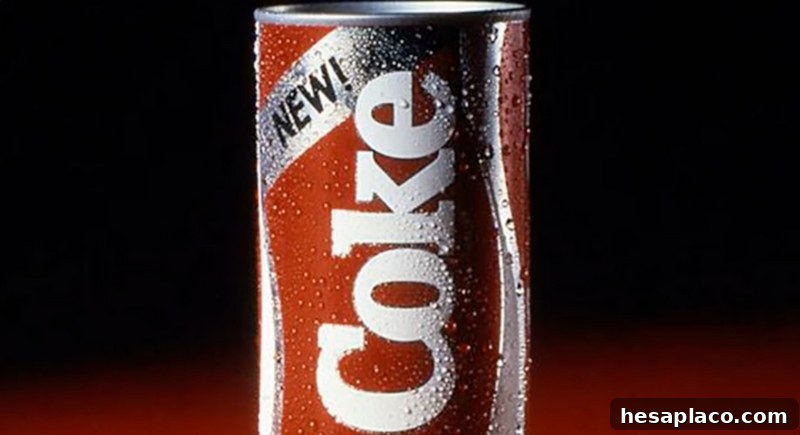
In 1985, Coca-Cola attempted to respond to Pepsi’s market gains by changing its signature recipe and introducing “New Coke.” The reformulation sparked intense backlash from loyal consumers who demanded the return of the original flavor. Public outcry and poor sales forced Coke to bring back the original as “Coca-Cola Classic” within three months, making New Coke one of the most famous product missteps in marketing history.
Rejuvenique Facial Mask
Credit: Instagram
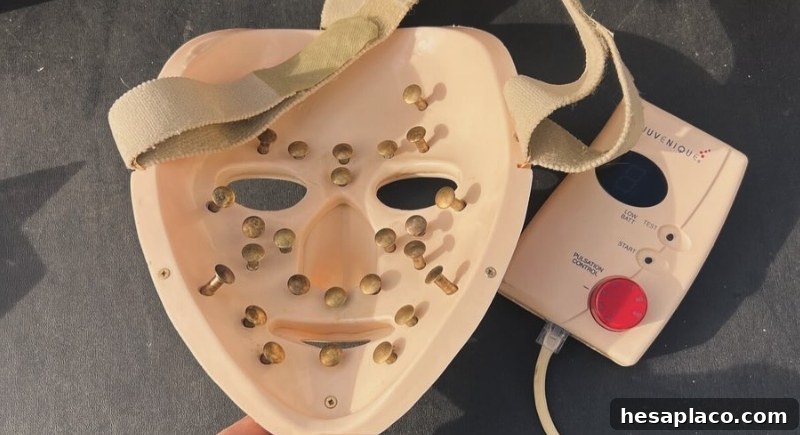
The Rejuvenique facial mask launched in 1999 promising to tone facial muscles with mild electrical stimulation. The device’s unusual design—glowing and mask-like—evoked eerie imagery and made potential buyers uneasy. User reports described an uncomfortable tingling sensation rather than rejuvenation, and the product’s off-putting advertising only added to its difficulty connecting with consumers.
Google Glass
Credit: Wikimedia Commons
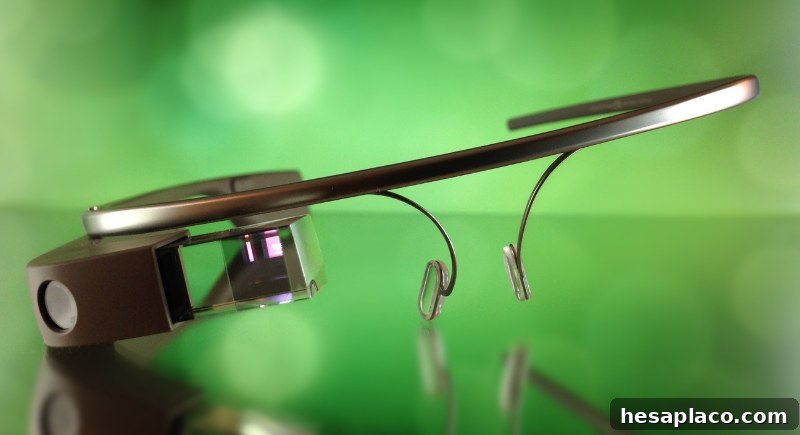
When Google Glass debuted in 2013, it promised futuristic wearable computing built into a sleek pair of glasses. However, privacy concerns about recording in public, limited practical applications, and a steep $1,500 price tag turned enthusiasm into criticism. The term “Glasshole” emerged to describe inconsiderate wearers. Google discontinued consumer sales in 2015 and later repositioned the technology for specific enterprise uses.
Crystal Pepsi
Credit: Instagram
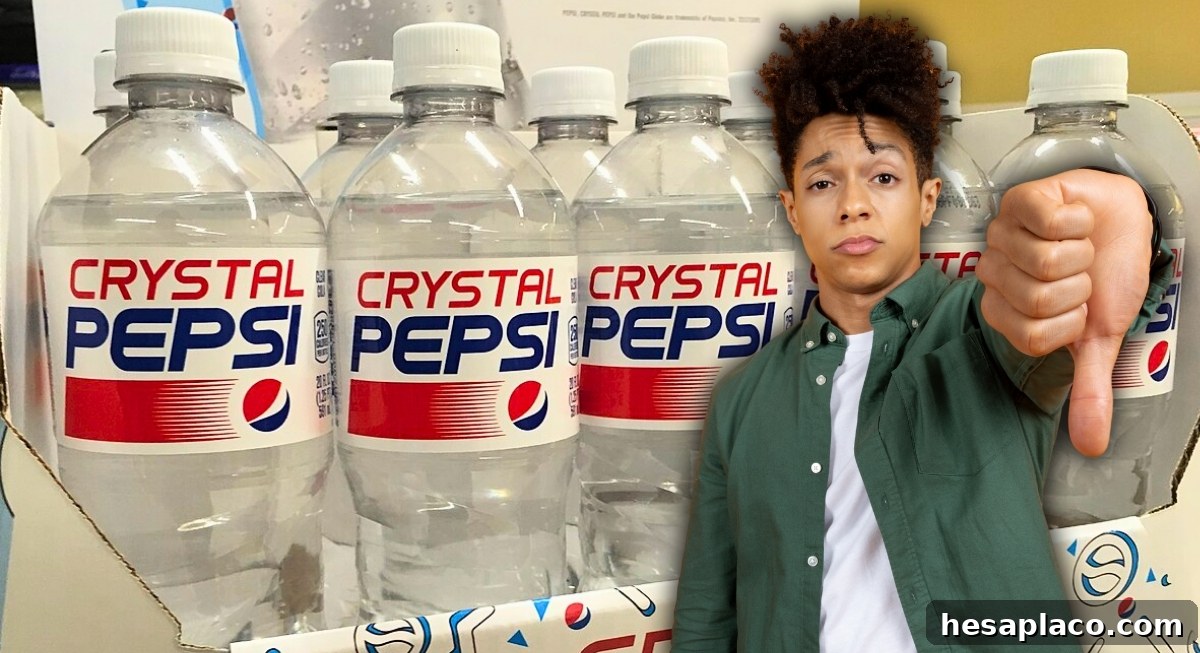
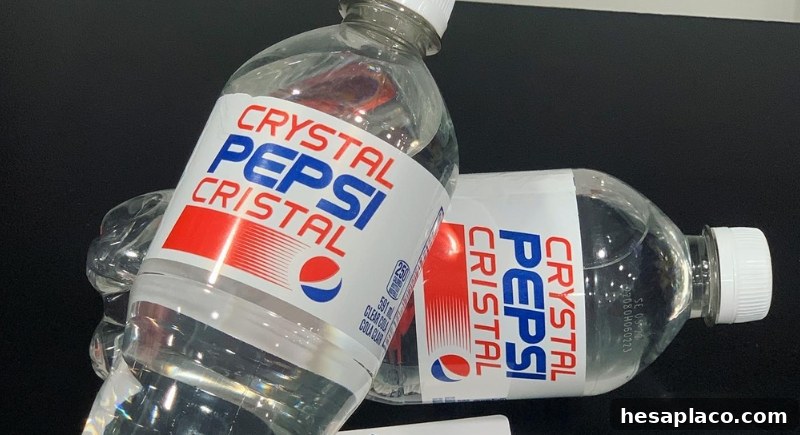
Introduced in 1992, Crystal Pepsi was a clear, caffeine-free cola intended to project purity and simplicity. The product fit a broader trend of clear or “pure” packaging but failed because the taste didn’t align with customers’ expectations of cola. Confusion over what the beverage was and inconsistent reception led to its swift decline, though Pepsi has occasionally revived it as a limited-time nostalgia item.
Trump Steaks
Credit: Instagram
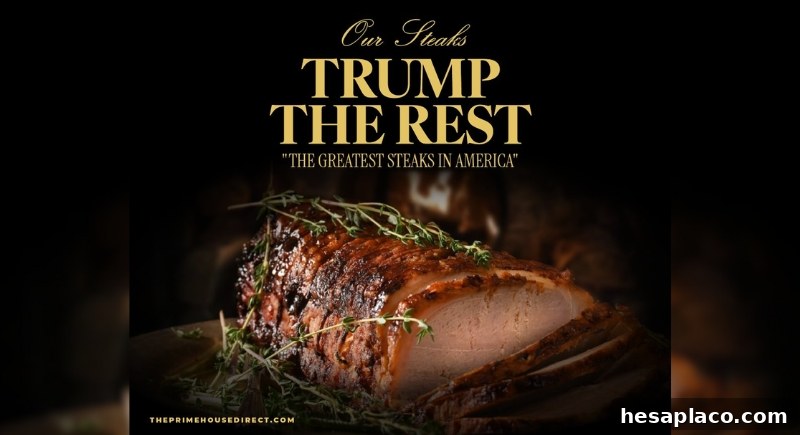
Marketed as premium steak cuts with aggressive branding and high prices, Trump Steaks launched as a specialty retail product but failed to resonate with consumers or retail partners. The steaks were pulled after roughly two months, and even the store partner that sold them suggested the product didn’t fit their typical offerings. The venture is one of several short-lived branded products that didn’t find sustainable demand.
These examples show how even established brands and well-funded startups can misjudge customer desires, messaging, or market fit. Whether through awkward brand extensions, overengineered solutions, or tone-deaf marketing, each failure highlights the importance of clear value, consumer testing, and alignment between product and brand identity.