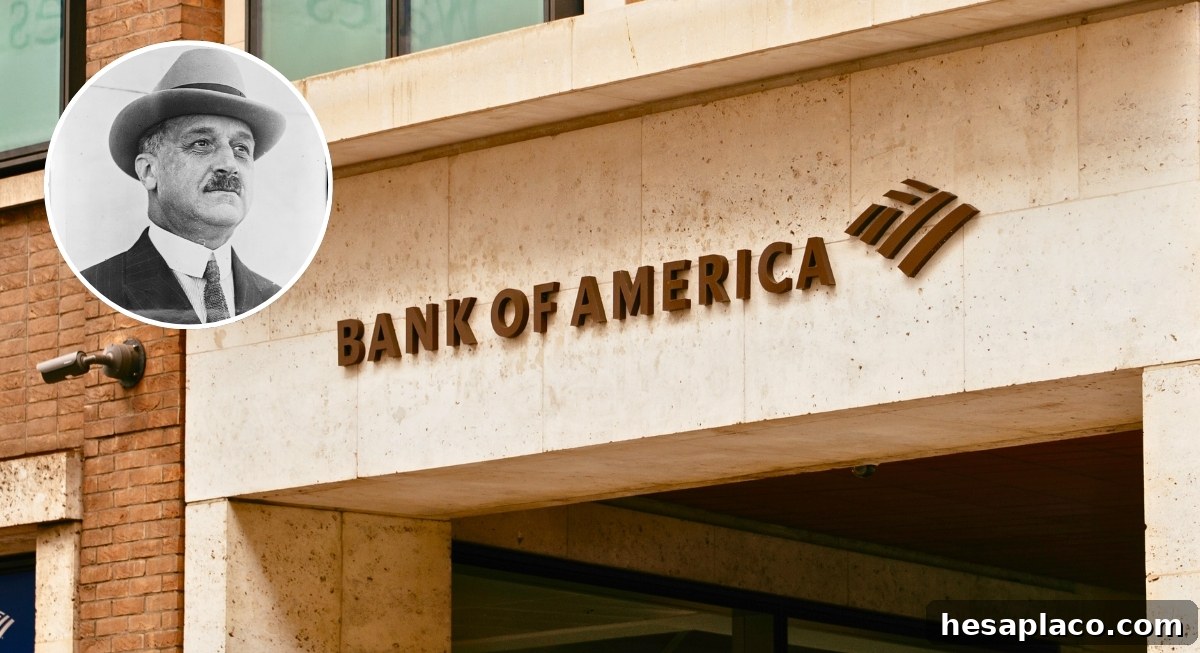
Amadeo Giannini grew up helping his immigrant family run produce stands and quickly noticed how traditional banks shut out everyday people. He built a different kind of bank—one that welcomed farmers, laborers, small-business owners, and newcomers who were ignored by the established financial institutions.
Giannini trusted people, met customers where they were, and kept his doors open when others closed theirs. What began as a few small savings accounts expanded into the largest private bank in the world. His legacy is less about personal wealth and more about expanding access to credit and opportunity.
Started a Bank No One Asked For

Credit: pexels
At 14, Giannini left formal schooling to manage his stepfather’s produce business. He spent his days alongside dockworkers and field hands—people who kept the city running but who were routinely denied access to loans and basic banking services. In 1904 he opened the Bank of Italy, deliberately designed to serve customers other banks refused to see.
Moved His Money Before the Fire Did

Credit: Wikimedia Commons
After the 1906 earthquake devastated San Francisco, many banks waited for the fires to die down and later found vaults scorched and inaccessible. Giannini acted immediately: he loaded cash onto a wagon, concealed it with produce, and moved it to safety before the fire reached his branch. That decisiveness preserved funds for customers and kept banking services available when they were most needed.
Opened for Business on a Plank and Barrels

Credit: pexels
With downtown still smoldering, Giannini returned to serve people immediately rather than waiting for a rebuilt office. He set up a temporary counter using two barrels and a plank and began handling deposits and small loans on the street. The paperwork was simple and often informal, relying on personal judgment and character. Those small loans helped families and small businesses begin to rebuild.
Tuned Out the Laughter from Downtown

Credit: Getty Images
Many established bankers dismissed Giannini as a risky outsider who lent to unreliable clients. They mocked the grocer’s son lending to immigrants while they focused on wealthier customers. Yet Giannini’s customers kept coming, depositing funds and borrowing reasonably sized loans. As deposits grew and the branch network expanded, larger banks had to take notice.
Refused to Fold Under Political Pressure

Credit: Canva
As the Bank of Italy grew, competitors tried to restrict its expansion through legislation and regulatory pressure designed to limit branch banking. Giannini fought back by attending hearings, rallying public support among his customers, and continuing to expand his network. By 1927 he had built one of the most extensive branch systems in the nation.
Rebranded for a Bigger Stage
Credit: Wikimedia Commons
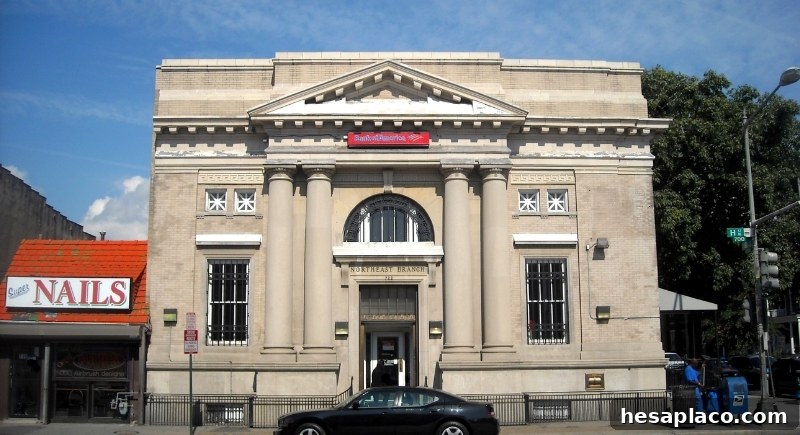
In 1928 Giannini merged with a Los Angeles bank and adopted the name Bank of America, reflecting his ambition to build a national institution for everyday customers rather than just corporate clients. The new name signaled a larger vision: a bank with scale that still aimed to serve ordinary people across regions.
Watched Wall Street Burn, Then Kept Lending

Credit: Wikimedia Commons
Unlike many banks caught up in the speculative stock market boom of the 1920s, Giannini focused on lending to farms, small businesses, and local entrepreneurs. When the 1929 crash struck, his customers remained—small businesses still needed credit to operate and rebuild. Because his bank had not overexposed itself to speculation, it weathered the crisis better than many competitors.
Got Pushed Out, Then Pushed Back In

Credit: Getty Images
During the 1930s, members of the bank’s board questioned Giannini’s methods and eased him aside, calling him old-fashioned. He didn’t disappear quietly—he fought to regain influence, eventually steering the bank back into leadership and directing it toward major projects that other banks were unwilling to finance.
Bankrolled a Bridge and a Cartoon Studio

Credit: pexels
Giannini took calculated risks on projects others considered too uncertain. He helped finance the Golden Gate Bridge at a time when many called the project financially reckless, and he extended credit to Walt Disney to complete Snow White when studios hesitated. Both investments created jobs, cultural impact, and lasting evidence of Giannini’s judgment.
Kept the Bank Human Until the End

Credit: Elena Photo
By 1949 Bank of America had become the world’s largest private bank. Giannini never indulged in extravagant living; he kept a modest home and continued to come to work into his seventies. He worried the bank might lose sight of its founding purpose, so he remained involved long enough to remind it whom it was built to serve.