
2025 was a year of rising prices and tightened budgets, but people adapted with creativity to keep little pleasures—like an occasional coffee—alive. Consumers shifted habits, became more strategic with purchases, and embraced new tools and behaviors that reflected economic pressure. Below are ten key trends that shaped how people spent, saved, and still allowed themselves affordable treats throughout the year.
Dupe Culture Became Strategic

Credit: Youtube
Using lookalikes in place of high-end products is not new, but in 2025 it became a calibrated consumer strategy. Shoppers learned to evaluate materials, construction, and longevity, comparing products side-by-side and sharing findings online. Beauty, fashion, and home brands faced increasing competition from well-made, lower-cost alternatives that offered similar performance without premium branding or packaging. The result was a more discerning shopper base that prioritized value and smart comparisons over labels.
AI Evolved into a Shopping Assistant

Credit: pexels
Generative AI moved from curiosity to practical everyday help. By late 2025, a significant portion of consumers reported using AI tools to plan budgets, identify deals, and compare prices. During major sales events like Black Friday, many shoppers relied on AI to find coupon codes and optimize spending. AI became a research companion, helping people shop smarter and stretch limited funds further.
“Treat Math” Became the New Splurge Logic
Credit: Wikimedia Commons
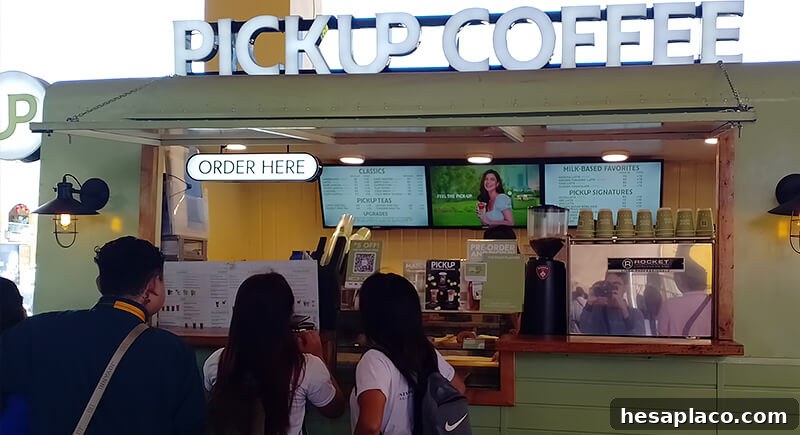
Large splurges became rarer, replaced by small, frequent treats that felt affordable and emotionally rewarding. Rather than saving for an expensive getaway or designer item, many chose modest comforts: a few coffees per week, a new candle, or a mid-range skincare item. This “treat math” approach balanced restraint with small moments of joy, giving people a sense of control when bigger purchases seemed out of reach.
Clothing Purchases Declined

Credit: Canva
Apparel was often the first area consumers trimmed. Over half reported cutting back on new clothing purchases in 2025, making fashion among the top non-essential categories to reduce. Fast fashion did not disappear, but resale platforms, wardrobe challenges, and campaigns encouraging people to “shop your closet” gained traction. Many embraced repairing, restyling, and swapping clothing as cost-effective and sustainable options.
Buy Now, Pay Later Revealed Limits

Credit: Przemek Klos
BNPL services remained popular for spreading costs, but consumers began to feel strain. Late payments rose noticeably, and many who used BNPL for routine purchases found themselves juggling multiple repayment plans. What initially seemed like harmless flexibility started causing budgeting headaches, highlighting the need for clearer tracking and more disciplined use of installment services.
Shrinkflation Became Widely Noticeable

Credit: News Group Newspapers Ltd
Consumers saw smaller portions and packs across groceries and household goods. From candy bars and cereal to cleaning products and beverages, many noticed reduced product sizes while prices stayed the same or increased. Awareness of shrinkflation grew, prompting more shoppers to compare unit prices and reconsider brand loyalty when perceived value declined.
Cafés Remained an Affordable Comfort

Credit: NanoNano
Cafés continued to offer a modest, mood-boosting luxury. Many people chose a daily or weekly coffee run as an affordable indulgence; cafés remained busy and served as social and mental breaks from financial stress. The category’s resilience underscored how small, repeatable comforts can become essential parts of people’s routines.
Side Hustles Shifted Toward Quality Over Quantity

Credit: Canva
While extra income remained important, people became choosier about side work. Rather than stacking many low-paying gigs, workers sought hustles that fit their schedules, reduced burnout risk, and offered skill development. Short-term seasonal roles and flexible, low-commitment opportunities rose in popularity as people balanced income needs with wellbeing.
Underconsumption Turned into a Conscious Choice

Credit: Getty Images
Spending less was often framed as intentional rather than purely restrictive. Online communities celebrated decluttering, thoughtful purchases, and “shop your stash” challenges. The trend was less about austere minimalism and more about resisting pressured consumption—seeking repair options, swaps, and secondhand items as practical and ethical alternatives to constant new buying.
Scam Awareness Became Routine

Credit: Getty Images
With increasingly sophisticated fraud techniques and AI-driven scams, basic security habits became commonplace. Many consumers adopted practices like freezing credit, verifying links before clicking, and using password managers. Awareness and proactive measures rose, reflecting a new cultural norm of treating digital safety as part of everyday financial hygiene.
Overall, 2025 showed how consumers can adapt quickly when costs rise. Small pleasures, smarter shopping, and thoughtful work choices helped people manage budgets while maintaining well-being. The year highlighted resilience: people found ways to reduce spending without sacrificing the moments that matter most.