
Living on minimum wage in the United States often feels like running uphill while carrying a backpack full of bills. In many cities, wages struggle to keep pace with rent, groceries, transportation, and other basic costs. Even where local minimum wages have risen, full-time workers still find themselves budgeting tightly and making difficult trade-offs. Below is a look at cities where earning a minimum wage still leaves workers stretched thin.
Ann Arbor, Michigan
Credit: Canva
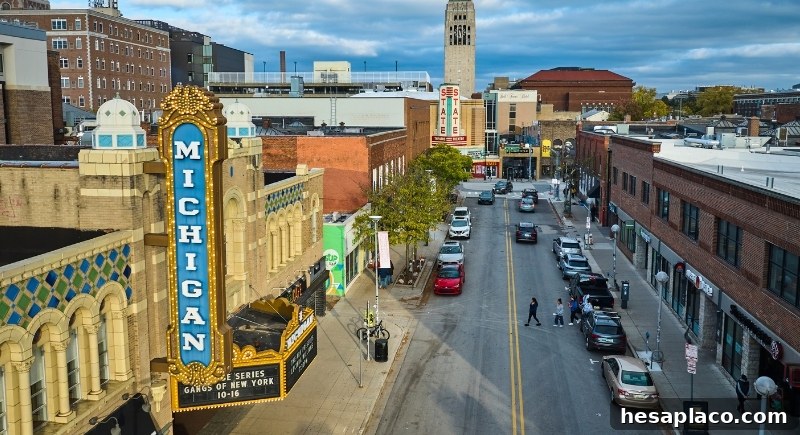
As the home of a major university, Ann Arbor draws academics, researchers, students, and tech workers, which raises local demand for housing and services. The Michigan state minimum wage of $10.56 falls short when compared to average rents and everyday living costs. Many entry-level service workers and retail employees find themselves sharing housing with several roommates or living far from downtown to afford rent.
Cambridge, Massachusetts
Credit: Getty Images
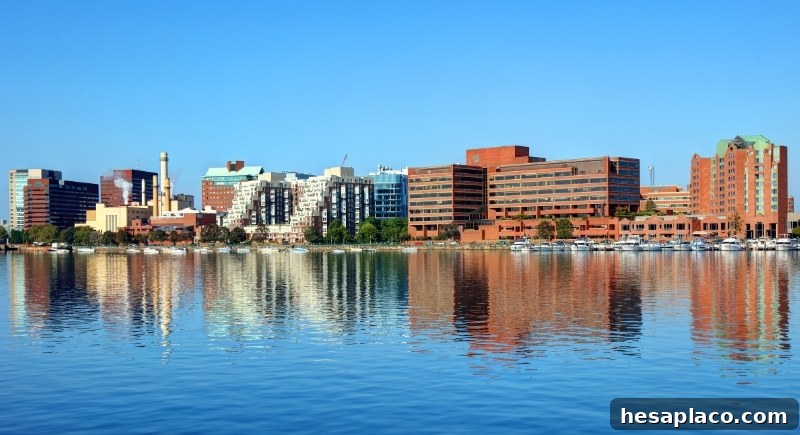
Cambridge’s economy is shaped by universities, research institutions, and a booming biotech sector. Those high-paying jobs raise the local cost of goods and services, meaning minimum wage workers—earning roughly $15 per hour in many local jobs—face higher prices for housing, dining, and transportation. Restaurants and services often reflect the spending power of students, faculty, and professionals, making it harder for lower-paid employees to keep up.
Irvine, California
Credit: Getty Images
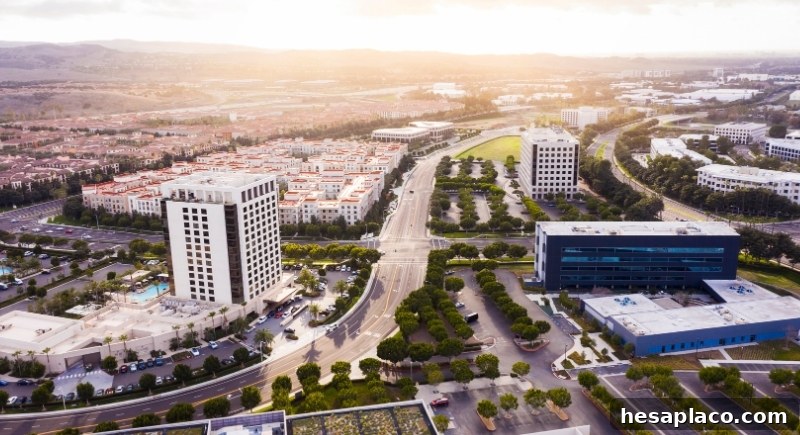
Irvine’s planned neighborhoods, top-rated schools, and concentration of tech and professional jobs attract higher-income households, pushing up housing and everyday expenses. Although the city’s minimum wage is higher than many places—around $16.00 in recent years—it often fails to cover rising rent, food, and transit costs. Workers in retail, restaurants, and other entry-level roles commonly face a gap between their wages and the cost of living in the area.
Boston, Massachusetts
Credit: Getty Images
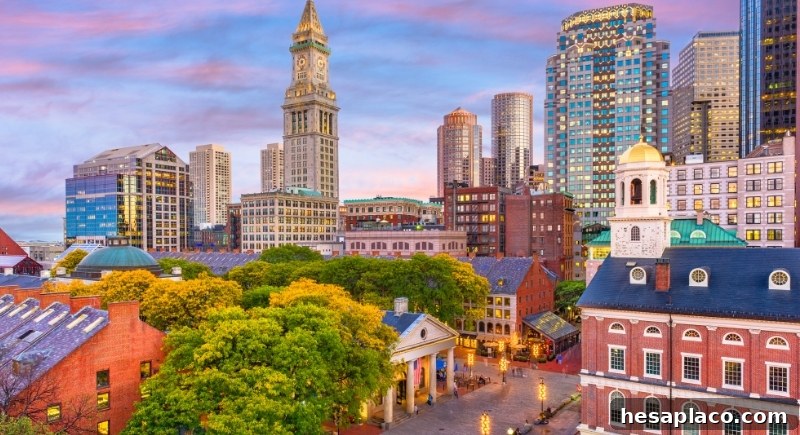
Boston’s economy is driven by hospitals, universities, tourism, and a diverse professional services sector. While these industries create many hourly jobs, a minimum wage around $15 per hour often doesn’t match the city’s housing market or daily expenses. Lower-wage workers frequently cope by taking on longer commutes, living in shared housing, or sacrificing other necessities to cover rent and transportation.
Thousand Oaks, California

Credit: Getty Images
Thousand Oaks reflects the spending patterns of an affluent region, and a local minimum wage of approximately $16.50 is often insufficient for everyday living costs. Groceries, transportation, childcare, and other basic expenses add up quickly. Many lower-wage employees travel outside the city for work, which increases fuel and commute time costs and reduces net take-home pay.
Carlsbad, California

Credit: Getty Images
Carlsbad benefits from a strong tourism industry and a desirable coastal location, but many jobs in hospitality and retail are lower-paying. Even with a local minimum wage near $16.50, the economy often caters to visitors and higher-income residents, raising prices for housing and services. As a result, hourly workers commonly rely on shared housing arrangements or commute from more affordable neighboring communities.
San Francisco, California

Credit: Getty Images
San Francisco remains one of the nation’s most expensive cities, driven largely by the tech sector’s high wages and investment. Despite a citywide minimum wage above $18, many workers in food service, hospitality, and retail find it difficult to cover rent, transportation, and other essentials. The gap between high-earning tech professionals and lower-wage workers contributes to housing pressure and long commutes from more affordable parts of the Bay Area.
Fontana, California
Credit: Getty Images
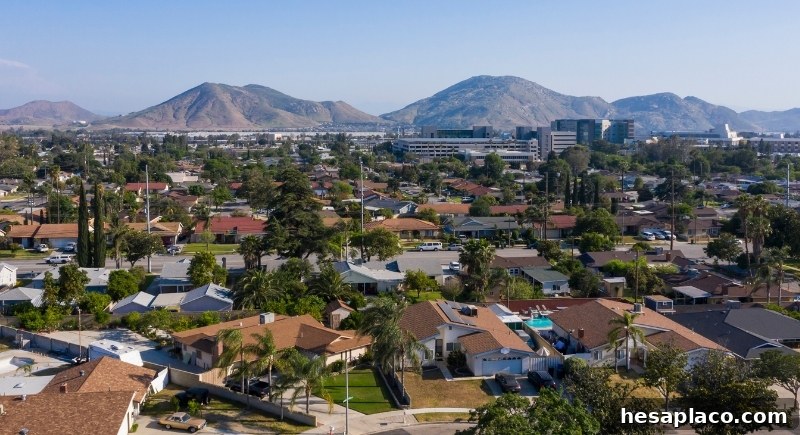
Located in the rapidly growing Inland Empire, Fontana has seen rising living costs as the region expands. A minimum wage around $16.50 often falls short of covering housing and commuting expenses. Many residents travel to other parts of the region for better-paying jobs, and those longer commutes increase transportation costs and reduce time available for family or additional work.
New York City, New York

Credit: Getty Images
New York City relies on its large hourly workforce to support restaurants, transit, retail, and services, but a minimum wage around $15.50 often does not align with the high costs of housing and daily life. Workers earning minimum wage frequently take on long commutes, share small apartments, or rely on multiple jobs to make ends meet. The city’s high demand for housing and services forces many lower-wage residents to prioritize necessities over savings or long-term stability.
San Mateo, California
Credit: Getty Images
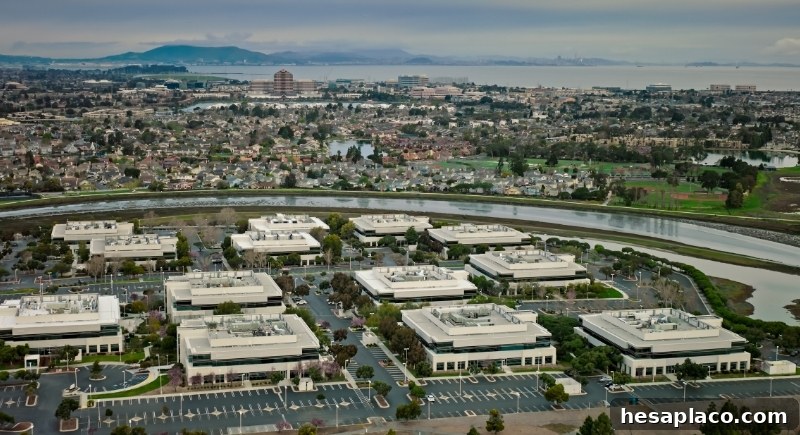
San Mateo sits amid a high-income corridor shaped by tech and biotech employers. While its local minimum wage—nearly $18 in some years—looks competitive on paper, housing and day-to-day expenses often outpace that pay level. Small purchases and services generally reflect the region’s higher spending norms, and lower-wage workers are typically the first to feel the pressure as costs rise.
Across these cities, the common thread is that local economies—driven by universities, tech companies, tourism, or medical institutions—raise demand for housing and services, which in turn increases living costs. Even when minimum wage levels rise, they can lag behind local price trends, leaving many hourly workers to juggle multiple strategies to make ends meet: sharing housing, commuting farther for cheaper rent, taking additional shifts, or cutting back on essential expenses. Addressing this challenge often requires a combination of wage policy, affordable housing development, and targeted support for lower-income workers.