
New wealth often arrives with celebration—and sometimes with a desire to prove itself. It can change where you live, how you travel, and how others treat you. Yet it doesn’t always alter perceptions among families who have held wealth for generations.
Old-money households follow long-standing, unspoken codes. For them, wealth is meant to be steady, discreet, and rooted in continuity rather than display. When newly affluent people flaunt wealth, it’s noticeable. Below are common behaviors that tend to raise eyebrows in traditional circles, even when the bank balance speaks for itself.
Wearing Labels as Proof of Value

Credit: pixelshot
When clothing becomes a walking advertisement for brands, it shifts from personal style to a public declaration of wealth. Those from established families value fit, quality, and discretion over logos splashed across visible areas. Designer labels are acceptable, but often hidden—inside tags or subtle stitching—rather than shouted from the exterior.
Overspending on Flashy Jewelry

Credit: pexels
Huge diamonds, oversized watches, or endless layers of bling can look ostentatious. Long-standing families often prize jewelry with history and meaning—heirloom signet rings, antique brooches, or pieces tied to family stories—over items bought purely for display or status.
Turning Your Car Into a Trophy

Credit: pexels
Owning a rare sports car isn’t itself a problem; it’s the attention-seeking behavior around it that can be frowned upon. Revving an engine or parking ostentatiously at a restaurant reads as performative. Traditional households tend to use vehicles for practicality and longevity—well-maintained classics or dependable models that blend into everyday life.
Treating Pets Like Designer Accessories

Credit: pexels
Small dogs with sunglasses, custom outfits, or pets groomed primarily for social media can convey image over genuine affection. In many traditional families, animals are regarded as part of the household—valued for companionship and treated with care and manners rather than as status symbols or marketing tools.
Parties Built for Photos, Not People

Credit: Getty Images
Celebrations that resemble staged productions—elaborate props, celebrity performers, or spectacles designed primarily for a highlight reel—can feel insincere. Old-money gatherings tend to be smaller, relaxed affairs focused on genuine conversation, familiar food, and comfortable company rather than a viral moment.
Forcing Foreign Luxury Into Everyday Spaces

Credit: Canva
Replicating an exotic aesthetic—like transforming a backyard into a faux Amalfi Coast—can look incongruous if it doesn’t fit the home’s setting or climate. Traditional estates usually evolve organically, shaped by local materials, climate, and family history rather than imported trends or Pinterest-driven concepts.
Using Food to Prove Sophistication

Credit: pexels
Ordering exotic or hard-to-pronounce dishes and photographing every course can read as an attempt to prove culinary sophistication. In more traditional circles, simple, well-made food—roast chicken, seasonal vegetables, a classic dessert—often represents true comfort and refinement without the need for theatrical presentation.
Tipping or Gifting for Attention

Credit: Canva
Generosity is valued, but public, performative displays of giving—flourishing cash tips, loudly announcing donations, or sharing receipts—can feel self-serving. Families raised with wealth typically practice discreet philanthropy and sustained support for causes they care about, without expecting public recognition.
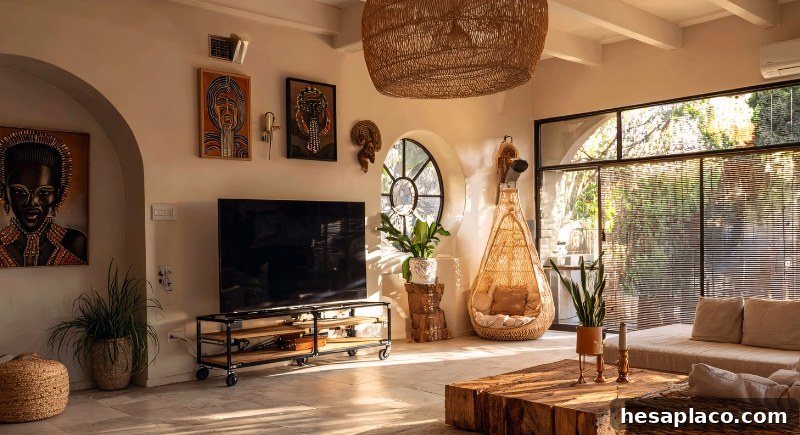
Stuffing Homes With Designer “Touches”
Credit: Canva
Filling rooms with visible brand paraphernalia—logo blankets, designer candles, and skincare displayed like merchandising—can make a home feel staged. Traditional interiors often favor lived-in warmth: books with worn spines, inherited furniture, and objects with personal stories rather than items arranged strictly for impression.
Dropping Names as a Shortcut to Status

Credit: Getty Images
Casually mentioning conversations with prominent people or name-dropping high-profile contacts is often viewed as gauche. Those from established networks tend to keep connections private; the existence of relationships is usually revealed through actions, not boasts.
Turning Every Moment Into Content

Credit: Canva
Constantly staging life for social media—documenting every meal, walk, or purchase—can make experiences feel contrived. While many affluent families use technology, those with long-standing wealth often value privacy and presence: they experience moments without the pressure of an audience or the need for curated visibility.
Ultimately, old-money culture tends to prize discretion, longevity, and personal meaning over immediate, visible displays of wealth. Building a legacy usually looks less like a series of announcements and more like steady, thoughtful choices that stand the test of time.