
Most people rarely consider how inexpensive everyday items can become prohibitively costly behind bars. In prisons, where access is limited and choices constrained, value is determined by need and scarcity rather than ordinary price tags. Products that cost a few dollars outside can suddenly command hundreds of pounds or dollars inside, exposing how informal economies develop in environments with tight controls.
These sharp price increases illustrate how prison markets operate: demand is high, supply is restricted, and intermediaries or vendors—formal and informal—set prices that often bear little relation to retail costs. Small comforts and necessities therefore take on outsized importance.
Mobile Phones Fetching Sky-High Prices

Credit: iStockphoto
Small, inexpensive mobile phones that sell for around £15 on the outside have been reported to change hands for as much as £1,000 in prison settings. Compact models such as the GTstar Mini BM50 are preferred because they’re easier to conceal and harder for authorities to detect. Despite high penalties for possession, inmates often accept the risk because phones provide unsupervised access to communication, information and social networks.
Tablets and Email at Premium Rates

Credit: iStockphoto
Prison-issued tablets that offer limited features—messaging, media playback and approved content—can cost around $140. Ancillary services are often charged per use: a single email might cost about $0.30, a 48-hour movie rental roughly $7.99, and monthly access to music streaming as much as $25 in some facilities. Because contracted vendors control these services, prices are frequently high with little competitive pressure to lower them.
Tobacco Marked Up Dramatically

Credit: Getty Images
Even where smoking is officially banned, tobacco finds its way into prisons and becomes a valuable commodity. A pouch that costs about £10 outside has reportedly sold for as much as £200 inside, and single cigarettes have been traded for prices as high as £20. Tobacco also functions as an informal currency: loans or debts denominated in tobacco often come with rapid interest or penalties that inflate repayment amounts.
Instant Noodles Sold for Many Times Their Retail Price

Credit: Getty Images
Basic staples such as instant ramen become staples of prison trade. In some U.S. facilities, a case of ramen that costs only a few dollars outside can sell for $17 or more inside. Inmates use noodles to supplement institutional meals, as a way to cope when canteen privileges are revoked, and as a common medium of exchange within the informal economy.
Care Packages and Vendor-Controlled Pricing

Credit: Getty Images
Families wanting to send essentials must often use prison-approved vendors, which can charge prices well above retail. Examples include radios and clothing sold at substantially higher rates depending on the facility. Added shipping and mandatory fees increase costs further, placing a financial burden on relatives who already shoulder other expenses related to incarceration.
Kettles: Cooking Tools That Can Be Dangerous
Credit: Getty Images
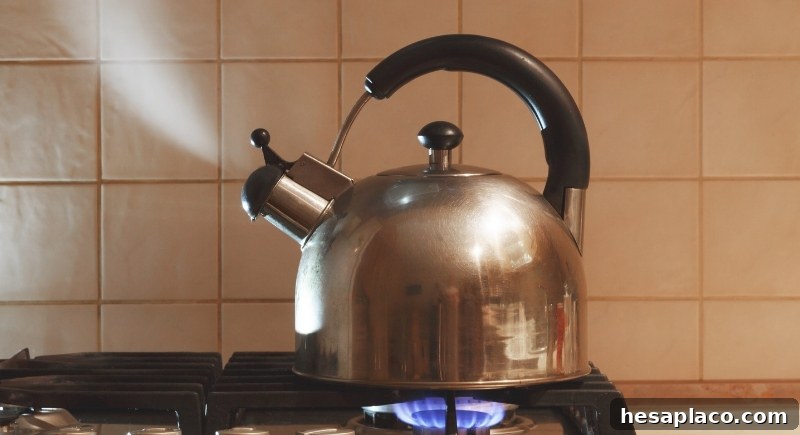
A simple kettle takes on multiple roles in many prisons: it’s a source of hot water, a way to cook eggs or noodles, and—unfortunately—a potential weapon or tool in violent incidents. Some institutions have removed kettles after incidents of misuse, while others tightly regulate or ration them. When permitted, kettles are commonly shared or traded for favors or other items.
Chewing Gum Used for Trade and Improvised Tools

Credit: Getty Images
Chewing gum is tightly controlled in some facilities because it can be hardened and used to mold or repair small items, including improvised keys. Scarcity raises its trade value dramatically; a single stick has reportedly sold for as much as £5 in certain prisons. Its value comes from both its scarcity and its potential use in bypassing security measures.
Phone Calls Often Cost More Than Expected

Credit: iStockphoto
Telephone access can be a financial strain on inmates and their families. In some jails, a 15-minute local call can exceed $20. Although national regulators have capped certain interstate rates, local calls often depend on facility-specific contracts, leaving prices high. High call costs force inmates to ration phone time and sometimes choose between communication and other basic needs.
Personal Clothing Is Scarce and Risky to Obtain
Credit: pexels
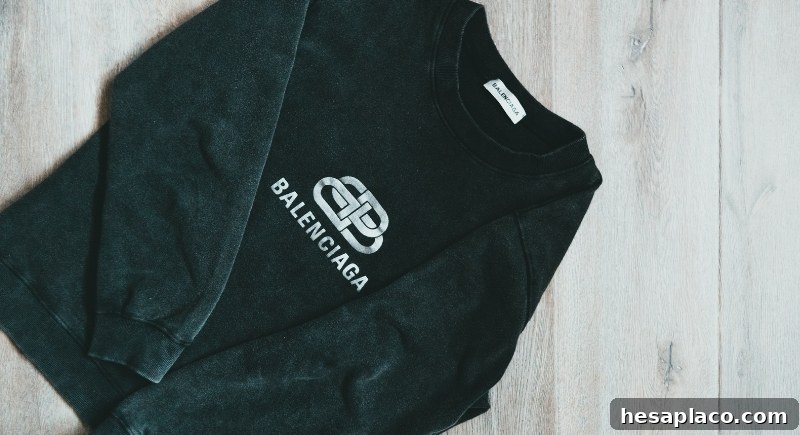
Personal clothing is often restricted and subject to administrative approval. Once approved, items can disappear during laundry or exchanges within communal areas. Reports describe designer garments worth hundreds going missing, which leads some inmates to offer bribes—food, credits or stamps—to ensure their clothing is returned.
Food Items and Religious Materials Priced Beyond Reach

Credit: Reddit
Even basic food items and religious texts can have steep markups. For example, a small box of cereal that costs less than $2 at retail was reportedly sold for nearly $5 in one facility. With prison wages as low as a few cents an hour in some systems, these inflated prices make simple comforts unaffordable for many inmates. The result is an economy where small luxuries and necessities carry outsized monetary and social value.
Overall, the prices paid inside prisons reveal how scarcity, restricted supply chains and restricted market competition reshape value. For inmates and their families, these inflated costs add financial and emotional strain, showing that incarceration affects not only liberty but also everyday survival and dignity.