
The job market in 2026 is shifting unevenly across the globe. Some cities are experiencing consistent hiring gains as technology, healthcare, biotech and clean-energy industries expand, while other areas remain slower to recover. The places listed below demonstrate clear momentum this year, with stronger demand for talent and growing long-term employment opportunities.
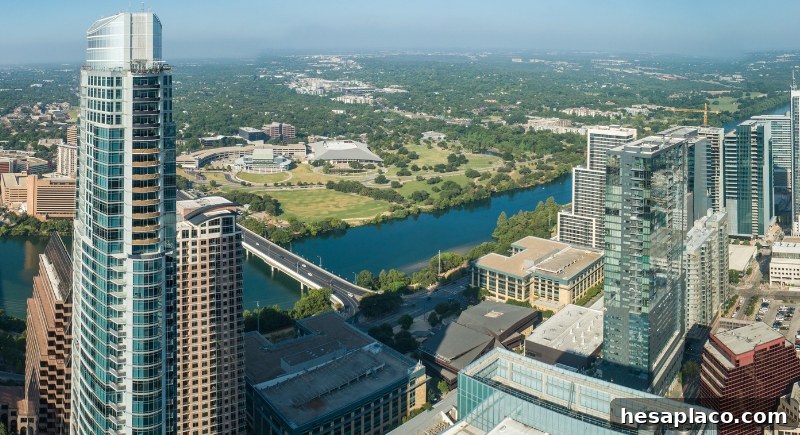
Austin, Texas
Credit: Getty Images
Austin is forecast to lead major U.S. markets in 2026 with about 1.6% job growth. While technology remains a core driver, healthcare, construction and professional services are adding positions as well. Strong in-migration, a thriving startup scene and continued corporate investment help sustain demand for engineers, healthcare professionals and construction trades.
Toronto, Canada

Credit: Getty Images
Toronto has emerged as a North American technology hub, driven by growth in artificial intelligence, software and data services. Canada’s skilled-immigration programs continue to attract overseas professionals, supporting expansion in tech, finance and healthcare. Compared with some U.S. coastal tech centers, Toronto can also offer comparatively lower living costs for many workers.
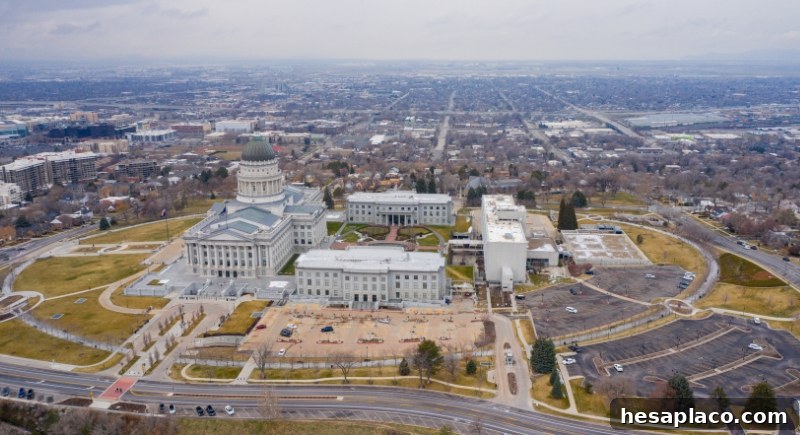
Salt Lake City, Utah
Credit: Getty Images
Salt Lake City is forecast to post roughly 1.1% job growth in 2026, outperforming many inland metros. The region benefits from a consistent supply of graduates from local universities and growing investment in biotech, software and professional services. That combination is expanding the white-collar workforce and creating new opportunities in research and development.
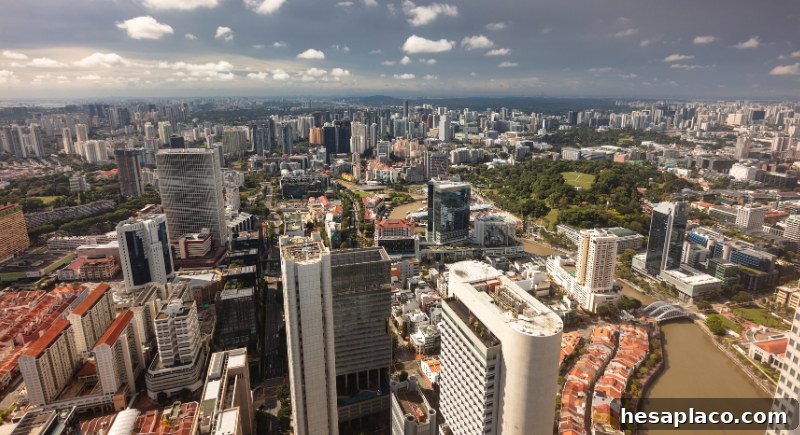
Singapore
Credit: Getty Images
Positioned on key Asian trade routes, Singapore continues to draw finance, technology and advanced logistics firms. A strong focus on fintech, cybersecurity and data services keeps multinational operations invested in the city-state. Stable regulations, extensive professional networks and policies that attract skilled talent maintain Singapore’s role as a regional employment center.
Vancouver, Canada

Credit: Getty Images
Vancouver’s labor market is seeing growth in healthcare, digital entertainment and green-energy sectors. Canada’s immigration framework, which prioritizes skilled workers, helps the city fill talent gaps. Increasing emphasis on sustainability and clean technologies is also creating new roles across public and private sectors.
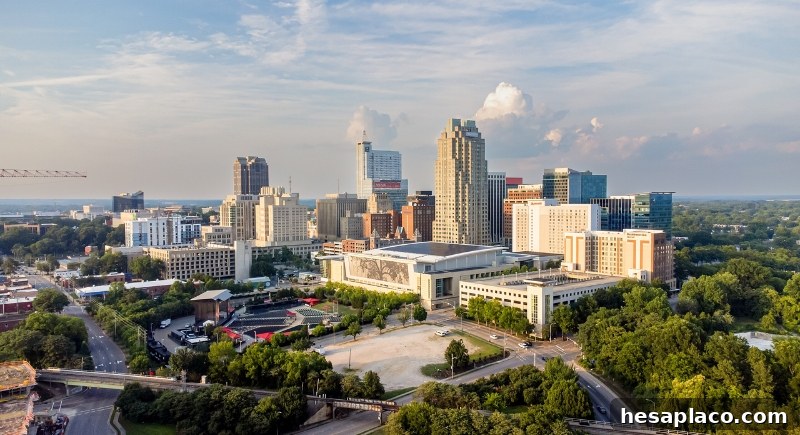
Raleigh/Durham, North Carolina
Credit: Wikimedia Commons
Raleigh-Durham is expected to grow about 1.1% in employment, maintaining its reputation as a tech and life-science cluster. Home to major research universities, the region benefits from a steady pipeline of talent. Pharmaceutical and biotech firms, along with a growing tech sector, continue to expand campuses and research operations in the area.
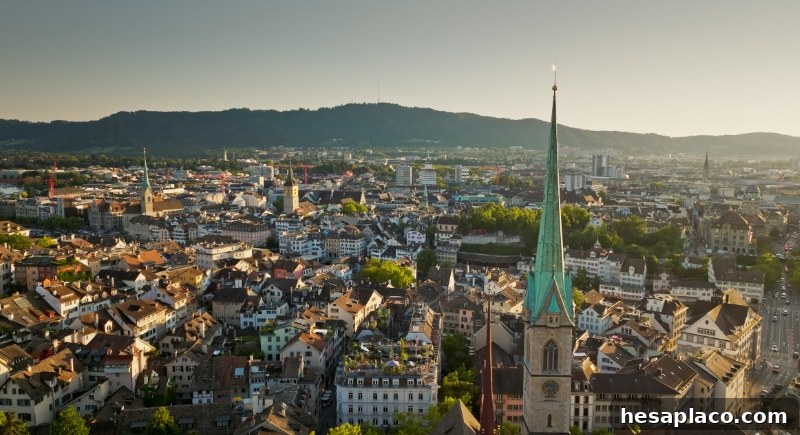
Zurich, Switzerland
Credit: Getty Images
Zurich’s economy continues to lean on financial services, but demand for biotech and engineering expertise is rising. Swiss labor regulations promote predictable schedules and strong worker protections, factors that appeal to many professionals. Specialists in pharmaceuticals, precision engineering and finance remain highly sought after across the metro area.
Dallas, Texas

Credit: Wikimedia Commons
Dallas is projected to see about 1.2% job growth, supported by expanding finance and healthcare sectors. Large employers across automotive, telecommunications and semiconductors maintain significant operations here. The city’s central location and major airport strengthen its role as a logistics and distribution hub, supporting jobs in transportation and supply chain management.
Madrid, Spain

Credit: pexels
Recent visa and labor reforms in Spain are helping Madrid attract skilled international workers, boosting hiring in technology and life sciences. Multinational firms with headquarters or regional offices in Madrid often operate in English, which makes certain roles accessible to global hires. Growth in startups and research centers adds to the city’s demand for engineers, researchers and digital professionals.
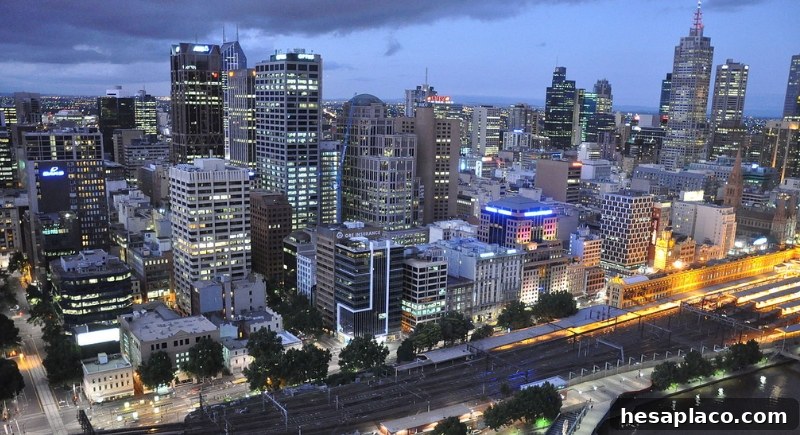
Melbourne, Australia
Credit: Wikimedia Commons
Melbourne’s job growth is supported by infrastructure projects, healthcare hiring and a rising creative tech sector. Ongoing transportation and construction initiatives in Victoria are generating demand for skilled trades and project managers, while universities supply a steady stream of graduates for healthcare, research and digital roles. As the population expands, healthcare and aged-care services remain a consistent source of new positions.
Collectively, these cities illustrate how diverse economic strengths — from tech and biotech to finance, logistics and clean energy — are shaping where job opportunities are expanding in 2026. For job seekers and employers alike, the evolving patterns highlight regions that combine talent supply, supportive policies and industry investment to create durable labor-market gains.