
Choosing where to buy a home becomes far easier when you focus on cities that demonstrate meaningful growth, steady demand, and consistent job creation. Many markets may seem attractive at first glance, but only a few combine rising property values with a strong local economy and long-term resilience.
When evaluating locations, look for clear signals in current data: growing workforces, active rental markets, stable population gains, and diverse employment sectors. Those factors help ensure a housing market that can weather downturns and deliver reliable appreciation over time.
Atlanta, Georgia

Credit: Wikimedia Commons
Atlanta is projected to add over a million workers by 2050, reinforcing its long-term appeal. Property prices remain lower than in many other major metros, while rental rates have climbed sharply—over 23% in a single year—creating opportunities for both homeowners and investors. The combination of room to expand, diverse industries, and improving wages supports continued housing demand.
Tampa, Florida
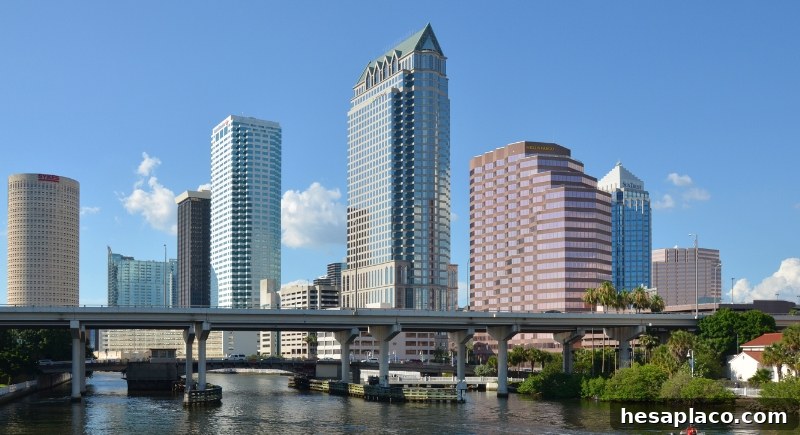
Credit: Wikimedia Commons
Tampa has drawn attention for rapid appreciation—estimates showed property values rising as much as 24% in one year. Limited developable land and tight inventory contribute to quick turnover and sustained price gains. The city’s appeal spans retirees, young professionals, and families, supporting a broad and resilient housing market.
Jacksonville, Florida
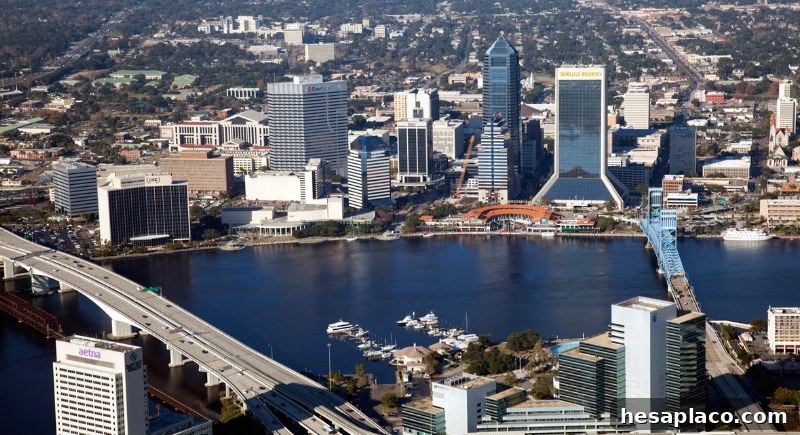
Credit: Wikimedia Commons
Jacksonville’s active port supports more than 130,000 jobs and provides a stable economic foundation for the region. That employment base helps keep the local housing market steady. While prices there have been rising faster than the national average, they often remain more attainable than in other coastal metros, making Jacksonville attractive for long-term buyers.
Austin, Texas
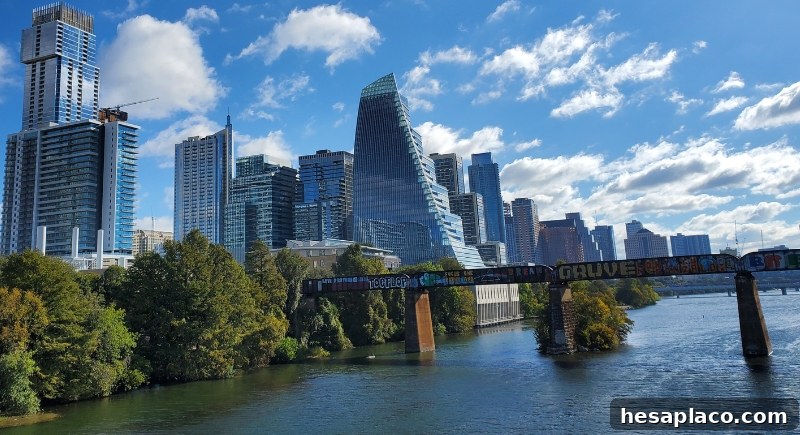
Credit: Wikimedia Commons
Austin has attracted major corporations in recent years—companies like Tesla, Apple, and Samsung have expanded operations there—bringing thousands of higher-paying jobs. The city’s population has surged (over 30% since 2010), and home values have climbed substantially (around a 90% rise since 2010). Strong tech and creative sectors, along with a growing talent pool, keep housing demand robust.
Raleigh, North Carolina
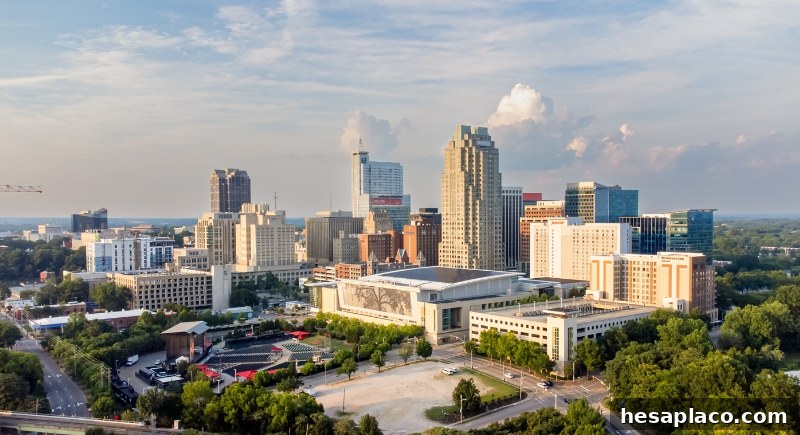
Credit: Wikimedia Commons
Raleigh offers a stable housing market with steady growth driven by education, research, and technology sectors. The presence of major universities fuels a consistent rental market, while well-distributed employment opportunities help avoid extreme price volatility. These traits make Raleigh attractive to buyers seeking reliable long-term appreciation.
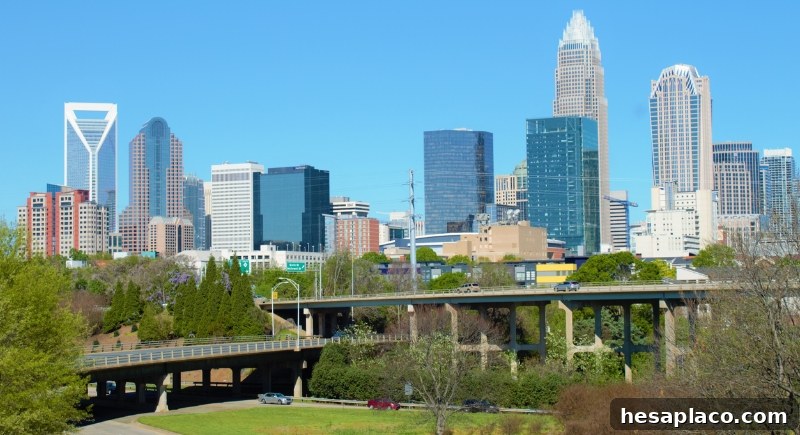
Charlotte, North Carolina
Credit: Wikimedia Commons
Charlotte added more than 75,000 jobs in a single year, with hiring spread across finance, real estate, logistics, and other sectors. That rapid employment growth drives demand for new housing and encourages ongoing development. Rental demand remains high—three-bedroom units often rent for around $1,900—supporting investors targeting multifamily properties.
Dallas, Texas

Credit: Wikimedia Commons
Part of one of the nation’s fastest-growing metros, Dallas continues to attract new residents and investors. The region ranks among the top in national population growth, with home prices increasing more than 30% in a year in recent periods and job growth exceeding 5%. Diverse industries—healthcare, energy, finance, and manufacturing—help make the local economy resilient.
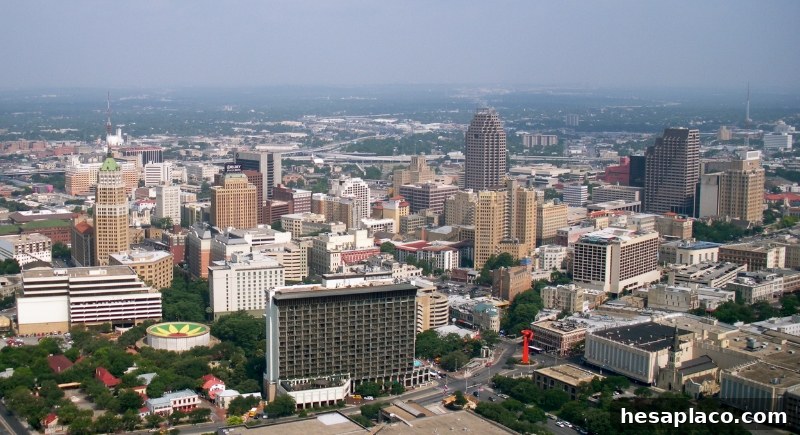
San Antonio, Texas
Credit: Wikimedia Commons
As Austin’s rapid expansion drove up prices, many buyers and renters looked to San Antonio for more affordable alternatives. That shift increased local demand and tightened supply, pushing values upward. A stable base of major employers and comparatively lower living costs make San Antonio an appealing option for those seeking long-term affordability and steady opportunity.
Denver, Colorado

Credit: Wikimedia Commons
Denver attracts a wide mix of residents—families, students, and retirees—creating broad-based housing demand. Median home values rose nearly 20% in a year, with rents following about a 15% increase. Although prices are high compared with some regions, analysts expect continued appreciation at a steadier, more sustainable pace supported by a diversified local economy.
Houston, Texas

Credit: Wikimedia Commons
Houston is expected to add more than a million residents in coming years. Home prices rose roughly 7% last year, while overall living costs remain lower than in many large U.S. cities. A broad economic base—energy, healthcare, aerospace, and transportation—supports steady job creation. The combination of population growth and industry diversity makes Houston attractive to buyers and investors seeking long-term stability.