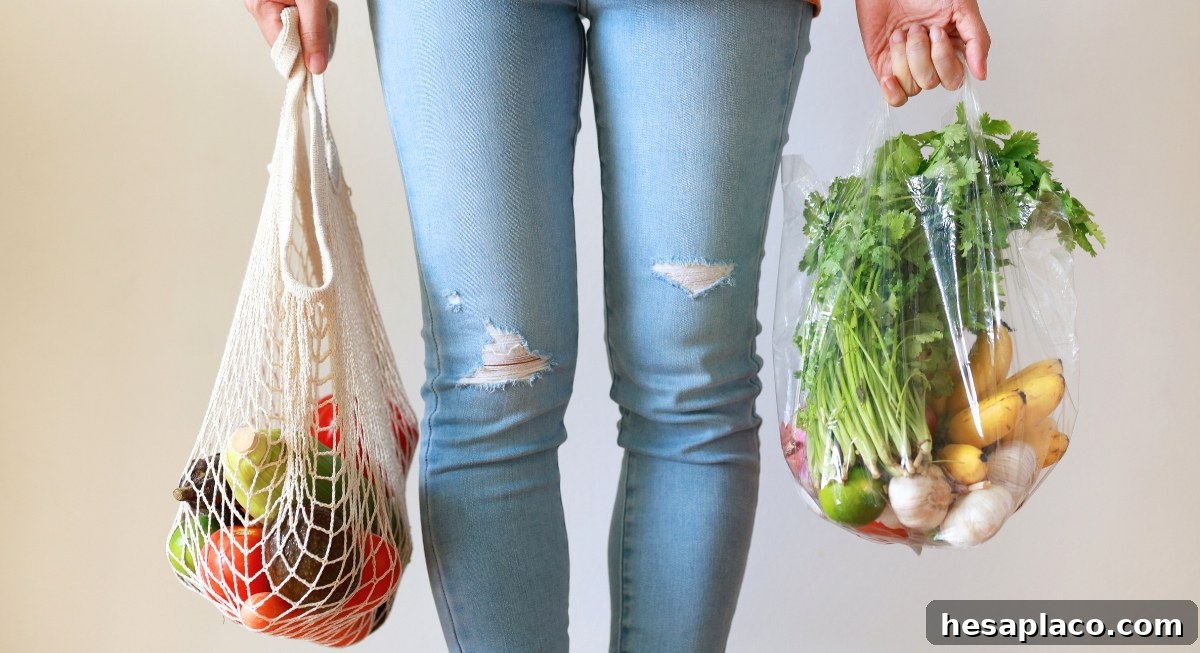
Cups, bags, wipes, and wrappers slip into your day without much thought—used once and forgotten. But those items don’t disappear; they simply move somewhere else. Choosing reusable alternatives doesn’t require reinventing your routine, only paying a bit more attention. Many swaps work the same way, last far longer, and save money over time. Below are 20 common single-use items and practical, durable replacements that reduce waste and simplify daily life.
Sandwich Bags
Credit: Reddit
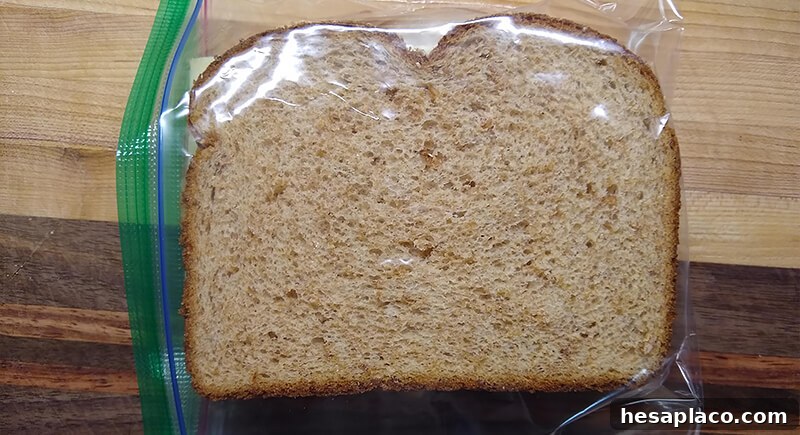
Thin single-use plastic baggies mostly end up in landfills and can take centuries to break down. Reusable silicone or PEVA snack bags are dishwasher-safe, durable, and available in multiple sizes and colors—making meal prep and snacks more organized and enjoyable while drastically cutting single-use plastic waste.
Paper Towels
Credit: Reddit
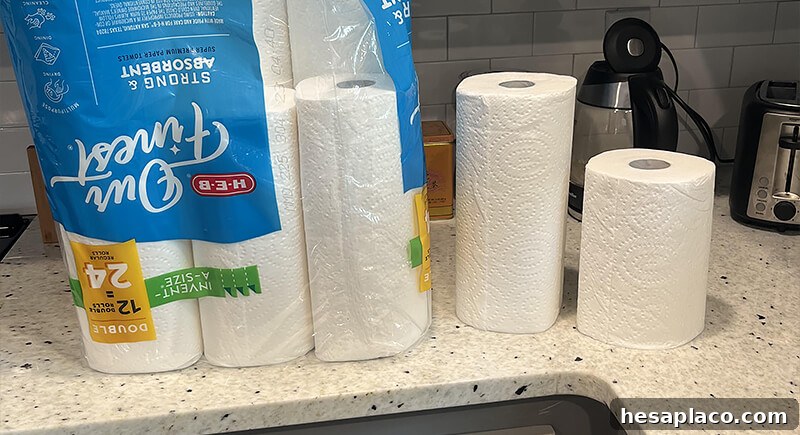
Paper towels are convenient but generate billions of pounds of waste each year. A washable Swedish dishcloth can replace the equivalent of many rolls—absorbent, quick-drying, and compostable at the end of its life. Switching to reusable cloths reduces waste and often performs better for everyday cleaning tasks.
Plastic Wrap
Credit: Reddit
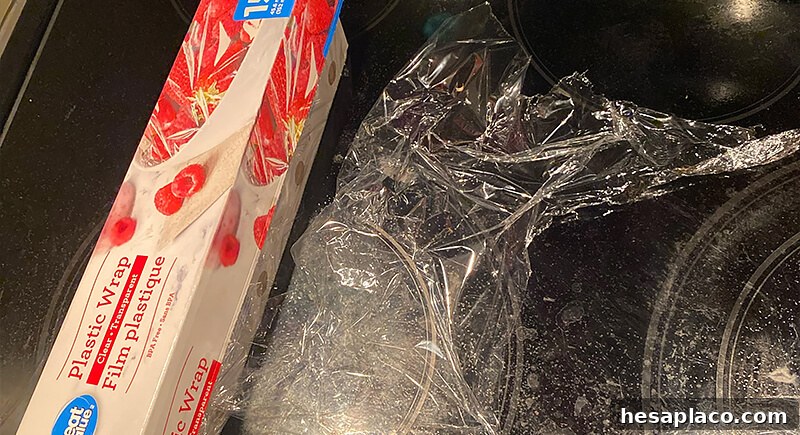
Plastic wrap is a hard habit to break because it’s quick and convenient, but it becomes trash after a single use and can linger in landfills for decades. Beeswax wraps or flexible silicone lids provide the same sealing function without the waste. Warm a beeswax wrap between your hands, press it over a bowl, rinse, and reuse.
Plastic Water Bottles
Credit: Reddit
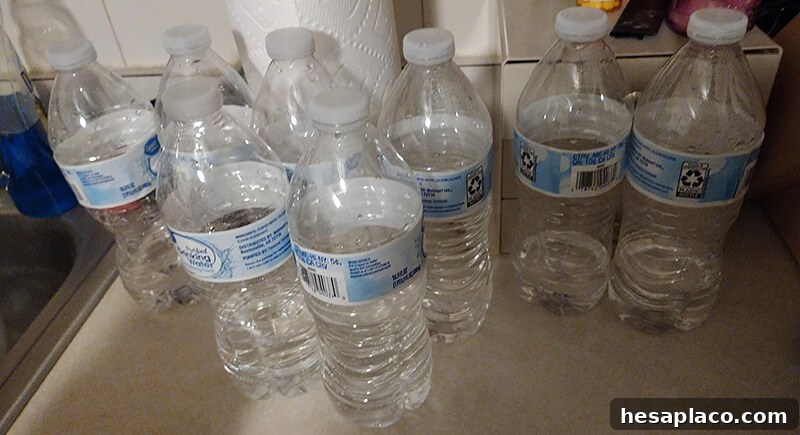
With billions of plastic bottles sold each year and many not recycled, a durable stainless steel or BPA-free bottle is a smart alternative. These bottles withstand drops, maintain temperature for hours, and eliminate the need for disposable plastic while often offering additional features like measurement markings or insulation.
Disposable Coffee Cups
Credit: pexels
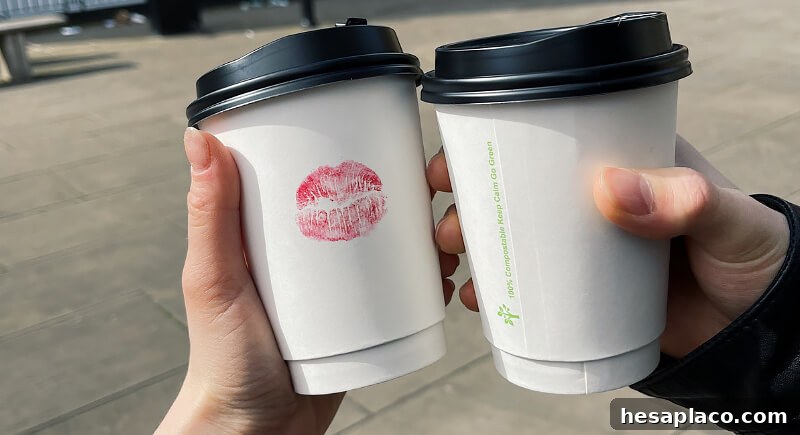
Many takeaway cups don’t make it to recycling because their plastic linings prevent proper processing. A reusable mug or insulated tumbler solves that problem: collapsible silicone cups are portable, while insulated tumblers keep beverages hot or cold for longer and cut down on single-use waste.
Plastic Cutlery
Credit: Reddit
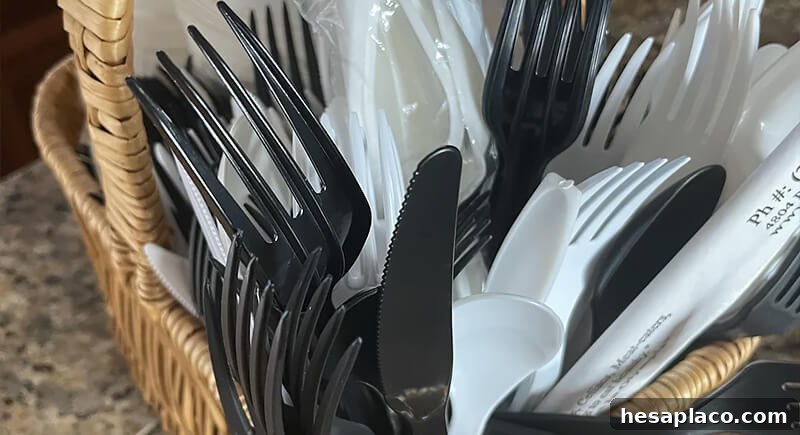
Disposable forks and spoons from takeout create a lot of short-lived plastic waste. A compact travel cutlery set—bamboo, stainless steel, or titanium—covers meals on the go. Many kits include chopsticks and reusable straws, offering a tidy alternative for picnics, road trips, or office lunches.
Grocery Bags
Credit: Reddit
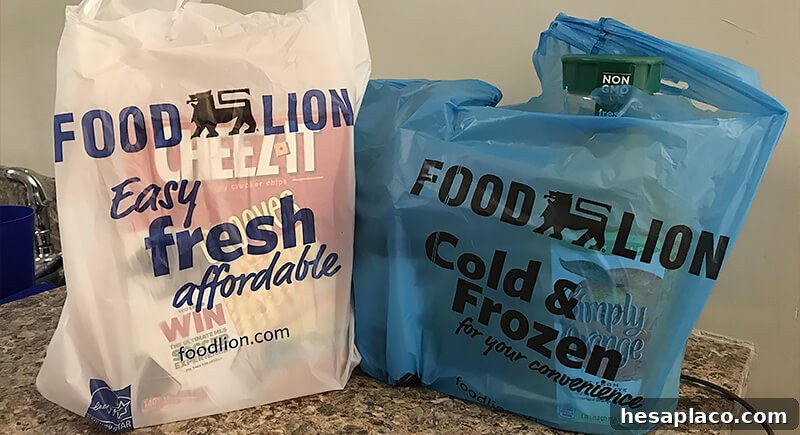
Though bans and fees exist in many places, thin plastic bags are still common. A sturdy cotton or polyester tote carries far more weight without tearing and often folds into a small pouch for easy storage. One reusable bag can replace hundreds of disposable bags per year.
Produce Bags
Credit: Canva
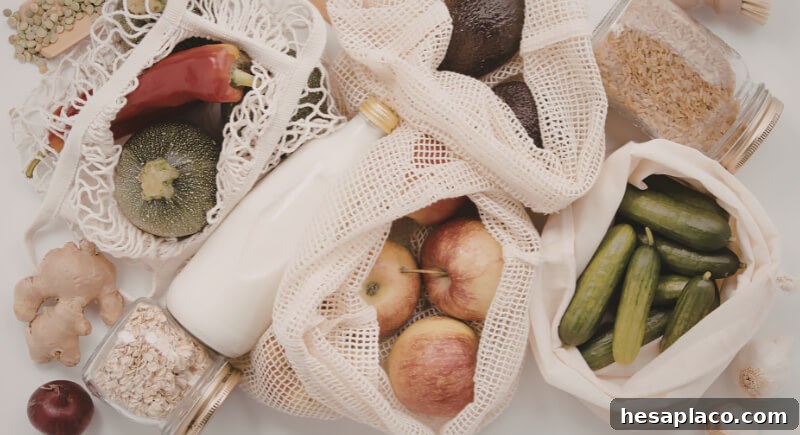
Thin plastic produce bags are used for minutes and discarded. Mesh produce bags are washable, more durable under weight, and let fruits and vegetables breathe. Many stores sell them in multi-packs, and they’re easy to keep in a tote for grocery trips.
Tea Bags
Credit: CnvStudio’s Images
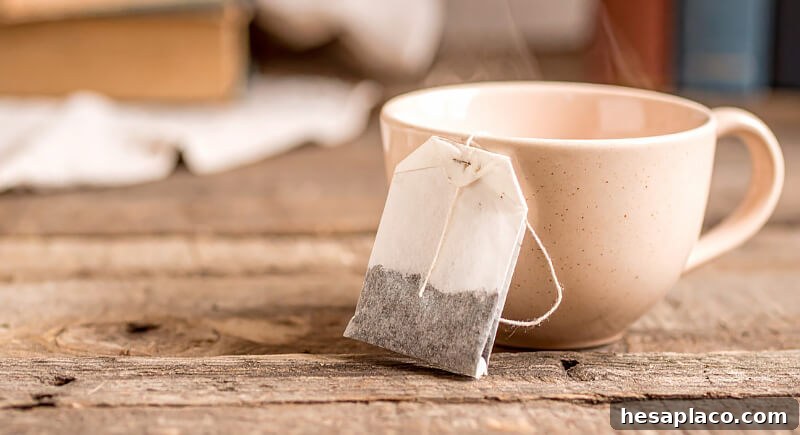
Loose-leaf tea improves flavor and avoids the small amounts of plastic often used in commercial tea bags. Many tea bags contain polypropylene seals, which persist in soil and compost. A stainless steel infuser keeps waste low, and buying loose tea in bulk usually reduces cost over time.
Coffee Filters
Credit: Getty Images
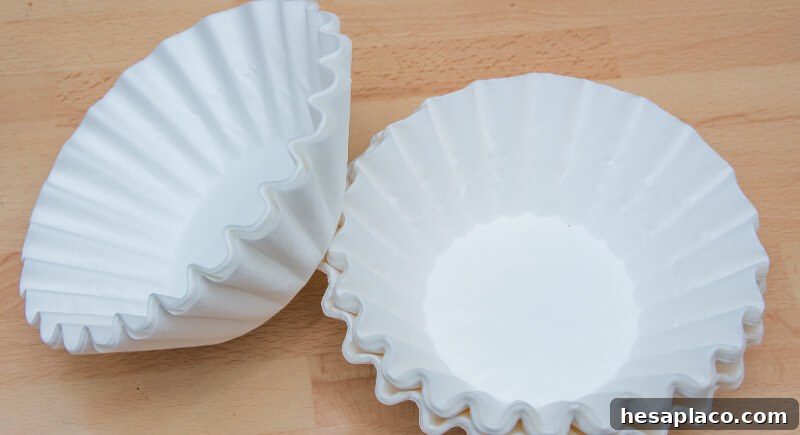
Reusable stainless steel or cloth coffee filters replace hundreds of bleached paper filters over their lifetime. They’re simple to rinse, don’t absorb coffee oils—sometimes yielding better flavor—and many designs fit standard drip machines.
Dryer Sheets
Credit: Canva
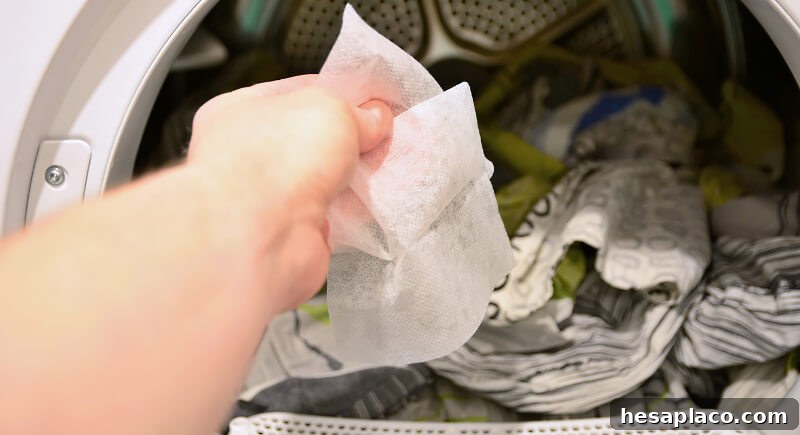
Disposable dryer sheets leave synthetic residues and often aren’t recyclable. Wool dryer balls perform the same softening and static-reducing roles, last for years, and can shorten drying time by improving air circulation. Adding a few drops of essential oil to a ball imparts a subtle, natural scent without synthetic chemicals.
Makeup Wipes

Credit: Canva
Most disposable wipes contain polyester or plastic fibers and aren’t biodegradable. Reusable cotton rounds or microfiber pads are gentler on skin, clean effectively, and can be washed with laundry. One set of reusable pads can replace thousands of single-use wipes over its lifespan.
Plastic Soap Bottles
Credit: Getty Images
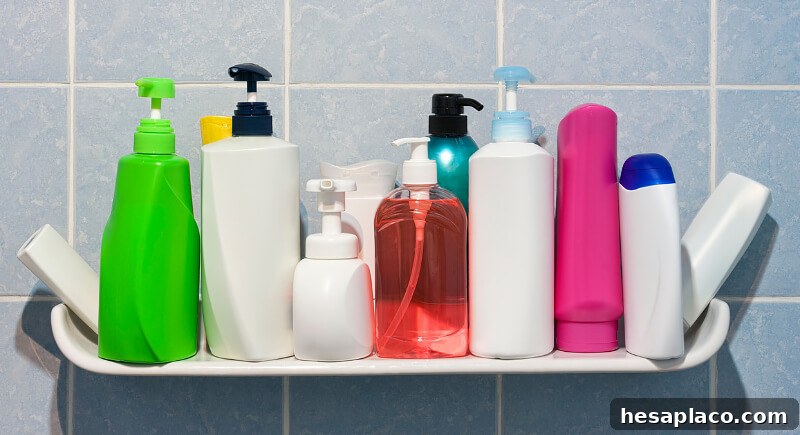
Hand and dish soaps often arrive in single-use plastic bottles. Buying bulk refills helps, but switching to reusable glass or aluminum dispensers makes a bigger impact. Some refill stations allow customers to bring their own containers, and dissolvable soap tablets are another low-packaging option.
Razors

Credit: Canva
Disposable plastic razors generate continuous plastic waste. Classic safety razors use a single recyclable metal blade and can last for decades. While the upfront cost is higher, replacement blades are inexpensive and many users report improved shaving results and reduced skin irritation.
Pens
Credit: Reddit
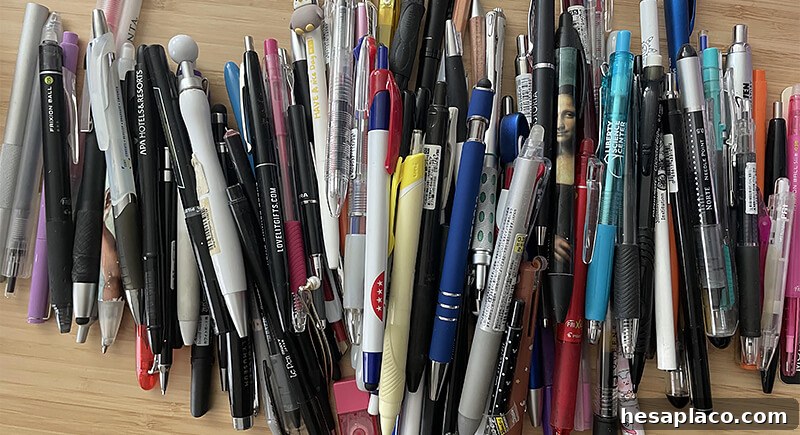
Disposable pens are easy to go through without noticing the environmental cost. Refillable pens replace the disposable body with a durable barrel and interchangeable ink refills. They last longer and often allow you to swap tips or ink colors, reducing frequent purchases.
Toothbrushes
Credit: pexels
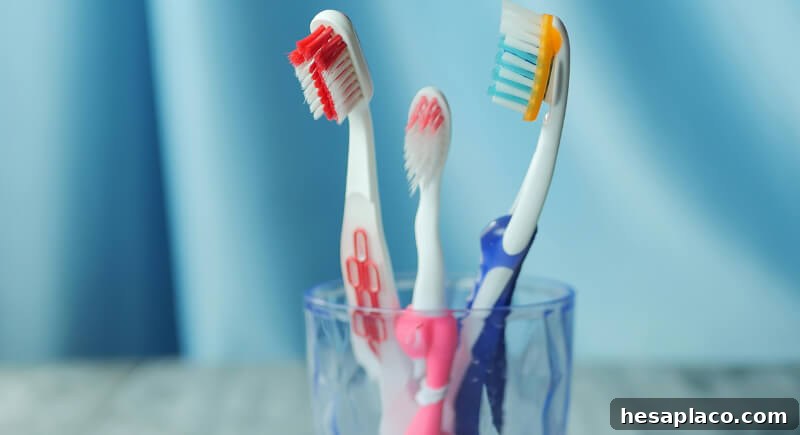
Standard plastic toothbrushes are difficult to recycle through regular systems. Bamboo-handled brushes with biodegradable handles reduce plastic use, and some brands offer replaceable heads. Electric toothbrushes with changeable heads are another reusable option that reduces overall waste while maintaining thorough oral care.
Shaving Cream Cans
Credit: Reddit
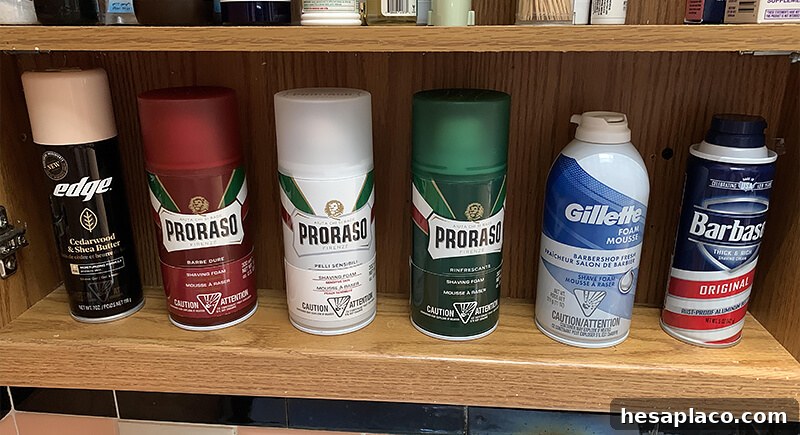
Aerosol shaving cream cans are hard to recycle and typically contain propellants. Traditional shaving soap or cream sold in tins or jars performs the same task and often lasts longer. Applied with a shaving brush, these products create a richer lather and many brands now offer refill pucks to further reduce packaging.
Cotton Swabs
Credit: pexels
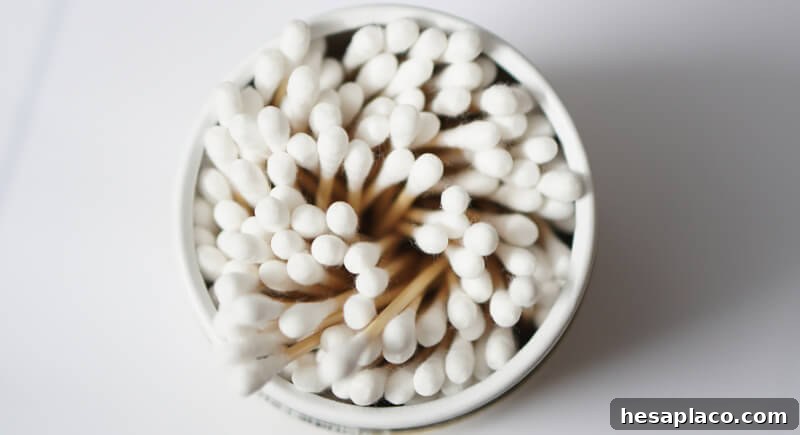
Conventional swabs often use plastic stems that can end up in waterways. Reusable silicone swabs with textured tips mimic the feel of cotton but can be washed and reused hundreds of times, usually coming with a case for hygienic storage.
Gift Wrap

Credit: pexels
Instead of single-use shiny or glittery wrapping paper that often can’t be recycled, use fabric. A scarf, square of cloth, or reusable tote turns a gift into something memorable. Fabric wrapping lasts for years, adds a personal touch, and avoids the pile of waste common after celebrations.
K-Cups
Credit: Reddit
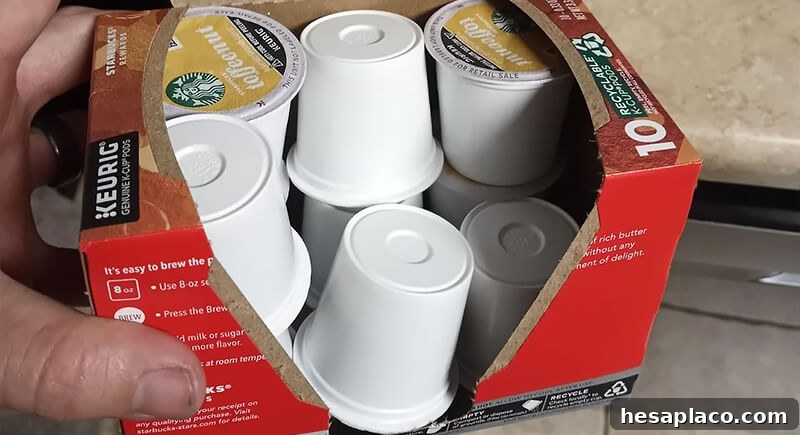
Single-use coffee pods are convenient but create significant waste. Refillable pods let you keep using the same machine while dramatically cutting trash—just fill, brew, rinse, and reuse. While compostable pods exist, reusable options generally save more money and reduce waste in the long run, while allowing for more variety in coffee choice.