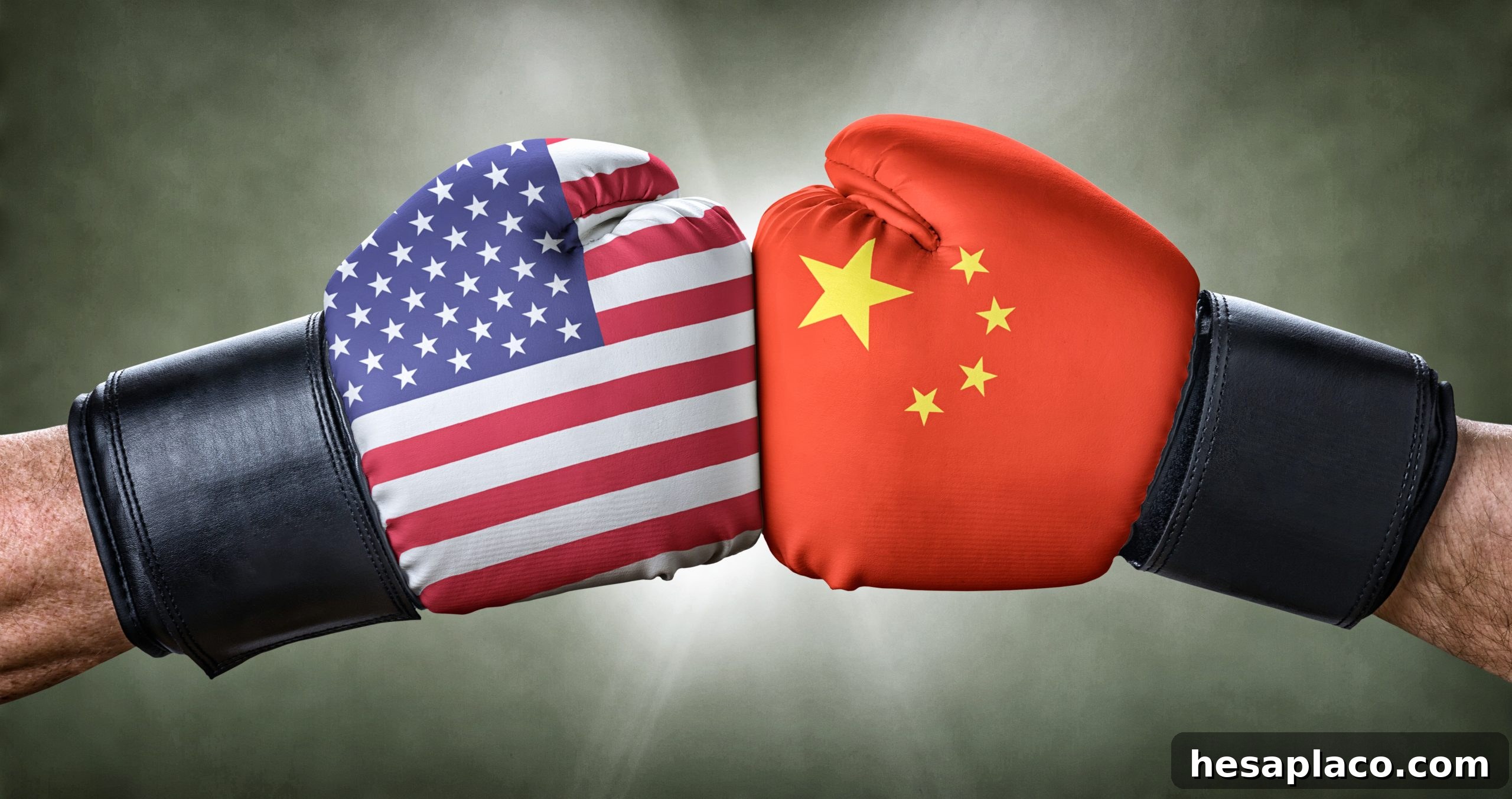
Many iconic American brands have long been seen as pillars of the nation’s identity, yet ownership of several of these names has quietly shifted abroad. This piece explores ten major U.S. companies and landmark properties that are now controlled by Chinese firms, revealing how familiar brands and institutions have been transformed by international acquisitions.
American Icons Under Foreign Ownership
Over recent decades, globalization and cross-border investment have led to numerous high-profile sales of American companies and assets. While some transactions have been welcomed for the capital and operational expertise they brought, others sparked debate about national identity, jobs, and strategic industries. Below we highlight a selection of well-known names that, despite their American roots, now answer to overseas owners.
Smithfield Foods
Smithfield Foods, a major U.S. pork producer long associated with rural American agriculture, became part of a Chinese company when it was acquired by Shuanghui International (now WH Group) in 2013. The transaction brought together a significant segment of U.S. meat production with a global food conglomerate, prompting discussions about food security, supply chains, and regulatory oversight.
GE Appliances
GE Appliances, historically linked to General Electric and known for domestic appliances made in the United States, was purchased by Haier, a Chinese appliance manufacturer, in 2016. The deal retained the GE Appliances brand in the U.S. while integrating it into Haier’s global operations, showcasing how legacy brands can persist under foreign ownership while leveraging broader manufacturing and distribution networks.
Motorola Mobility (mobile division)
Motorola’s mobile phone business, once a dominant force in the early cellphone era, changed hands multiple times before Lenovo, a Chinese technology firm, acquired Motorola Mobility from Google in 2014. The acquisition aimed to combine Motorola’s patent portfolio and brand recognition with Lenovo’s manufacturing scale and distribution channels, illustrating how strategic tech assets move across borders.
Waldorf Astoria New York
The Waldorf Astoria, an iconic New York hotel synonymous with luxury and history, was purchased by Anbang Insurance Group, a Chinese conglomerate, in 2014. The sale of this landmark sparked public attention because of the hotel’s symbolic status and the size of the investment. Following the acquisition, the property underwent extensive renovations as part of the new owner’s plans.
Additional Notable Examples
Beyond those listed above, several other recognizable American brands and businesses have been acquired by Chinese companies or investors. These range from specialty food producers and consumer goods manufacturers to technology startups and industrial enterprises. Each transaction carried its own rationale—access to U.S. markets, valuable brands, technology, or supply chain advantages—while also raising questions about the long-term implications for workers, innovation, and national economic interests.
Why These Deals Matter
Foreign acquisitions of American companies can bring capital, global market access, and new investment, which sometimes preserve jobs and expand operations. Yet such deals also prompt scrutiny around issues like national security, intellectual property protection, and control over critical infrastructure. Policymakers, regulators, and industry stakeholders often weigh these factors when approving transactions that involve sensitive technologies or strategic assets.
What Consumers Should Know
For everyday consumers, ownership changes do not always alter product quality or availability. Many acquired companies continue to operate under familiar brand names, retain local management, and maintain production in the United States. However, consumers may notice shifts over time in product design, sourcing, or customer service as new owners integrate brands into broader corporate strategies.
Looking Ahead
The trend of cross-border acquisitions is likely to continue as global companies seek growth and diversification. Understanding the motivations behind these purchases—whether access to markets, technology transfer, or brand value—can help consumers and observers better grasp the evolving landscape of corporate ownership. While ownership may change, many American brands persist by adapting to new ownership structures and global economic realities.
These transactions underscore how interconnected today’s business world is, and they remind us that a brand’s origin doesn’t always determine its current ownership. Awareness of these changes helps inform discussions on trade, investment policy, and the future of industries that once felt exclusively domestic.