
Restaurant prices are rising, and diners are noticing the change even before their meals arrive. A combination of higher ingredient costs, increased wages, supply chain disruptions, and new tariffs has made it difficult for restaurant owners to keep prices steady. Many operators say they’ve already trimmed expenses wherever possible, from shrinking menus to switching suppliers, but the pressure continues.
With inflation still a factor, raising menu prices has become one of the few effective ways restaurants can preserve profitability. The reality is clear: staying open now requires financial decisions that appear directly on printed and digital menus.
Rising Menu Prices
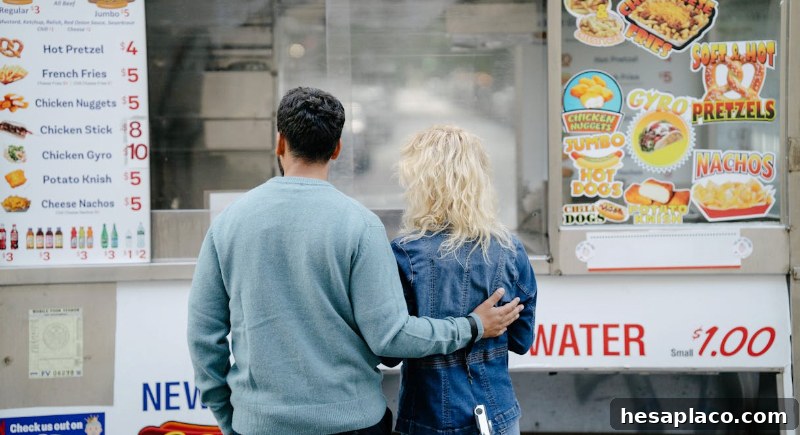
Image via Pexels/Mizuno K
Recent industry surveys show that nearly half of restaurant owners plan to raise menu prices if costs keep climbing. The National Restaurant Association estimates that, to sustain a 5% profit margin in today’s environment, the average restaurant would need to increase prices by roughly 30%. That widening gap between costs and revenue is forcing operators to rethink pricing strategies.
Data from restaurant technology firms indicate that many popular quick-service menu items have seen year-over-year price increases exceeding 4%, with only a few categories such as wings and beer tracking below current inflation levels. Because owners worry that steep price hikes could alienate customers, many are implementing smaller, incremental increases or experimenting with bundled pricing and promotions to soften the impact.
Some restaurants have postponed raising prices altogether, hoping costs will stabilize. But most managers acknowledge another round of increases is likely if supply and labor pressures persist. Successful operators are focusing on the timing of adjustments and on transparent communication with guests, explaining why modest price changes are necessary so the business can continue serving the community.
Ingredient Costs and Tariff Pressure
Food inflation remains one of the industry’s most persistent challenges. Many owners report dramatic spikes in ingredient costs, particularly for meats. For example, brisket that once cost around three dollars a pound has doubled in some areas, creating tough choices for kitchens that prioritize quality. Rather than switching to lower-cost substitutes, many chefs prefer to preserve food standards, which increases margin pressure.
Tariffs and changing trade policies have added another layer of complexity and expense. A variety of imported items—from specialty spices to certain seafood—now carry higher landed costs, and distributors are passing those increases along to restaurants. Economists warn that tariff-related price shifts can hit household budgets by thousands annually, and restaurants feel that strain through less predictable supplier pricing.
Because supply chains remain disrupted and volatile, operators are responding by tracking food costs more closely, diversifying suppliers, and reducing menu size to limit waste and simplify purchasing. Menu consolidation helps restaurants control inventory, lower spoilage, and better forecast ingredient needs—measures that can steady margins when prices fluctuate.
Labor Costs and Operational Strain
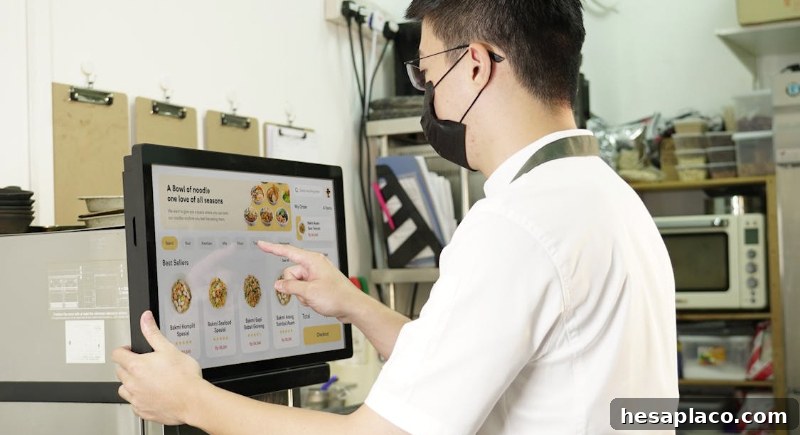
Image via Pexels/iMin Technology
Labor has emerged as the second major cost pressure. Wages have risen in many regions, with hourly pay for quick-service roles averaging above thirteen dollars before tips in some markets. In certain operations, labor can consume up to a quarter of total expenses, prompting owners to find efficiencies without sacrificing service.
To manage payroll and staffing costs, restaurants are cross-training employees, investing in scheduling and labor-management software, and streamlining front-of-house and back-of-house duties. These changes help reduce overtime and improve shift coverage, but they do not eliminate the broader increase in payroll costs.
Other operating expenses—utilities, local fees, waste removal, and taxes—are also climbing. In one example, a restaurant faced an unexpectedly steep rise in waste service fees that significantly affected its monthly budget. To combat rising overhead, operators are auditing contracts, monitoring energy use, and investing in equipment designed to lower utility bills over time, such as energy-efficient kitchen appliances and smart thermostats.
Despite these efforts, many restaurateurs say modest menu price increases are the only sustainable option to protect margins and keep their doors open. For establishments already operating with slim profits, absorbing continued cost increases without passing some of them to customers risks long-term viability.
Transparent messaging, thoughtful pricing strategies, and value-driven offerings are becoming key tools for operators trying to balance customer expectations with economic realities. By explaining cost pressures and emphasizing quality, service, and local sourcing when possible, many restaurants hope to maintain customer loyalty even as menu prices adjust to reflect the true cost of doing business.