Across Canada, a quiet invasion is costing the country billions of dollars. Invasive species—non-native plants, insects, and animals—are spreading through ecosystems and threatening industries that depend on them. The total annual damage is estimated at nearly $35 billion. Agriculture, forestry, and fisheries suffer the most, but impacts ripple out to communities, municipalities, and backyard gardens.
The Real Cost of Invasive Species
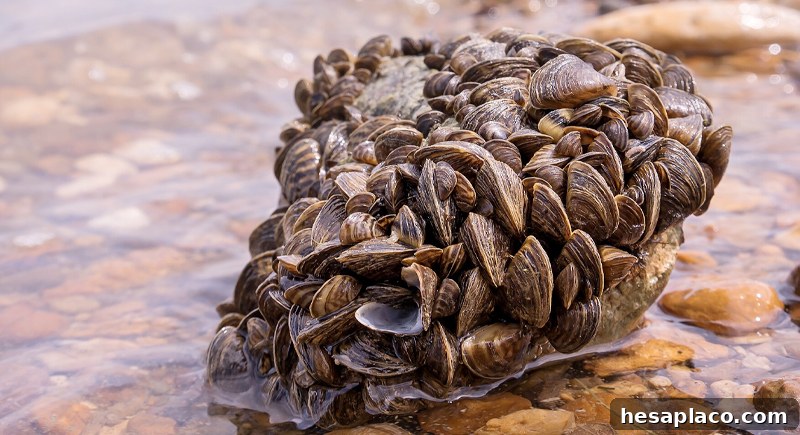
Image via Wikimedia Commons/USFWS Mountain Prairie
Natural ecosystems maintain a balance, and the arrival of unfamiliar species disrupts that balance. Some invasive plants grow rapidly, smothering crops and crowding out native vegetation. Certain insects bore into trees, leaving forests weakened and lifeless. In aquatic environments, organisms like zebra mussels spread over surfaces and clog pipes, damaging boats, power plants, and municipal water systems. Each invasion disrupts local economies and adds to growing management costs.
Farmers lose around $2.2 billion annually to crop damage caused by invasive pests and weeds. The forestry sector faces roughly $720 million in yearly losses as pests and diseases weaken timber supplies. Canada currently regulates more than 250 invasive species, and scientists monitor about 1,400 additional organisms that could become threats. These species spread quickly, often lack natural predators, and are difficult to eradicate once established.
Canada’s Ecology on the Line
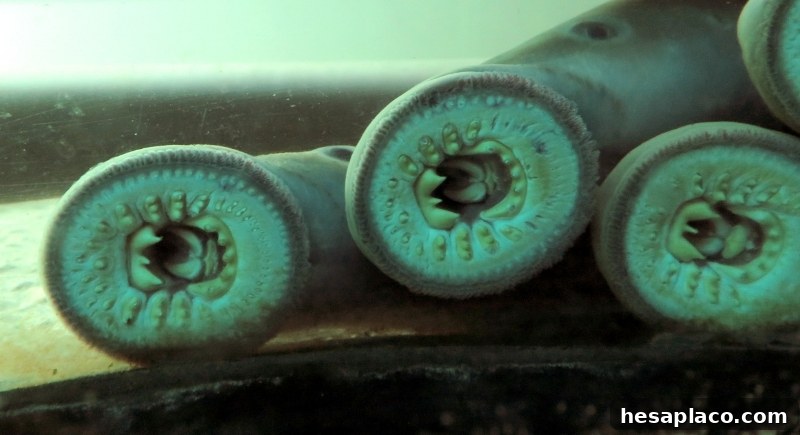
Image via Getty Images/randimal
Forests are among the most affected ecosystems. In British Columbia, the mountain pine beetle has killed an estimated 675 million cubic metres of pine since the late 1990s—nearly half of the province’s commercial supply. The emerald ash borer, first detected in the early 2000s, has decimated ash trees in towns and cities, forcing municipalities to spend millions on removal and replacement. Native pests like the spruce budworm continue to ravage forests across central and eastern Canada, leaving large areas of dead trees and reduced timber yields.
These outbreaks affect more than timber production. Maple syrup producers, parks, and recreational areas suffer when forests decline. Governments and industries allocate significant resources to control programs, tree removal, and export inspections. According to Natural Resources Canada, every dollar spent on prevention can save about three dollars in cleanup and damage costs later.
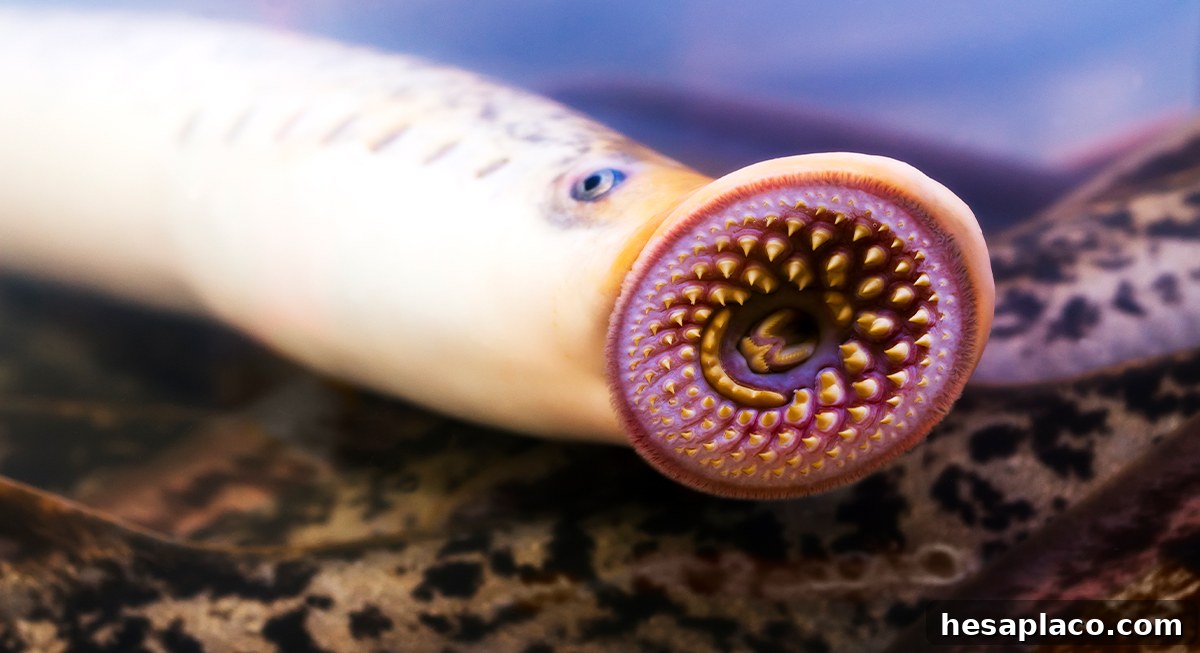
Invasive species are also reshaping Canada’s waterways. Zebra mussels and sea lampreys have severely impacted Great Lakes ecosystems. They clog intake pipes, displace native fish, and harm commercial fisheries that depend on stable aquatic habitats. The economic consequences reach coastal communities that rely on fishing for livelihoods and food security.
In some provinces, officials have promoted a creative, if unconventional, approach—encouraging people to “eat the invader” as part of efforts to reduce certain populations.
Fighting Back, One Report at a Time
Halting the spread of invasive species depends on local action. National organizations such as the Invasive Species Centre and Invasives Canada urge citizens to report unusual plants, insects, or animals using platforms like EDDMapS and iNaturalist. Uploading a photo and location helps experts track spread patterns and plan containment strategies.
Community programs also promote practical prevention steps. “Clean Drain Dry” teaches boaters how to prevent aquatic hitchhikers from moving between lakes, while “Play Clean Go” reminds hikers and cyclists to remove soil and seeds from gear.
Farmers participate in campaigns such as “Squeal on Pigs” to report wild pig sightings before they cause extensive crop damage. Pet stores support initiatives like “Don’t Let It Loose” to discourage owners from releasing unwanted animals into the wild, a common source of new infestations.
Why Prevention Matters

Image via Getty Images/designer491
The longer an invasive species remains unreported, the higher the cost to manage it. The Canadian Council of Forest Ministers has estimated that preventing the introduction of just four high-risk species could save about $165 million annually. Prevention remains the most cost-effective and environmentally sound approach, reducing economic losses and protecting Canada’s natural heritage.