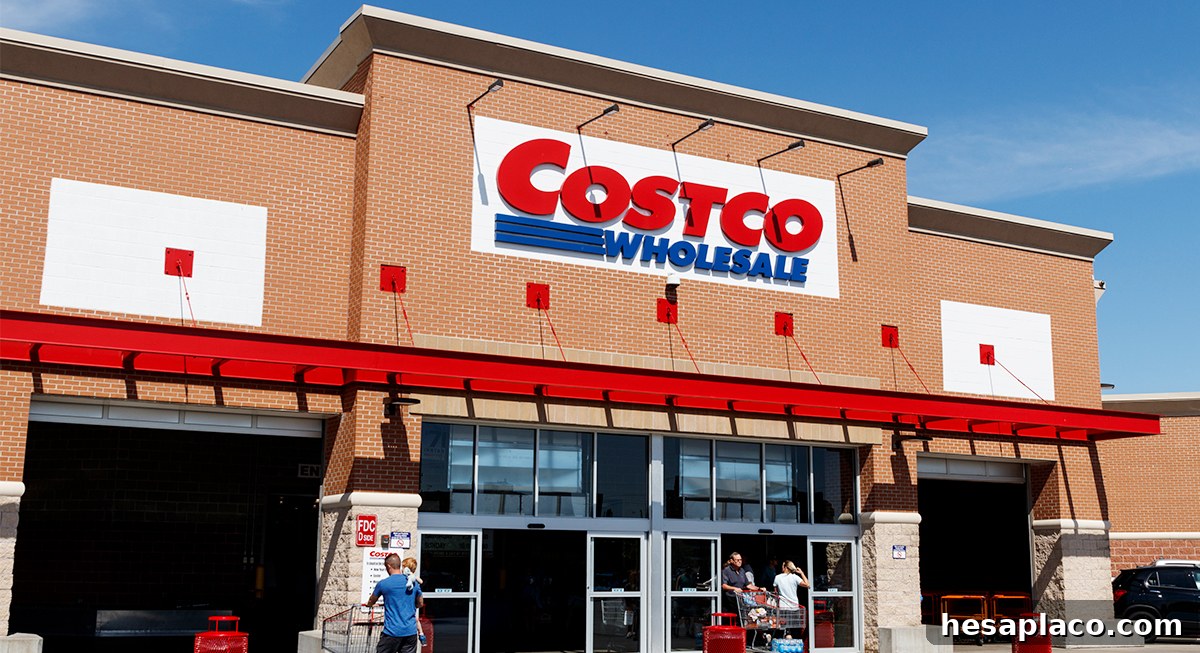
Costco has quietly introduced a time-saving change that’s already paying off. What began as reserved early-morning access for employees has expanded into a new scheduling approach: a designated early “quiet hour” for Executive members and an additional Saturday evening hour for all shoppers. That small operational adjustment quickly became one of the company’s most effective initiatives this year, delivering measurable gains in traffic flow and sales.
Placer.ai and other foot-traffic analytics firms tracked the effect: shoppers started arriving earlier, spending less time per trip, and visiting more often. Smoother aisles and reduced congestion led to a better shopping experience and higher checkout volumes. Costco’s fiscal fourth-quarter results validated the trend—weekly U.S. sales rose about 1%, and profit increased roughly 9% after the scheduling changes were implemented.
The Strategy Behind the Early Start

Image via Wikimedia Commons/Curlyrnd
CEO Ron Vachris and his leadership team designed the early-access policy to relieve peak congestion and increase perceived member value. Granting Executive members a dedicated hour created a calmer, more efficient shopping window and provided a clear incentive for Gold Star members to upgrade. That upgrade path increased recurring membership revenue and deepened customer loyalty.
By the end of the fiscal year, Costco reported 81 million paid members, a 6.3% increase, with nearly 39 million holding Executive-tier status. Those higher-tier members now account for approximately three-quarters of the company’s sales, underscoring how a small change in access policy can amplify lifetime member value.
Beyond Store Hours
The early-hours shift is part of a broader growth plan. Over the past year Costco opened 27 new warehouses globally, bringing the total to 914, and the company has plans for about 35 more locations in 2026. Revenue climbed to $269.9 billion, up 8.1% year over year, while operating costs remained controlled. Even long-standing staples—like the $1.50 hot dog-and-soda combo, which celebrated its 40th anniversary—continued to engage customers, accompanied by a notable switch from Pepsi to Coke in many food courts.
Costco’s membership base is also getting younger. Nearly half of recent sign-ups are under 40, driven largely by online promotions and digital offers. Although renewal rates dipped slightly—partly because many new members joined through digital channels—executives view this as a strategic opportunity. Younger members suggest a durable customer pipeline, and they respond strongly to conveniences that save time, such as early entry to stores.
The Power of Convenience and Loyalty

Image via iStockphoto/hapabapa
Costco’s extended hours demonstrate the company’s strength in identifying and delivering what members value most. Improvements don’t always require flashy technology or large marketing budgets; sometimes the most meaningful gains come from thoughtful changes to operations that respect customers’ time. By making each visit more efficient and enjoyable, Costco has reinforced member loyalty and created a durable competitive advantage.
As retailers watch these results, the lesson is clear: small, customer-focused adjustments—like staggered store hours or member tiers with tangible perks—can generate outsized benefits. For Costco, the early-access program achieved exactly that, improving daily traffic patterns, boosting membership value, and contributing to stronger sales and profits without complicating the shopping experience.