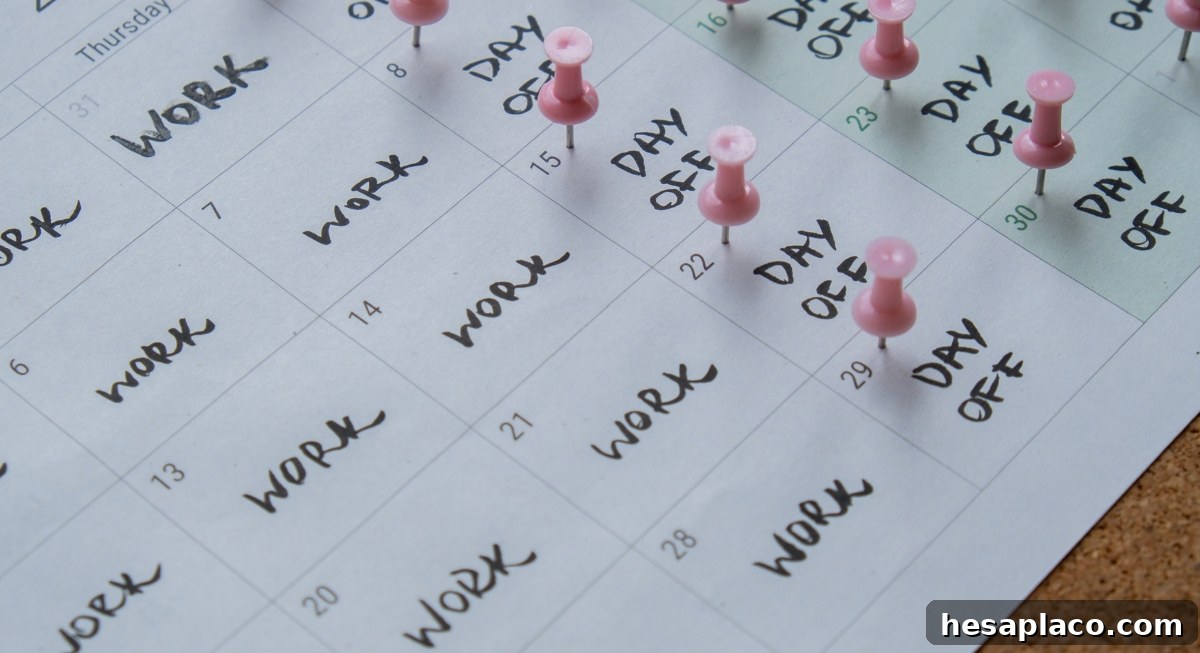
Zoom CEO Eric Yuan predicts that people may soon be working only three or four days a week as artificial intelligence takes on repetitive tasks and frees up time for more meaningful activities. He acknowledges this transition will be disruptive: automation is likely to eliminate some jobs—particularly entry-level and routine roles—but he expects new positions to emerge, such as managing and maintaining digital agents and supervising AI-driven systems.
Other tech leaders share a similar outlook. Nvidia CEO Jensen Huang believes the spread of AI across industries could make a four-day workweek feasible, while JPMorgan Chase CEO Jamie Dimon has suggested future generations may work roughly 3.5 days per week, benefiting from longer, healthier lives thanks to technological advances. They caution, however, that a shorter week may not always mean less intensity; some roles could compress the same workload into fewer days, increasing daily demands.
Bill Gates Thinks Machines Could Do the Heavy Lifting
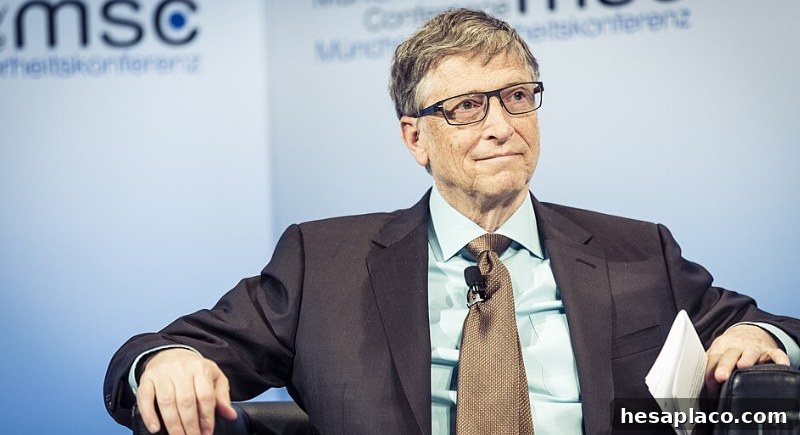
Image via Wikimedia Commons/Kuhlmann – MSC
Bill Gates has also weighed in, saying on the Trevor Noah podcast that there may come a time when humans “don’t have to work so hard.” Gates envisions a future in which machines produce essential goods and services, enabling people to enjoy a three-day workweek. He compared AI’s potential impact to the personal computer: it didn’t remove office jobs but transformed them, requiring workers to adapt. Gates believes the same capacity for adaptation will be needed as AI becomes more integrated into daily work.
In earlier writing, Gates emphasized that AI’s effects will be enormous if deployed responsibly. He stops short of equating it with the Industrial Revolution but regards AI as one of the most significant shifts in contemporary work. Reflecting on his younger years, he observed how his attitudes toward work and life have evolved and argues that a meaningful existence depends less on constant labor and more on how technology improves quality of life.
Young Workers Are Ready For Change
Surveys indicate strong demand for shorter workweeks among younger workers. A 2024 CNBC and Generation Lab poll found that 81% of Americans aged 18 to 34 support a four-day workweek, and many see AI as the mechanism to make it possible. Rebecca Hinds of Asana’s Work Innovation Lab reports that knowledge workers spend roughly 53% of their time on low-value “busy work,” such as excessive meetings and coordination. She argues AI can automate much of that work, allowing employees to focus on tasks that require creativity and judgment.
Hinds also found that 89% of employees who use AI daily report increased productivity, while those who use it less frequently see smaller gains. That uneven adoption makes it difficult for organizations to measure AI’s overall value and suggests that broad, team-wide integration is necessary before companies seriously consider permanently shorter workweeks. Many businesses remain anchored to traditional routines, so wide-scale change will likely be gradual.
Not Every Business Will Handle AI The Same Way
Image via Pexels/Matheus Bertelli
Experts note that outcomes will vary by organization. Mark Riedl, a professor at Georgia Tech, says some companies might reward top performers with additional days off, while others will reassign tasks to maintain consistent output. Some employers could also use automation to reduce headcount and redistribute responsibilities among remaining staff.
Evidence from pilot programs suggests shorter workweeks can yield positive results: when U.S. company Exos trialed a four-day week, employee burnout fell by 50% and productivity rose by 24%. Those findings align with the idea that AI and smarter workflows can improve both well-being and performance rather than just increasing speed.
For now, a three-day workweek remains a forward-looking concept, but interest is growing. If AI continues advancing at its current pace, the central question may shift from whether shorter workweeks will happen to how people will choose to spend the additional free time made possible by automation and smarter work design.