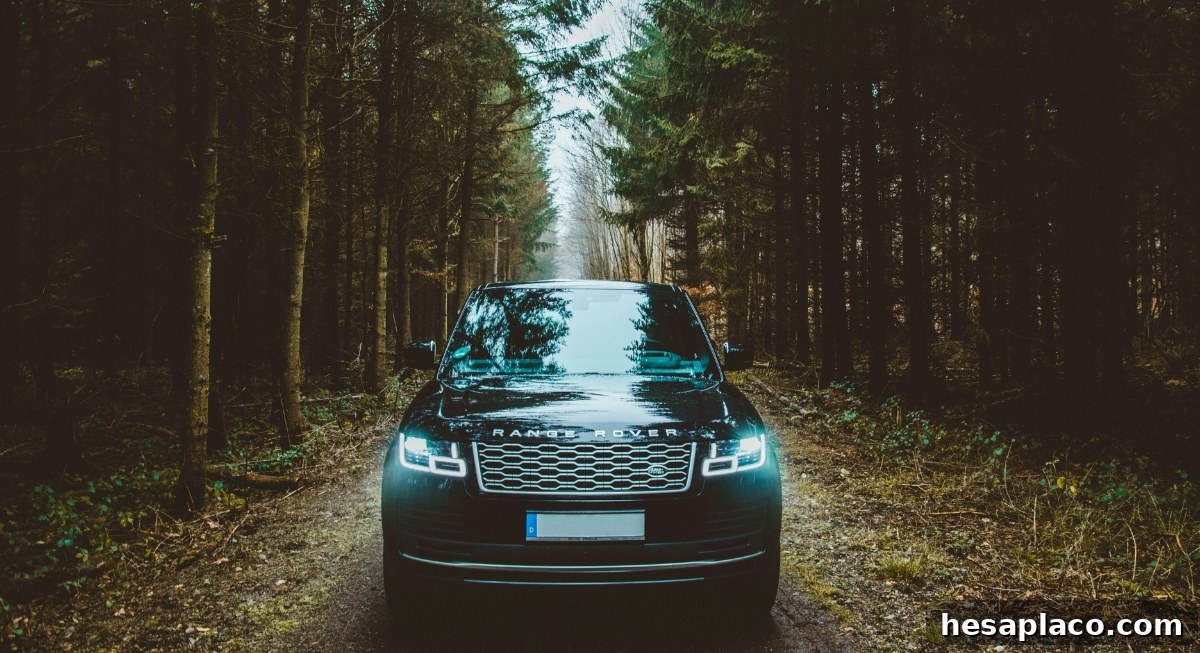
The first Range Rover appeared in 1970 with a boxy silhouette and the functional DNA of a workhorse.
Engineers at Rover designed it to combine serious off-road capability with a more refined presence for city driving. It was never about flashy aesthetics; it aimed to be intelligent and capable. Permanent four-wheel drive, a V8 engine, and coil-spring suspension were practical features that made the vehicle feel planted on rough tracks and composed on pavement.
Early buyers included farmers, engineers, and rural professionals who needed a useful, dependable vehicle. As years passed, however, public perception shifted and the Range Rover’s role evolved.
Shifting Image and Cultural Spotlight
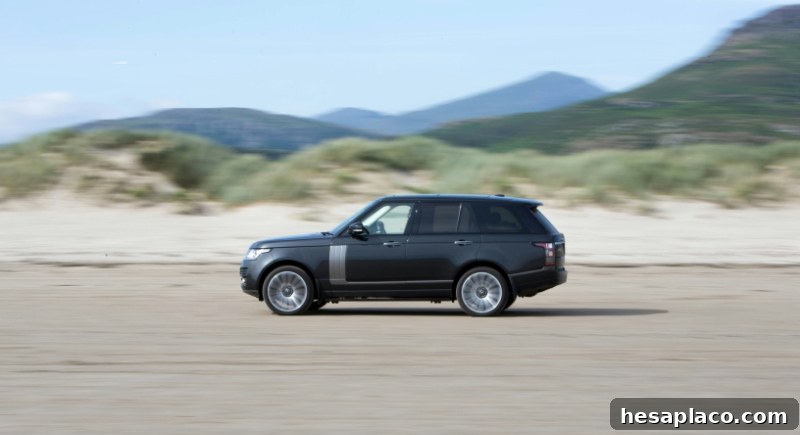
Image via Unsplash/Samuel Thompson
Its design was so respected that the Louvre once exhibited a Range Rover as an example of industrial design—an unusual honor for an automobile, particularly one built to handle jungle mud as comfortably as city streets. By the early 1980s, Range Rover models adopted more urban comforts—power steering, plush seating, and four-door layouts—which broadened their appeal. Influential people began to favor the vehicle, and over time the utilitarian SUV transformed into a symbol of status for royalty, financiers, entertainers, and business leaders.
Film and television helped cement that image. Directors used Range Rovers intentionally: series like Succession showed them ferrying wealthy characters across tarmacs and city streets, while The Sopranos depicted younger characters buying into power and prestige by acquiring one. The vehicle came to signal success as clearly as any line of dialogue.
Cultural Endorsement and Innovation
Musicians and cultural figures reinforced the Range Rover’s symbolic status. References in lyrics by influential artists reflected reality—celebrity sightings and cultural cachet turned the SUV into a shorthand for achievement and style.
That reputation did not come from a single marketing campaign. It grew because the Range Rover filled a unique gap: few vehicles were equally at home outside Buckingham Palace or on a rocky trail. British royalty embraced it early—Queen Elizabeth II used Range Rovers around her estates for decades, and Prince Philip even had one adapted for a funeral hearse—underscoring the model’s versatility and cultural reach.
Yet the badge alone wasn’t the whole story. The vehicle’s engineering kept pace with its reputation. Electronic traction control appeared in the late 1980s; Terrain Response systems later allowed drivers to tailor the vehicle’s behavior to specific surfaces. The second generation, in the 1990s, brought stronger engines and more sophisticated electronics, while later generations emphasized luxury without sacrificing off-road capability. Throughout its evolution, the Range Rover retained the mechanical robustness that let it traverse deserts, climb steep trails, and wade shallow rivers when necessary.
In the 2000s the lineup diversified. The Range Rover Sport targeted buyers seeking a more dynamic driving experience. The compact Evoque offered a sleeker, more urban-focused option. The Velar slotted between models with a design-oriented approach that emphasized clean lines and modern interiors. Each model carried a distinct purpose, but all preserved the brand’s core attitude—a consistency other manufacturers have tried and often failed to copy.
An Image That Speaks for Itself
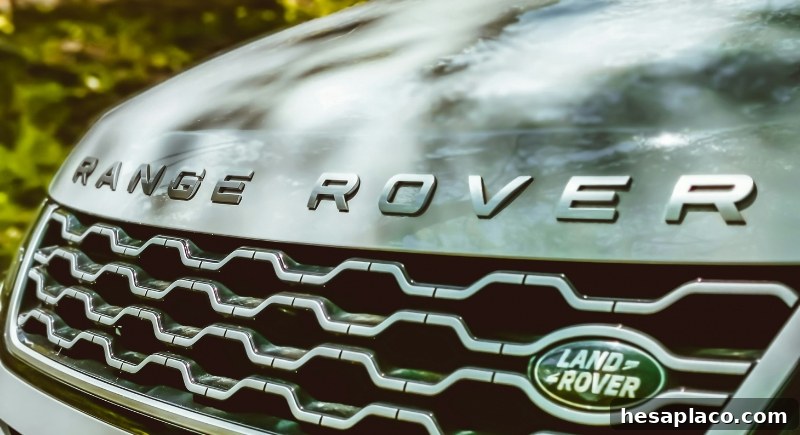
Image via Unsplash/Michael Heuser
Part of the Range Rover’s mystique is scarcity: pricing and positioning keep it out of reach for many buyers, which enhances its desirability.
Critics have called it ostentatious, noting that many owners seldom take theirs off-road. That critique misses the point for many buyers. People accept the symbolic role of luxury goods—no one expects a Rolex to be a diving instrument for most owners—yet they value the assurance that the object works when called upon. The Range Rover still possesses genuine capability: it can climb, crawl, and wade if needed. Most owners won’t push it to those extremes, but they appreciate the confidence its capability provides.
A Future Still Tied to Its Roots
Today the brand is shifting toward electrification. Electric Range Rovers are arriving with the same attention to craftsmanship, while offering lower emissions and improved efficiency. As luxury buyers increasingly factor sustainability into purchasing decisions, the brand is adapting—balancing its heritage of rugged competence with the environmental expectations of modern customers. The next chapter aims to preserve the Range Rover’s core strengths while moving the technology and design forward.