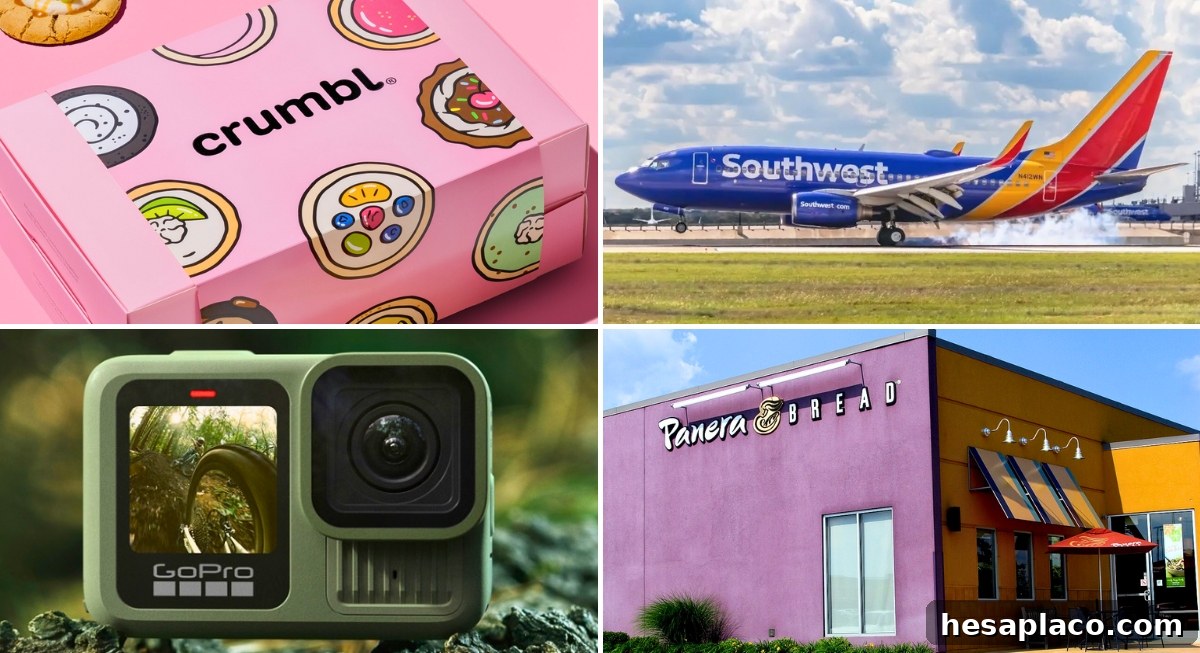
Big-name brands don’t always guarantee long-term success. You start to notice the warning signs: stores that look empty, products that don’t impress, and an online tide of complaints. These trends don’t guarantee failure, but they reflect concerns shared by regular customers and investors who see warning signals. Sometimes it’s a bakery that expanded too quickly, other times an airline that lost its operational edge. Below are the brands Reddit users have pointed to as ones that may struggle to survive the next decade.
Crumbl Cookies
Credit: Wikimedia Commons
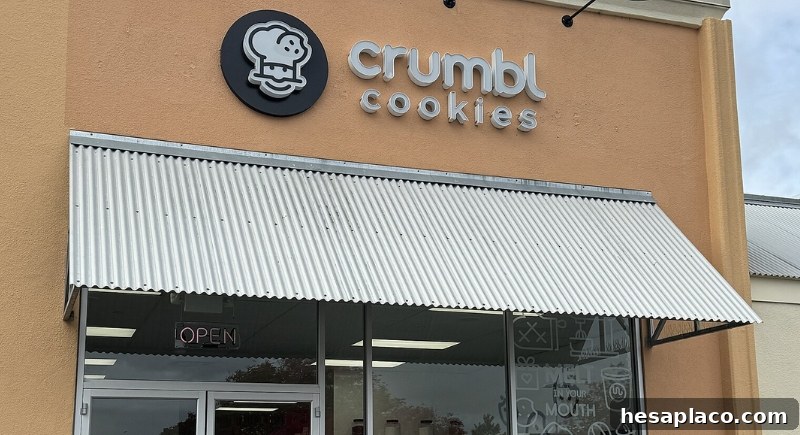
Crumbl rode viral social media attention and weekly rotating flavors to rapid expansion, opening hundreds of locations in a short time. But fast growth can be a double-edged sword: recurring complaints about overpriced, bland cookies and sterile, impersonal stores suggest the brand may have prioritized scale over quality. Unless Crumbl improves product consistency and the in-store experience, it could be forced to shutter many locations.
GoPro

Credit: Wikimedia Commons
For years GoPro defined the action camera category, but rivals such as DJI and Insta360 have narrowed the gap with compelling alternatives. A failed push into drones and a crowded camera market leave GoPro needing a fresh, defensible niche or breakthrough product. Without meaningful innovation, the brand risks being overtaken by better-funded competitors.
Pickleball Venue Chains
Credit: Getty Images
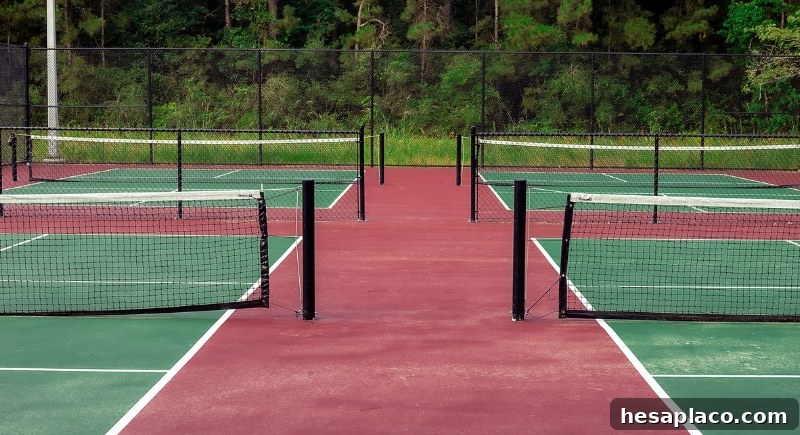
Pickleball has exploded in popularity, but some large-scale indoor facility models may be vulnerable. Big venues built in former department stores are expensive to run, and many players simply want a basic court rather than a premium experience. When initial enthusiasm cools, specialty complexes with high overhead could face significant closures.
Panera Bread
Credit: Wikimedia Commons
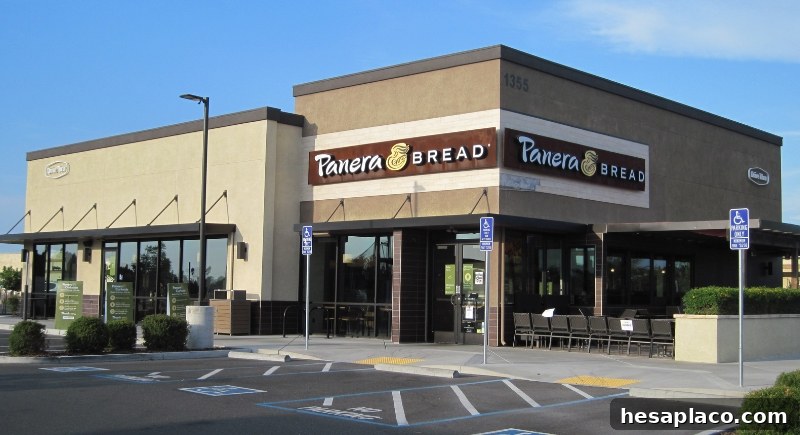
Once celebrated for fresh-baked bread and a welcoming atmosphere, Panera faces complaints about rising prices and slipping quality—reports of frozen dough and tougher-than-expected loaves are increasingly common. Local bakeries and other fresh-food options are appealing alternatives. If Panera can’t reverse these trends, its brand loyalty may erode.
Ticketmaster
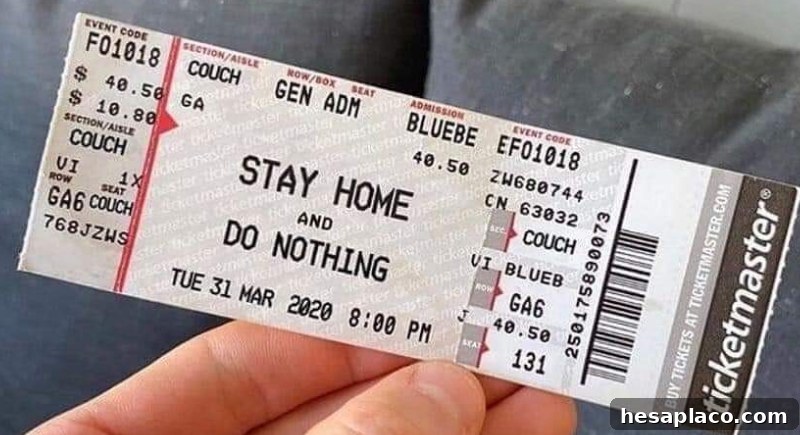
Credit: Reddit
For decades, Ticketmaster dominated live-event ticket sales, but high fees, opaque charges, and consumer frustration have led to intense scrutiny. While the company still earns substantial revenue, antitrust probes and public backlash could open the door for competitors and alternative ticketing platforms to gain market share.
Southwest Airlines
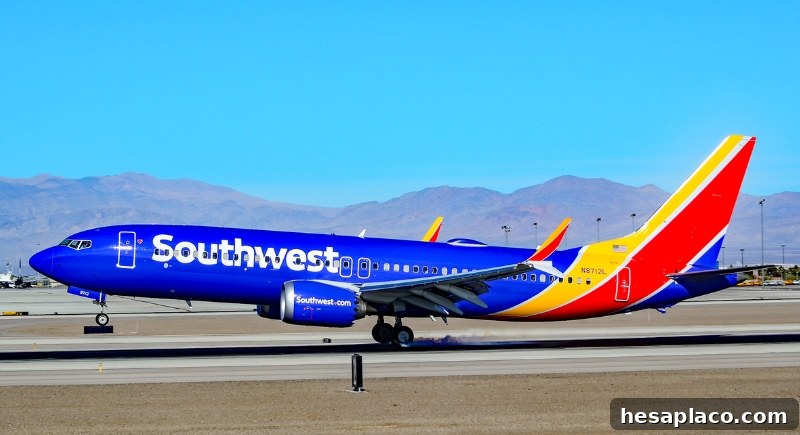
Credit: Wikimedia Commons
Southwest is still associated with low fares, but the 2022 operational meltdown remains a fresh memory for many travelers. Ongoing delays and changes like the 2026 plan to end open seating have left frequent flyers uneasy. To maintain customer trust and its low-cost reputation, Southwest must address reliability concerns and restore confidence.
Red Mango
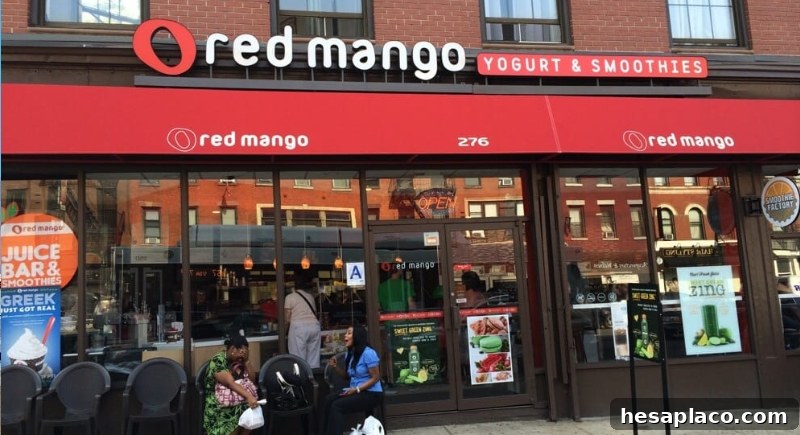
Credit: Yelp
The frozen-yogurt boom of the 2010s spawned many near-identical chains with by-the-ounce pricing, and Red Mango was among them. Today, as consumers realize they can purchase premium ice cream at lower prices, many locations have closed. Only the fittest brands that adapt to changing tastes are likely to survive this shakeout.
Blue Apron
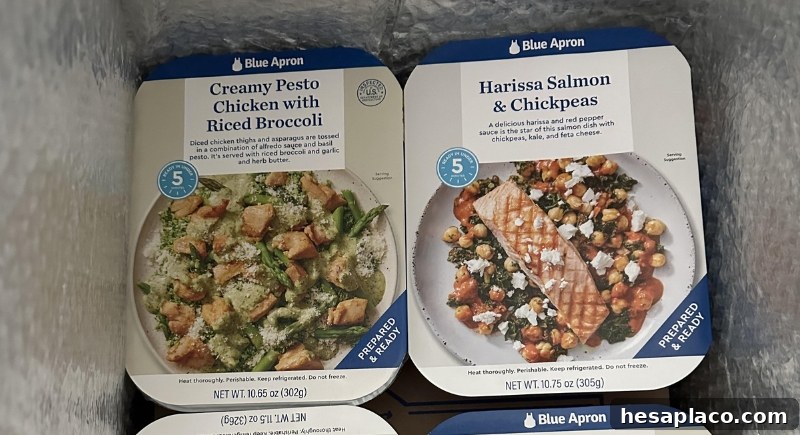
Credit: Reddit
Blue Apron pioneered the meal-kit market but has struggled to keep subscribers past promotional offers. Many customers sign up for discounts and cancel when prices normalize, making profitability difficult. The company faces pressure from better-funded competitors and must find sustainable ways to retain customers.
News Media Corporation (NMC)

Credit: pexels
Local newspapers continue to disappear across the United States, and NMC’s abrupt shutdown of dozens of small-town papers in August 2025 highlighted how quickly closures can happen. With print readership declining and digital ad revenue fragmented, other regional publishers could face similar crises.
Walgreens
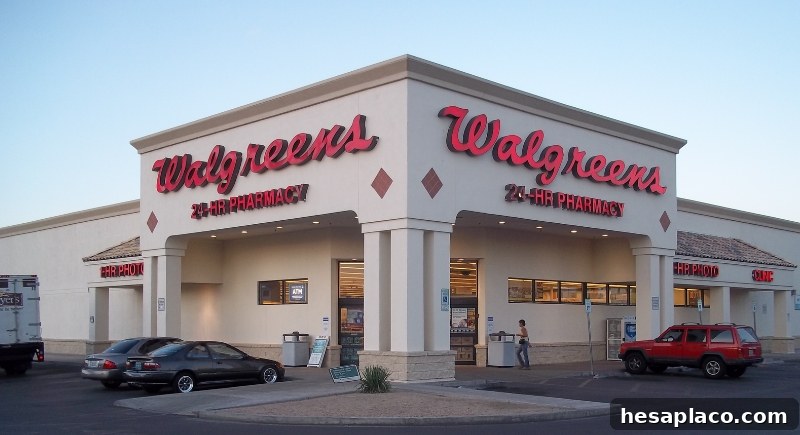
Credit: Wikimedia Commons
Walgreens has long been a neighborhood staple, but it faces shrinking relevance as online pharmacies and insurer mail-order programs siphon customers away. Planned store closures and competitive pressure raise the possibility of a full merger, acquisition, or significant restructuring as the company adjusts to changing healthcare distribution.
Harley-Davidson
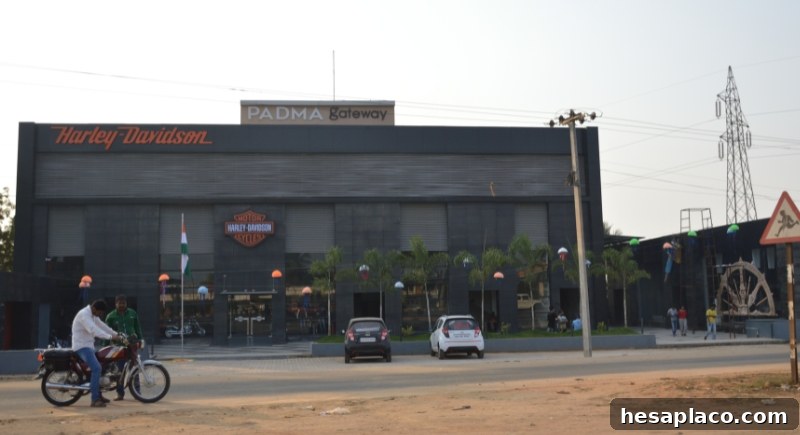
Credit: Wikimedia Commons
Harley-Davidson remains an iconic name in motorcycling, but its core customer base is aging and younger riders are less attracted to the brand’s traditional image. Criticisms around dealer service and an unwelcoming culture for newcomers compound the challenge. Success may depend on making meaningful inroads into electric and adventure segments to attract new riders.
AMC Theatres
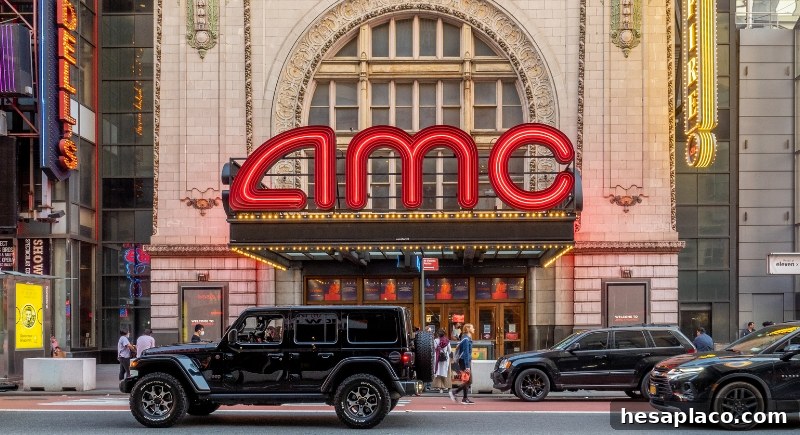
Credit: Wikimedia Commons
Home streaming has altered how audiences consume movies, and AMC faces pressure from declining in-person attendance, rising ticket prices, and a sometimes poor theater experience. To remain viable, the chain may need to close underperforming locations or reinvent the moviegoing experience.
Yelp
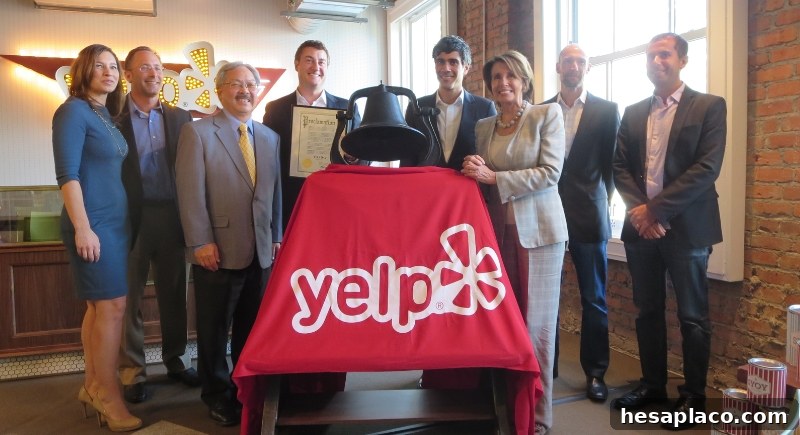
Credit: Wikimedia Commons
Yelp has faced lawsuits and persistent criticism over how it manages advertising and reviews. Business owners often complain about aggressive sales tactics and the difficulty of disputing fraudulent or misleading reviews. With alternatives like Google Maps and other local discovery platforms improving, Yelp’s dominance in local search faces real challenges.
Klarna

Credit: pexels
The buy-now-pay-later model surged in popularity, but it has revealed vulnerabilities: if consumer spending slows or defaults rise, companies like Klarna could quickly face setbacks. Despite returning to profitability in 2024 and reporting gains in 2025, Klarna still confronts regulatory scrutiny and stiff competition from established payments companies like PayPal.
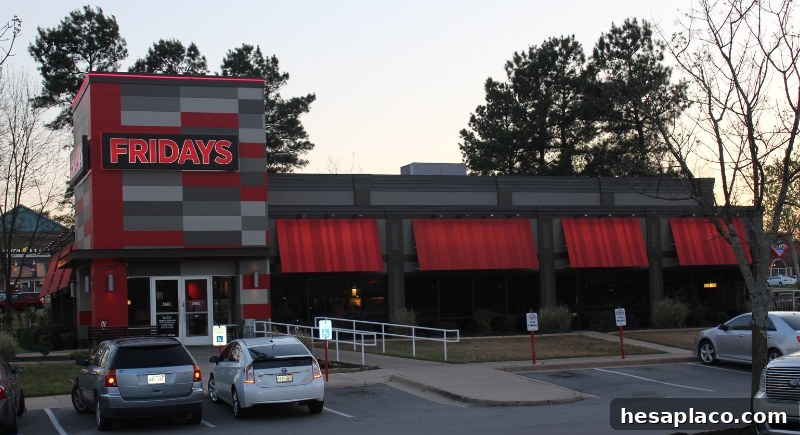
TGI Fridays
Credit: Wikimedia Commons
TGI Fridays was long known for its lively casual-dining vibe and broad menu, but today it blends into a crowded casual-restaurant landscape. Without new concepts, menu innovation, or a refreshed identity, the chain risks continuing closures and declining relevance.