
Some businesses slow down when the economy weakens. Others remain resilient because they provide goods and services people can’t easily forgo: healthcare, food, repairs, utilities and basic services. These industries are built around essential needs, so they often hold steady even in uncertain times. Below are 20 types of businesses that tend to perform well during recessions.
Health Care

Credit: Getty Images
Medical needs don’t disappear when wallets tighten. People defer vacations but rarely neglect serious symptoms, prescriptions, or essential care for children and aging relatives. Demographic trends such as an aging population and ongoing demand for diagnostics, prescriptions and eldercare support steady growth in this sector.
Grocery Stores
Credit: Getty Images
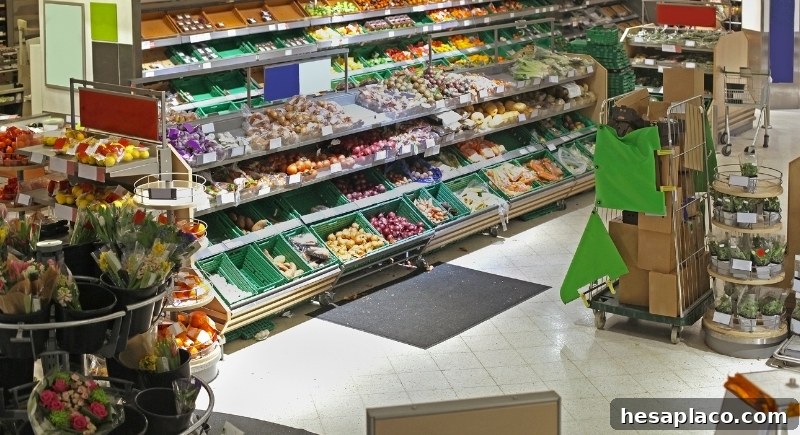
During downturns, grocery traffic often rises as people cook at home more. Shoppers shift toward budget-friendly, long-lasting staples like rice, pasta, canned goods and frozen vegetables. Rather than cutting food entirely, consumers change shopping patterns and prioritize value and bulk purchases.
Cleaning Services

Credit: Getty Images
Commercial cleaning contracts remain important for businesses, medical facilities and schools that must meet hygiene and regulatory standards. The pandemic reinforced the value of disinfection and deep-cleaning services, keeping demand consistent—especially in the commercial space.
Auto Repair
Credit: Getty Images
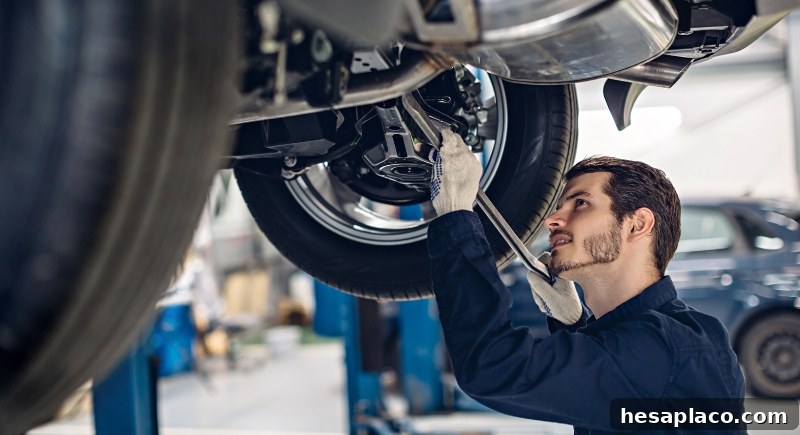
When big purchases are postponed, people often choose to repair rather than replace vehicles. Worn brakes, engine problems and routine maintenance can’t wait, and repairing an older car is usually cheaper than buying a new one. Mechanics and repair shops therefore remain in demand.
Discount Retailers
Credit: Getty Images
As budgets tighten, consumers become more price-conscious and often migrate to discount chains for essentials like household goods and toiletries. Value-driven retailers typically see increased traffic because shoppers trade down rather than stop buying altogether.
Financial Advisors and Accountants

Credit: Rido
Market volatility and job losses prompt people to seek financial guidance. Advisors and accountants assist clients with budgeting, debt management, tax planning and portfolio adjustments. Even those who usually manage finances themselves often seek professional help during uncertain times.
Childcare and Baby Products

Credit: Getty Images
Birth rates and the everyday needs of infants mean demand for formula, diapers, wipes, safe furniture and childcare continues regardless of economic cycles. Parents and caregivers prioritize essentials that ensure child health and safety.
Utilities

Credit: Canva
Electricity, water, gas and internet are essential services households rarely forgo. While consumers may reduce usage to lower bills, utilities remain fundamental—and utility companies are often seen as more stable investments during downturns.
Online Selling and E-Commerce

Credit: pexels
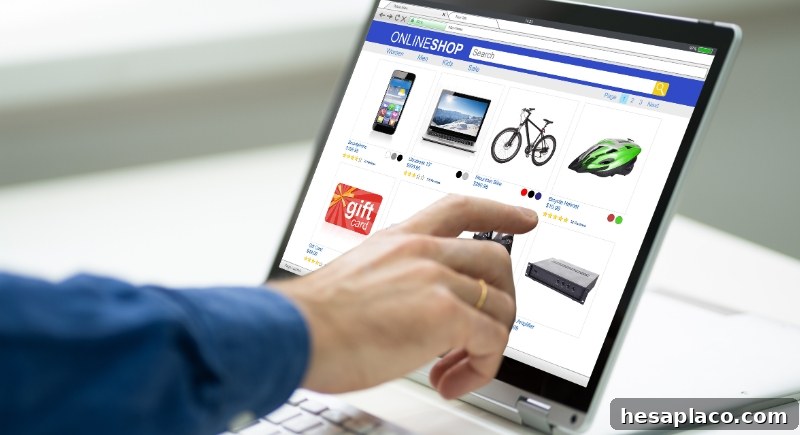
When brick-and-mortar retail softens, online sales often expand because e-commerce platforms let small sellers reach wide audiences with lower overhead. Many consumers adopted online shopping habits during recent crises and continued using them afterward, supporting growth in this space.
Pet Services

Credit: Getty Images
Pet owners prioritize food, veterinary care and grooming for their animals even when budgets are tight. With more people working from home, services like dog walking and pet sitting have also maintained steady demand.
Courier and Delivery Services

Credit: Africa images
As e-commerce grows, so does the need to move packages. Delivery drivers and courier services stay busy fulfilling online orders and ensuring timely shipments, making this sector resilient even when other parts of the economy slow down.
Beauty and Grooming

Credit: pexels
Basic grooming—haircuts, personal care and affordable skincare—remains a priority for many. Small purchases in drugstores and budget salons offer comfort and self-care without large expenses, helping this market stay afloat in downturns.
Freelancing and Gig Work

Credit: pexels
Companies often reduce full-time staff during recessions and hire freelancers or gig workers to fill short-term needs. Individuals also turn to freelancing to supplement income. The low startup cost and flexibility make gig work an attractive option when the job market is uncertain.
Technology Support

Credit: SeventyFour
IT systems and network security remain critical regardless of economic conditions. Businesses need functioning technology and fast troubleshooting, especially with remote work models. Tech support and managed IT services therefore continue to see steady demand.
Debt Collection Agencies

Credit: studioroman
When incomes fall and bills accumulate, unpaid accounts increase, and lenders, landlords and service providers rely on collection agencies. It’s an unpleasant but necessary service that often expands when economic conditions worsen.
Property Management

Credit: Prostock-studio
Economic pressure often leads more people to rent rather than buy, which benefits property management firms. Managers handle maintenance, tenant relations and rent collection, and steady occupancy and long-term leases help the industry stay stable.
Home Repair and Contracting

Credit: Canva
Certain home repairs cannot be postponed. Contractors who perform essential maintenance—plumbing, roofing, heating and electrical work—tend to stay busy because homeowners prioritize safety and habitability even when discretionary projects are delayed.
Sanitation Product Manufacturing
Credit: pexels
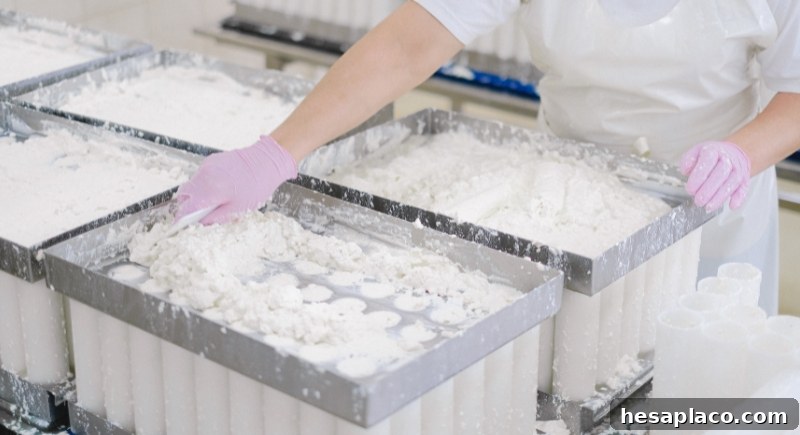
Sanitation products—cleaning agents, disinfectants, soap and paper goods—remain in demand during public-health scares and everyday life. Manufacturers of these staples often see consistent or increased sales when hygiene concerns rise.
Freight and Logistics
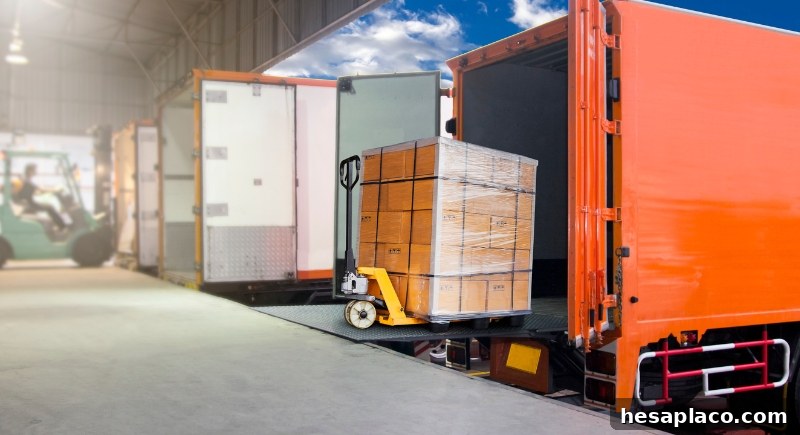
Credit: Getty Images
Supply chains continue to move goods—groceries, medicine, electronics and mail—even when the economy slows. Freight carriers and logistics companies adapt routes and schedules to keep deliveries on time and maintain the flow of essential products.
Dating Platforms

Credit: pocstock
Social life may change during a downturn, but the desire for connection doesn’t disappear. Online dating can even gain users when going out is more expensive, since apps provide a lower-cost way to meet people and maintain social interaction.
While no industry is completely recession-proof, the businesses listed above tend to be more resilient because they serve fundamental needs. For entrepreneurs and investors, focusing on essential goods and services, efficiency and flexible business models can improve stability when economic conditions are uncertain.