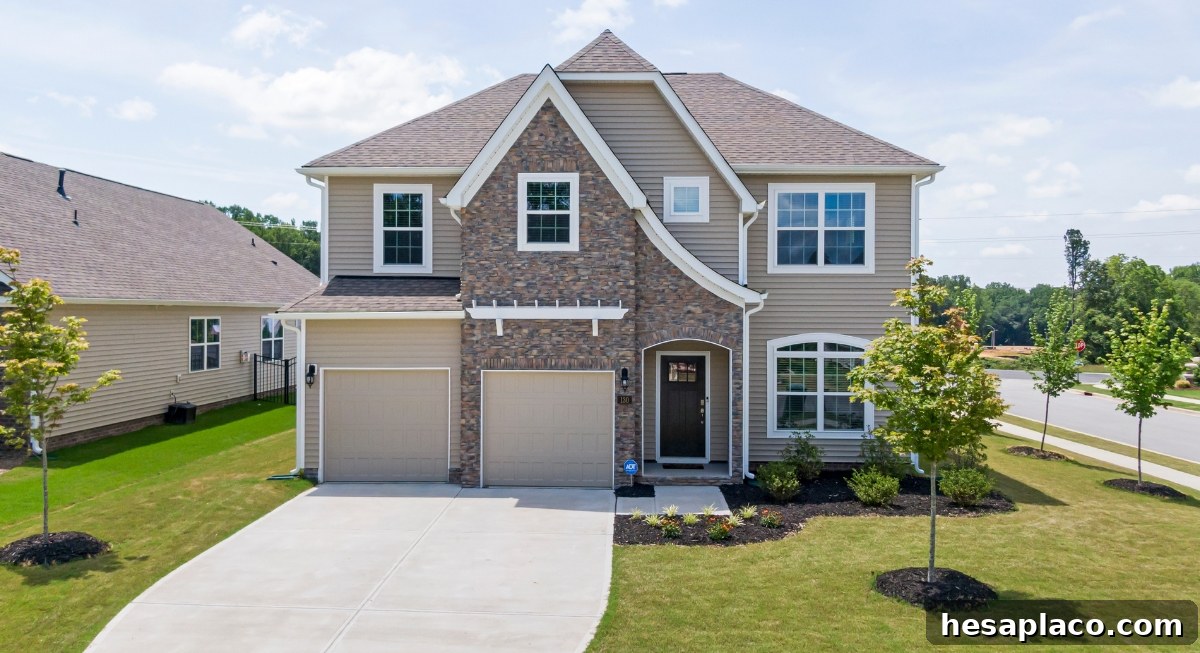
Buying a home often carries the reputation of emptying savings, but it doesn’t always mean committing to a 30-year mortgage or overwhelming debt. Some buyers find lesser-known avenues—government-backed programs, community initiatives, and specific market opportunities—that can dramatically reduce the cash required to own a house. Investors sometimes exploit legal gaps as well, creating both opportunities and challenges for affordability.
Government Programs That Cut the Price

Image via Canva/IOFOTO
Several federal programs aim to make homeownership more accessible. The U.S. Department of Housing and Urban Development (HUD) operates initiatives such as the Good Neighbor Next Door program, which offers a 50% discount to eligible teachers, firefighters, EMTs, and police officers who agree to occupy the property for at least three years. Local Public Housing Authorities frequently provide financial support for down payments and closing costs to low-income residents. The Federal Housing Administration (FHA) also insures mortgages that allow buyers to qualify with smaller upfront payments and lower credit thresholds.
Auctions of foreclosed or tax-defaulted homes can present further opportunities. These properties are often listed below market value and sold as-is—some to the highest bidder, others with a minimum bid or at the seller’s discretion. The trade-off is risk: foreclosure and tax-auction properties commonly require extensive repairs. Buyers comfortable with renovations can save thousands compared to standard market listings, but they should budget carefully for potential repair and compliance costs.
Creative Approaches to Skip the Mortgage
Beyond government support, community-driven models and alternative arrangements can reduce or eliminate the need for a traditional mortgage. Community land trusts, for example, separate ownership of the land from ownership of the home. Trusts retain the land while residents buy or lease the dwelling, lowering purchase prices and preserving long-term affordability.
In rural and smaller communities, informal exchanges—trading services like carpentry, gardening, or maintenance in return for housing—can also form part of a housing agreement, provided contracts are explicit and legally sound. Mobile and manufactured homes remain a lower-cost option that, with DIY upgrades, can feel more permanent and personalized.
Housing grants are another route to significantly reduce costs. Federal, state, and local grants—often targeted at low-to-moderate income households, seniors, or veterans—provide funds that do not need to be repaid. Securing these grants typically requires thorough documentation, income verification, and patience, but they can substantially lower or eliminate purchase expenses.
Nonprofit organizations sometimes rehabilitate and donate homes, prioritizing applicants who demonstrate community involvement or need. Separately, buyers who rent a portion of a property can offset mortgage payments through rental income; however, this introduces tax implications, possible higher property assessments, and dependency on local rental demand.
Loopholes Hurting Affordable Housing

Image via Canva/poco_bw
While programs exist to expand affordability, certain legal provisions can unintentionally undermine those goals. For instance, the qualified contract provision in tax-credit housing law allows owners of low-income housing financed with tax incentives to seek an exit from affordability requirements after a specified period—often around 15 years. The law requires an attempt to sell to a buyer willing to maintain affordability, but the pricing formula used can set the price well beyond what nonprofit affordable-housing groups can pay.
If no qualified buyer is found during the statutory one-year window, owners may remove rent restrictions and convert units to market-rate housing. Nationwide, this mechanism has contributed to the loss of affordability protections on tens of thousands of units. In some markets, properties once managed as affordable housing have been bought and resold at steep price increases, with subsequent rent jumps that displace lower-income tenants. Proponents of conversion argue it can increase housing options for middle-income renters and attract investment, but critics point out the social cost of displacing vulnerable residents and concentrating profits with investors.
Staying Smart About “Free” Homes
No matter which route you consider, careful due diligence is essential. Confirm that the property has a clear title and that there are no hidden liens, unpaid taxes, or ownership disputes. Have an attorney or qualified housing counselor review any legal agreements, compliance requirements, or resale restrictions tied to programs or land trusts so you understand obligations and timelines.
Factor renovation and repair costs into any purchase decision—properties offered at dramatically reduced prices are frequently sold as-is and may need extensive work to meet health, safety, or code requirements. Also review potential ongoing costs such as homeowners association fees, insurance, taxes, and utilities, and account for tax consequences if you plan to rent part of the property.
Finally, seek local resources: housing counselors, nonprofit organizations, and municipal housing offices can help identify legitimate programs, grants, and safe renovation loans. With careful planning, informed professionals, and realistic budgeting, it is possible to secure affordable homeownership without compromising legal protections or financial stability.