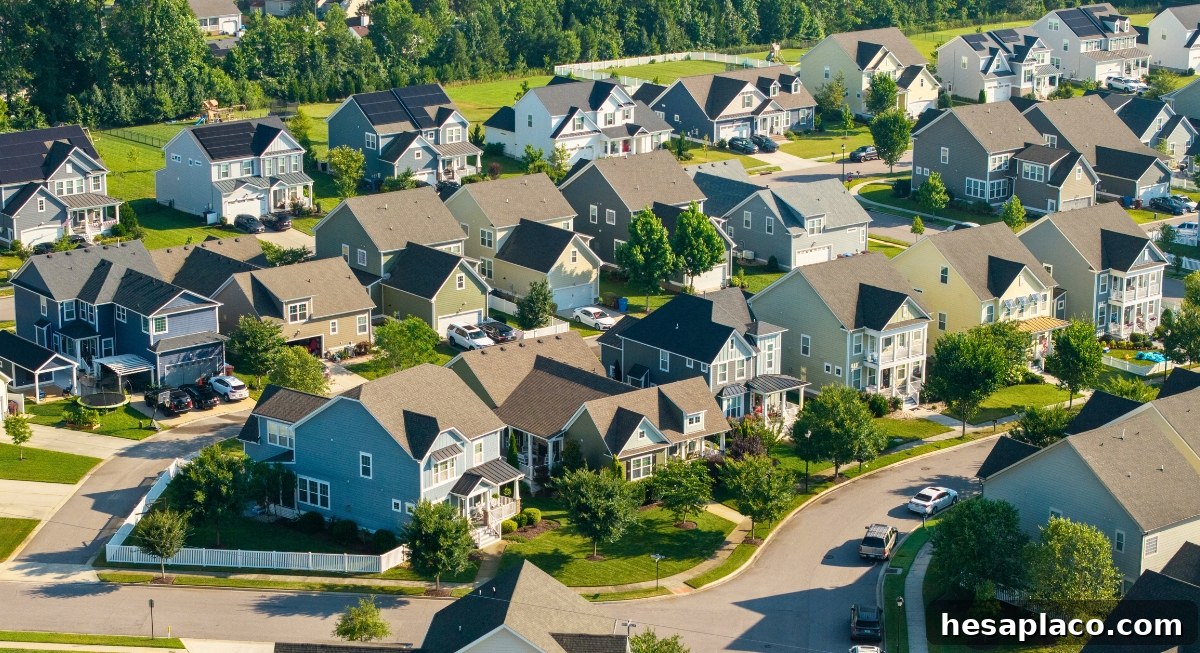
Home prices don’t always rise, even in California. Recently, a combination of higher interest rates, weakening buyer demand, and years of rapid appreciation has prompted analysts to warn of cooling markets. In many places values now sit far above long-term norms, making the math less sustainable. Below are 15 California cities that show signs of instability and could be vulnerable to corrections.
Irvine
Credit: Getty Images
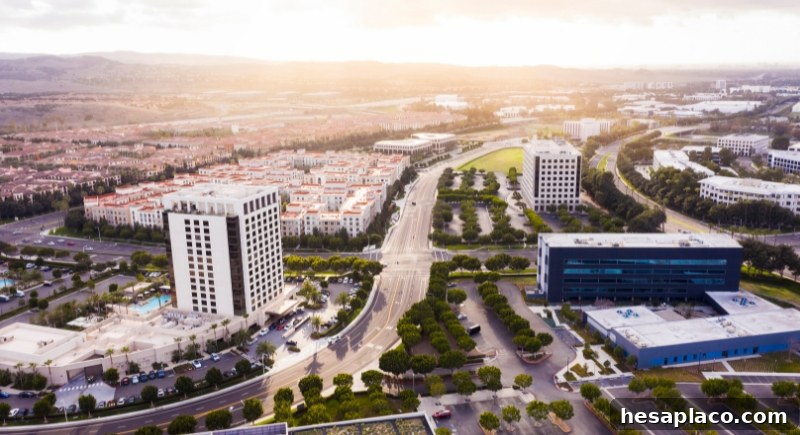
Irvine leads the list because prices have surged more than 410% since 2000. Current values exceed long-term trends by a wide margin, and the local market is cooling: foreign investor activity has tapered off, unsold inventory is building, and sales are slowing. Those shifts make the market more vulnerable if borrowing costs remain elevated or buyer demand softens further.
San Clemente
Credit: Getty Images
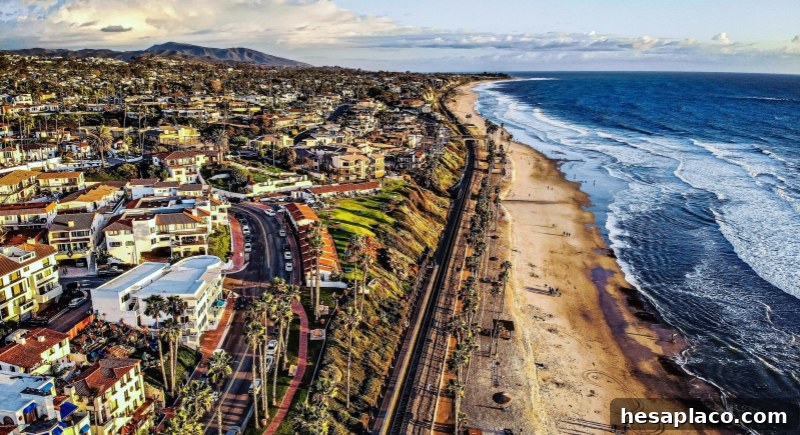
San Clemente has endured three significant downturns since 2000. Its price-to-income ratio now sits around 13.2, making it one of Southern California’s least affordable communities. Sales volume is decelerating, and analysts warn the area may be due for another sharp correction given how stretched affordability has become.
Milpitas
Credit: Getty Images
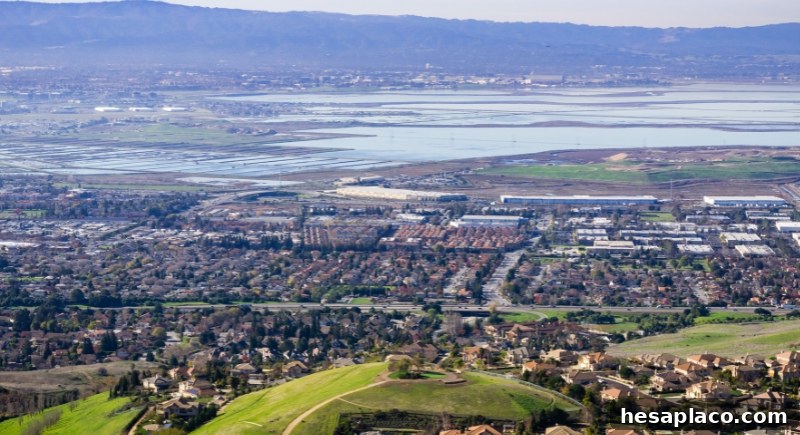
This Silicon Valley suburb has a history of volatility, including a 21.9% drop in 2009. Home prices are nearly 100% above long-run trends—about 99.7%—which leaves little margin for error. Because local demand is tied closely to the tech sector, recent industry layoffs and hiring slowdowns have raised fresh concerns about future price resilience.
Newport Beach

Credit: Getty Images
Newport Beach’s luxury market is cooling. Median prices are around $3.4 million, reflecting a rise of roughly 387% since 2000. High-end sales have softened—transactions above $5 million dropped about 31% this year—and economists note that luxury segments often suffer more in corrections when values sit far above historical averages.
Dana Point

Credit: Getty Images
Dana Point sits about 100% above its long-term pricing trend, a level that housing economists view as a clear warning. Home values have climbed more than 390% since 2000 while wages lag far behind. Days on market have nearly doubled year-over-year and mortgage applications have declined, suggesting buyer urgency is waning.
Mission Viejo
Credit: Getty Images
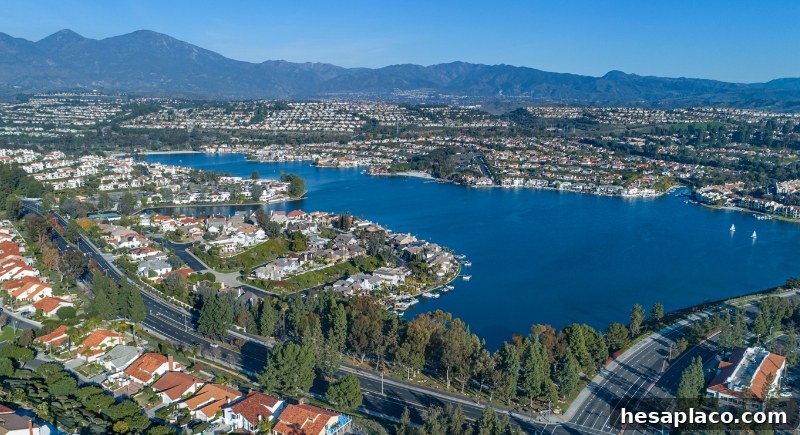
Housing costs in Mission Viejo have jumped about 340% since 2000, creating acute affordability challenges: only roughly 21% of residents can afford a median-priced home. Current values sit approximately 93.8% above the city’s sustainable trend. The market’s last major downturn in 2008 erased nearly 17% of value, a reminder of the downside risk.
Costa Mesa
Credit: Getty Images
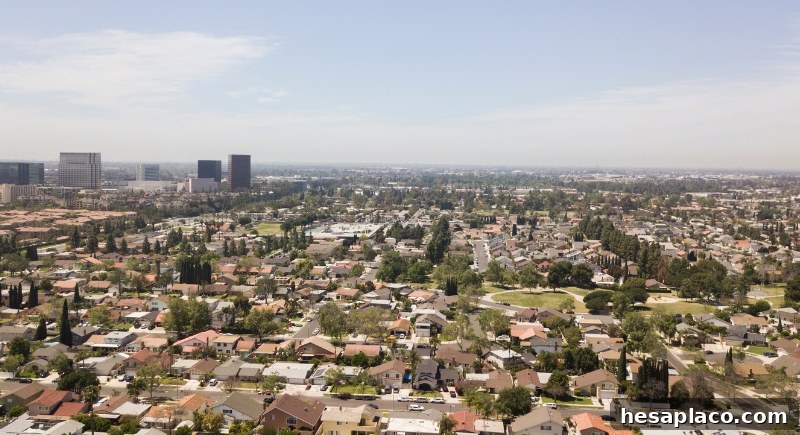
Median prices in Costa Mesa are now nearly $1.4 million after a rise of roughly 394% since 2000. That puts values close to double historical averages. The city experienced one of Orange County’s steepest declines in 2008—an 18.1% drop—and today listings are accumulating while sales slow, an early sign of market stress.
Tustin
Credit: Getty Images
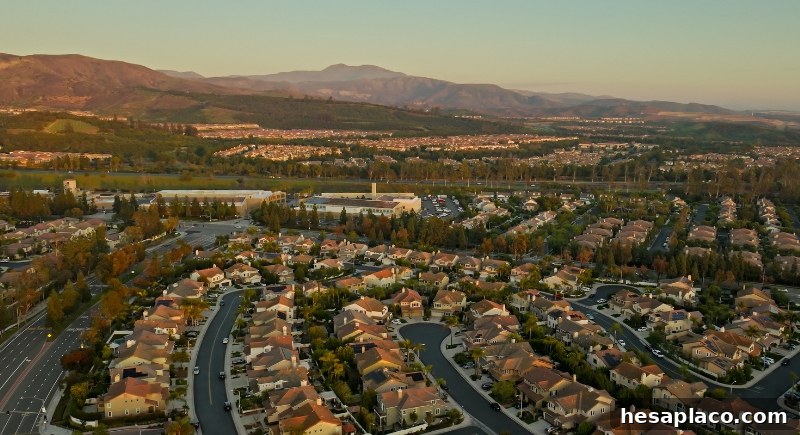
In Tustin fewer than one in five households can currently afford a home at median prices. Since 2000 housing costs have risen around 379%, leaving values roughly 97.4% above the city’s long-term average. Tustin has experienced steep declines in past cycles—most notably a 16.3% fall in 2008—so the elevated level merits caution.
La Cañada Flintridge
Credit: pexels
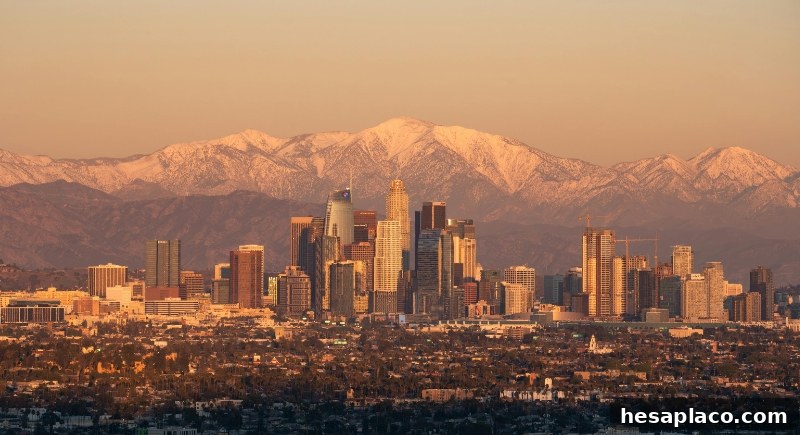
This Los Angeles County enclave now has a home-price-to-income ratio above 12, among the highest in the region. Prices have climbed about 298% since 2000. Past downturns hit this market hard, and analysts caution that even strong local amenities—such as top-ranked schools—may not fully insulate it from future corrections.
Lake Forest
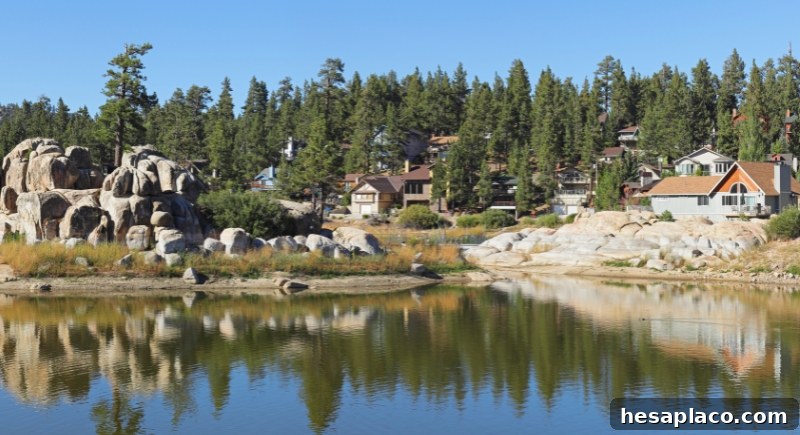
Credit: Getty Images
Home values in Lake Forest have climbed nearly 374% since 2000, leaving the market about 99% above its long-term trend. The Federal Reserve Bank of San Francisco has identified the city as one of California’s more overvalued areas. Average price swings exceed 11%, adding to the risk that buyers face if demand weakens.
Orange
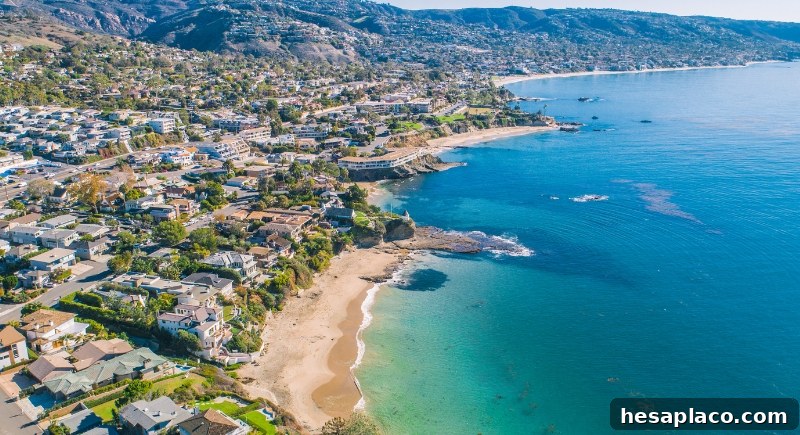
Credit: Getty Images
Sales volume in Orange declined about 19% in the first quarter, and the city’s historical record shows steep losses during downturns—an 18% decline in 2008, for example. Since 2000 home values have risen roughly 334%, while local wages have lagged, contributing to affordability pressures that could amplify a market retrenchment.
Coto de Caza
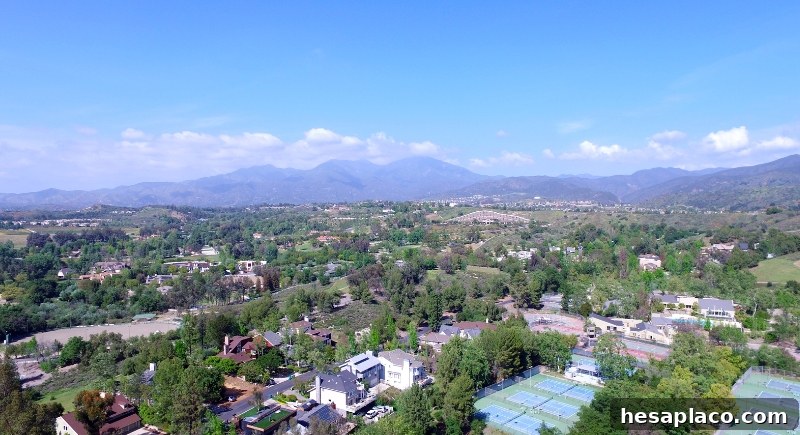
Credit: Wikimedia Commons
Behind its gated community image, Coto de Caza shows signs of strain: prices have increased about 299% since 2000 and now sit around 92.5% above historical norms. Luxury sales—particularly those above $2 million—have slowed markedly, and homes are taking nearly three months on average to sell, signaling reduced buyer urgency in the high-end segment.
Fountain Valley
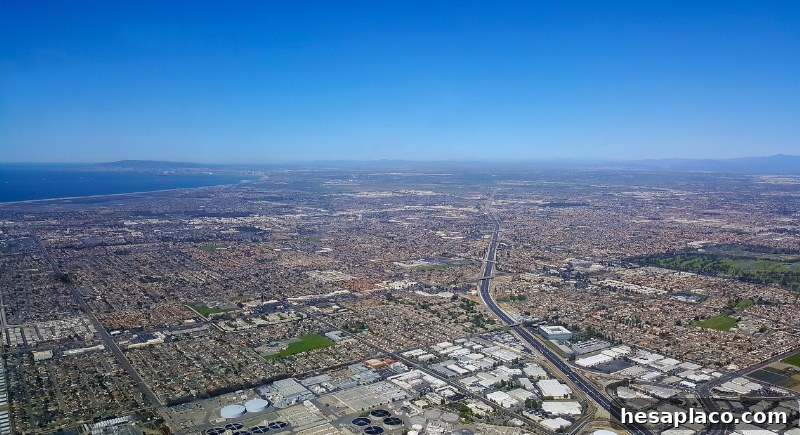
Credit: Wikimedia Commons
Fountain Valley’s median home value is roughly $1.37 million, placing it about 101.8% above its long-term trend. The market has experienced multiple crashes in past cycles, including a 16.2% drop in 2008. Recently mortgage applications have fallen about 26% while new listings have increased, a combination that often precedes price pressure.
San Ramon
Credit: Getty Images
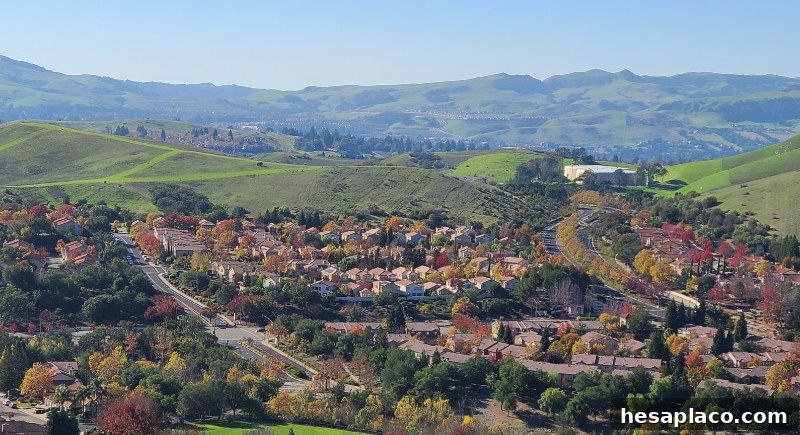
San Ramon has seen three major downturns since 2000 and now has prices roughly 86.3% above trend. Home values have risen about 308% while incomes haven’t kept pace. The market is showing more listings and fewer pending sales, a shift that could signal waning demand and increased downside risk if conditions deteriorate.
Villa Park
Credit: Facebook
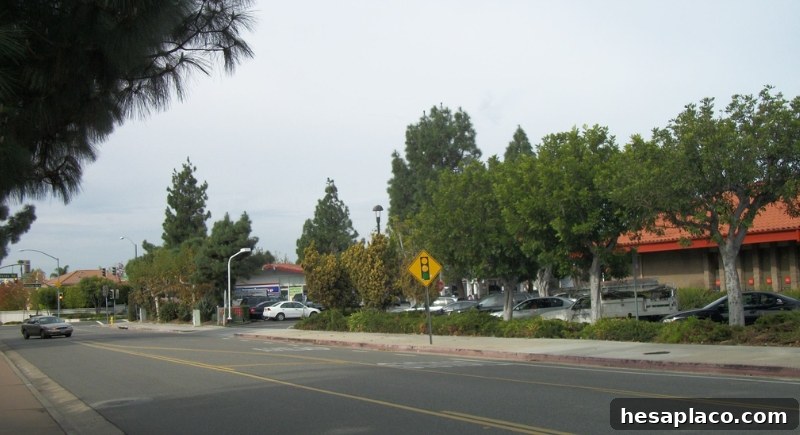
Villa Park is a small city with a high price tag: median home values sit above $2.3 million and are about 89.2% over the long-term average. The city has experienced three significant downturns, including a 14.3% fall during the 2008 crisis. With affordability stretched and demand softening in some luxury tiers, prices may face pressure without renewed buying activity.