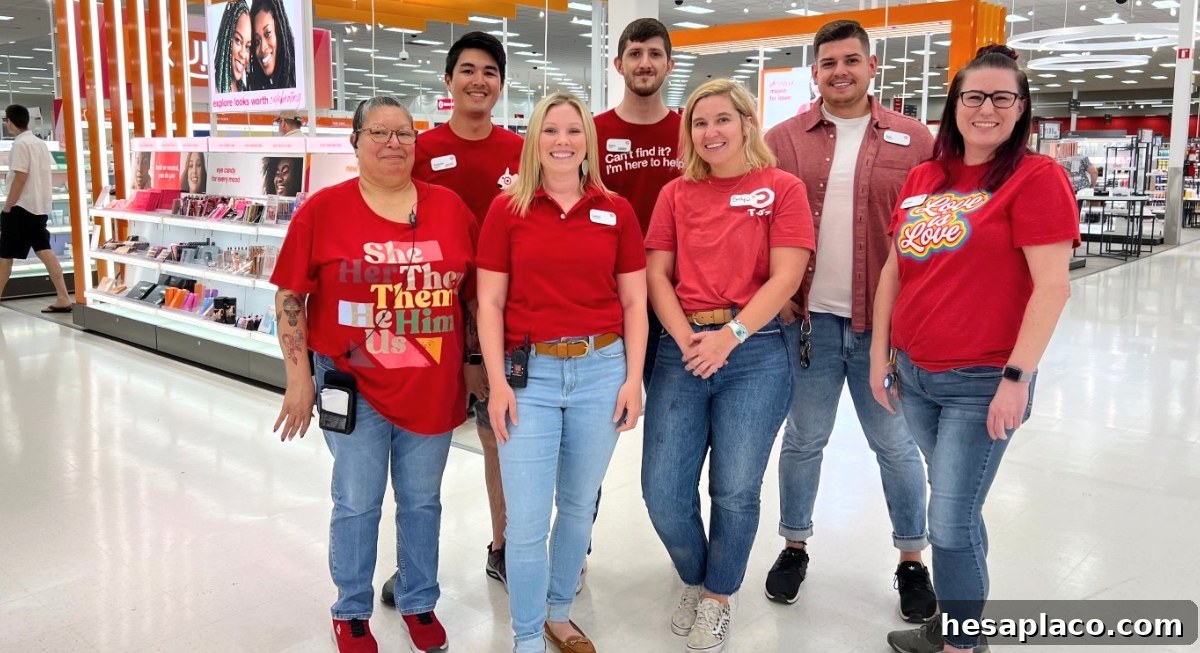
Pay at Target varies by job function, store location, experience, and internal promotions. For anyone considering a role there—or curious about how retail compensation really works—understanding the pay structure provides insight into how a large retailer sets wages. This guide explains typical pay ranges for different roles, why those ranges differ, and how benefits, bonuses, and career advancement shape the complete compensation picture at the store level.
Base Pay for Hourly Team Members Starts Around $15

Credit: Getty Images
The entry-level rate typically starts at about $15 an hour, which serves as the baseline for many hourly roles. Stores in higher-cost areas or regions with tighter labor markets often pay more—some offer $17 or higher. Local cost of living, competition for workers, and regional labor data all influence the actual rate a store posts.
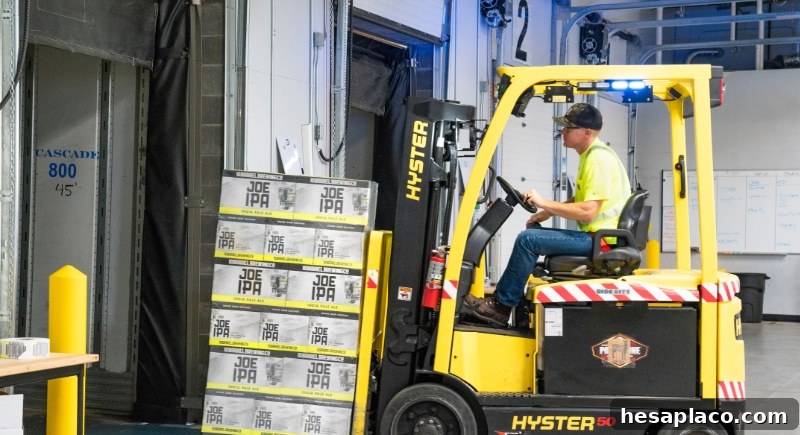
New Pay Ceiling for Hourly Roles Reaches $24
Credit: pexels
The top of the hourly band can reach around $24 per hour. Roles at this level often involve more complex responsibilities or challenging shifts—overnight stocking, heavy logistics tasks, or positions at stores where attracting qualified workers requires higher wages.
Specialty Job Titles Don’t Necessarily Mean Higher Base Pay

Credit: pexels
Titles like “Beauty Consultant” or “General Merchandise Expert” reflect specific duties and expertise, but they typically fall within the same $15–$24 hourly band. The job title signals the role’s focus rather than guaranteeing a distinct pay tier—unless an employee takes on extra responsibilities that come with a bump in pay.
Team Leads Earn a Notable Bump Above Entry-Level Roles

Credit: Dragon Images
Supervisory hourly positions, such as Team Lead, typically start around $19 an hour and can reach into the mid-$20s depending on tenure and store volume. Long-tenured Team Leads—especially those with many years at the company—have reported earnings well above that range in some cases.
Executive Team Leaders Move Into Salaried Pay

Credit: Canva
The Executive Team Leader (ETL) role is typically the first salaried position at the store level. ETLs manage departments such as apparel, electronics, or logistics and oversee teams and store operations. Base salaries commonly start near $55,000 annually; many ETLs fall in the $65,000–$85,000 range depending on responsibilities and performance.
Some ETLs Break Six Figures in High-Volume Stores

Credit: Mango Star Studio
Experienced ETLs in very busy stores or competitive markets can reach six-figure total compensation. Hitting this level generally requires strong performance, leadership, and the ability to manage complex store operations over time.
Store Directors See a Wide Salary Range

Credit: Getty Images
Store Directors are the senior leaders of individual Target locations and manage hiring, sales, training, compliance, and overall store performance. Base salaries commonly start around $90,000 and can rise toward $150,000 in larger stores or high-cost markets.
Bonuses Can Push Some Store Directors Above $180,000

Credit: Canva
Performance-based bonuses tied to sales, staffing, and other goals can significantly increase a Store Director’s total compensation. Hitting aggressive targets can push total pay to $180,000 or more for top-performing directors in high-volume locations.
Wage Hikes Are Strategic, Not Purely Charitable

Credit: Getty Images
While Target emphasizes an employee-focused culture, many pay increases respond to labor market dynamics. Raising wages helps lower turnover and training costs. When retail hiring is difficult, companies raise pay as a retention strategy—driven by business needs as much as by worker support.
Pay Varies Widely by Store Location

Credit: Getty Images
Although corporate hourly bands give a general range, actual pay is adjusted for local market conditions. A cashier in a rural area may earn the base rate while one in a major metro could receive above-base pay. These adjustments reflect regional cost of living and labor competitiveness.
Flexible Roles Don’t Always Come With Much Higher Pay

Credit: Canva
Departments like Flexible Fulfillment or backroom logistics are sometimes presented as higher-paying due to tougher duties. In reality, the premium can be small—often less than a dollar an hour—so pay doesn’t always align closely with workload, especially for newer employees.
Health Coverage Begins at 25 Hours a Week

Credit: Getty Images
Target lowered its healthcare eligibility threshold to an average of 25 hours per week from a previous 30-hour requirement. This change allows more part-time employees to qualify for benefits sooner, making coverage accessible to a broader set of workers.
New Benefits Include Fertility and Family Support

Credit: Getty Images
Recent updates to benefits have expanded fertility assistance, virtual physical therapy, and paid family leave. Target also offers adoption and surrogacy reimbursements. These additions aim to make retail careers viable across different life stages, including for part-time and mid-career employees.
Debt-Free Education Support Adds Career Incentives

Credit: Canva
Target’s tuition-free programs cover more than 250 courses across over 40 colleges, encouraging internal advancement. The initiative is designed to keep employees on payroll while they develop skills—whether they aim to advance in retail management or pursue different careers entirely.
Stable Scheduling Is Now Part of the Retention Strategy

Credit: Getty Images
Predictable scheduling, regular check-ins, preferred shift tracking, and better forecasting tools are part of Target’s retention playbook. These measures help employees plan life outside work—important for roles that require weekend, evening, or holiday coverage—and contribute to lower turnover and better morale.