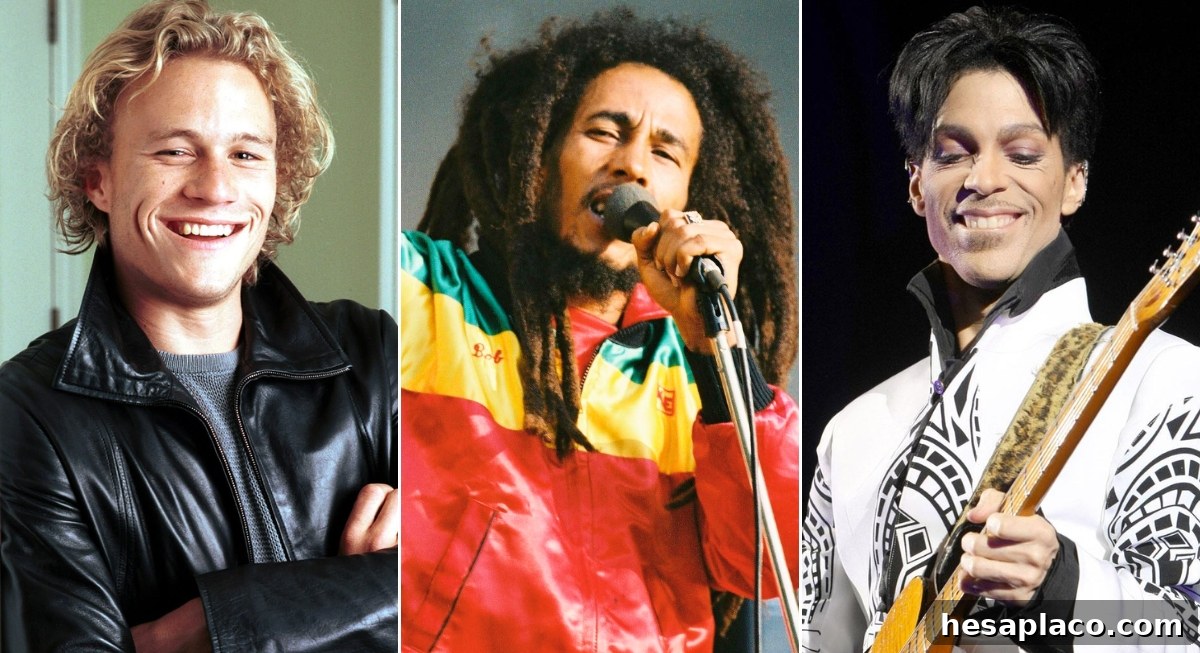
Not every celebrity planned ahead for what would happen to their assets after they died. Some left significant legacies but either had no will or left unclear instructions, creating lengthy and often bitter legal disputes among family members, friends, and business associates. Below are notable examples of public figures whose estates became complicated because their intentions were not clearly documented.
Aretha Franklin

Credit: flickr
When Aretha Franklin died in 2018, she left an estate estimated at about $80 million but without a formal typed will. Investigators later found two handwritten documents at her home, including a 2014 note discovered on a couch that sparked disputes among her children. After legal challenges, a jury eventually validated the 2014 document, which became the basis for dividing her assets.
Prince
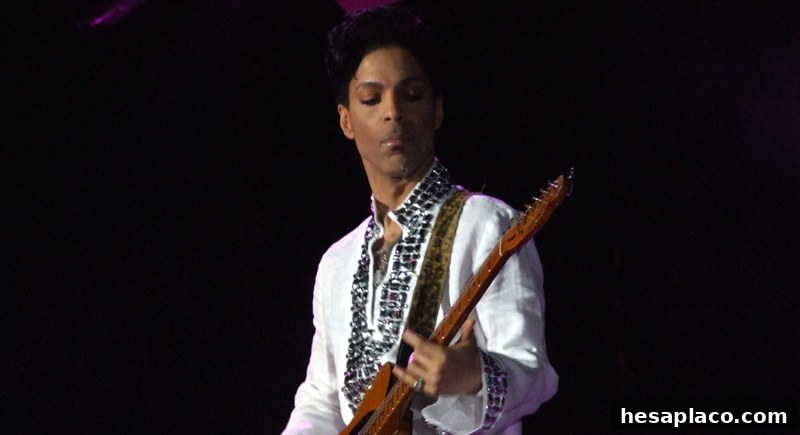
Credit: Wikimedia Commons
Prince’s unexpected death in 2016 left his estate—valued at roughly $156 million—without a will. Dozens of individuals came forward claiming to be heirs, and the resulting litigation and probate proceedings lasted for years as courts worked to determine rightful beneficiaries and manage the artist’s catalog and earnings.
Amy Winehouse

Credit: flickr
Amy Winehouse died in 2011 with an estate valued at around $4.66 million. Her parents inherited the assets, and her father, Mitch Winehouse, was appointed administrator. Years later, disputes emerged when Amy’s former husband sought a share, resulting in additional legal proceedings over the estate’s distribution.
Bob Marley
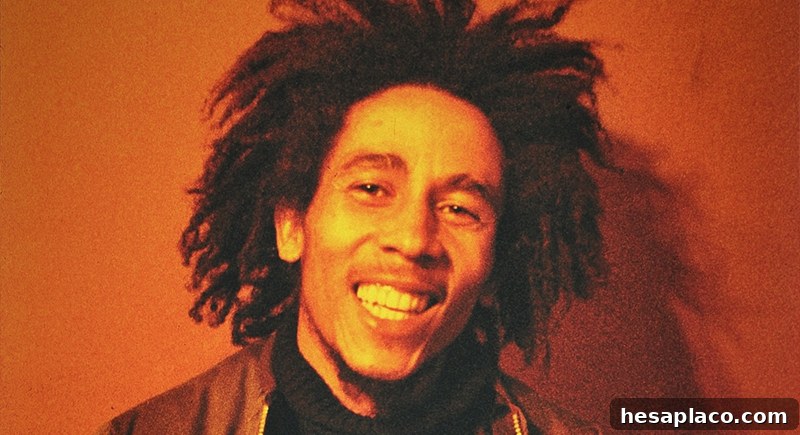
Credit: Instagram
Bob Marley died in 1981 without a clear, binding will, leaving an estate and intellectual property that became the subject of protracted legal disputes. For decades his family and former partners debated ownership and control of music rights, likenesses, and business interests, demonstrating how unresolved estate planning can complicate an artist’s legacy.
Jimi Hendrix
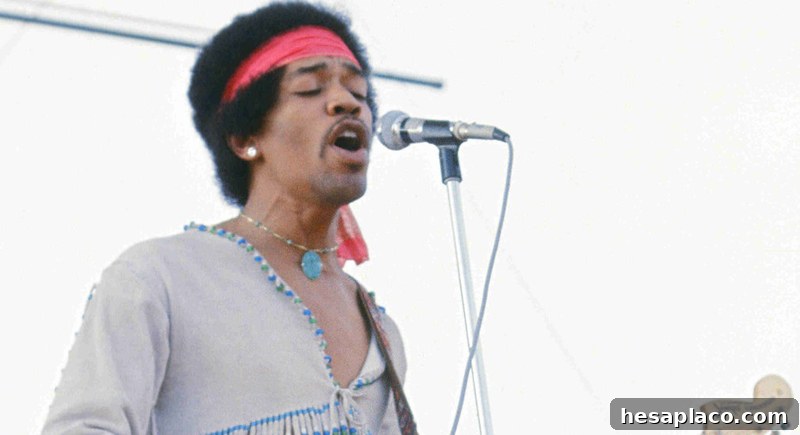
Credit: flickr
When Jimi Hendrix died in 1970, he had not left a will. At the time his estate was modest, but over the decades its value swelled as his recordings and royalties grew. The absence of clear directives triggered more than 30 years of litigation involving family members, former partners, and collaborators over rights to his music and earnings.
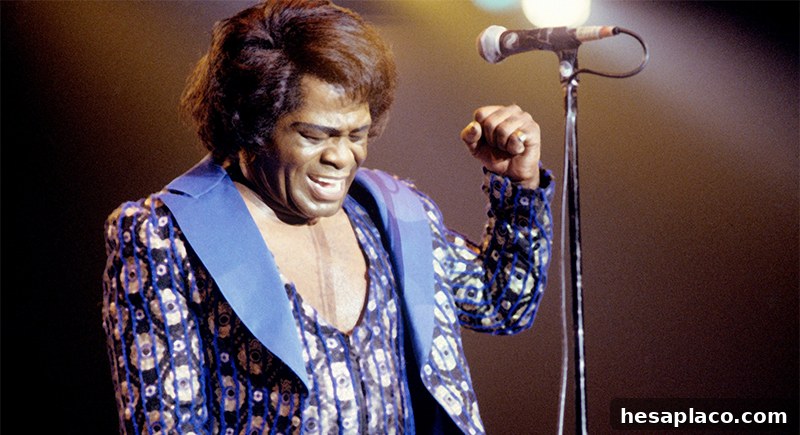
James Brown
Credit: Wikimedia Commons
Although James Brown had a will, his estate encountered years of litigation and delays. Conflicts involving his surviving partner’s prior marriage and disagreements about Brown’s intention to fund a scholarship resulted in multiple lawsuits, stretching the estate’s settlement over more than a decade.
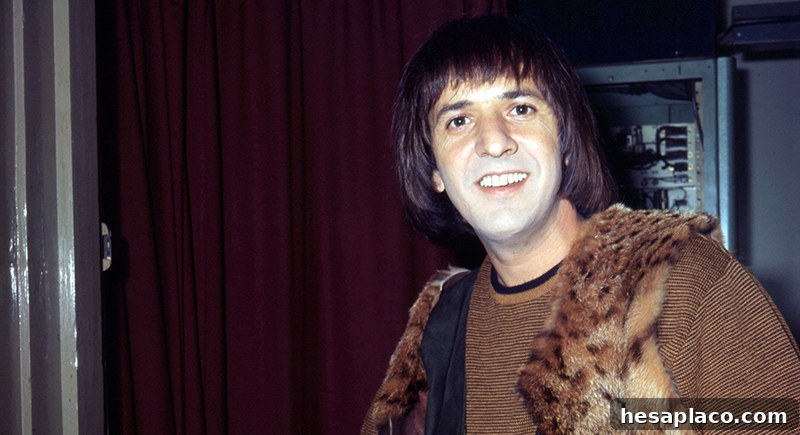
Sonny Bono
Credit: IMDb
Sonny Bono’s death in a 1998 skiing accident left an estate estimated at $1.7 million. While his then-wife Mary Bono moved to manage the probate process, unexpected claims—such as a purported child from a prior relationship and demands from his ex-wife Cher—further complicated the proceedings and prolonged resolution.
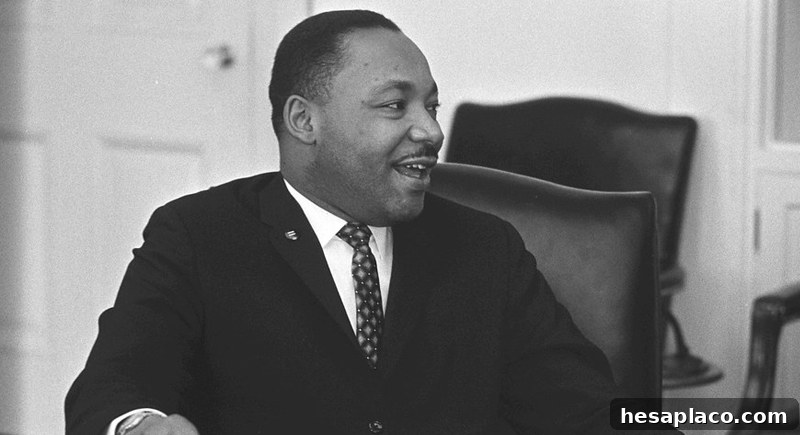
Martin Luther King Jr.
Credit: flickr
After Martin Luther King Jr. was assassinated in 1968, disputes over his possessions and archives emerged. His estate, modest in monetary terms at the time, included historically significant items such as his Nobel Peace Prize and other personal papers. Questions over custody, control, and use of these materials have led to legal challenges that persisted for many years.
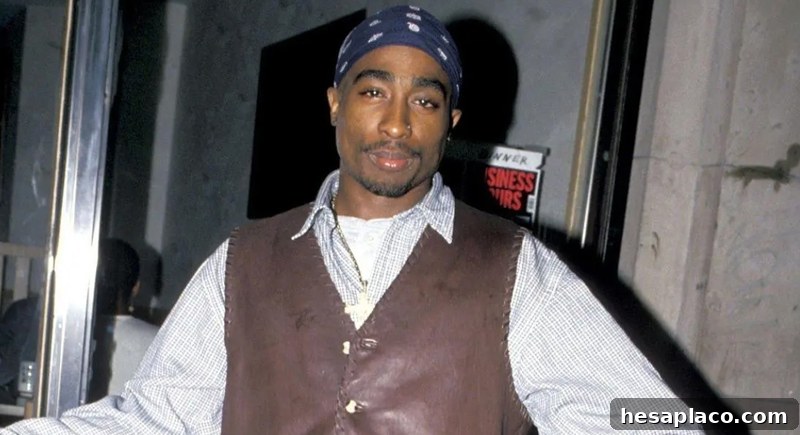
Tupac Shakur
Credit: Instagram
Tupac Shakur had an estate valued at about $200,000 when he died, and without a will his mother took responsibility for managing his legacy. Over time she grew the estate’s value significantly, but the lack of formal estate planning led to disputes among relatives over music royalties and control of the name and likeness.
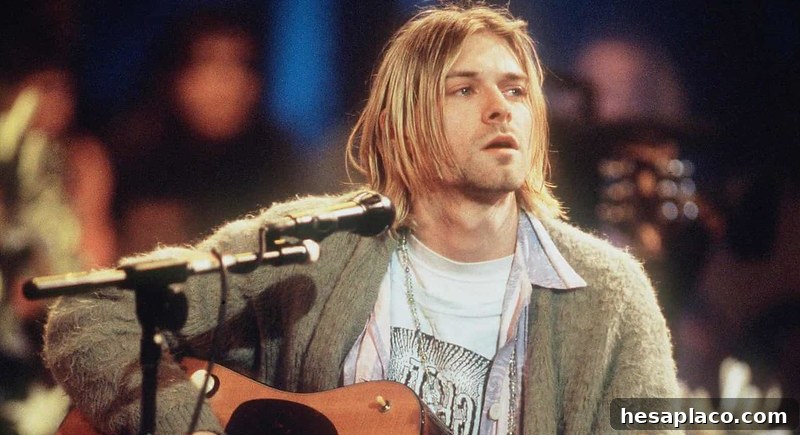
Kurt Cobain
Credit: flickr
Kurt Cobain died in 1994 with an estate estimated around $50 million. Because he left no will, his wife at the time, Courtney Love, had legal authority under local law to administer the estate. Reports later noted that Cobain had been considering divorce, underscoring how the absence of clear estate instructions can lead to difficult outcomes for surviving loved ones.
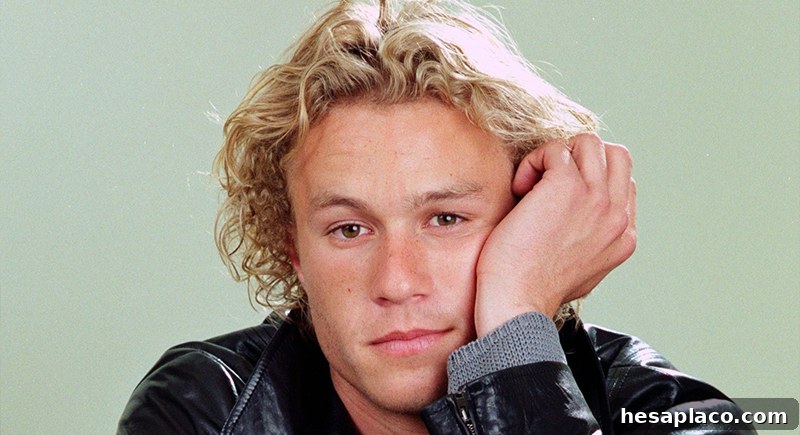
Heath Ledger
Credit: Instagram
Heath Ledger had a will, but it had not been updated since 2003. That outdated document created complications for distributing his assets after his death in 2008. Ultimately, Ledger’s family voluntarily conveyed the entirety of his estate—valued at more than $20 million—to his daughter, but the situation highlights the importance of keeping estate documents current.
Tony Hsieh

Credit: flickr
Tony Hsieh, former CEO of Zappos, died in a 2020 house fire. His estate included extensive real estate holdings and other assets valued in the hundreds of millions. A will was later found among the possessions of an acquaintance who had been named as co-executor, but because it surfaced after probate had already begun, the delay added complexity to the estate’s administration.
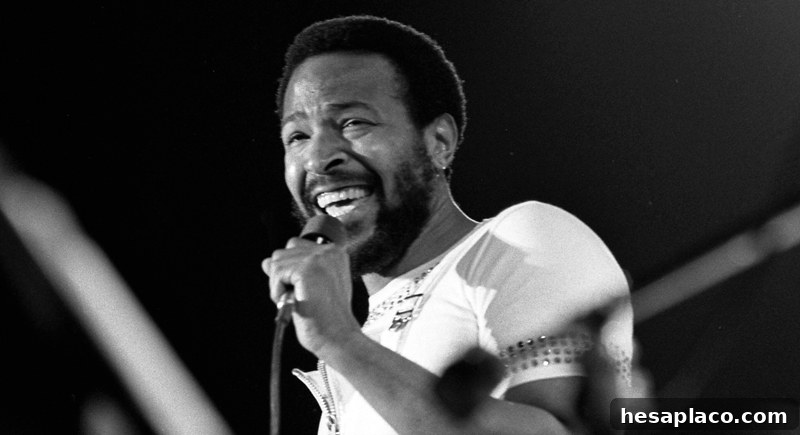
Marvin Gaye
Credit: Wikimedia Commons
Marvin Gaye’s death in 1984 left both an absence of a will and a substantial debt load—reported at roughly $9.2 million—creating a financially tangled estate. His heirs faced lengthy legal and financial disputes over royalties and outstanding obligations as they worked to protect and monetize his musical legacy.
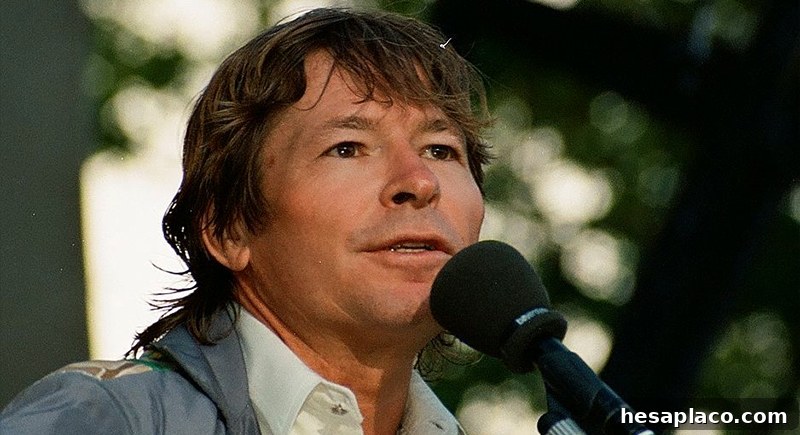
John Denver
Credit: Wikimedia Commons
John Denver’s fatal accident in 1997 left an estate estimated at about $19 million. Though his ex-wife served as executor, prolonged disputes among family members extended the probate process for several years before final distribution of assets was achieved.
Chadwick Boseman
Credit: Wikimedia Commons
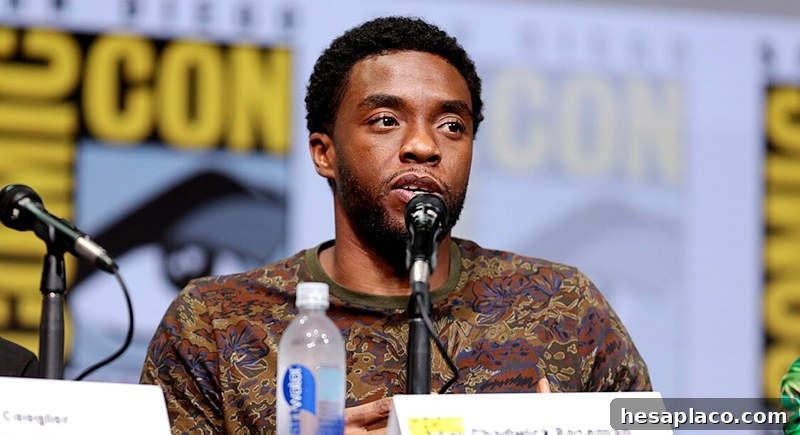
Chadwick Boseman died in 2020 after a private battle with cancer and reportedly left no will. His estate, valued at several million dollars, was administered by his wife, who petitioned the court to settle and distribute his assets according to state probate law. The case underscores how unexpected deaths without clear directives shift the burden of estate administration to survivors and the courts.
Anne Heche
Credit: Instagram
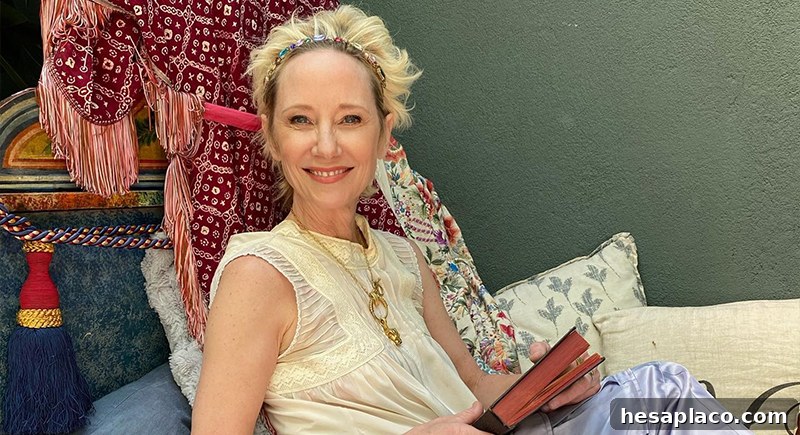
Anne Heche died in 2022 without a valid, up-to-date will, triggering disputes about who should manage her affairs and protect the interests of her children. Differing claims from her eldest son and a former partner created a contested probate situation as courts moved to determine appropriate guardianship and administration.
These high-profile examples illustrate how the absence of clear estate planning—whether through no will, outdated documents, or ambiguous instructions—can leave loved ones and estates mired in lengthy legal and financial disputes. Proper estate planning, including current wills and designated executors, helps reduce conflict and ensures a person’s wishes are honored.