
You check your bank account and find $5,000 you never expected. No explanation, no notice—just money sitting there. For a moment it feels like a windfall, but before you make plans, ask yourself: can you legally keep it?
The Short Answer: No

Credit: Getty Images
Keeping funds that do not belong to you—even if they appear in your account by mistake—is not lawful. Banks have the right to reclaim accidental deposits, and using those funds can expose you to civil or criminal consequences. The proper step is to notify your bank immediately and leave the money untouched until the situation is clarified.
Why Do Banks Make Mistakes?

Credit: flickr
Millions of transactions move through banks every day, and errors inevitably occur. Human mistakes, duplicate entries, misdirected transfers, and software glitches can all produce accidental deposits. Still, banks monitor transactions closely and have procedures to correct these errors when identified.
Can a Bank Reverse an Accidental Deposit?
Credit: pexels
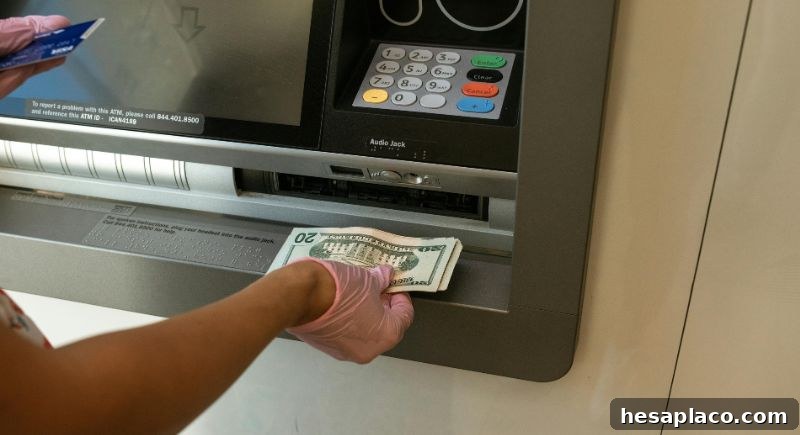
Yes. Banks typically have the legal authority to reverse incorrect deposits, often at any time after the mistake is detected. If they reverse the deposit and your account no longer covers withdrawals, you may face overdraft fees or other charges.
Is Keeping an Accidental Deposit Theft?

Credit: Getty Images
Keeping or spending money you know isn’t yours can be treated as theft, fraud, or unjust enrichment. Those are serious allegations that can lead to civil suits to recover the money and, in extreme cases, criminal charges.
What If You Spend the Money?

Credit: Canva
If the bank discovers the error after you’ve spent the funds, it will typically remove the amount from your account. That can leave you with a negative balance, overdraft fees, and a legal obligation to repay. In some publicized situations, people who spent large accidental deposits have faced criminal prosecution.
Real-World Consequences

Credit: Getty Images
There are real examples of serious outcomes. For instance, a couple who received an accidental $120,000 deposit and spent it were later charged with felony theft when they could not return the money. Such cases show how costly an impulsive decision to keep or spend mistaken funds can be.
What Should You Do If You Receive an Accidental Deposit?

Credit: Corelens
The correct response is to leave the money untouched and contact your bank as soon as possible. Prompt notification reduces the risk of misunderstandings and helps protect you from financial penalties or legal exposure.
Document Your Communication

Credit: Dragon Images
Keep detailed records of all interactions with the bank: dates, times, the names of representatives, and any confirmation or reference numbers. Written or recorded evidence of your effort to resolve the issue can be crucial if disputes arise later.
Monitor Your Account

Credit: Getty Images
Even after reporting the deposit, continue to monitor your account for additional errors or corrections. Systems sometimes require follow-up adjustments, and staying vigilant helps you catch any unexpected changes quickly.
If You’ve Already Spent Some Funds

Credit: Gpoint Studio
If you have used part of the mistaken deposit, contact the bank immediately, explain what happened, and ask about repayment options. Avoid further withdrawals while the situation is being resolved to minimize additional liability.
Don’t Ignore the Problem

Credit: pexels
Hoping the bank won’t notice is a high-risk approach. Banks have monitoring systems and procedures to identify and correct mistakes, and they will seek to recover funds either automatically or through legal channels.
Financial and Legal Risks

Credit: Getty Images
Aside from overdraft fees and possible repayment demands, keeping accidental deposits can harm your financial record. Banks may report disputes, and unresolved defaults can affect your credit and banking relationships.
Unjust Enrichment and Civil Liability

Credit: pexels
The law often treats knowingly keeping someone else’s money as unjust enrichment. That means the bank or the rightful owner can sue to recover the funds, plus interest, fees, or damages, turning a seeming windfall into a costly legal matter.
Beware of Scams

Credit: iStockphoto
Sometimes a surprise deposit is part of a scam. Fraudsters may post a fake deposit to prompt you to send money back before the bank identifies the transfer as fraudulent. If you return funds that were never legitimately yours, you can lose real money. Always contact your bank directly through official channels and follow their guidance before taking any action.
In summary: if you receive an unexpected deposit, do not spend it. Notify your bank right away, document all communications, and monitor your account until the matter is resolved. Acting quickly and transparently protects you from financial loss and potential legal consequences.