
Summer can strain even the most careful budgets. Between trips, weekend plans and tempting seasonal sales, it’s easy to lose track of spending. With some intentional planning, however, you can enjoy the season without derailing your finances. The following practical tips help you stretch your dollars while still making the most of summer.
Plan Spending Around Specific Events
Credit: Getty Images
Rather than relying on a vague monthly allowance, build mini-budgets for individual events—weddings, day trips, graduations, or concerts. Assigning a specific amount to each event makes costs feel more manageable and prevents surprise shortfalls. This method keeps you proactive about upcoming expenses instead of wondering where the money went.
Set Aside a Weekly Fun Cap

Credit: Canva
Spontaneous outings add up fast. Decide on a fixed amount of discretionary cash you can spend each week and treat it as your “yes” fund for impromptu plans. Knowing your limit lets you accept invitations without the anxiety that comes from overspending.
Use Multiple Savings Buckets

Credit: Getty Images
Create separate accounts or sub-accounts for travel, events and everyday expenses. Many banks offer fee-free sub-accounts that make it easy to divide funds. Isolating summer-specific savings reduces the impulse to use that money for routine purchases.
Add a Cooling-Off Period Before Buying

Credit: Getty Images
Summer often inspires impulse purchases—outdoor furniture, seasonal clothing, or gadgets. Set a rule to wait at least 24 hours for nonessential purchases over a certain amount; for larger expenses, extend that to 48 hours. Pausing gives you time to evaluate whether the item truly fits your needs and budget.
Plan Meals With Summer in Mind

Credit: Getty Images
Loose summer schedules can lead to more eating out. Prepare simple meals ahead of time, focus on seasonal, affordable produce like corn and tomatoes, and pack food for day trips. A quick grocery run before a weekend away can prevent costly restaurant meals and save a surprising amount.
Review Subscriptions Before Traveling

Credit: studioroman
If you’ll be away often, pause services you won’t use—streaming platforms, gym memberships, meal boxes, or other subscriptions. Many services offer temporary suspension options. Turning them off while you’re gone frees up cash that would otherwise be wasted.
Track Spending Daily During Trips

Credit: Getty Images
Monitor daily expenses while traveling instead of reviewing everything at trip’s end. A quick check on a budgeting app or a simple note on your phone lets you catch overspending early and adjust plans the next day to stay on track.
Automate Summer Savings

Credit: pixelshot
Set up automatic transfers into a summer savings account each payday. Even modest, regular amounts accumulate and relieve the pressure when deposits or tickets are due. Automating savings turns it into a habit rather than a decision every month.
Track Travel Rewards and Points

Credit: Getty Images
Before booking, check credit card rewards and loyalty balances. You might have enough points for a hotel night or a discounted flight. Using rewards for major travel expenses saves cash for things that don’t accept points, such as meals and local activities.
Adjust Utilities for Seasonal Habits
Credit: Canva
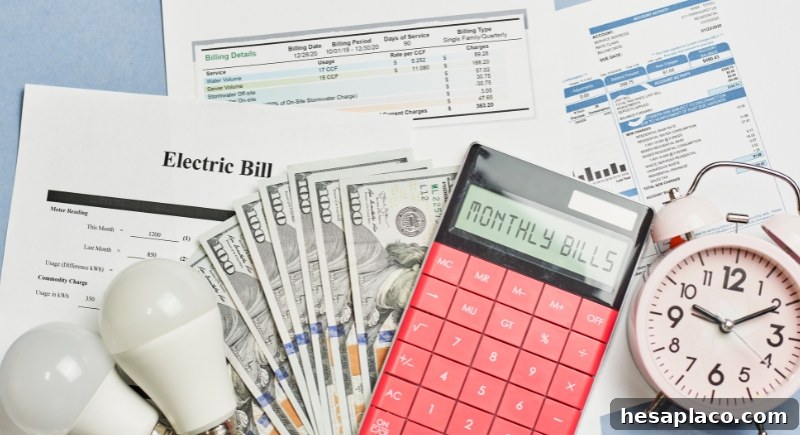
Cooling costs can climb quickly. Adjust the thermostat when you’re not home, unplug unused electronics, and use vacation modes where available. Small changes in how you manage household energy can add up to significant savings over the summer.
Plan Free or Low-Cost Local Outings

Credit: Getty Images
Explore free or inexpensive local options: outdoor concerts, movie nights, museum discount days, parks, and markets. These activities provide memorable experiences without the high cost of destination travel, and they can become recurring favorites.
Share Costs With Friends When Possible

Credit: Canva
Splitting expenses for barbecues, beach house rentals or group outings reduces per-person cost and makes planning simpler. Pooling resources spreads the load and often leads to better, more relaxed experiences for everyone involved.
Check Travel Dates for Off-Peak Savings

Credit: DragonImages
Flight and hotel rates can drop significantly outside peak travel windows. If your schedule allows, shifting a trip by a few days—avoiding holiday weekends or peak weeks—can yield meaningful savings while still delivering the same destination experience.
Revisit Insurance Coverage Before Trips

Credit: Getty Images
Check existing coverage before buying extra travel insurance. Credit cards and current policies may include rental car coverage or medical assistance abroad. Knowing what’s already covered helps you avoid paying for duplicate protection.
Create a Running List of Summer Deals

Credit: Getty Images
Keep a simple list of relevant sales, promo codes and offers that match your plans. Whether it’s discounts on outdoor gear or local ticket specials, checking that list before buying can convert full-price purchases into thoughtful bargains.
With a few intentional habits—planning by event, automating savings, tracking rewards and being flexible on dates—you can enjoy summer’s highlights without compromising long-term financial goals. Small adjustments and a little foresight add up, leaving room for the memories that make the season worthwhile.