
Most wills are ordinary: straightforward, uneventful, and legally valid. Occasionally, however, someone leaves instructions that are puzzling, highly specific, or downright whimsical. While some of these stories sound like urban legends, they were actually written, signed, and witnessed as official last wishes—and they sometimes forced executors, courts, and families to make unusual decisions.
Below are some of the most unusual, legally documented will clauses that saved, inconvenienced, or amused the people left behind.
Spring-Loaded Coffin
Credit: Getty Images
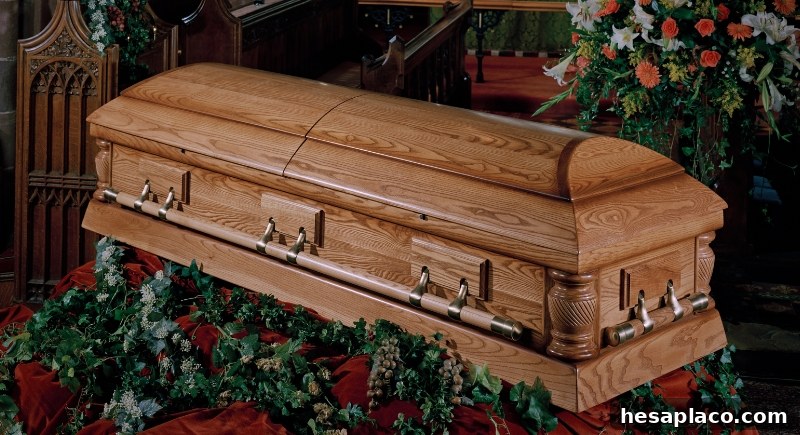
One man included a humorous but precise instruction in a required workplace will: he wanted his coffin fitted with a spring so that anyone who opened it later would be startled. The request was meant as a prank aimed at unknown future discoverers rather than family, and his lawyer allowed it because it was harmless, clear, and legally feasible.
Fountain For Humans and Animals

Credit: pixabay
When city planners renovated a park, they discovered a century-old deed restriction requiring a drinking fountain “fit for man and beast alike.” Because the condition threatened reversion of the land to the donor’s descendants, the city installed a fountain that included a low basin for dogs to drink from, thereby satisfying the covenant and keeping the park in public use.
Goldfish Given a Trust and Daily Avocado

Credit: Getty Images
In the United Kingdom, a woman established a trust of £100,000 intended to pay for the care of her pet goldfish, including the unusual dietary request that it be fed fresh avocado daily. Because pets cannot inherit directly, British law allowed a trust to finance the animal’s upkeep. The arrangement paid a caregiver to maintain the fish and carry out the specific feeding instructions.
Lawyer Left Estate to the Woman with Most Children
Credit: iStockphoto
A Toronto lawyer drafted a clause leaving the bulk of his estate to whichever local woman had the most children by a specified future date. When the deadline passed, the woman with ten children claimed the inheritance. The provision was legally valid, albeit eccentric, and it left many people surprised at the unconventional criterion.
Daily Roses for a Lifetime

Credit: Canva
Comedian Jack Benny included a romantic instruction in his will: he prepaid a florist to deliver a single red rose to his wife every day for the rest of her life. Mary Benny did not know of the plan until the deliveries began. The gesture required ongoing payments and coordination but became a poignant, tangible reminder of her husband’s affection.
Estate Frozen Over Missing Chocolate Bars

Credit: Canva
A grandfather named a specific chocolate bar for each grandchild in his will. Some beneficiaries were hard to locate, which delayed settlement of the estate. Courts required the executor to demonstrate reasonable efforts to find all recipients before distributing assets, showing how even small bequests can complicate probate if beneficiaries cannot be located.
Children Inherit Cats—but Not Much Else

Credit: Getty Images
In one family, parents grew so annoyed with household pets that they decided to leave their children only the cats—and distribute money, art, and property to charities and friends. The children received responsibility for the animals but none of the other assets, an arrangement that reflected the parents’ frustration and demonstrated how wills can be used to communicate strong personal intentions.
One Penny and a Personal Insult to Relatives

Credit: Getty Images
Some wills channel personal grievances into formal documents. In one case, a grandmother left one penny to nearly every relative and attached a cutting remark beside each name. Only one grandchild received a substantial bequest. Although courts can challenge wills on grounds like undue influence or incapacity, this will displayed no clear signs of incapacity and stood as a deliberate, if stinging, final statement.
Pringles Can Burial

Credit: pexels
Fred Baur, the chemist who helped design the Pringles can, loved his invention enough to ask that his ashes be buried in one. After his death, family members honored the request and placed some of his ashes inside a Pringles can before interring it. The wish was unusual but sufficiently specific and feasible for the family to carry out.
Posthumous Public Display
Credit: Wikimedia Commons
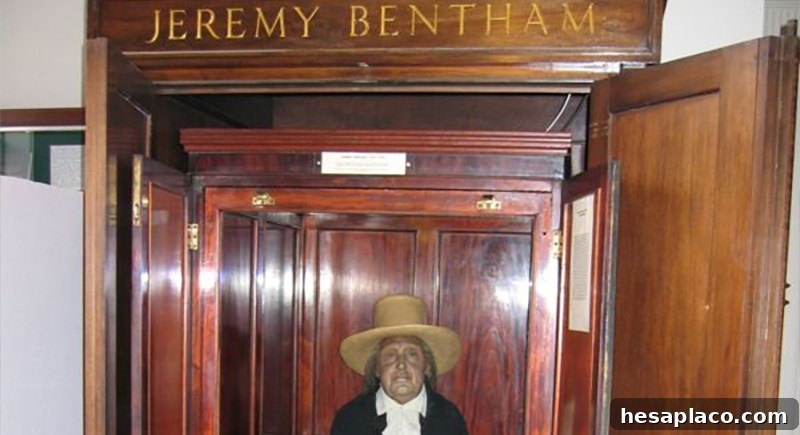
Philosopher Jeremy Bentham requested that his body be preserved and displayed in a seated position inside a wooden cabinet. Although his head did not preserve well and was later replaced with a wax model, his skeleton and wax head remain on public display at University College London. Bentham’s will combined personal philosophy with a deliberate public statement about mortality and the body.
Dog Euthanasia Request

Credit: Getty Images
Wills that involve instructions about living animals can create legal and ethical dilemmas. In one case, a woman asked that her dog be euthanized and buried beside her if the dog outlived her. Because such a request could conflict with animal welfare laws and personal ethics, executors had to consult lawyers and animal welfare authorities before acting on the instruction, highlighting the limits of enforceability.
Business Tie Left to a Grandson

Credit: Getty Images
One man left a seemingly ordinary but personally meaningful item—a navy blue tie patterned with pink elephants—to his grandson. The tie symbolized the owner’s self-confidence in business; he had worn it during meetings to unsettle competitors and to demonstrate boldness. The bequest was modest but carried a clear message about courage and personal style.
Furby Collection and a Taxidermied Moth
Credit: pexels
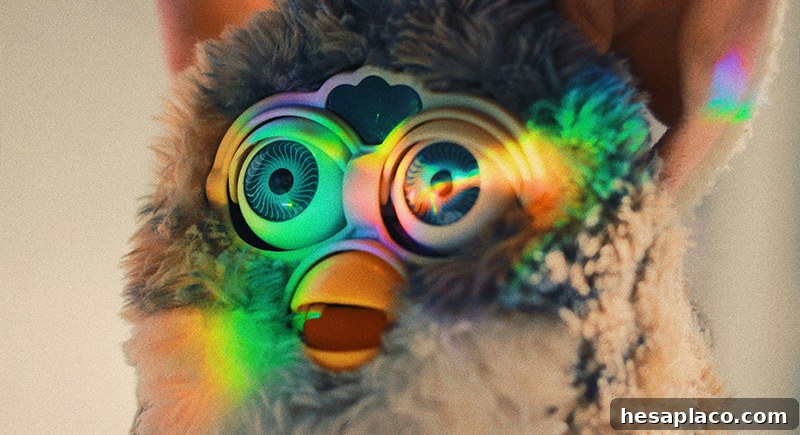
After a collector’s death, her full set of 1990s Furby toys was left to one relative and a taxidermied silk moth to another. Neither recipient had been particularly close to the deceased, yet they accepted the items as quirky legacies that reflected her tastes. These bequests illustrate how sentimental value can outweigh monetary worth in estate planning.
House Can’t Be Sold While Cat Lives

Credit: pexels
In an unusual life estate arrangement, a homeowner specified that her cats should remain living in her house after her death. A friend inherited the property but only on the condition that the cats be cared for and remain in residence until they died. The requirement effectively kept the home off the market for many years and shows how pets can influence long-term property plans.
Robert Louis Stevenson “Gave Away” His Birthday
Credit: Wikimedia Commons
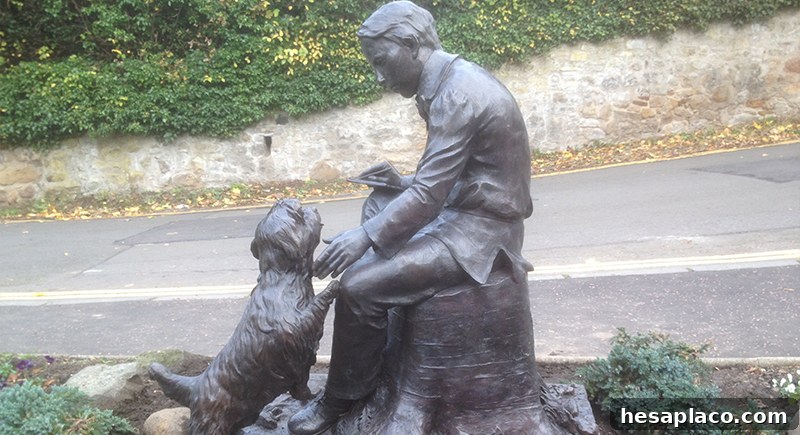
Author Robert Louis Stevenson included a sentimental, nonbinding gesture in his will: he declared that a friend who felt overlooked for being born on Christmas Day could have his birthday, November 13, as her own. Although the declaration had no legal force, the friend and her family honored the sentiment, turning a small, personal act into a lasting tribute.
Wills can preserve values, memories, jokes, or grudges just as easily as they can distribute property. When drafting final wishes, clarity and feasibility matter: clear language helps executors and courts follow the decedent’s intent, while feasible requests avoid legal or ethical conflicts. These odd and creative examples show how personal priorities—love, humor, revenge, or charity—can shape a person’s final instructions in memorable ways.