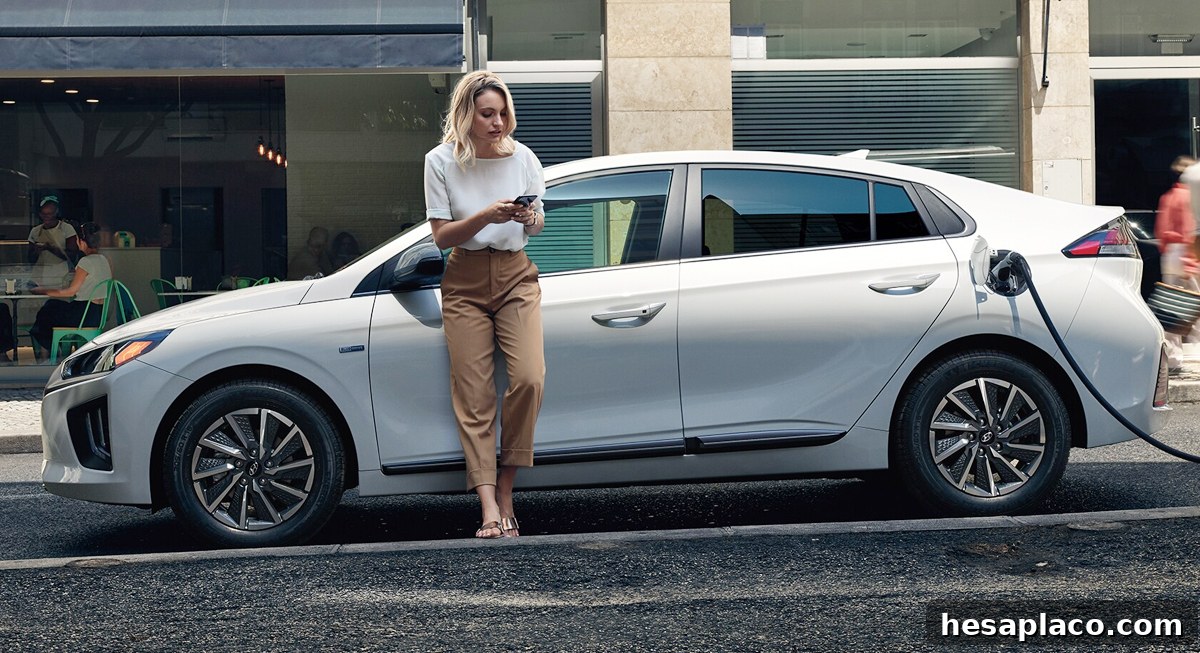
Finding a dependable vehicle shouldn’t drain your bank account. In 2026, hybrid and plug-in hybrid technology deliver an excellent blend of fuel efficiency and affordability, helping drivers cut fuel costs from day one while retaining strong real-world usability. Below is a curated list of practical hybrid and plug-in hybrid options to consider—models that combine low running costs, solid reliability, and sensible pricing for budget-conscious buyers.
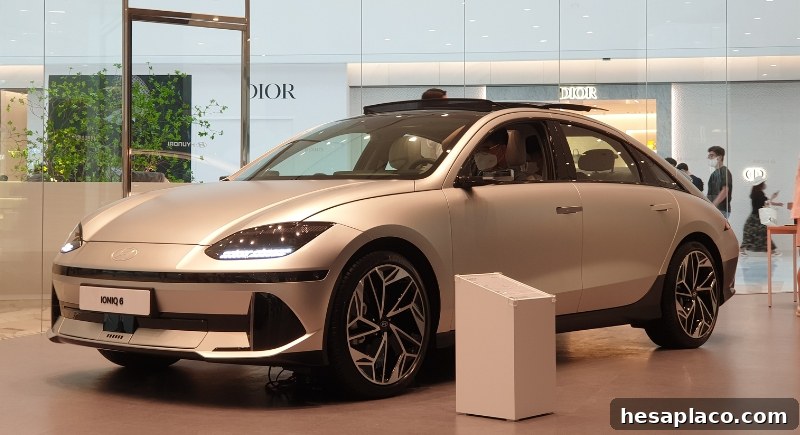
Hyundai Ioniq 6
Credit: Wikimedia Commons
The Hyundai Ioniq 6 is an all-electric sedan, so it does not meet strict hybrid or plug-in hybrid criteria. For readers focused specifically on hybrid drivetrains, consider Hyundai’s hybrid models such as the Elantra Hybrid or Tucson Hybrid, which deliver comparable efficiency in a non-electric package.
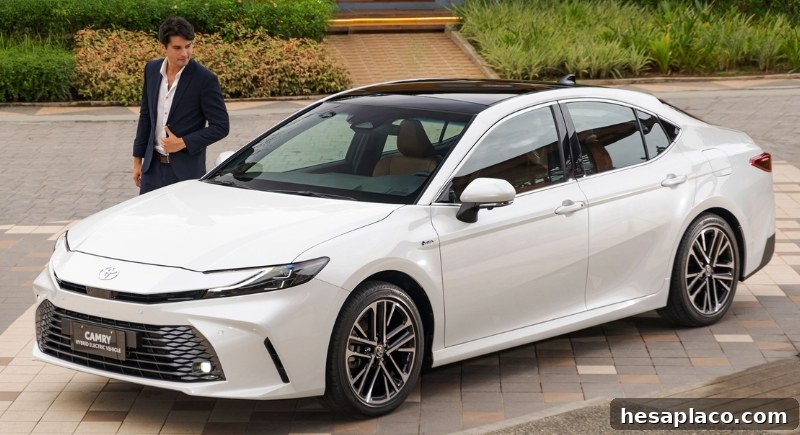
Toyota Camry Hybrid
Credit: Facebook
The 2026 Toyota Camry Hybrid remains a benchmark for sensible commuting. Equipped with a full hybrid powertrain, it achieves an estimated 51 mpg combined and starts under $30,000 in many trims. The Camry Hybrid delivers legendary Toyota reliability, low maintenance costs, and comfortable daily-driving dynamics—making it an excellent choice for buyers seeking long-term value and fuel savings.
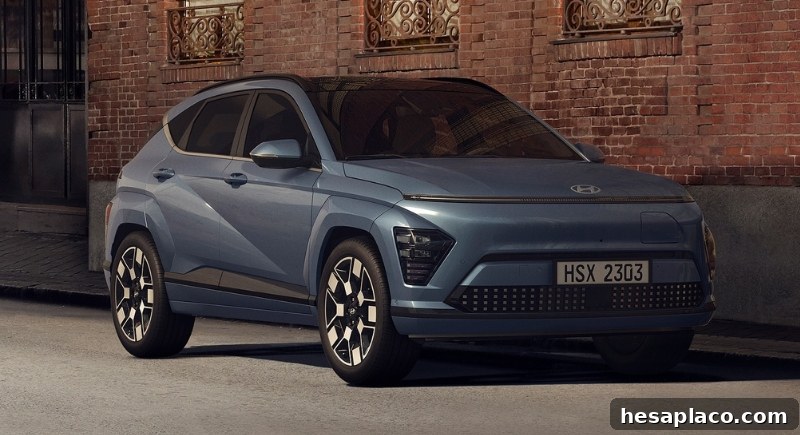
Hyundai Kona Electric
Credit: Instagram
The Kona Electric is a battery-electric vehicle and therefore not a hybrid. While it offers zero-emission driving and strong range for city and suburban use, buyers specifically looking for gas-electric hybrids should focus on models that combine an internal combustion engine with electric assistance for extended range without dependency on charging infrastructure.
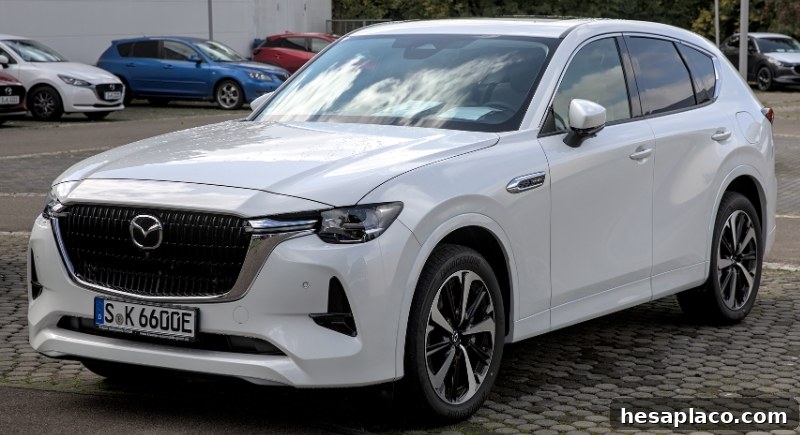
Mazda CX-90 PHEV
Credit: Wikimedia Commons
The Mazda CX-90 PHEV is a compelling three-row plug-in hybrid that suits families who want daily electric driving for short trips and traditional gasoline range for longer journeys. With around 26 miles of electric-only range, the CX-90 PHEV lets many households handle errands and commutes on battery power while retaining the flexibility and convenience of a gasoline engine for road trips and hauling. It also emphasizes comfort and refinement at a price below many luxury alternatives.
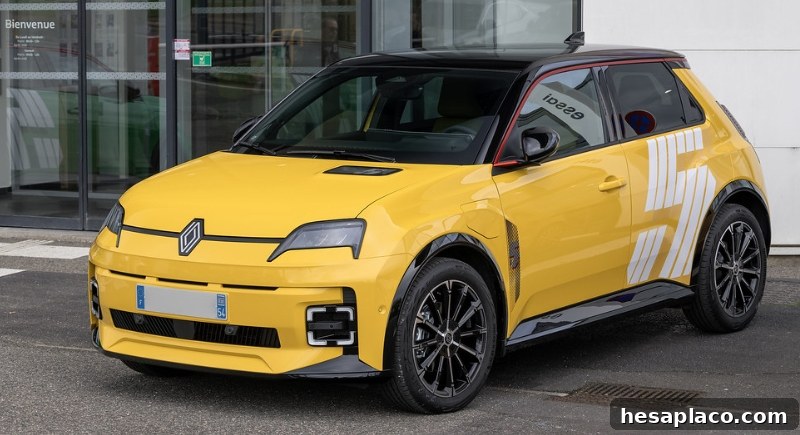
Renault 5 E-Tech
Credit: flickr
The Renault 5 E-Tech is a fully electric city car built primarily for European markets rather than a hybrid. If you’re shopping in regions where this model is unavailable or prefer a hybrid configuration, look for compact hybrids that deliver strong urban efficiency while keeping refueling options simple in areas with limited charging infrastructure.
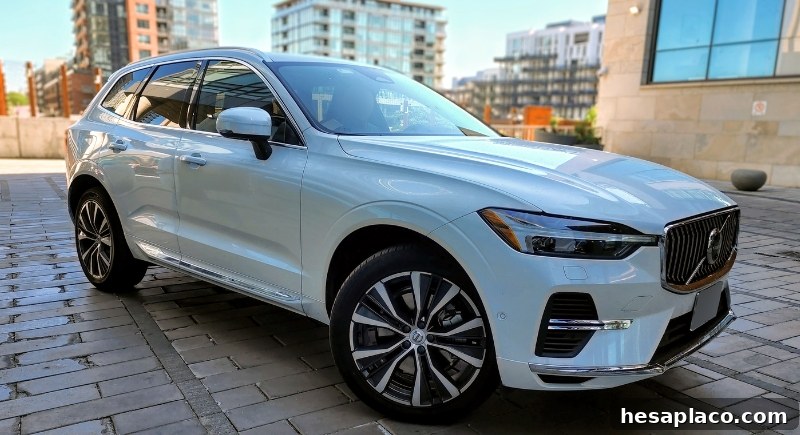
Volvo XC60 Plug-In Hybrid
Credit: Wikimedia Commons
The Volvo XC60 Plug-In Hybrid blends premium comfort with practical electric range—typically around 35 miles of electric driving and roughly 28 mpg combined on gasoline when operating as a hybrid. This configuration allows many commuters to eliminate daily fuel consumption entirely while preserving a comfortable, well-equipped cabin and advanced safety features expected from Volvo.
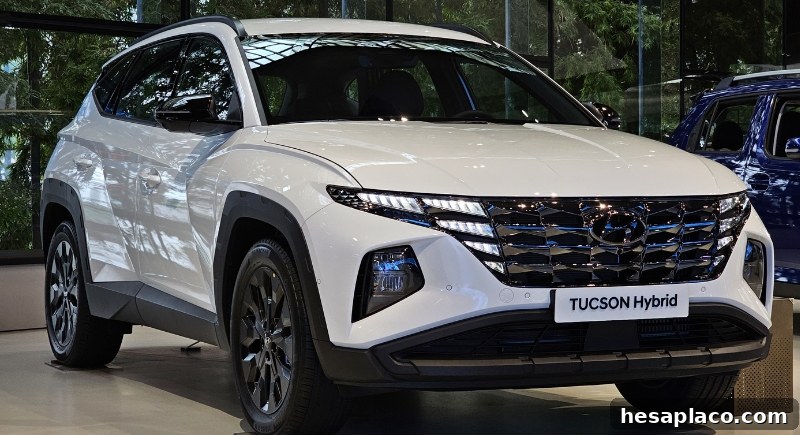
Hyundai Tucson Hybrid
Credit: Wikimedia Commons
Priced attractively under many competitors, the Hyundai Tucson Hybrid is a smart compact SUV choice. It returns approximately 38 mpg combined, includes standard all-wheel drive on many trims, and offers a practical interior layout. The Tucson Hybrid delivers family-friendly utility, solid fuel economy, and strong value without pushing buyers into a high price bracket.
Ford F-150 Lightning
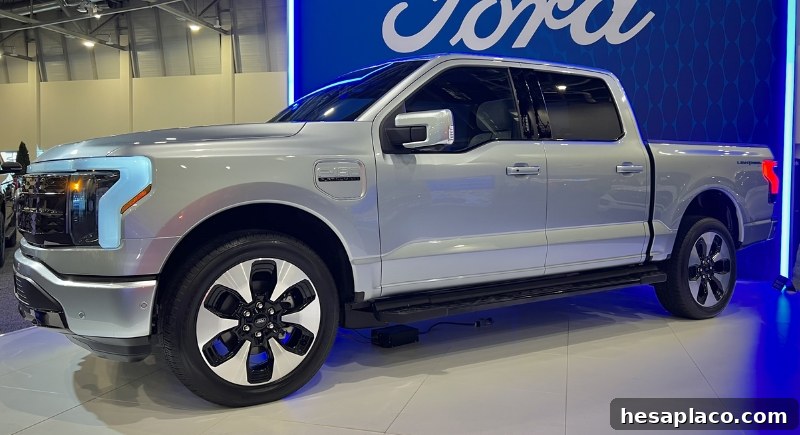
Credit: Wikimedia Commons
The Ford F-150 Lightning is a full battery-electric pickup and does not contain a hybrid powertrain. It’s an excellent option for buyers prioritizing zero-emission capability, towing, and electric utility, but those specifically seeking hybrid trucks should consider conventional hybrid or mild-hybrid pickups that pair combustion engines with electric assistance.
Renault Scenic
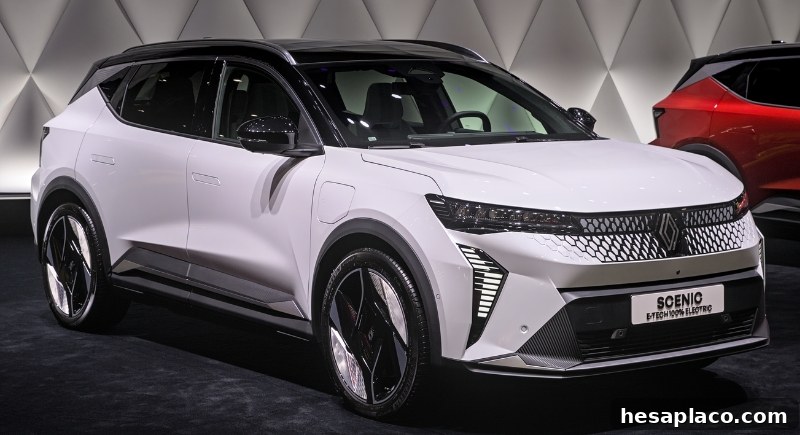
Credit: Wikimedia Commons
The Renault Scenic is offered as a fully electric family crossover in many markets outside North America and does not use a hybrid drivetrain. For buyers in North America or those preferring hybrid systems, there are comparable family crossovers available domestically that combine strong fuel economy with broad dealer support and service networks.
Kia EV3
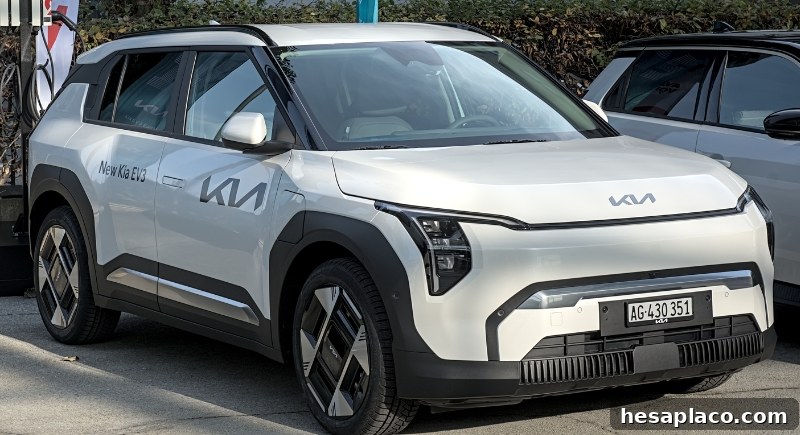
Credit: Wikimedia Commons
The Kia EV3 is a battery-electric model and therefore not a hybrid. It’s a good fit for buyers focusing on electric-only transport, but those seeking the combined benefits of gasoline backup with electric efficiency should evaluate Kia’s hybrid and plug-in hybrid options in the Seltos or Sportage lineups.
Skoda Elroq
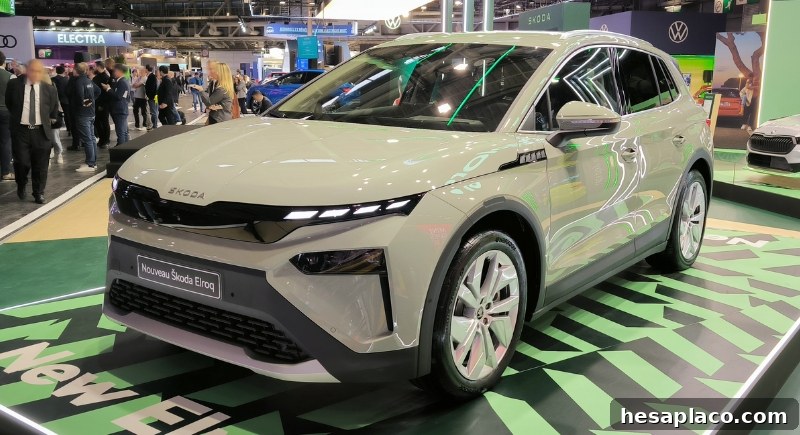
Credit: Wikimedia Commons
The Skoda Elroq is a fully electric compact SUV offered for European markets and lacks a hybrid powertrain. Buyers in those markets who prefer a hybrid can often find Skoda and Volkswagen Group models with mild-hybrid or plug-in hybrid powertrains that better match hybrid-focused requirements.
Lucid Air
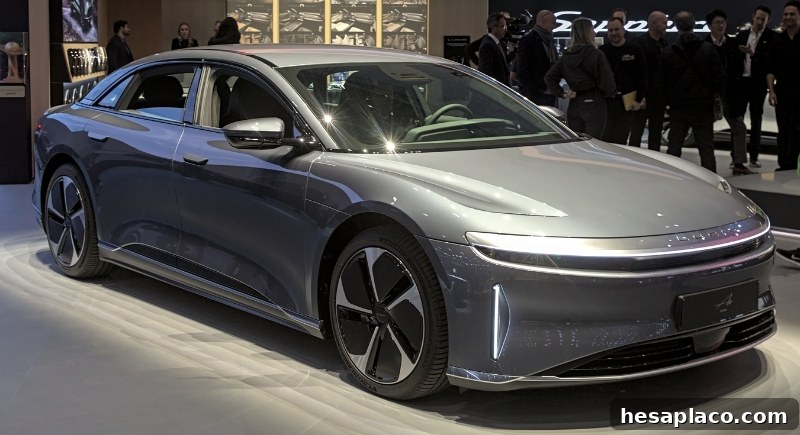
Credit: Wikimedia Commons
The Lucid Air is a luxury electric sedan built around high-performance battery-electric architecture. It offers exceptional electric range and premium features, but it does not fall into hybrid or plug-in hybrid categories.
Rivian R1S
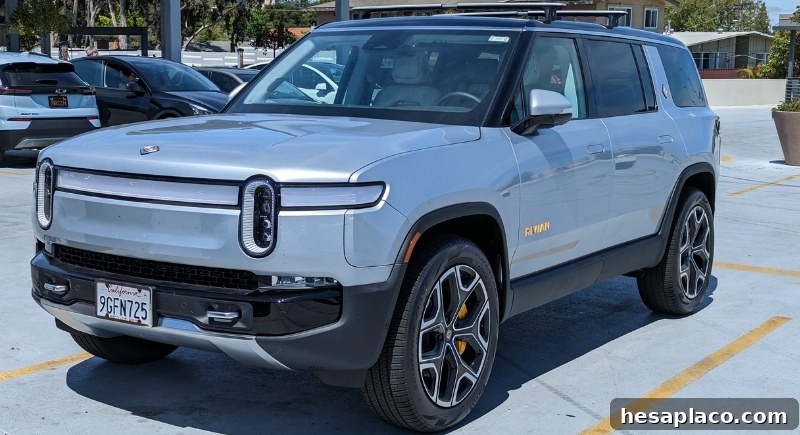
Credit: Wikimedia Commons
The Rivian R1S is a large electric adventure SUV that runs exclusively on battery power. It’s designed for off-road capability and lifestyle use without a hybrid gasoline backup, so it does not match hybrid-focused criteria.
Volvo EX30
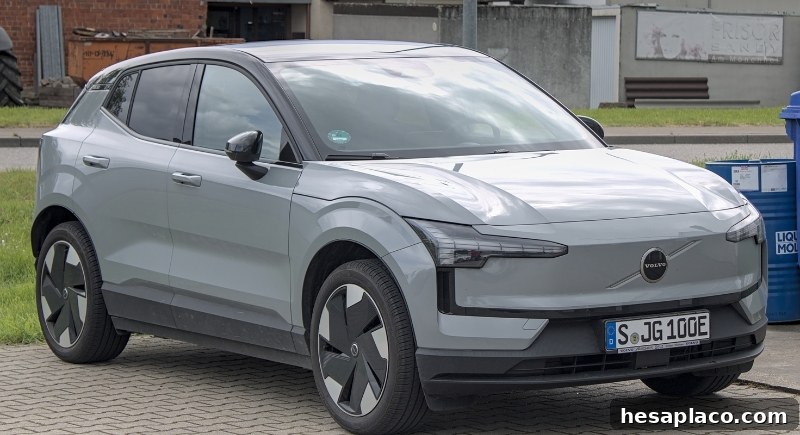
Credit: Wikimedia Commons
The Volvo EX30 is a subcompact, battery-electric vehicle focused on urban efficiency and lightweight design. It does not offer a hybrid drivetrain, so shoppers seeking gas-electric efficiency should evaluate other Volvo models with hybrid or mild-hybrid systems.
Hyundai Ioniq 5
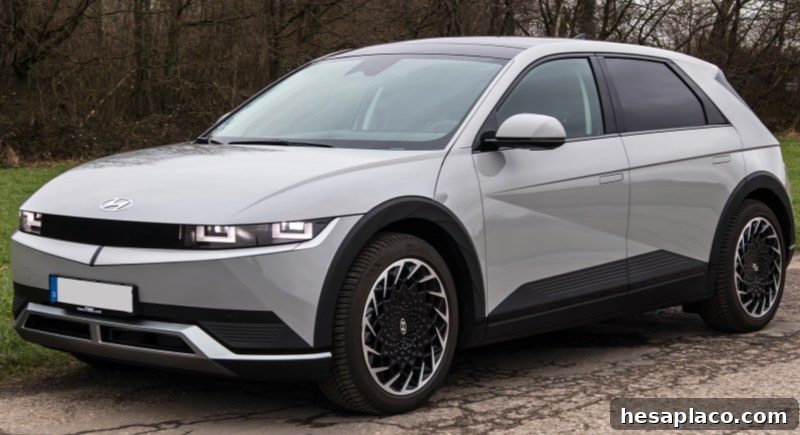
Credit: Wikimedia Commons
The Hyundai Ioniq 5 is a highly regarded electric vehicle that uses a high-voltage battery system and offers rapid charging and strong range. It is not a hybrid, but for buyers wanting similar interior space and features with hybrid efficiency, Hyundai’s hybrid models are worth a look.
Hyundai Elantra Hybrid
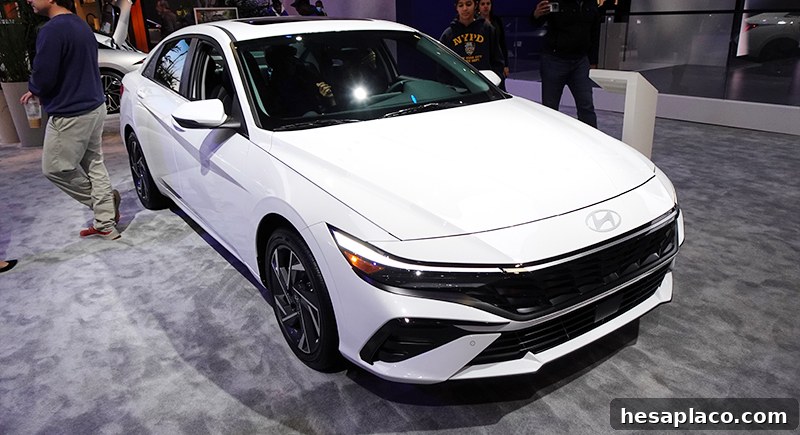
Credit: Wikimedia Commons
The Hyundai Elantra Hybrid makes fuel-cost savings straightforward. With up to 54 mpg combined in its most efficient trims, it preserves everyday driving convenience—school runs, errands, highway trips—without forcing drivers to constantly manage their driving style for economy. It’s a strong choice for those who want excellent fuel efficiency in a familiar compact sedan package.
Honda Civic Hybrid
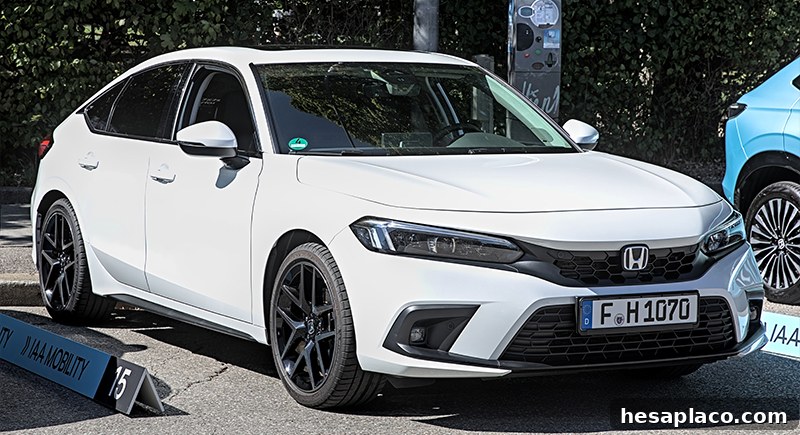
Credit: Wikimedia Commons
The Honda Civic Hybrid combines strong fuel economy with lively performance. With EPA figures around 50 mpg city and 47 mpg highway alongside roughly 200 horsepower in some configurations, it reduces fuel stops while retaining the acceleration and responsiveness drivers expect from a Civic. It’s an excellent option for buyers who want fuel savings without sacrificing everyday driving enjoyment.