
What feels priceless to you may be a burden to your children. The objects we cherish often carry family stories, long hours of care, and sometimes significant expense. Yet those same items can look very different to the next generation—cumbersome, costly, or simply out of step with modern life. The pieces below commonly come with strings attached—literal, financial, or emotional—and are more likely to cause stress than joy for heirs.
Many so-called heirlooms end up creating problems instead of pleasure. These are the items that tend to prompt groans rather than gratitude.
Timeshares with Ongoing Fees

Credit: pixabay
That beachfront condo you treasured may come with more baggage than the suitcase it took to get there. Annual maintenance fees, restrictive booking policies, and complicated exit rules frequently transfer to heirs. In some jurisdictions beneficiaries can refuse such inheritances, but without clear planning they must act quickly to avoid being saddled with ongoing costs.
Formal Dining Sets and Display Pieces

Credit: Canva
Large crystal stemware, full china services, and ornate display pieces rarely survive everyday modern life. They’re often hand-wash-only, require polishing, and need dedicated storage in bulky cabinets. Moving them is expensive, and many younger households prefer stackable dishes and open shelving over formal multi-course entertaining.
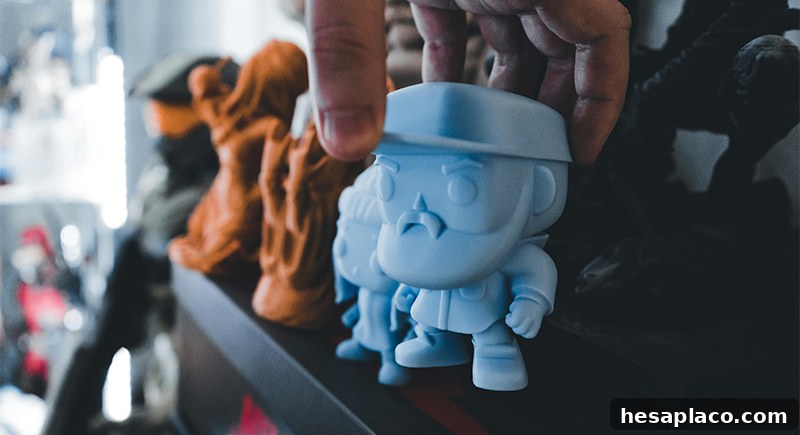
Collectible Figurines and Knick-Knacks
Credit: pexels
Porcelain dancers, tiny cottages, and similar collectibles are fragile, gather dust, and take up more room than most heirs are willing to spare. The market is often saturated, keeping resale values low. As a result, many collections end up boxed in storage or dropped off at thrift stores.
Costly Vacation Properties

Credit: pixabay
Mountain cabins and beach houses may seem like perfect gifts, but upkeep, taxes, insurance, and long-distance management can turn them into obligations. Families who inherit these properties frequently face disputes over expenses, scheduling, and usage, and the stress can outweigh the sentimental value.
Inherited Firearms

Credit: iStockphoto
Passing along a firearm is rarely as simple as handing over a set of keys. Federal and state laws can require permits, registration, or transfers through licensed dealers. Without advance planning and clear instructions, heirs may face complex legal paperwork before they can decide whether to keep or sell.
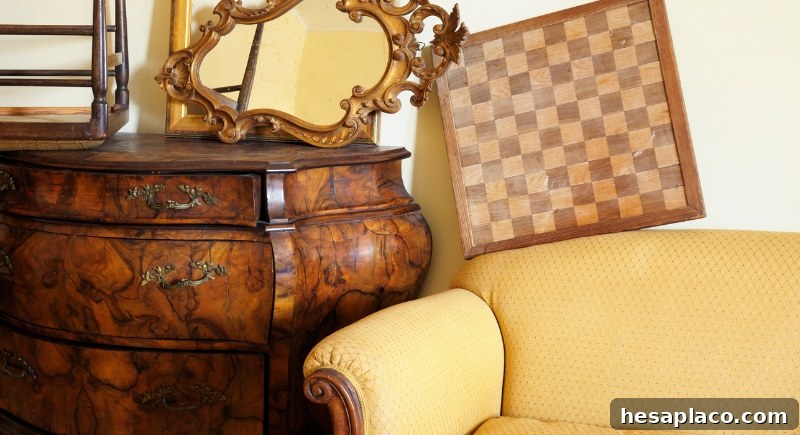
Oversized Vintage Furniture
Credit: Getty Images
Antique bedroom suites, large dining sets, and heavy armoires are expensive to move and often won’t fit in smaller, modern homes. Even well-made pieces frequently get sold or given away because they clash with contemporary décor or simply don’t suit apartment living.
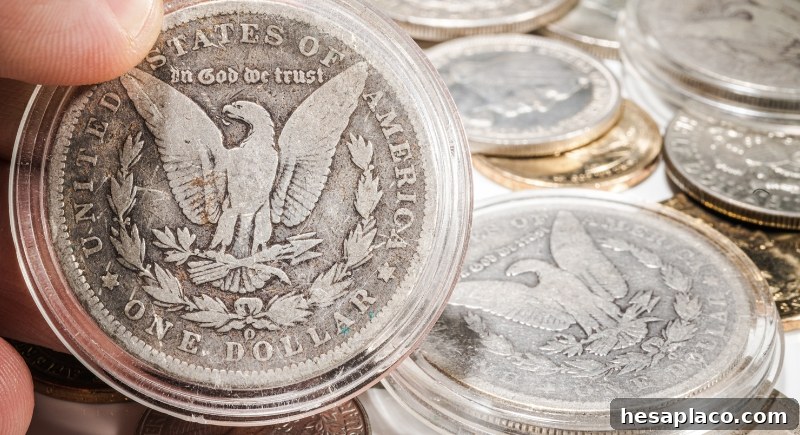
High-Tax Collectibles
Credit: Canva
Rare coins, artwork, and stamp collections can trigger higher capital gains tax rates and require careful appraisal. While a step-up in basis at inheritance helps reduce taxes when sold, heirs may struggle with valuations and finding reliable buyers, turning potential windfalls into headaches.
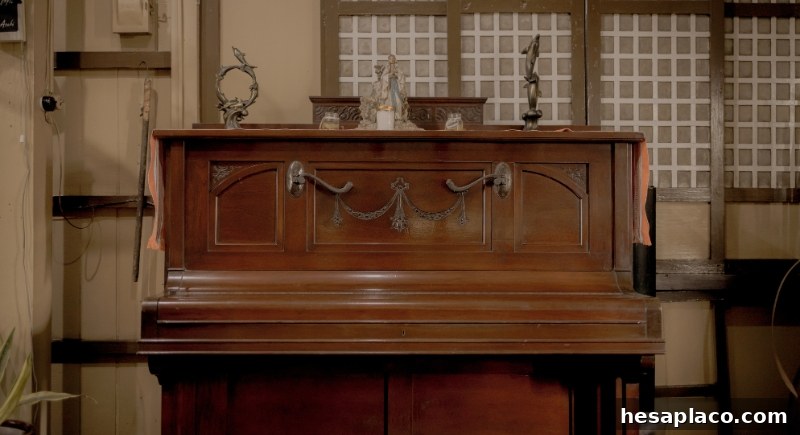
Old Pianos and Large Instruments
Credit: Canva
A baby grand adds gravitas to a room only if someone plays it. For non-musical heirs, large instruments become moving and maintenance burdens. Tuning, repairs, and the challenge of finding buyers make disposal difficult, so many owners accept free pickup offers or sell at a loss.
Vintage Linens
Credit: Wikimedia Commons
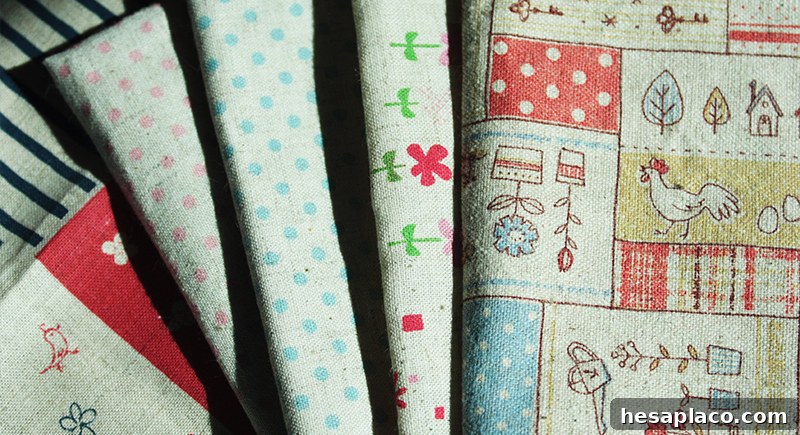
Handmade tablecloths, embroidered napkins, and similar linens were once reserved for holidays. Today they’re often hard to clean, incompatible with modern decor, and seldom used. Most heirs won’t store such items long and they typically end up donated.
Costume Jewelry Hoards
Credit: pixelshot
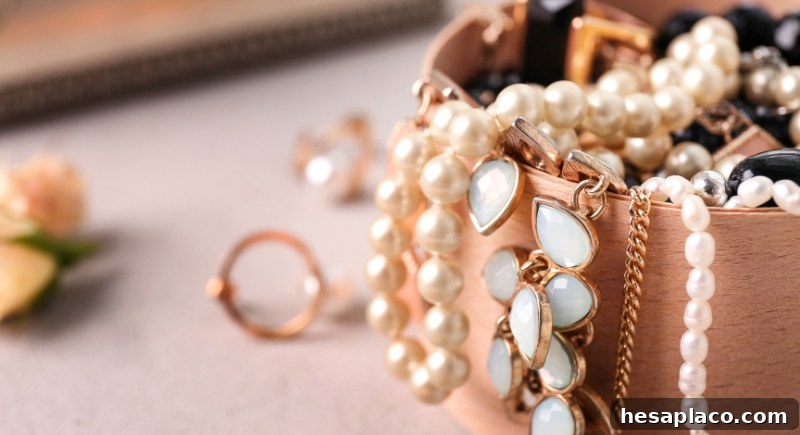
Boxes of tangled chains, brooches, and miscellaneous costume jewelry rarely excite heirs. Without careful labeling and appraisal, valuable items can be lost among inexpensive pieces. Sorting the collection is time-consuming, so many consignments are sold in bulk or given away.
Vintage Car Projects
Credit: Wikimedia Commons
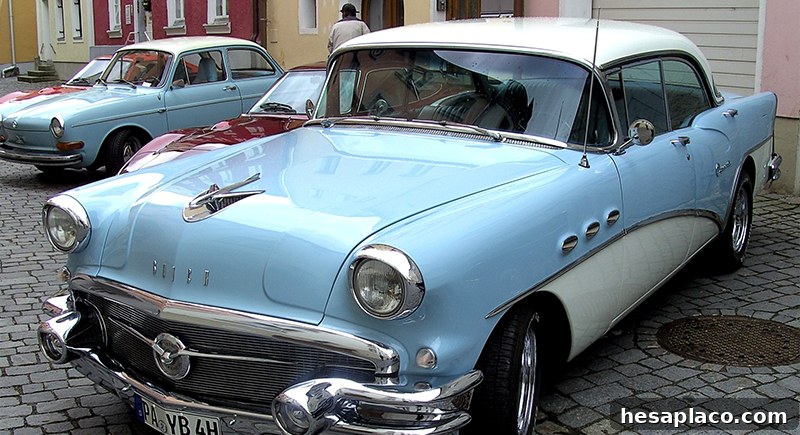
That half-restored coupe in the garage might have been your dream, but to someone else it’s a source of ongoing bills. Locating parts, funding repairs, and arranging secure storage are costly and time-consuming. Many heirs prefer to cut losses and sell rather than continue a stalled restoration.
Sports Memorabilia with Niche Appeal
Credit: Wikimedia Commons
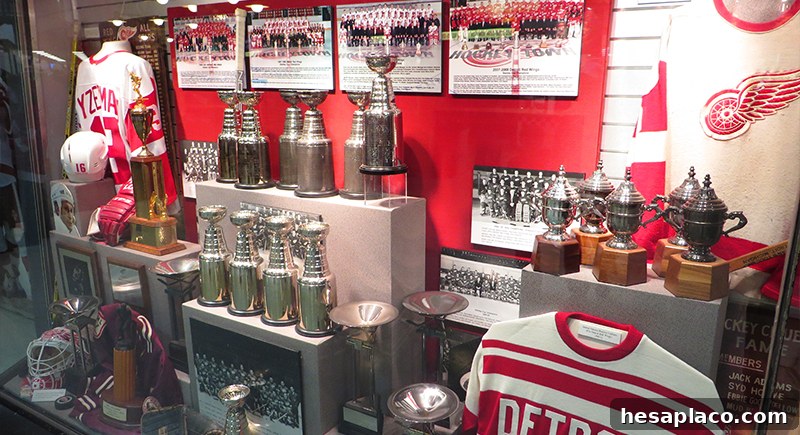
Signed jerseys, ticket stubs, and niche memorabilia mean a lot to devoted fans, but the resale market can be volatile. Proper authentication is often required to fetch decent prices. Without it, these items risk being undervalued or discarded.
Vintage Camera Collections
Credit: Wikimedia Commons
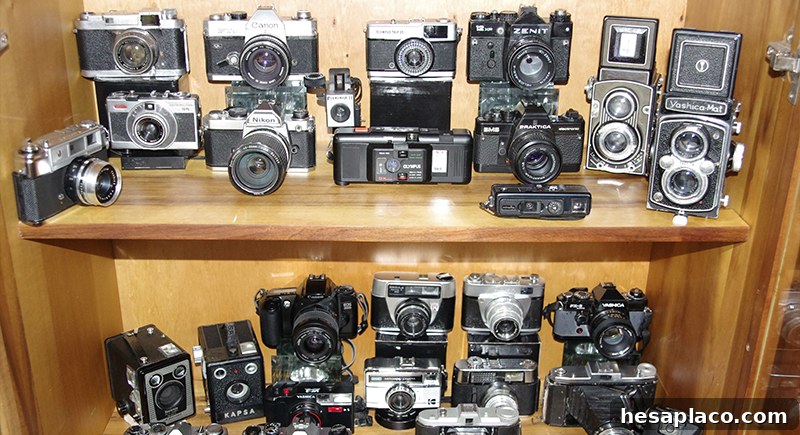
Old film cameras, Polaroids, and darkroom equipment look impressive, but most heirs won’t have the interest or expertise to use them. The market for vintage gear is unpredictable, many accessories are obsolete, and storage is awkward—making resale or reuse difficult.
Record and CD Libraries
Credit: Wikimedia Commons
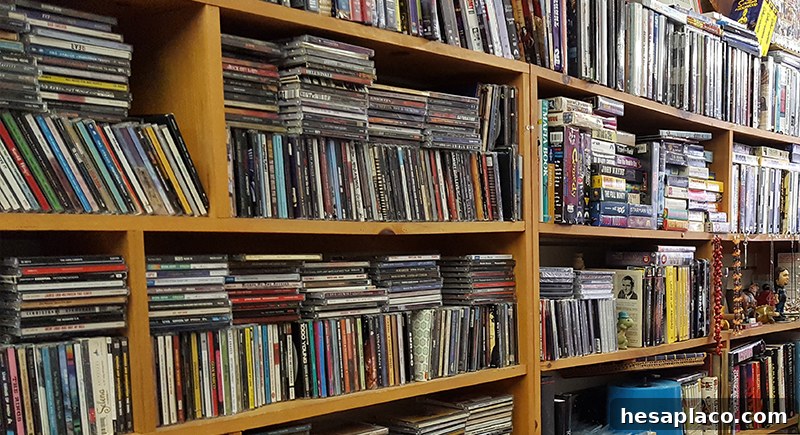
Vinyl and CDs often hold strong personal memories, but unless heirs share the same tastes they become space-consuming boxes. Resale can be slow, especially for obscure or worn items, and demand fluctuates with trends.
Extensive Book Collections
Credit: pexels
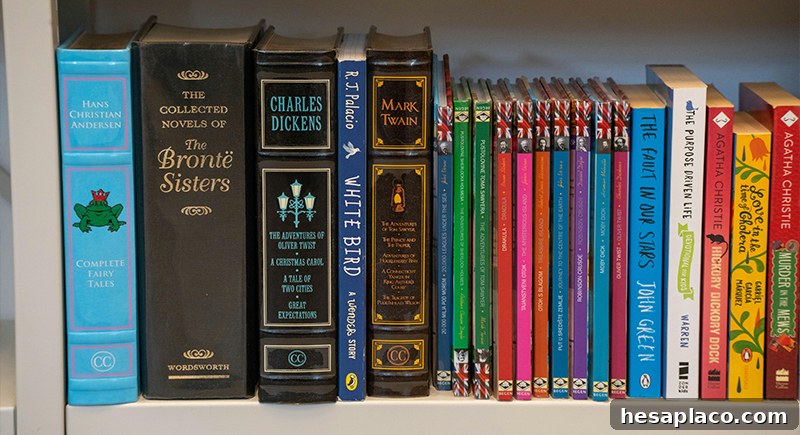
A wall of books can make a home feel cozy, but moving dozens of heavy boxes is costly. With reading habits shifting to digital formats, heirs typically keep only a few sentimental volumes while the rest are sold or donated in bulk.