
People often repeat “rules” about wills with absolute certainty, but many of those so-called rules are myths. Following incorrect guidance can lead to expensive legal disputes, delayed inheritances, and results you never intended. The pieces of bad advice below appear frequently in conversations and online, and they can cause real problems. Read on to understand what’s wrong with each myth and how to avoid the pitfalls.
You Need Witnesses

Credit: iStockphoto
One common misconception is that a signature alone makes a will valid. In reality, most states require that the document be signed in the presence of at least two adult witnesses who also sign the will and who are not beneficiaries under that same will. Failing to follow those formalities can render the will invalid, triggering the state’s default inheritance rules rather than carrying out your wishes.
Review Your Will Regularly
Credit: Canva
It’s a mistake to treat a will as a one-time task. Significant life events—marriage, divorce, the birth of children, remarriage, or the death of a named beneficiary—can make prior instructions outdated. Laws and tax codes can also change. Regularly reviewing and updating your will ensures it reflects your current relationships, assets, and intentions.
Your Will Doesn’t Cover Everything

Credit: iStockphoto
Many assets pass outside a will. Retirement accounts, life insurance policies, payable-on-death bank accounts, and other accounts transfer according to beneficiary designations, not the instructions in your will. If you neglect to update those beneficiary forms after life changes, assets can go to unintended recipients. For a consistent plan, review your will and all beneficiary designations together.
Stepchildren Need to Be Named

Credit: Getty Images
Contrary to a common belief, stepchildren are not automatically treated the same as biological or legally adopted children under most intestacy (no-will) laws. Unless you legally adopt a stepchild or specifically name them in your will, they typically receive nothing by default. If you want stepchildren to inherit, name them explicitly and specify what they should receive.
Include Digital Accounts and a Digital Executor

Credit: pexels
Digital assets—online banking, cryptocurrency, cloud storage, email accounts, social media, and investment platforms—are important parts of many estates. Include instructions for these accounts in your estate plan and appoint someone (a digital executor or an authorized agent) who knows how to access them. Provide clear guidance for preserving, closing, or transferring accounts to prevent loss of access or value.
Be Cautious with Handwritten Wills
Credit: iStockphoto
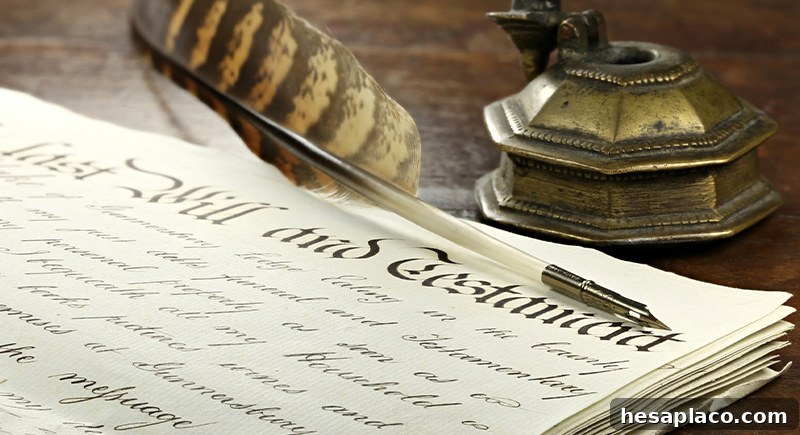
Handwritten (holographic) wills are accepted in only some jurisdictions and usually must meet strict requirements to be valid. They are often more vulnerable to misinterpretation and challenge because of vague language or unclear intent. Using a properly drafted, witnessed will reduces the chance that a court will reject your instructions or that your heirs will fight over ambiguous provisions.
Don’t Cross Out Items After Signing

Credit: iStockphoto
Trying to change a signed and witnessed will by crossing out or adding text usually won’t be honored. Courts expect estate documents to be amended formally through either a codicil (a signed and witnessed amendment) or a new will. Informal alterations can be ignored and may provoke disputes that complicate probate.
Choose Your Executor Carefully

Credit: iStockphoto
Picking an executor is more than a trust decision: it’s about capacity and availability. The role requires organization, time, and knowledge of financial and legal tasks that can last months or longer. An unprepared or overburdened executor can cause delays, miss deadlines, improperly handle assets, or generate unnecessary costs. Consider naming a backup executor as well.
Be Prepared for Contests

Credit: Getty Images
Disputes over wills are more common than people assume. Excluding someone without explanation, making unusual divisions of assets, or using ambiguous language increases the risk of a challenge. A detailed, clearly executed will reduces the likelihood that a court will be persuaded to override your stated wishes, though no document is immune to challenge.
Everyone Benefits from a Will

Credit: iStockphoto
Even modest estates benefit from a will. Small estates often include retirement accounts, life insurance, and personal property that can be distributed according to your preferences if you plan ahead. Without a will, state intestacy laws determine heirs and distribution, which may not match your wishes. A will also allows you to name guardians for minor children and caretakers for pets.
Communicate Funeral Wishes Directly

Credit: Getty Images
Because wills are typically read after funeral arrangements have been made, do not rely solely on your will to convey funeral preferences. Tell family members or your chosen proxy your wishes in advance and keep written instructions in an easily accessible place so those responsible can make timely, confident decisions that match your intentions.
Consider Tax Implications

Credit: Getty Images
While federal estate taxes apply only to very large estates, many states impose estate or inheritance taxes at much lower thresholds. Failing to account for state tax rules can reduce the net amount your beneficiaries receive. There are legitimate planning tools—such as trusts and charitable giving—that can help manage tax exposure, but they should be tailored to your situation.
Joint Ownership Rules Override the Will

Credit: iStockphoto
Property held jointly with rights of survivorship typically passes automatically to the surviving owner and cannot be redirected by a will. If you want jointly held property to pass to someone else, you must change the ownership structure during your lifetime—such as through severing joint tenancy or retitling the asset—rather than relying on provisions in your will.
Keep the Original Will Safe
Credit: Getty Images
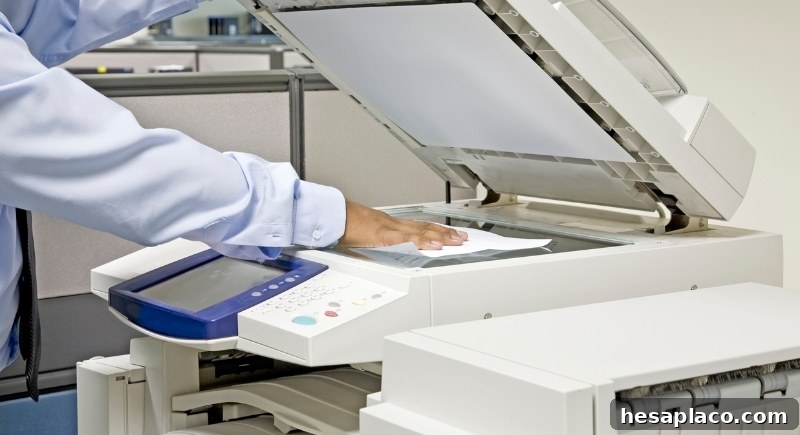
Courts typically require the original, signed will to begin probate. Photocopies can cause delays and disputes over authenticity if the original cannot be located. Store the original in a secure but accessible location—such as a safe-deposit box or a lawyer’s office—and inform your executor where to find it to reduce complications when your estate is administered.
Debts Can Reduce or Eliminate Gifts

Credit: Getty Images
A decedent’s debts are typically paid from the estate before gifts are distributed. If a property carries a mortgage, lien, or other liability, an heir could inherit both the asset and the obligation unless those debts are addressed. Reviewing and planning for outstanding debts can prevent heirs from being forced to sell inherited property to satisfy creditors.
Understanding these realities helps you create an estate plan that actually accomplishes your goals. Small steps—updating beneficiary forms, naming a qualified executor, storing the original will properly, and reviewing your plan after major life events—can prevent disputes and ensure your wishes are honored.