
Ask any experienced collector and they’ll tell you: paying full price for a luxury watch is the exception, not the rule. The best deals usually go to buyers who prepare, understand the market, and read the room. Dealers respect a well-informed customer, and small advantages—knowing real market values, choosing the right moment, or asking precise questions—can shift the odds in your favor.
Below are practical tactics and timing tips that can turn an ordinary purchase into a smart buy.
Know the Real Going Rate

Credit: Canva
Before you step into a store, research recent sales on reputable forums and marketplace listings. Arriving with hard numbers signals you’ve done your homework and gives you a factual baseline to negotiate from. That’s far more effective than relying on gut feeling or sticker shock.
Look Beyond the Headline Models

Credit: iStockphoto
Many buyers focus on a few high-profile releases, and dealers rarely discount those. Instead, explore less-hyped references that share movements or materials. These alternatives are often available immediately and provide more room for negotiation since they’re not already claimed.
Hold Back Your Enthusiasm

Credit: iStockphoto
If you visibly light up when a piece is revealed, a dealer will notice. Keep reactions measured and ask about several options, even those you’re less inclined to buy. A calm, deliberate approach signals you’re not emotionally locked in, which preserves negotiation leverage.
Time Your Visit for End-of-Cycle Targets

Credit: iStockphoto
Stores often push to meet sales targets at the end of the month or quarter. Visiting during those periods can work to your advantage. Managers trying to hit numbers may approve offers they wouldn’t consider earlier, making slightly better terms possible.
Let the Dealer Speak First

Credit: iStockphoto
Don’t open with your ideal price. Let the dealer set the initial tone, then respond thoughtfully. Hearing their starting point gives you a benchmark and demonstrates patience. Dealers appreciate buyers who steer clear of aggressive tactics while remaining clear about their goals.
Show Intent to Purchase

Credit: iStockphoto
Dealers can tell the difference between a casual browser and a committed buyer. Ask specific questions and state you’re ready to close if terms are reasonable. That preparedness often encourages them to offer extras or concessions rather than lose a sale.
Be Polite but Firm

Credit: iStockphoto
Negotiation needn’t be confrontational. State your limits clearly without irritation. A calm, respectful tone keeps the discussion constructive and increases the likelihood of favorable outcomes now and on future visits.
Set Realistic Expectations

Credit: iStockphoto
Requesting an unrealistic discount on a sought-after model can damage your credibility. Instead, base offers on current resale data and the watch’s condition. Dealers are far more likely to meet you halfway if they see you understand both their costs and the watch’s market value.
Consider Pre-Owned Options
Credit: iStockphoto
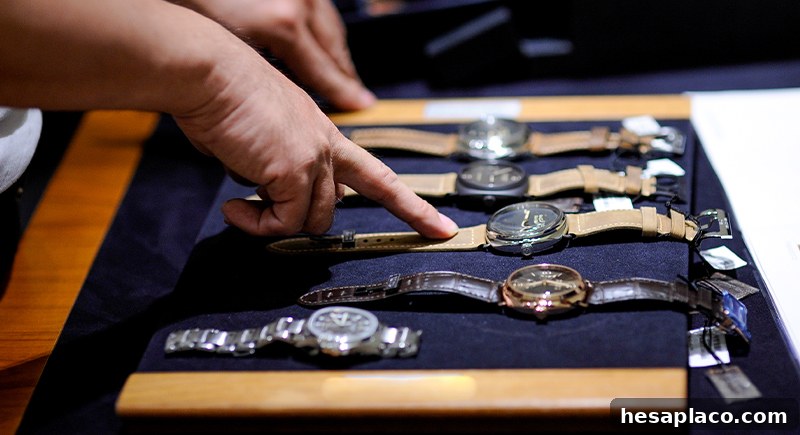
Reputable dealers often carry certified pre-owned pieces with service histories. These can deliver substantial savings and sometimes include discontinued or rare models. Exploring pre-owned options shows flexibility and can uncover excellent value without compromising authenticity.
Weigh the Extras That Add Value
Credit: Getty Images
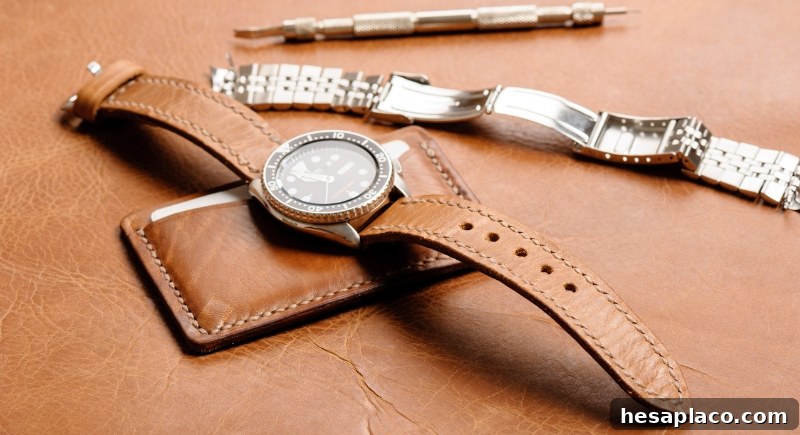
If the sticker price is firm, shift the conversation to added value. A longer warranty, a complimentary strap change, or a free initial service can be worth as much as a price cut over time. Dealers often have flexibility on these extras and may use them to close a sale.
Check Documentation Carefully
Credit: flickr
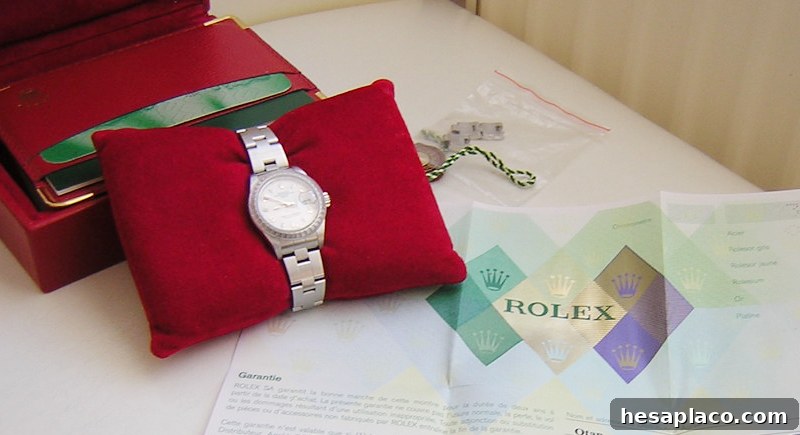
Original papers, service records, and branded packaging preserve resale value and confirm authenticity. If something is missing, use that gap to justify a reasonable adjustment. That approach shows diligence and separates you from buyers who simply chase a discount.
Visit During Quieter Hours

Credit: iStockphoto
Staff are often more flexible when the store is quiet. Off-peak visits give salespeople time to discuss pricing and options without competing for attention. An unhurried conversation makes it easier to explore possibilities and reach a satisfactory agreement.
Be Ready to Step Away

Credit: freepik
Walking away can be a powerful tactic. If the terms don’t meet your expectations, leave politely and provide contact details. Dealers often return with improved offers when they see you’re serious but not desperate to buy immediately.
Build a Long-Term Connection

Credit: iStockphoto
Frequenting the same dealership builds trust. Regular customers often receive better service, early access to rare pieces, and quiet pricing adjustments. Establishing a long-term relationship can deliver value well beyond a single negotiation.
Speak Plainly About Your Priorities

Credit: freepik
Be upfront about what matters most to you—price flexibility, warranty length, or specific features. Honest conversation signals you’re reasonable and serious, and it often leads to creative solutions. Sometimes you’ll get offers you hadn’t even considered asking for.