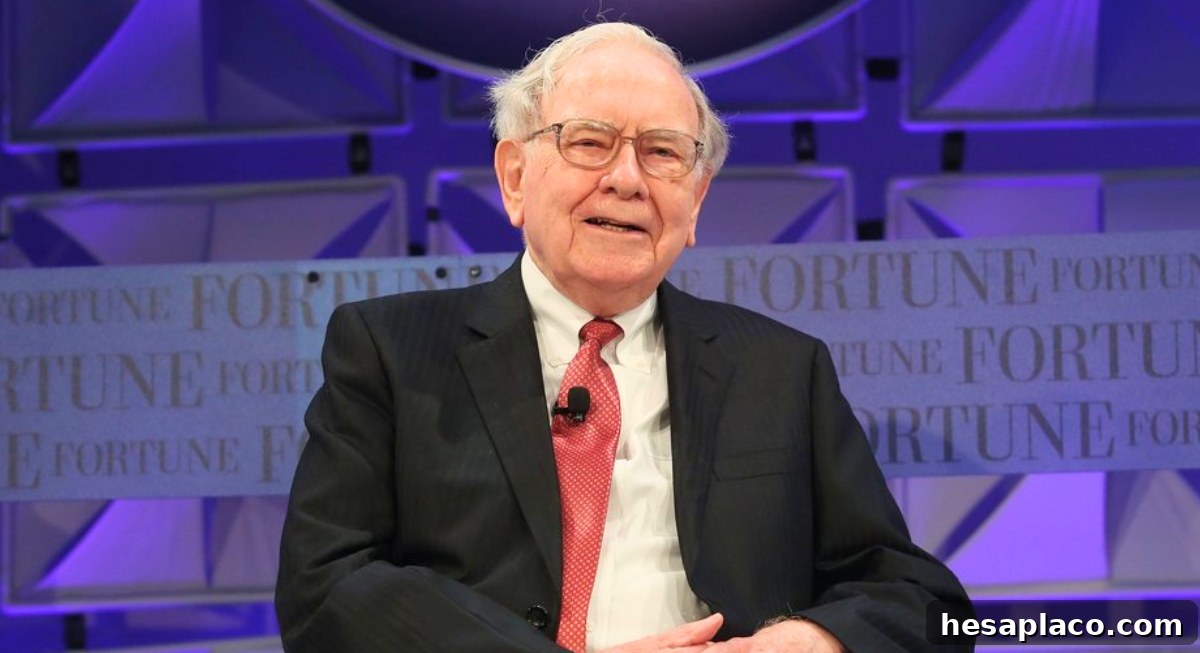
Warren Buffett didn’t build his fortune by chasing every new fad or following flashy trends, and middle-class families can learn a lot from his approach. His principles emphasize patience, discipline, and treating each dollar with respect. Many common spending habits quietly erode long-term wealth, often without people realizing until it’s too late. Below are everyday money traps Buffett would likely avoid, explained in clear, practical terms and aligned with his timeless investment philosophy.
Buying Brand-New Cars

Credit: pexels
Drive a car off the lot and it immediately loses a significant portion of its value. New cars depreciate fast, which makes buying new an inefficient use of capital for anyone focused on long-term wealth building. Choosing a used or certified pre-owned vehicle can free up money for investments or emergency savings. Flashy cars might satisfy a short-term desire, but they often compromise financial progress over the long run.
Carrying Credit Card Debt

Credit: Canva
High-interest credit card debt is one of the fastest ways to undermine your finances. When interest tops 20%, compounding works against you instead of for you. Debt like this can wipe out investment gains and erase months of disciplined saving. Using credit for convenience without a repayment plan turns everyday purchases into long-term liabilities.
Overspending on Housing

Credit: Getty Images
Bigger houses mean bigger recurring costs: property taxes, upkeep, utilities, and unexpected repairs. Warren Buffett still lives in a modest home, reflecting the idea that housing should support your life rather than signal status. Overspending on a home can trap families in tight cash flow and limit their ability to save and invest for the future.
Trading Too Often

Credit: Canva
Frequent buying and selling can erode returns through fees, taxes, and poor timing. Buffett’s approach rewards long-term conviction over short-term speculation. Letting well-chosen investments compound over time typically outperforms active trading, especially after transaction costs and taxes are accounted for.
Buying Into Get-Rich-Quick Schemes

Credit: Canva
Quick-win promises—penny stocks, speculative crypto plays, and viral social media schemes—often capitalize on emotion and hype, not fundamentals. Buffett favors steady, rational investing based on sound business economics. Wealth built on speculation usually proves fragile; reliable, boring strategies tend to deliver lasting results.
Ignoring Compound Growth

Credit: Getty Images
Delaying investments means missing out on the exponential benefits of compound growth. The earlier you begin saving and investing, the more powerful compounding becomes. Small, consistent contributions over decades typically outperform late, large contributions because of time in the market.
Eating Out Excessively

Credit: freepik
Routine takeout and frequent dining out add up quickly and deliver no financial return. Even modest monthly savings from cooking at home can be redirected into savings or investments that grow over time. Treating dining out as an occasional pleasure rather than a habit helps protect your long-term goals.
Failing to Budget

Credit: Getty Images
Without a clear plan, money can disappear faster than you expect. Buffett is meticulous about tracking financials; similarly, households that measure income and expenses gain control over spending and can allocate funds toward savings, debt payoff, and investments. A simple budget makes priorities visible and choices intentional.
Keeping Up with the Joneses

Credit: pexels
Trying to match neighbors’ lifestyles often leads to unnecessary debt and distraction from long-term goals. Material signs of success rarely translate into financial security. Prioritizing value and long-term stability over outward appearances helps families grow real wealth instead of just projecting it.
Leasing Instead of Owning

Credit: Canva
Leasing transfers ownership value to the lender while you pay for continuous depreciation. For items that lose value, such as cars or electronics, owning or buying used typically offers better long-term value. Leasing can feel affordable in the short run but often costs more over time and leaves you with nothing to show for it.
Not Investing in Themselves

Credit: pexels
Buffett attributes much of his success to lifelong learning. Investing in education, skills, and financial literacy can deliver high returns through higher earning potential and better decision-making. Personal development—courses, certifications, or focused practice—often produces compounding returns in career and business over time.
Failing to Shop Around

Credit: Getty Images
Paying for convenience without comparison—whether on insurance, utilities, or subscriptions—can quietly drain resources. Buffett values frugality and informed choices. Comparing rates and negotiating when appropriate can free up money for saving and investing rather than steadily leaking it away.
Ignoring Emergency Savings

Credit: Getty Images
Buffett keeps cash on hand for downturns; households should too. An emergency fund prevents the need to borrow at high rates when life throws curveballs like medical bills, car repairs, or job loss. Having a cash cushion preserves long-term plans and keeps you from derailing progress with avoidable debt.
Making Emotional Money Decisions

Credit: Getty Images
Fear and greed are poor financial guides. Emotional reactions—impulse buys, panic selling, or jumping into trends—often cause avoidable losses. Buffett strips emotion out of investing and focuses on rational analysis. Making deliberate, well-reasoned decisions protects your finances from short-term swings and regret.
Overinsuring or Underinsuring

Credit: Getty Images
Insurance should balance protection with affordability. Too much coverage wastes premiums while too little exposes you to financial catastrophe. The goal is smart risk management—adequate coverage for major risks while avoiding unnecessary, costly add-ons.
Financing Depreciating Toys

Credit: Canva
Buying expensive items that lose value quickly—gadgets, toys, or recreational gear—on financed payments spreads the cost while the item depreciates, making the purchase an inefficient use of funds. Prioritize spending that creates lasting value or save to buy such items outright when they won’t disrupt other goals.
Delaying Retirement Contributions

Credit: Getty Images
Putting off retirement savings costs you time in the market and the compounding that comes with it. Buffett’s advice aligns with “pay yourself first”: prioritize retirement contributions before discretionary spending. Starting early—even with small amounts—builds momentum that is difficult to replicate if you delay.
Designer Labels and “Quiet Luxury” Hype

Credit: Canva
High-end fashion and status purchases often deliver more social signaling than financial value. Spending heavily on labels diverts money that could otherwise grow through saving and investing. Trends fade and wardrobes fill; prioritizing lasting value over prestige helps preserve capital for meaningful goals.
Annual Tech Upgrades (The Smartphone Trap)

Credit: Getty Images
Replacing perfectly functional devices every year for marginal improvements is an expensive habit. Buying for value and longevity reduces unnecessary spending. Keeping devices longer or buying refurbished models can preserve capital and reduce waste without sacrificing utility.