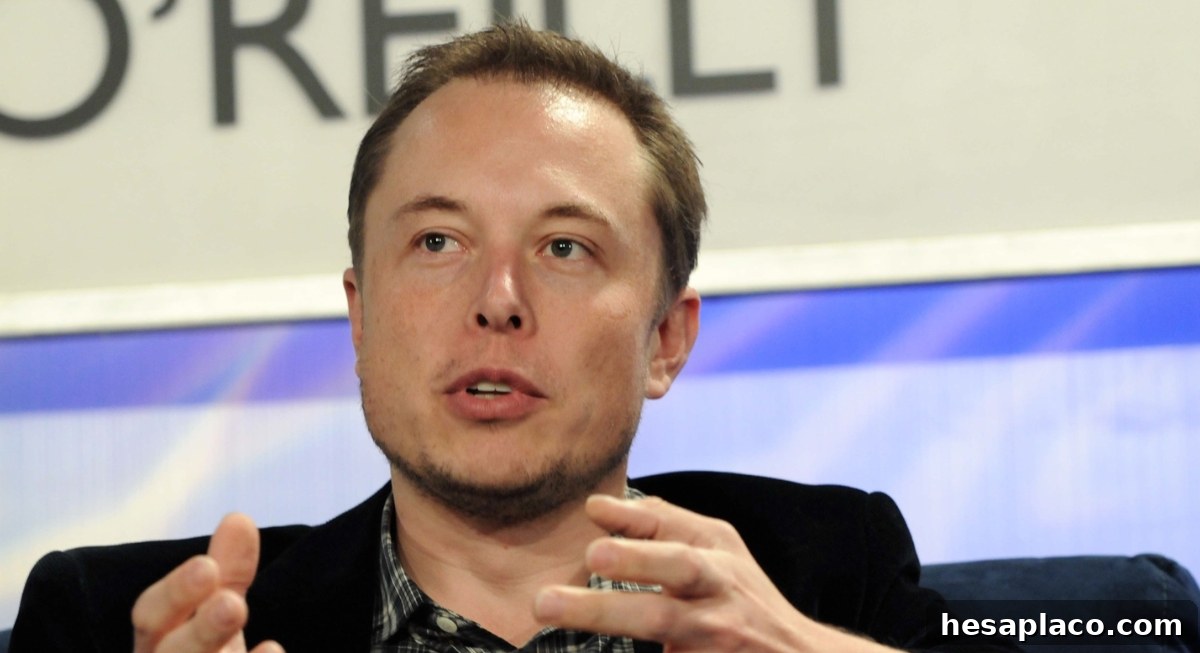
Elon Musk is already the richest person alive with an estimated net worth of about $436 billion, but Tesla’s new compensation plan could elevate him into trillionaire territory. The proposed package would be paid entirely in Tesla shares if Musk can boost the company’s market value from roughly $1 trillion today to $8.5 trillion by 2035. To qualify, he must also remain at Tesla for the next decade. If Tesla’s value does not at least double, the plan pays him nothing.
The award is structured into 12 performance-based tranches. The first tranche vests once Tesla reaches a $2 trillion valuation. Other milestones include selling 20 million vehicles, deploying one million robotaxis, and delivering one million humanoid robots. Each milestone would grant Musk an incremental 1 percent of Tesla’s shares. The final tranches additionally require Musk to present a credible succession plan for Tesla’s leadership.
The Ambitious Roadmap
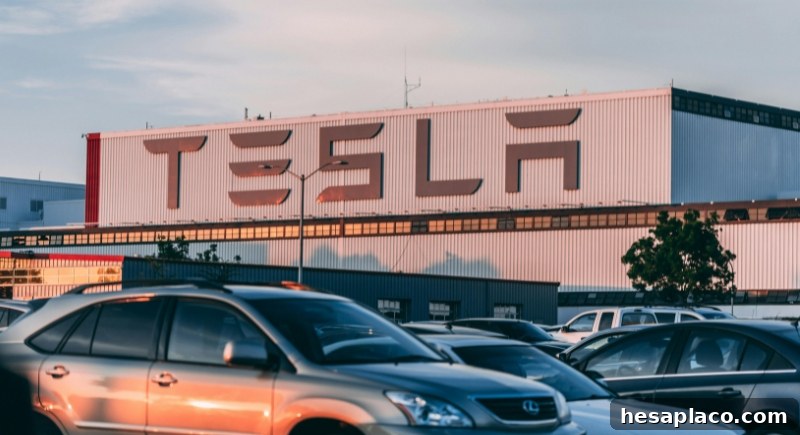
Image via Pexels/Craig Adderley
This is not Musk’s first extraordinary pay package. In 2018, Tesla approved a $56 billion plan tied to aggressive performance targets that many viewed as unrealistic; Musk met those goals sooner than expected, but the award later faced legal challenges. The new proposal is substantially larger and broadens the scope of goals beyond electric vehicles, requiring Tesla to scale nascent business lines such as artificial-intelligence-driven robots and autonomous ride-hailing services.
Because Musk will be 64 by the end of the 10-year term, the board included succession provisions to ensure continuity. Tesla’s board emphasizes that Musk’s leadership is critical to the company’s growth, but some shareholders remain skeptical about his ability to concentrate on Tesla while overseeing other ventures. Shareholders will vote on the proposal in a meeting scheduled for November 6.
Controversy Over Executive Pay
Critics have objected to the package both for its sheer magnitude and because Musk is a polarizing figure. Some investors point to his political commentary and outside enterprises, like SpaceX and X, as potential distractions from Tesla’s operations. Legal analysts also anticipate possible challenges; Delaware courts previously scrutinized and struck down parts of the 2018 award.
The potential payout has reignited debates about wealth concentration and how the ultrawealthy accumulate gains. In the U.S., wealth is closely tied to stock ownership: the wealthiest 1 percent hold a disproportionate share of equities. Musk’s fortune, largely derived from Tesla shares, underscores how ownership of stock can create vastly different outcomes than wage income taxed as ordinary earnings. The current plan is structured so that Musk would gain substantially only if Tesla’s shareholders realize extraordinary value increases as well.
Is It Achievable?

Image via Pexels/Nataliya Vaitkevich
Tesla’s rapid rise in recent years explains why some observers consider the targets attainable. At the start of 2020, Musk’s net worth was around $28.5 billion; by the end of that year it surged to roughly $167 billion as Tesla’s stock climbed dramatically. Still, achieving an $8.5 trillion valuation would make Tesla more than twice as valuable as Nvidia, currently among the world’s most valuable companies, and would require enormous operational expansion.
The milestones ahead—mass-market vehicle production on an unprecedented scale, large fleets of autonomous robotaxis, and commercially viable humanoid robots—are ambitious and would demand major technological, regulatory and manufacturing breakthroughs. Musk has a track record of pushing industries forward and meeting goals that once seemed improbable. If he and Tesla accomplish these benchmarks, Musk could become the first person to accumulate a trillion-dollar fortune, but the challenges and uncertainties along the way are substantial.