Back in the early 20th century, a single dollar stretched far beyond what we expect today. That modest sum could cover staples, clothing, and even small luxuries, changing how people thought about affordability. It’s fun to picture the everyday purchases that one dollar could buy and the way it shaped daily life.
Below is a nostalgic look at 15 common items that were once available for a dollar, along with brief context about how families used them.
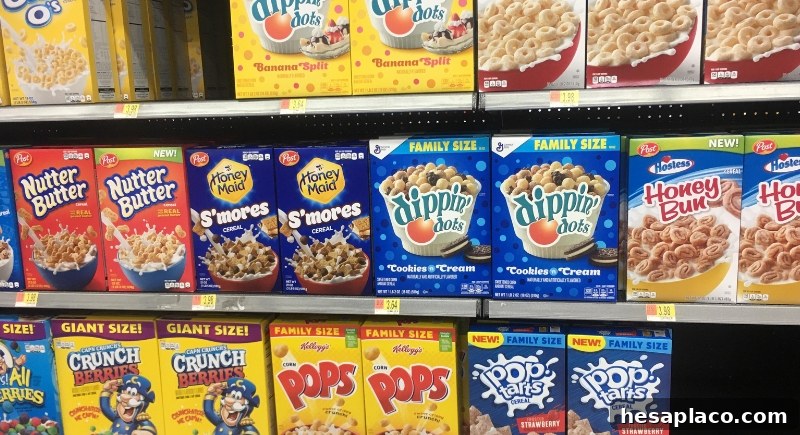
A Week’s Worth of Cereal
Credit: Reddit
In the early 1900s, boxed cereals such as Egg-O-See were inexpensive—often around ten cents a box. A dollar could fill a pantry with multiple boxes, making cereal a practical choice for families seeking a quick, filling breakfast or a simple snack.
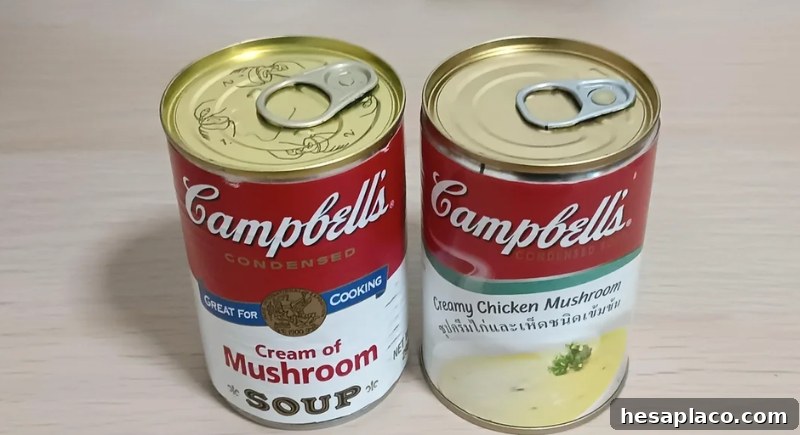
Nine Cans of Campbell’s Soup
Credit: Reddit
By 1900, Campbell’s offered many soup varieties at about 12 cents per can. A dollar bought roughly nine cans, providing a long-lasting, convenient food source. Soups were commonly paired with inexpensive sides like crackers to stretch meals affordably.
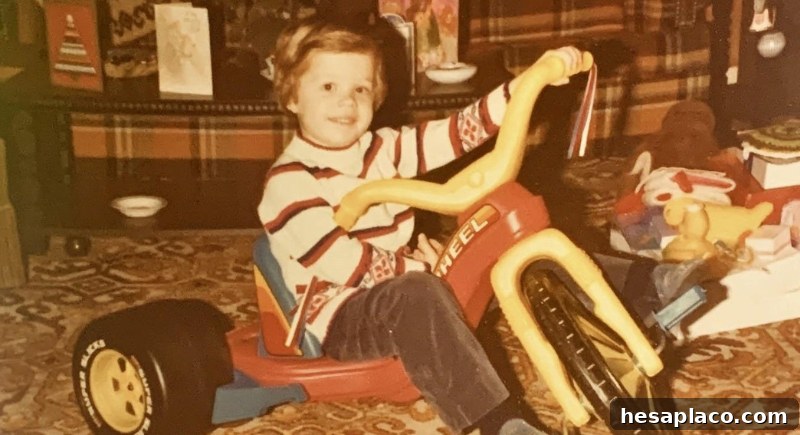
A Child’s Tricycle
Credit: Reddit
A simple toddler tricycle could be had for about a dollar. These basic models offered young children a first taste of independence and outdoor play, while remaining affordable enough that many families could consider them occasional treats.
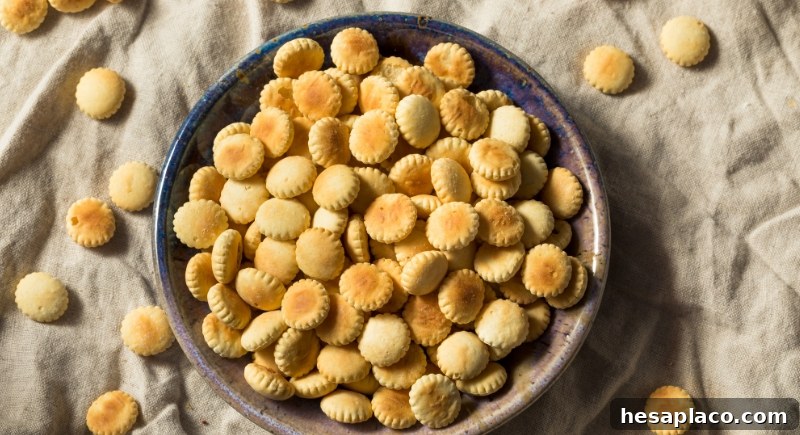
Twenty Pounds of Oyster Crackers
Credit: Getty Images
Oyster crackers were produced and sold in bulk at roughly five cents per pound. For a dollar, households could buy about twenty pounds—plenty to accompany soups, act as snacks, or be stored for future use, making them a budget-friendly pantry staple.
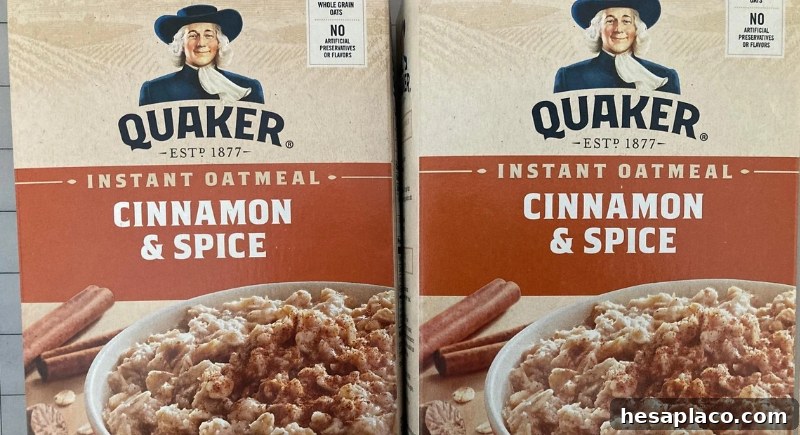
Ten Packages of Quaker Oats
Credit: Reddit
Quaker oats were commonly sold at about ten cents per package. With a dollar, families could purchase multiple boxes, supplying breakfasts and recipes that relied on oats for hearty, economical meals that lasted through busy weeks.
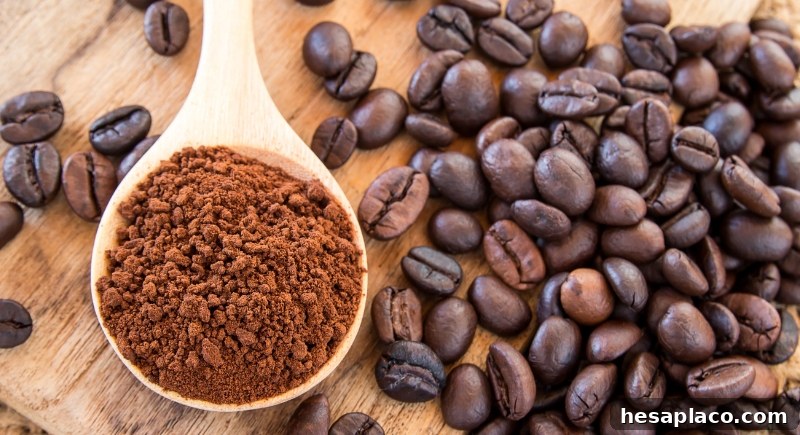
A Pound of Coffee
Credit: Canva
In that era, a dollar could buy a pound of decent imported coffee beans. Despite transport and processing costs, many households still invested in coffee as a daily ritual, valuing its role in morning routines and social life.
Ten Neckties

Credit: Africa Images
Ties were everyday essentials for many working men. At about ten for a dollar, they were sometimes homemade or ordered inexpensively. Buying several at once kept wardrobes fresh without a large expense, since men wore ties frequently rather than saving them for special occasions.
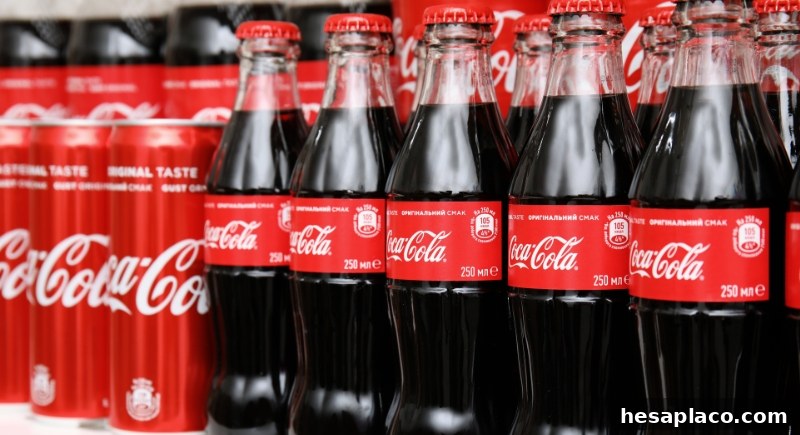
A Case of Coca-Cola
Credit: Africa Images
A wooden crate of Coca-Cola bottles could be purchased for about a dollar. The soda was a popular treat for gatherings and celebrations; its unique flavor and packaging made each bottle feel like a small indulgence.
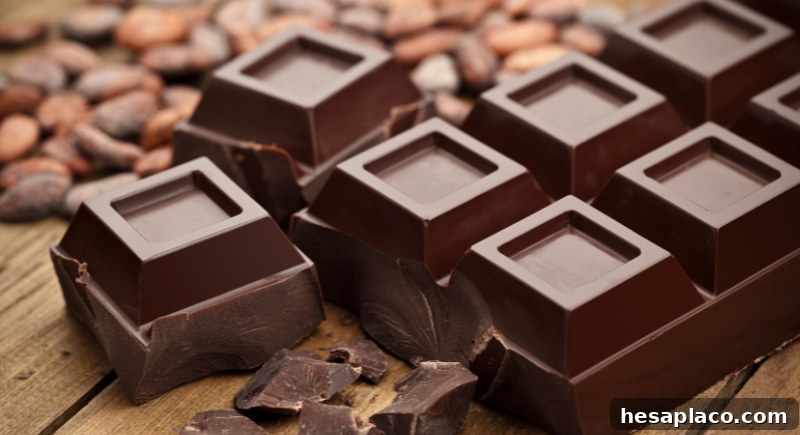
One Pound of Chocolate
Credit: Getty Images
Chocolate was often sold by weight, and a pound could cost around a dollar. This amount was typically reserved for serious baking or special treats rather than everyday snacking, so purchasing a full pound marked a small celebration.
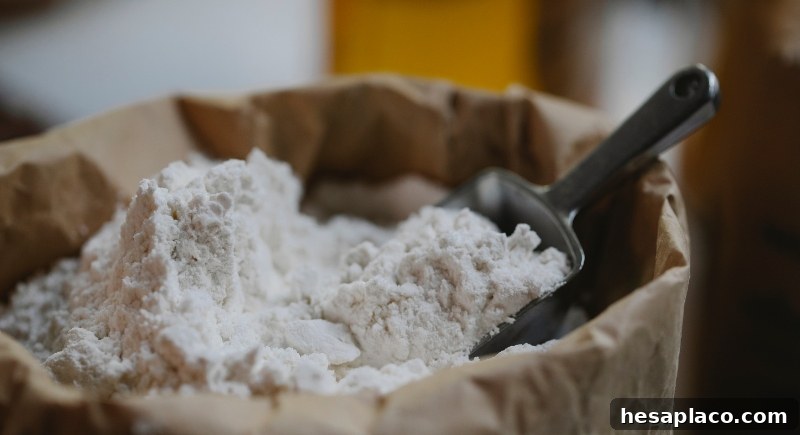
A Fifty-Pound Sack of Flour
Credit: pexels
A dollar could buy a large fifty-pound sack of flour—an economical purchase for households that baked bread, biscuits, and pies regularly. Families often reused sacks and stored flour for long periods, making it a cornerstone of home food production.
One Toddler’s Blouse or a Men’s Shirt

Credit: Getty Images
Ready-made clothing such as a simple toddler’s blouse or an everyday men’s shirt could be priced near a dollar. Many families still sewed at home, but affordable ready-made garments provided a convenient alternative for those who could spare the cash.
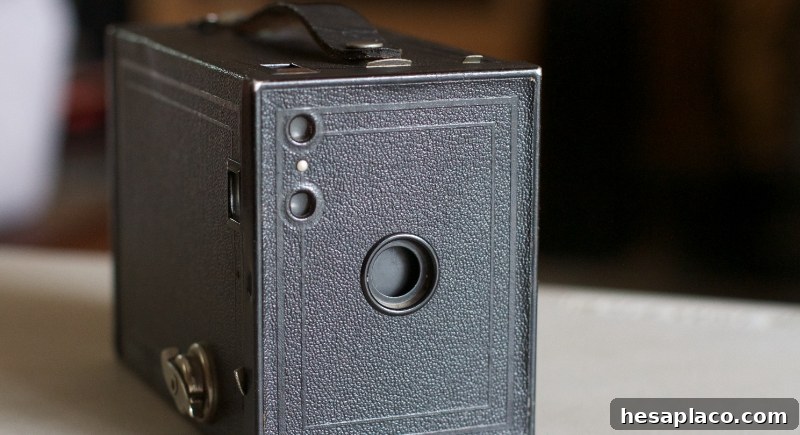
A Kodak Brownie Camera
Credit: Wikipedia
Kodak’s Brownie camera brought photography to ordinary families at an accessible price of about one dollar. It allowed people to record events and memories, producing simple but treasured snapshots that documented everyday life.
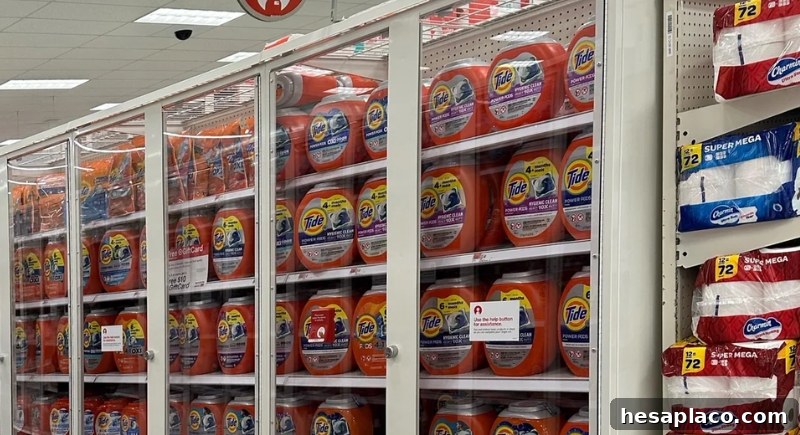
Thirty Pounds of Laundry Soap
Credit: Reddit
Laundry was labor-intensive, so soap was purchased in bulk. At only a few cents per pound, a dollar could buy around thirty pounds of soap, ensuring enough supply for weeks of washing and reducing the need for frequent trips to the store.
A Full Box of Sewing Patterns
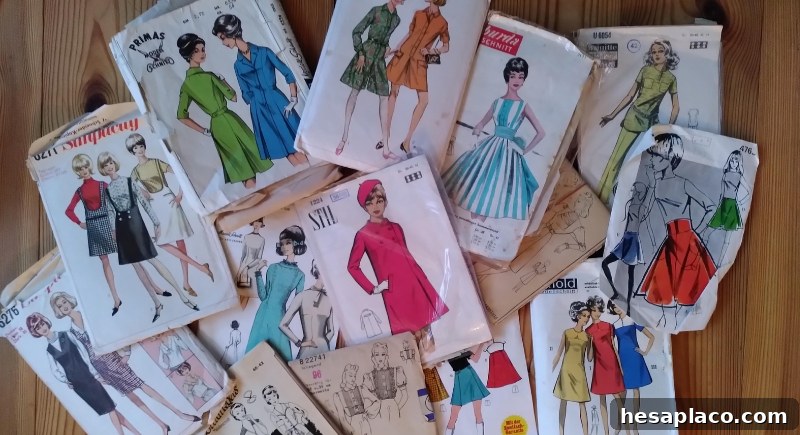
Credit: Reddit
For about a dollar, women could buy several paper sewing patterns. These patterns made it possible to reproduce fashionable garments at home for a fraction of store prices, combining affordability with creative control over clothing styles.
Seventy Pounds of Potatoes
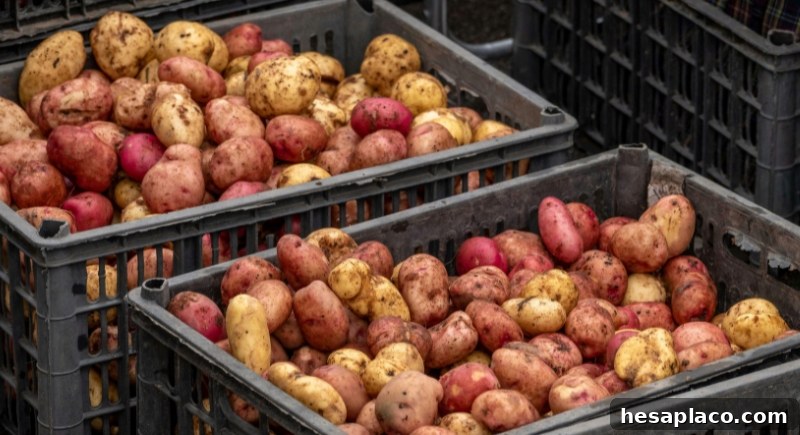
Credit: pexels
Potatoes were a reliable and filling food staple. For about a dollar, households could buy large quantities—often up to seventy pounds—ensuring a steady supply for soups, stews, and side dishes. Their versatility and long storage life made them indispensable to many families.
These examples reveal how much purchasing power a single dollar once held and how choices about food, clothing, and household goods were shaped by price. While monetary values and lifestyles have changed, the stories behind these everyday items offer a window into practical living and the small comforts that mattered then—just as they do now.