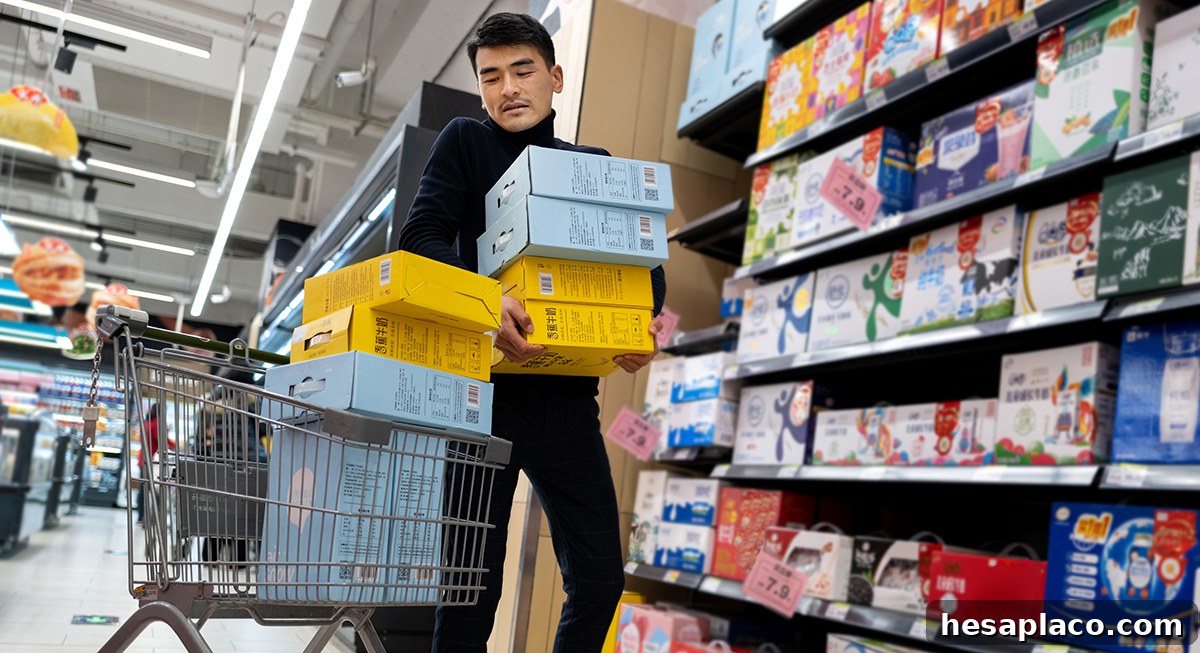
Everyday interruptions—severe weather, power outages, or empty store shelves—can quickly disrupt routines. Keeping a modest stock of basic supplies is an easy, low-cost way to be prepared without needing much storage space. A few versatile items can make a major difference when plans change. Below are practical, budget-friendly essentials to keep on hand and why they matter.
Rice
Credit: Getty Images
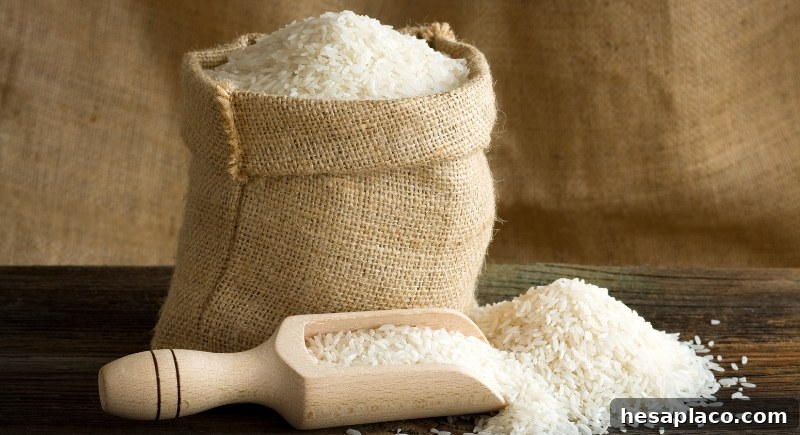
Rice is one of the most economical and long‑lasting staples you can buy. A 20‑pound bag typically costs between $10 and $20 and can stretch to feed a family for weeks. Stored in airtight containers in a cool, dry spot, rice remains usable for years. It pairs with nearly any ingredient and works in soups, casseroles, stir‑fries, and simple one‑pot meals, making it an indispensable, budget-friendly base for emergency cooking.
Canned Vegetables and Fruits
Credit: Getty Images
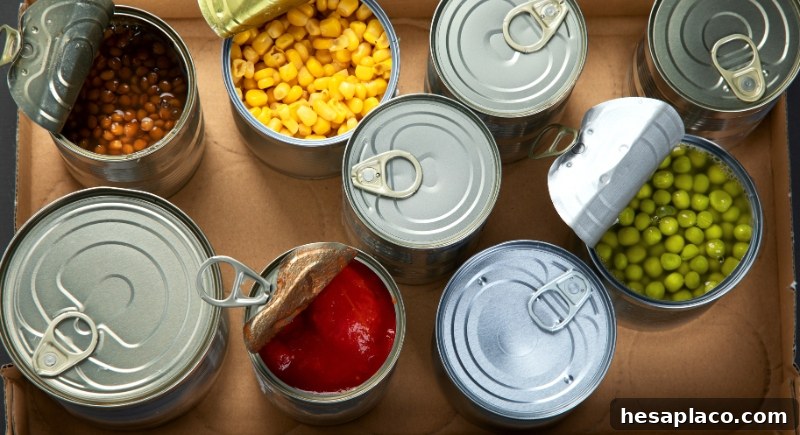
Canned produce offers ready‑to‑eat nutrition with virtually no prep. Individual cans often cost between $0.50 and $2 and provide fiber, vitamins, and variety when fresh produce is unavailable. Stock a mix of vegetables (carrots, corn, beans) and fruits (peaches, pears) to add color, texture, and nutrition to meals without worrying about refrigeration.
Peanut Butter

Credit: Getty Images
Peanut butter is calorie‑dense, shelf‑stable, and versatile. It keeps unopened for months and is useful straight from the jar or mixed into shakes, spread on bread, or used in baking. Its combination of calories, protein, and fats makes it a smart choice when meal options are limited.
Multitool
Credit: Canva
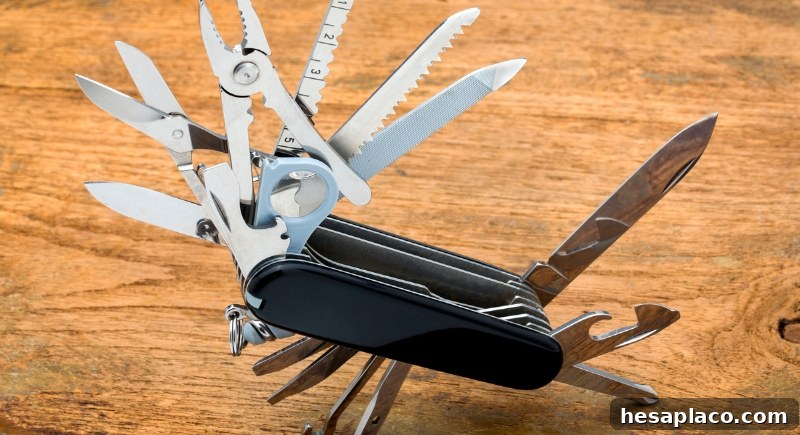
A quality multitool replaces a cluttered toolbox with a single compact device. Many models include pliers, screwdrivers, a blade, and a can opener—handy for quick repairs, opening stubborn cans, cutting rope, or other small tasks. Keep one in a kitchen drawer, glove compartment, or emergency kit for everyday convenience and unexpected needs.
Bottled Water
Credit: Getty Images
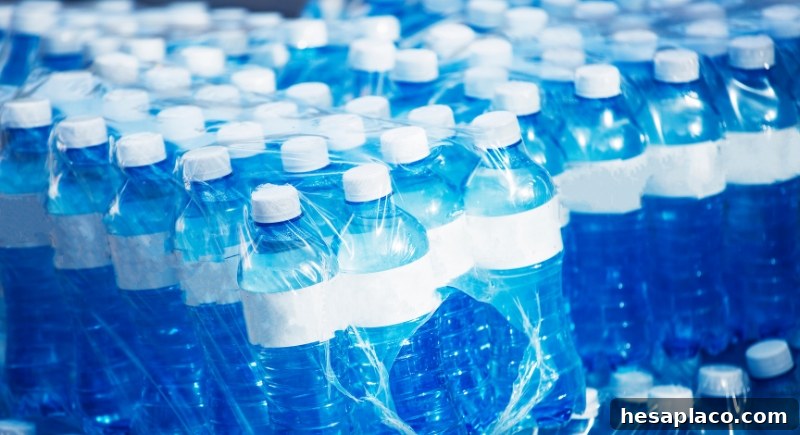
Clean water is essential—plan for about one gallon per person per day. A common 24‑pack of 16.9‑ounce bottles is inexpensive and easy to store. Keep several cases rotated every six months so you always have fresh drinking water available during outages or supply shortages.
Oats and Cereals
Credit: Getty Images
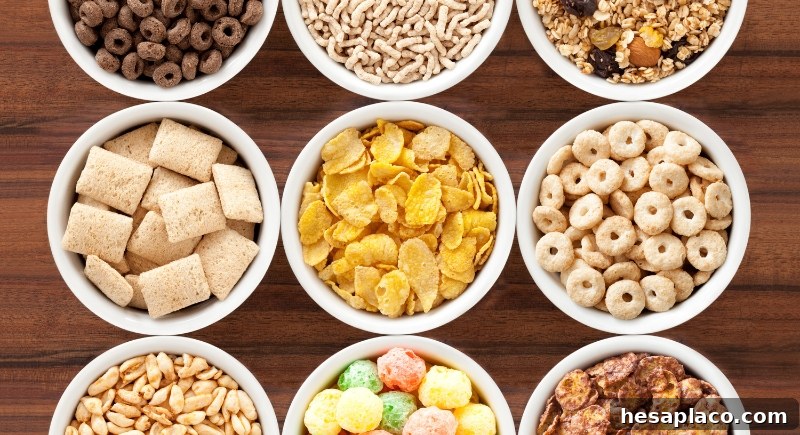
Oats and packaged cereals make quick, filling breakfasts and can be used in baking or to thicken soups. Containers typically cost between $2 and $5 and store well. Rolled oats transform into porridge, granola, or cookies, while boxed cereal offers a fast, no‑cook option when time or resources are limited.
Spices and Seasonings

Credit: Getty Images
Small jars of spices dramatically improve simple meals. Garlic powder, paprika, cinnamon, and oregano are inexpensive—often a dollar or two each—and have long shelf lives when kept in a cool, dark cabinet. Well‑seasoned food can boost morale during stressful times and help turn basic ingredients into enjoyable meals.
Cooking Oils
Credit: Getty Images
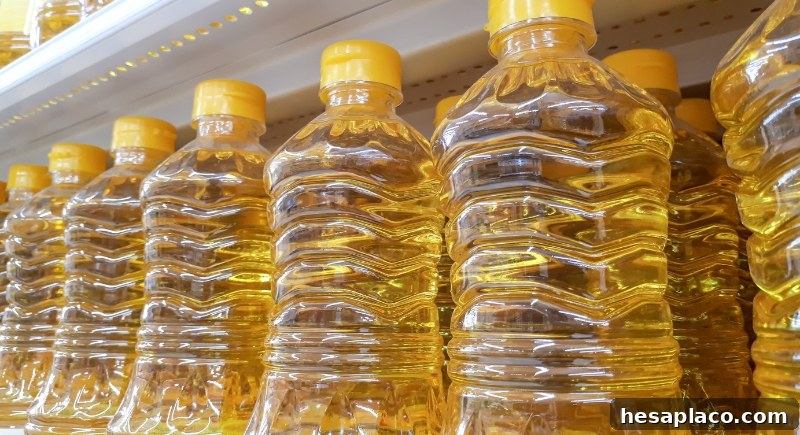
Oils like olive and vegetable oil are essential for frying, baking, and dressing salads. Olive oil adds heart‑healthy fats and both types help in preparing a wide range of meals. Keep a bottle or two on hand for sautéing vegetables, making sauces, or preventing pasta from sticking.
First Aid Supplies
Credit: Getty Images
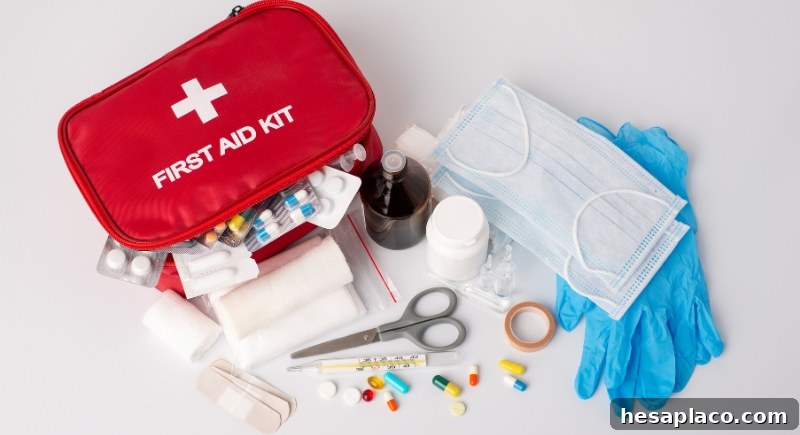
A compact first aid kit with bandages, gauze, tweezers, antiseptic wipes, and basic pain relievers is vital. Check expiration dates and refresh supplies annually. Being prepared means minor injuries can be treated quickly at home, avoiding unnecessary trips or complications during stressful events.
Dried Beans and Lentils
Credit: Getty Images
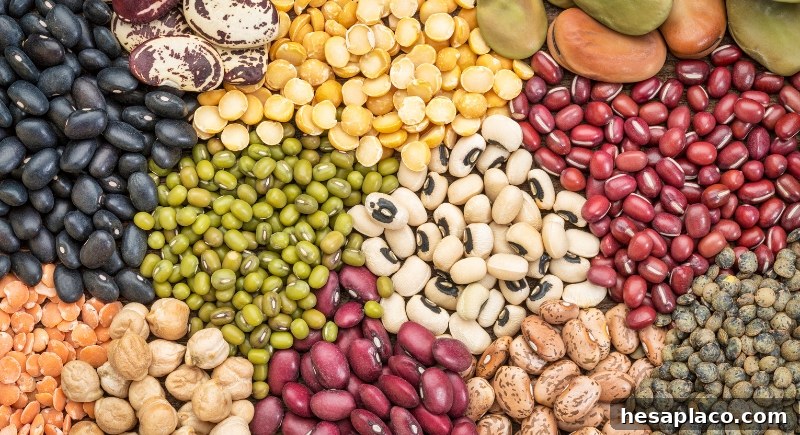
Dried beans and lentils are inexpensive, nutritious, and long‑lasting. Priced typically at $1 to $3 per pound, they provide protein and fiber when soaked and cooked. Use them in soups, stews, burritos, and salads for hearty, filling meals that store easily in sealed containers for years.
Bleach
Credit: Getty Images
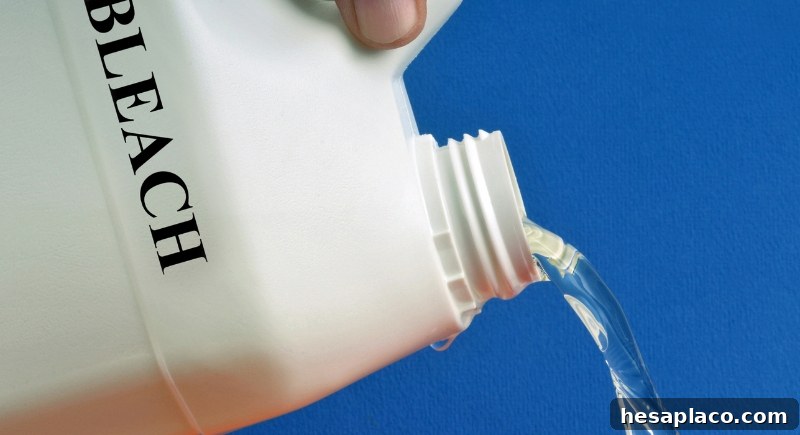
Unscented household bleach disinfects surfaces and can be used to treat water in emergencies—about eight drops per gallon is a commonly recommended guideline for purification. Store bleach in a well‑ventilated area and never mix it with ammonia. A single bottle helps maintain sanitation and clean water when supplies are limited.
Candles and Matches
Credit: iStockphoto
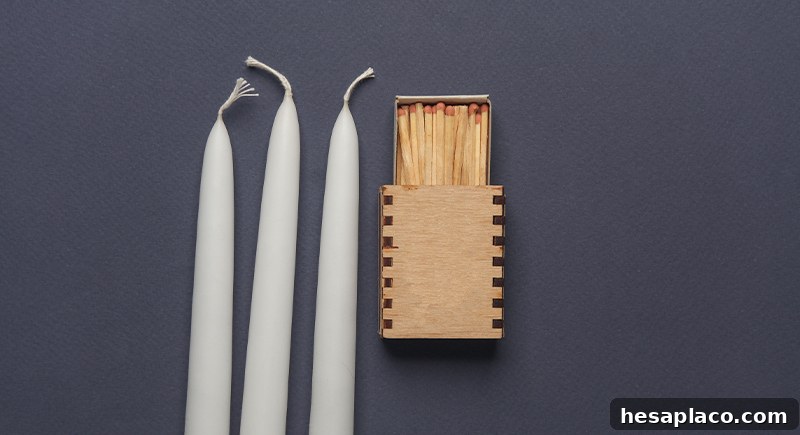
When flashlights fail or batteries run out, candles provide reliable light. A small purchase can yield enough candles to last through several outages. Store waterproof matches in a sealed container to keep them usable. Candlelight can make a power outage feel less stressful and more manageable.
Batteries
Credit: pixabay
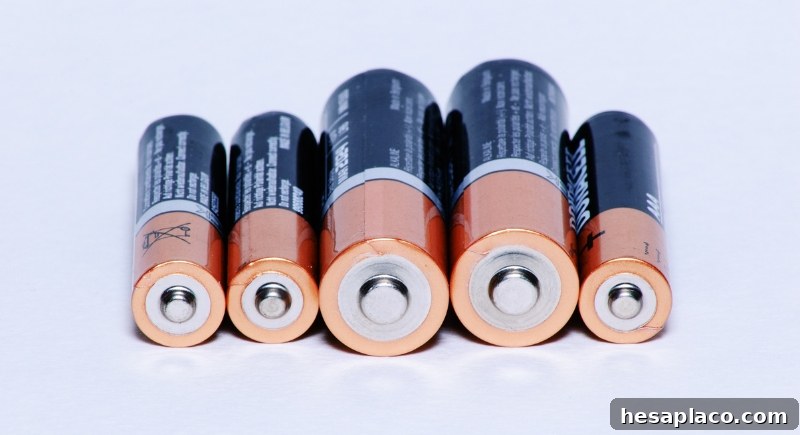
Many essential devices—flashlights, radios, and some medical items—require AA or AAA batteries. Keep a supply on hand, use older packs first, and store them in a cool, dry place. Rechargeable batteries paired with solar or manual chargers are a sustainable option if those charging methods are included in your emergency plan.
Toilet Paper
Credit: Getty Images
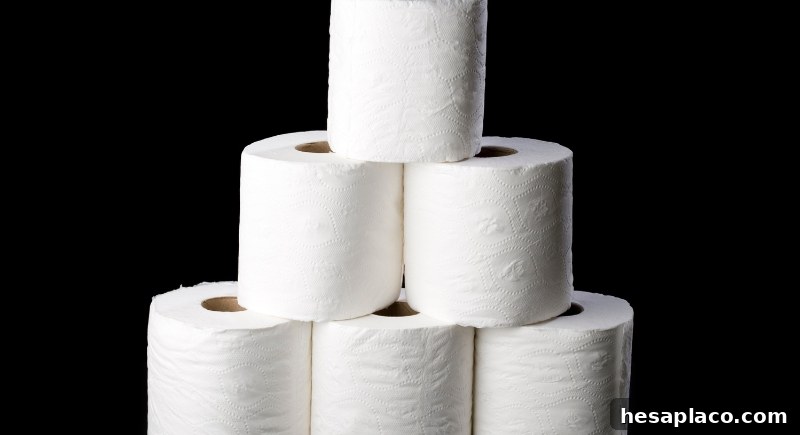
A steady supply of toilet paper is important for comfort and hygiene during extended home stays. To save space, flatten rolls and remove cardboard tubes before storing. Having enough on hand reduces stress and maintains basic sanitation when leaving home is difficult.
Garbage Bags
Credit: Getty Images
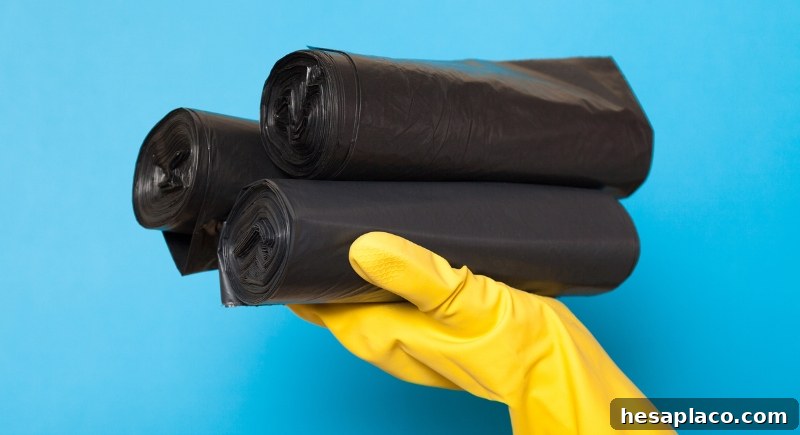
Heavy‑duty garbage bags are surprisingly versatile. They can line trash cans, protect supplies from moisture, or be repurposed as makeshift rain ponchos. During cleanups or leaks they’re indispensable. Their compact packaging and long shelf life make them a practical addition to any preparedness kit.