Google has a long history of launching new services and later discontinuing them, leaving users with a steady stream of retirements across its ecosystem. These closures remind customers that no Google product is guaranteed to last forever. Below is a clear, concise overview of notable Google products and features that have been phased out recently, why they ended, and what users experienced as a result.
Google Keep on Apple Watch
Credit: Reddit
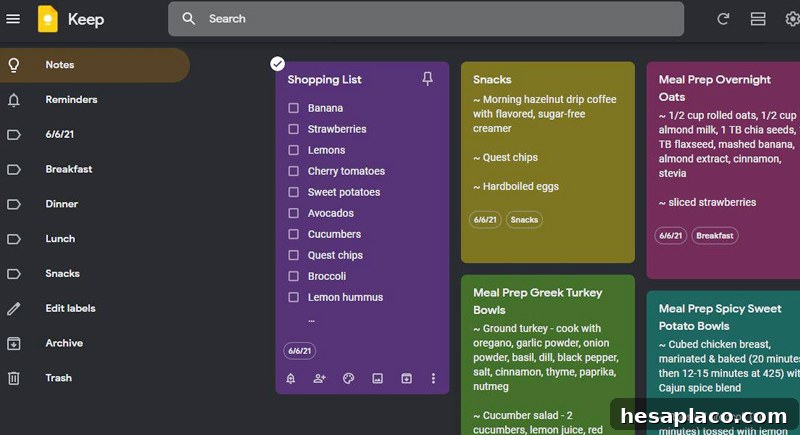
Google removed Keep from the Apple Watch platform in February 2023. The watch app allowed users to view, check off, and manage notes on their wrist. Google decided the phone could handle those tasks sufficiently, and the watch version was retired, leaving wearable note-taking to platform-native or third-party alternatives.
Google Assistant for Gemini
Credit: Wikimedia Commons
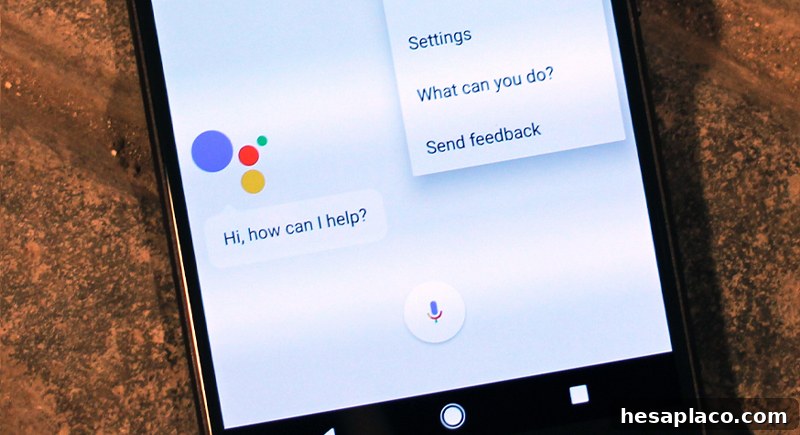
With the rollout of Gemini in June 2024, Google shifted focus away from the traditional Assistant experience. Gemini is positioned as a more advanced, conversational AI, and Google moved many Assistant capabilities into this new platform. Users who previously relied on Assistant for simple voice tasks were encouraged to use Gemini for a broader, chat-driven interaction model.
Extra Search Box Removed

Credit: Canva
In May 2024, Google discontinued its experiment with an extra search box on results pages. The company concluded a second search field added clutter without improving search speed or accuracy. Returning to a single, prominent search box simplified the interface and reduced confusion for users.
Original Chromecast Discontinued
Credit: Wikimedia Commons
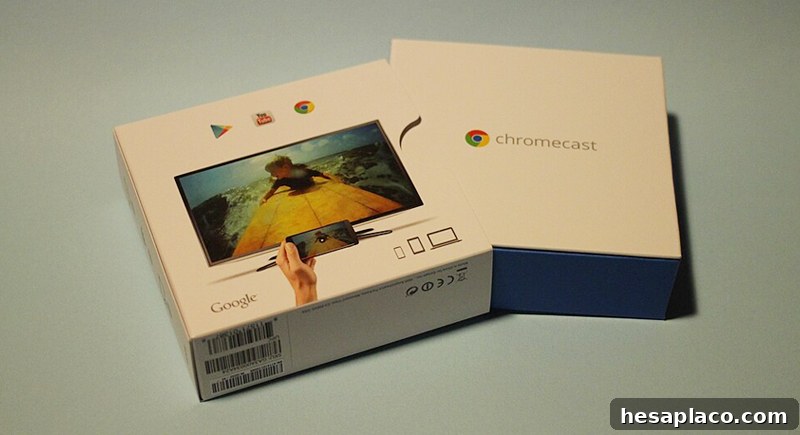
The original Chromecast dongles, which helped convert ordinary TVs into smart streaming devices, were retired in April 2024. As smart TVs and built-in casting capabilities became standard, the need for separate HDMI dongles declined. Google quietly phased out older hardware models as part of a shift toward integrated TV solutions.
Annotating Search Results Ended

Credit: Getty Images
Google discontinued its experiment that allowed users to annotate search results. Although creative and potentially useful for some workflows, the feature never achieved broad adoption beyond niche productivity users. As a result, Google removed the tool to focus on features with wider appeal.
Stack App Shut Down
Credit: Youtube
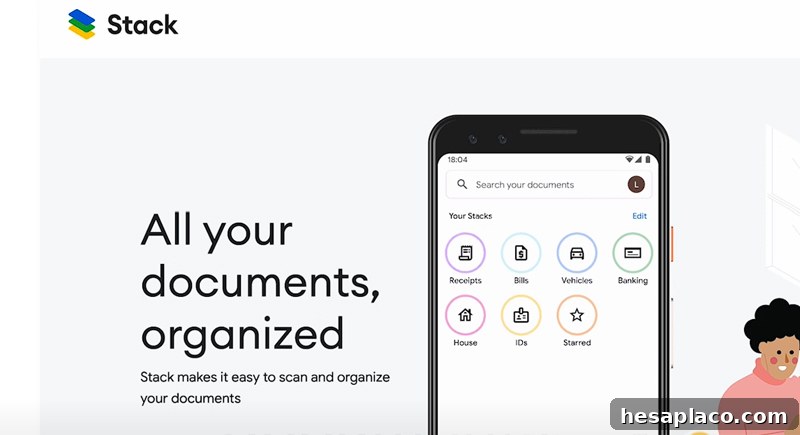
Stack, Google’s document-scanning and PDF organization app, was discontinued in September 2023. The app automated scanning, categorization, and storage for receipts and bills, but it never gained mass-market traction. Google retired the service, leaving users to migrate documents to other cloud storage or scanning apps.
Infinite Scroll Removed from Search

Credit: Wikimedia Commons
In June 2024, Google eliminated infinite scroll on desktop and mobile search results, returning to paginated results. The move reduced the feeling of endless browsing and reintroduced discrete pages of search results. While this change adds more clicks for users navigating deep results, it aligns search behavior with familiar, page-based browsing models.
Maps “Message a Business” Removed
Credit: Canva
Google Maps removed its “message a business” feature in July 2024. From July 15 new chats could no longer be started, and by July 31 all existing message threads and call histories were deleted. With many businesses relying on other communication channels, Google decided to retire the Messaging option within Maps.
Google Fit API Access Ended

Credit: Getty Images
In June 2024, Google announced the end of developer access to certain Google Fit APIs. Third-party health and fitness apps that relied on those APIs needed to find alternate data sources. The change reflects a broader platform strategy shift and affected developers who used Fit to read and write health metrics.
Google One VPN Discontinued
Credit: YouTube
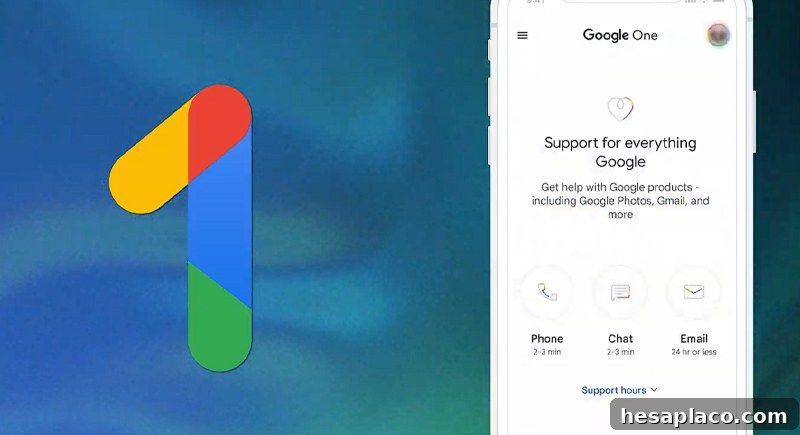
Google One VPN, which offered basic privacy protection, was retired in June 2024. In a competitive VPN market with many established options, the service did not stand out enough to continue. Google indicated Pixel users would retain equivalent protections through other bundled services, while other subscribers had to seek alternative VPN providers.
Google Podcasts Effectively Retired
Credit: YouTube
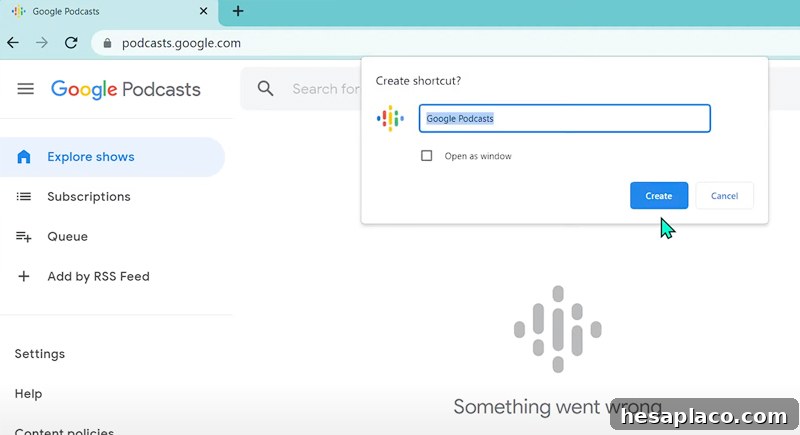
By July 2024, Google had effectively wound down Google Podcasts, directing listeners toward YouTube Music. The standalone Podcasts app, while functional and free, did not gain the broad user base Google expected. The transition encouraged podcasters and listeners to migrate their subscriptions and listening habits to other platforms.
Search Cache Links Removed

Credit: iStockphoto
Google removed the cached links feature from Search in June 2024. Cache links were once a useful way to view older snapshots of web pages, a tool that dated back to early web search. With reduced usage and changes in how sites manage content, Google retired the feature as part of ongoing search interface updates.
Assistant Driving Mode Discontinued

Credit: freepik
Assistant Driving Mode, designed to offer a simplified, safer phone experience while driving, was phased out after receiving little adoption. Google leaned on Maps and Android Auto for in-car navigation and hands-free functionality, and Driving Mode was retired in favor of those better-integrated solutions.
Google Domains Closed
Credit: Wikimedia Commons
Google Domains stopped accepting new domain registrations in 2023 and completed a migration of existing domains to Squarespace by June 2024. The move marked the end of Google’s direct involvement in the domain registrar market, requiring customers to manage their domains through the acquiring provider.
Google Pay Integrated into Wallet

Credit: pexels
In 2024, Google consolidated Google Pay into the Wallet app, unifying payments, digital cards, and passes under a single interface. The consolidation aimed to reduce overlap between apps and simplify how users manage digital payments and credentials. Going forward, Wallet became the central place for Google’s payment and pass features.
These changes reflect Google’s iterative approach: launching new ideas, testing adoption, and retiring what doesn’t scale or align with broader strategies. For users, most retirements are low-friction—services are merged, replaced, or removed when more effective alternatives exist. Still, every shutdown leaves a few users adjusting their workflows and hunting for replacements.