
Downsizing in retirement sounds straightforward: fewer possessions, less upkeep. Yet moving to a smaller home can bring unexpected regrets. Often it’s not the square footage but the loss of specific spaces, storage, and conveniences that retirees miss most. Below are 15 commonly missed features retirees wish they had kept when they scaled back.
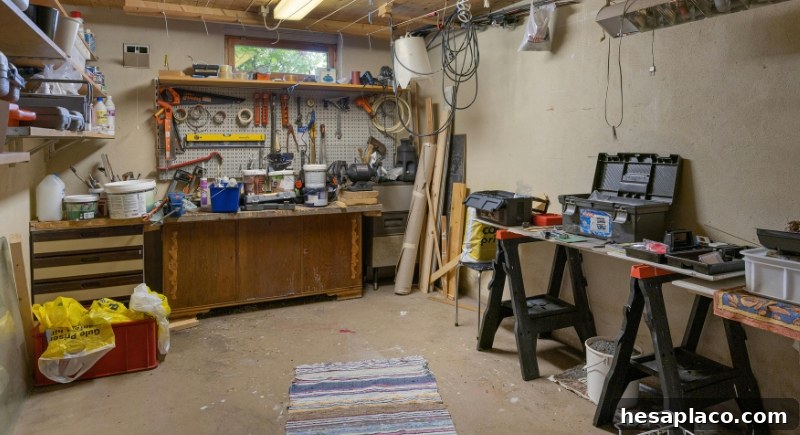
Workshop or Garage Space
Credit: pexels
A garage or workshop provides more than storage for tools; it supports independence and hands-on projects. Once that space is gone, routine repairs are harder to manage and favorite tools often sit unused in boxes or off-site storage. For many retirees, losing a dedicated workspace means losing a satisfying part of daily life.
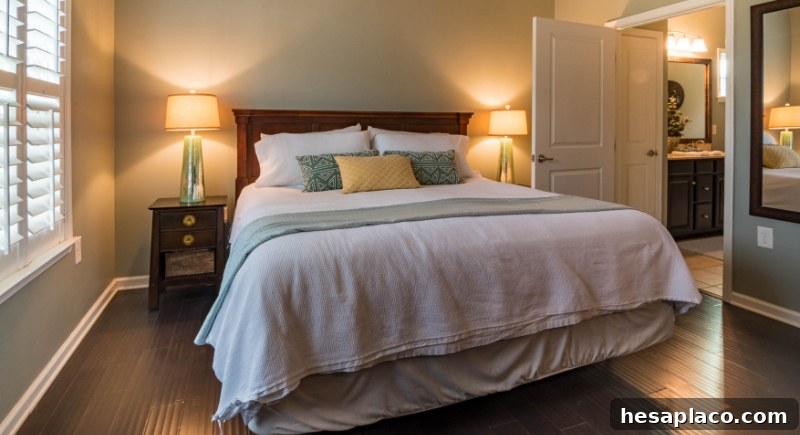
Extra Bedrooms
Credit: pexels
An “extra” bedroom often becomes essential when family visits, overnight guests, or caregivers are needed. Many retirees regret reducing sleeping space because it limits hosting opportunities, complicates care arrangements, and forces spur-of-the-moment visitors to scramble for alternatives.
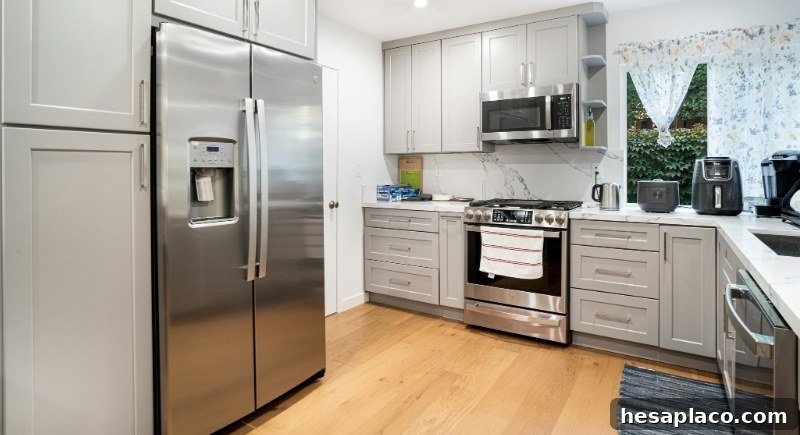
Kitchen Size and Appliances
Credit: pexels
Kitchens in smaller homes can feel cramped quickly. Reduced counter space, limited storage, and compact appliances make meal preparation more cumbersome. Retirees who enjoy cooking or entertaining often miss a roomy kitchen with space to prep, set down pans, and store favorite cookware.
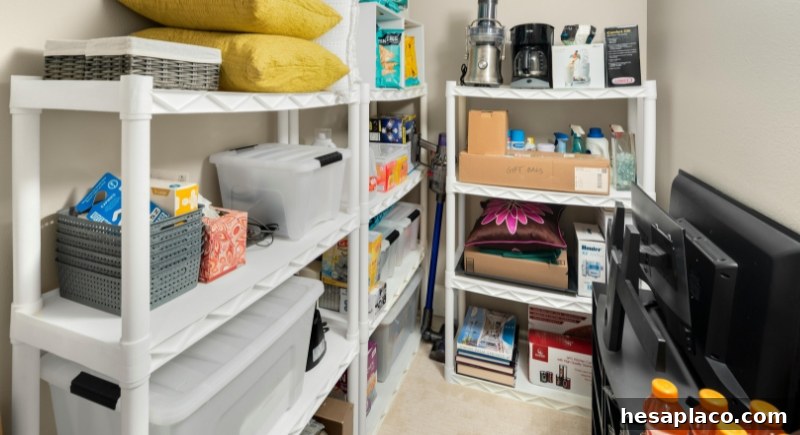
Home Storage Space
Credit: pexels
Many people assume retirement means needing less stuff, but seasonal items, paperwork, and sentimental belongings still require room. Without adequate storage, retirees either discard items they still use or pay for external storage, both of which can be inconvenient and emotionally frustrating.
Backyard or Garden Areas
Credit: Getty Images
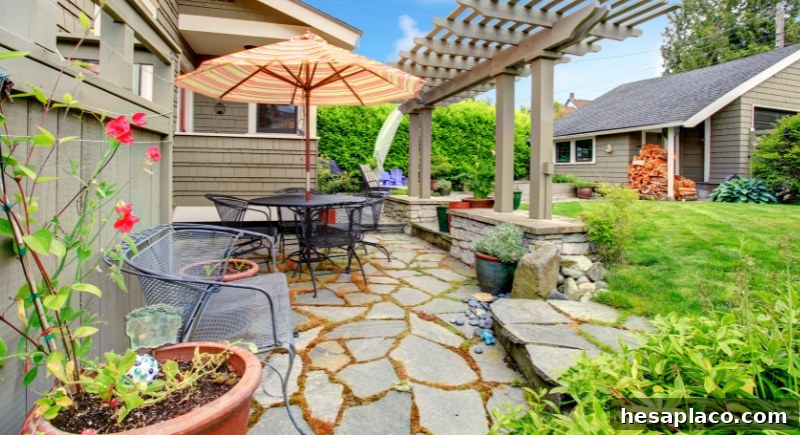
Even if yard work isn’t everyone’s favorite chore, a private outdoor space offers morning coffee spots, small gardening pleasures, and a place to relax. Shared outdoor areas rarely match the freedom of a private backyard, and retirees often miss the ability to potter, plant, or simply sit outside in privacy.
Your Car or Vehicle
Credit: DAPA Images
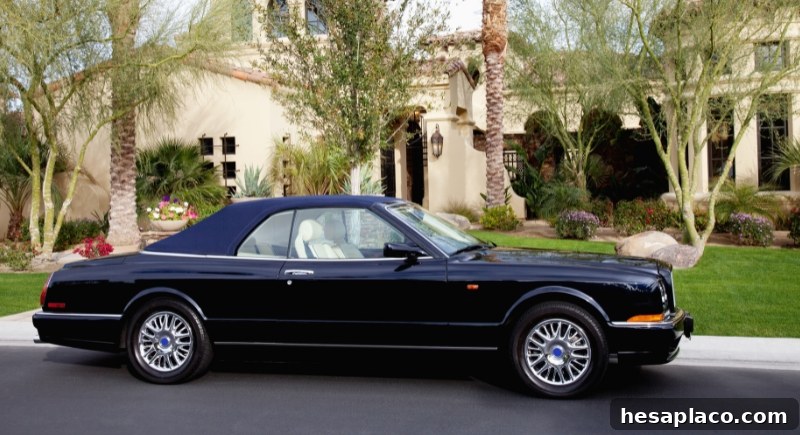
Giving up a personal vehicle can reduce costs, but it also reduces flexibility. Relying on public transit, rides from others, or scheduled pick-ups can make spontaneous plans difficult. Many retirees find that keeping a car preserves independence and simplifies getting to appointments and social events.
Home Office or Study
Credit: Canva
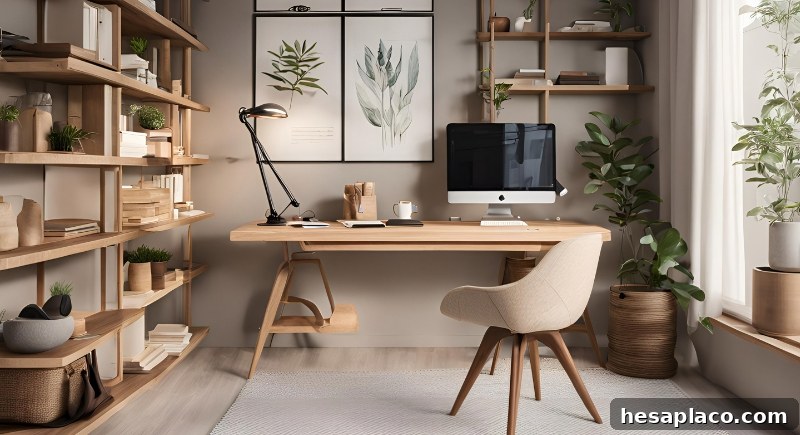
Even after retirement, a dedicated workspace is useful for paying bills, managing documents, and pursuing hobbies that require a desk. Without a home office or at least a defined nook, these tasks spread into the kitchen or living areas, making organization harder and daily life feel cluttered.
Comfortable Bathrooms
Credit: pexels
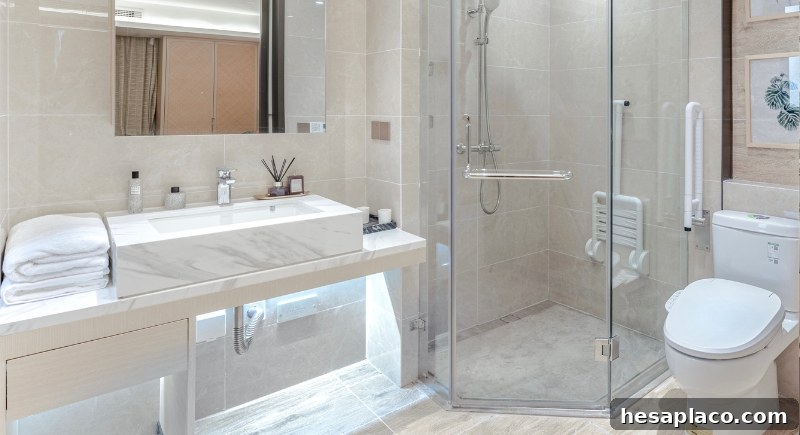
Bathroom size and layout become more important with age. Narrow spaces can be difficult to navigate and leave little room for safety features such as grab bars or walk-in showers. Retirees often wish they had kept at least one bathroom with enough space to move comfortably and allow for future accessibility upgrades.
Guest Parking or Driveways
Credit: Getty Images
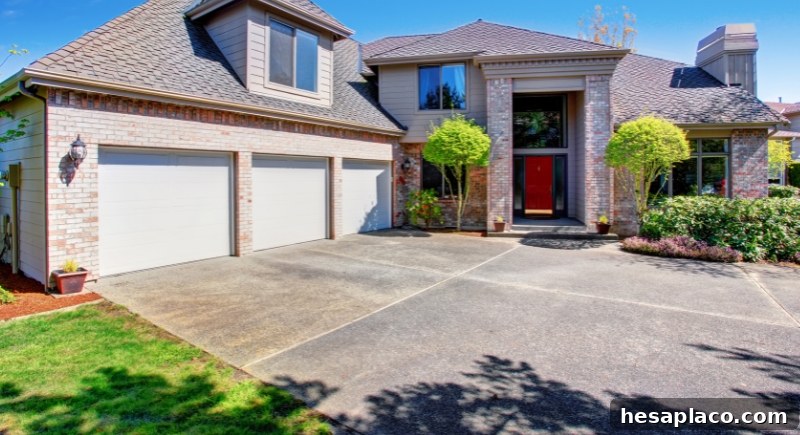
Convenient parking matters for social connections. When visitors struggle to park, casual get-togethers decline. Many retirees miss having a driveway or guaranteed guest space because it makes hosting simpler and keeps friends and family coming by more often.
Wall Space for Art or Photos

Credit: RyanKing999
Smaller walls mean fewer places to display travel souvenirs, family photos, and meaningful artwork. Those visual reminders help a house feel like home. When cherished items end up boxed away, the new space can feel impersonal and less comforting.
Storage for Emergency Supplies
Credit: Getty Images
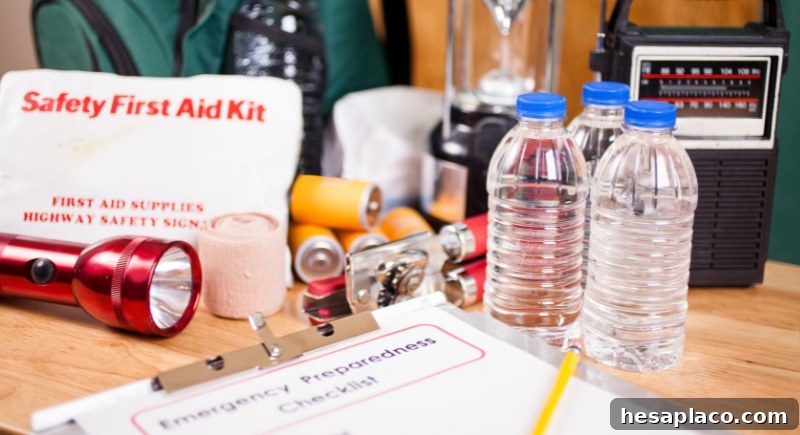
Emergency kits require space for essentials like water, flashlights, batteries, and canned goods. Downsizing too aggressively can leave only a single drawer for supplies, which isn’t enough in an outage or severe weather. Retirees who keep a small reserve area are better prepared when emergencies occur.
Pet-Friendly Features
Credit: Getty Images
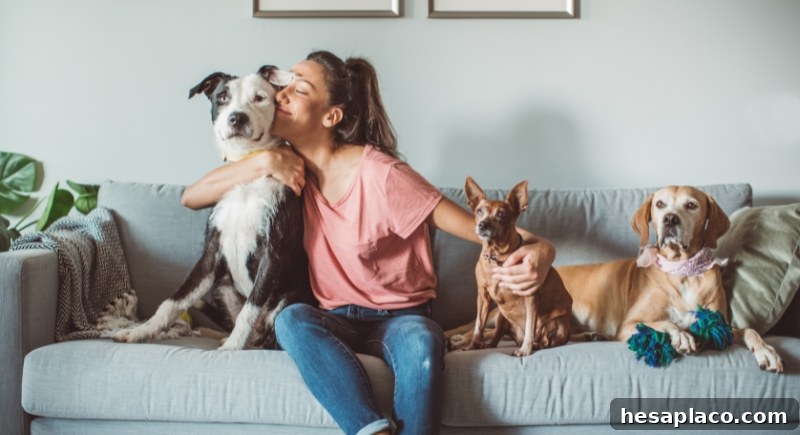
Smaller homes often lack space for a pet’s needs: room to play, an outdoor area for walks, or a dedicated place for food and beds. Downsizing can disrupt a pet’s routine, and retirees frequently regret losing features that made life easier for their animals.
Space for Hobbies or Tools
Credit: Getty Images
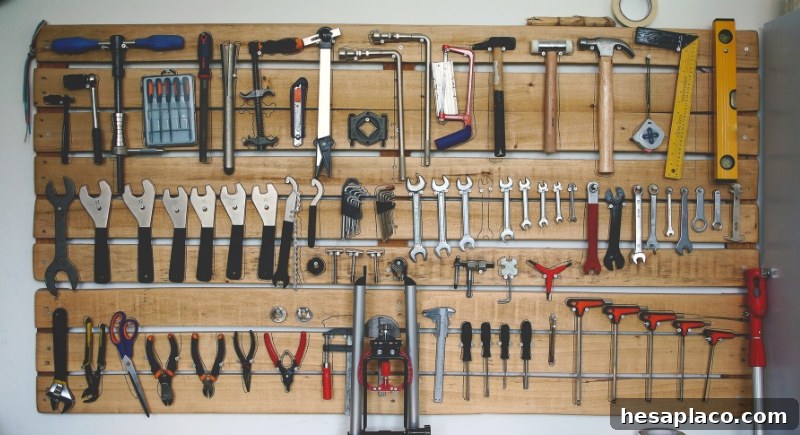
Hobbies give structure and joy, but many need dedicated space for supplies or workbenches. Without room to tinker, paint, sew, or build, hobbies can shrink or disappear, leaving retirees with less fulfilling downtime than they expected.
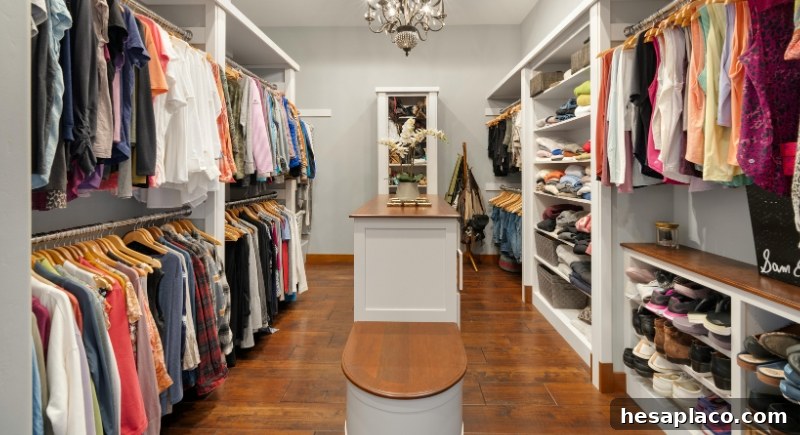
Walk-In Closets or Dressing Areas
Credit: pexels
Plenty of closet space makes daily routines more pleasant and keeps clothing organized. Downsizing into smaller closets can turn getting dressed into a search-and-dig exercise. Retirees often wish they had kept at least one generous closet or dressing area to simplify everyday life.
When planning a move to a smaller home, think beyond square footage and consider which specific spaces and features support independence, comfort, and social connection. A well-considered downsizing keeps the benefits of a simpler life while avoiding regrets about what was left behind.