
Longevity is shaped by more than genetics or luck; it depends heavily on environment, lifestyle, and access to care. In the United States, life expectancy varies significantly across metropolitan areas. The following overview, organized from lower to higher life expectancy, highlights how location affects health and longevity.
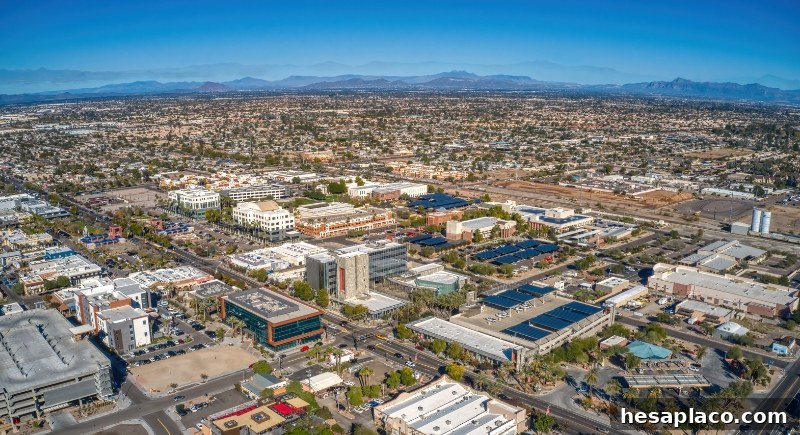
Phoenix–Mesa–Chandler, AZ – 80.7 years
Credit: Getty Images
Sunshine and outdoor-friendly weather play a major role in Phoenix’s health profile. The region’s expanding network of clinics and hospitals complements its climate advantages, while investments in air quality and walkable neighborhoods support active, health-conscious living.
Portland–Vancouver–Hillsboro, OR–WA – 80.7 years

Credit: Getty Images
Portland’s urban design integrates green spaces, bike lanes and pedestrian routes into everyday life, making physical activity effortless for many residents. Strong public health initiatives and relatively low smoking rates reinforce a culture of wellness that supports longer life spans.
New York–Newark–Jersey City, NY–NJ–PA – 80.7 years

Credit: Getty Images
Dense transit networks and walkable neighborhoods mean daily movement is built into life in New York. The metro also offers an abundance of top-tier medical centers and a diverse social environment that supports mental and emotional well-being—factors that contribute to greater longevity.
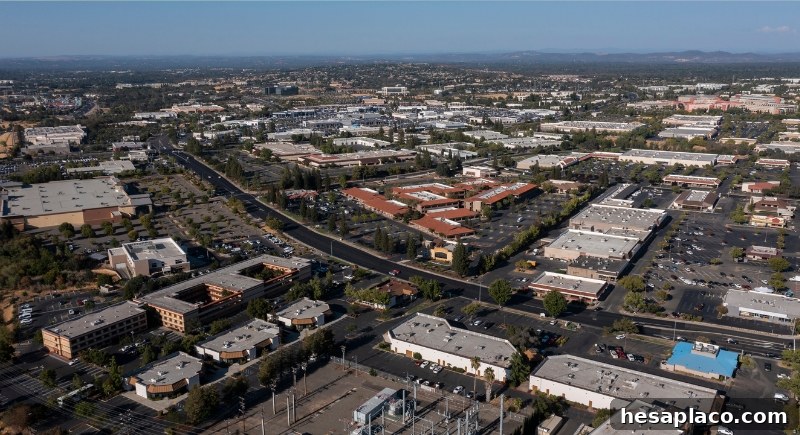
Sacramento–Roseville–Folsom, CA – 81.2 years
Credit: Getty Images
Northern California’s capital region benefits from environmental regulations, clean-air policies and abundant outdoor recreation. Higher average incomes and accessible healthcare encourage preventive care and healthy lifestyles that support longer lives.
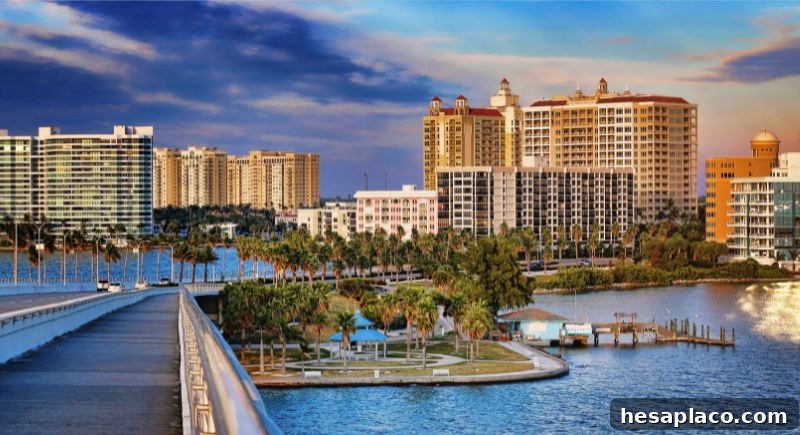
North Port–Sarasota–Bradenton, FL – 81.4 years
Credit: Getty Images
Favored by retirees, this Gulf Coast region offers easy access to beaches, healthcare networks and age-friendly infrastructure. Recreational centers, accessible sidewalks and senior-focused services make healthy aging more feasible for many residents.
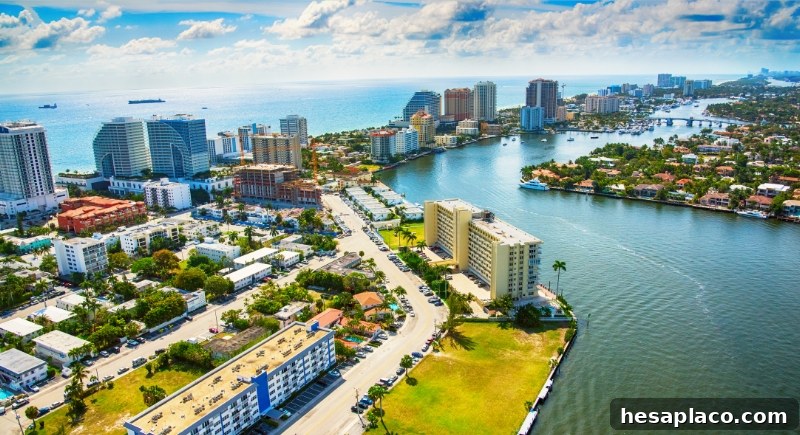
Miami–Fort Lauderdale–Pompano Beach, FL – 81.6 years
Credit: Getty Images
High daylight exposure, walkable urban centers and concentrated healthcare facilities characterize this metro. Cultural emphasis on fresh food, social engagement and routine medical access supports habits that correlate with longer lifespans.
Denver–Aurora–Lakewood, CO – 81.8 years

Credit: Getty Images
Outdoor recreation and an active culture are hallmarks of the Denver area. High-altitude living, widespread hiking and biking opportunities, low smoking rates and a robust healthcare system combine to encourage regular physical activity and preventive care.
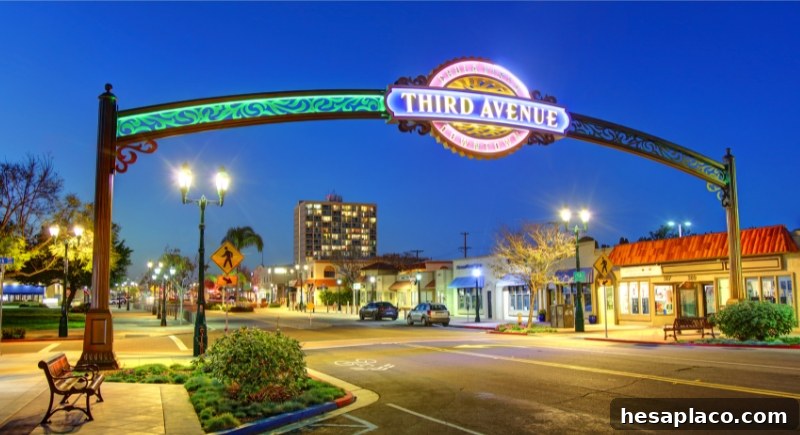
San Diego–Chula Vista–Carlsbad, CA – 81.8 years
Credit: Getty Images
San Diego’s mild climate makes outdoor activity a routine part of life, from beach sports to farmers’ market strolls. Preventive healthcare, high education levels and an emphasis on active living contribute to the region’s favorable life expectancy.
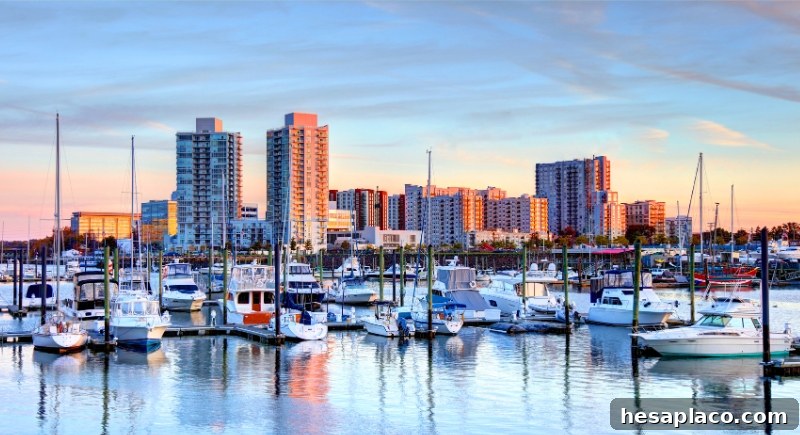
Bridgeport–Stamford–Norwalk, CT – 82.1 years
Credit: Getty Images
Higher income levels and proximity to leading hospitals and academic medical centers give this Connecticut region strong healthcare advantages. Combined with community investments in public health and health-conscious lifestyles, these factors support longer, healthier lives.
Los Angeles–Long Beach–Anaheim, CA – 82.1 years

Credit: Getty Images
Los Angeles promotes a culture of fitness and healthy eating—from outdoor yoga to abundant plant-based options. Despite its size, many walkable neighborhoods, diverse food choices and accessible healthcare services help sustain healthier lifestyles across the region.
Oxnard–Thousand Oaks–Ventura, CA – 82.3 years

Credit: Getty Images
Nestled between mountains and coastline, this Southern California area offers clean air, frequent access to nature and a strong emphasis on preventive medicine. Residents benefit from outdoor recreation and routine health maintenance that support long-term well-being.
Cape Coral–Fort Myers, FL – 82.4 years

Credit: Getty Images
This sunny Gulf Coast city is noted for its relatively affordable living, generous healthcare access and design features aimed at aging populations. The community’s layout and services make it easier for residents to maintain active, healthy lives.
Urban Honolulu, HI – 82.4 years

Credit: Getty Images
Hawaii’s island lifestyle—year-round outdoor activity, clean air and a culturally ingrained emphasis on healthy living—pairs with broad healthcare access to support longer life expectancy. The environment and community habits both encourage steady, healthy aging.
San Jose–Sunnyvale–Santa Clara, CA – 83.3 years

Credit: Getty Images
Silicon Valley’s tech hub delivers high education and strong income levels that correlate with better health outcomes. Low obesity rates, a focus on preventive care and data-driven wellness practices help residents make informed choices that extend healthy years.
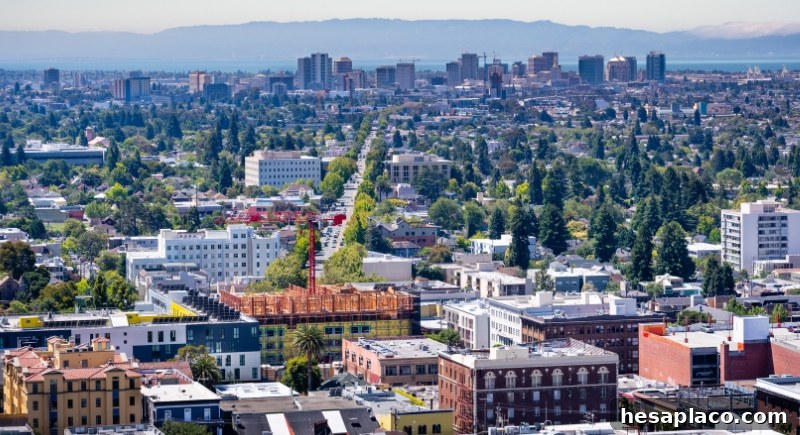
San Francisco–Oakland–Berkeley, CA – 83.8 years
Credit: Getty Images
The Bay Area ranks among the highest for life expectancy. A culture focused on sustainability, low smoking prevalence and consistent public health investments combine with diverse neighborhoods and strong community resources to support long, healthy lives.