
Retirement used to be a clear milestone for many Americans. Today, however, for a growing number of older adults, leaving the workforce has become more of a distant hope than a realistic plan. Below are 15 major reasons millions are delaying retirement or giving up on it entirely.
Debt Is Looming

Credit: Canva
Debt doesn’t automatically disappear with age. Roughly 70% of people over 55 still carry some form of debt, including credit cards, medical bills, and auto loans. Monthly repayments can consume hundreds of dollars, shaving away savings and making retirement financially risky.
Social Security Doesn’t Go As Far As It Used To

Credit: Getty Images
Social Security was never intended to replace a full pre-retirement income, and today benefits typically cover less than half of a worker’s previous earnings. For people living in areas with high housing or medical costs, Social Security alone often falls short of meeting basic needs.
Savings Gaps Turn Into Sinkholes

Credit: Canva
Average savings among older adults with debt might seem modestly reassuring until you dig deeper. Many report far less than what they need: nearly half say they have under $20,000 in savings, and more than 20% have no savings at all. Without a financial cushion, stepping away from work is often impossible.
Pensions Are Practically Extinct
Credit: Getty Images
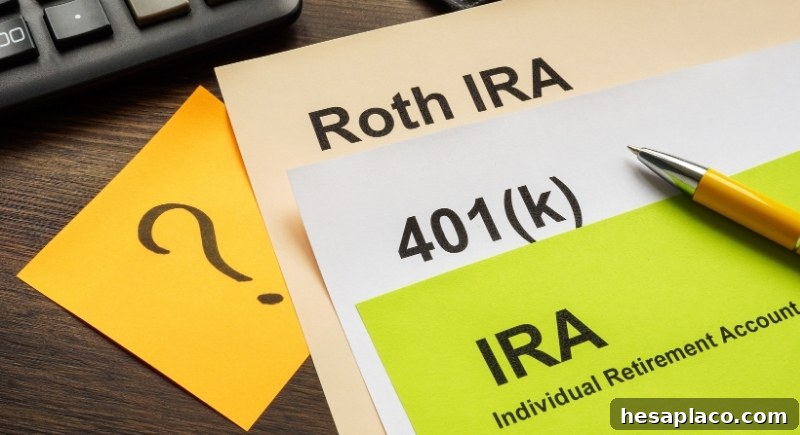
The steady, employer-funded pension that defined retirement for previous generations has largely disappeared. Most private-sector workers now rely on defined-contribution plans like 401(k)s, putting the responsibility for saving and investment risk squarely on individuals. That shift leaves many vulnerable to market swings and longevity risk.
Housing Costs Refuse To Slow Down

Credit: pixelshot
Even after downsizing, housing costs remain a heavy burden. Nearly a third of older adults still carry mortgage debt, with average balances exceeding $70,000. Rising rents and property prices keep many tied to monthly payments they expected to outgrow, making retirement less attainable.
Medical Debt Follows People Into Their 70s
Credit: Getty Images
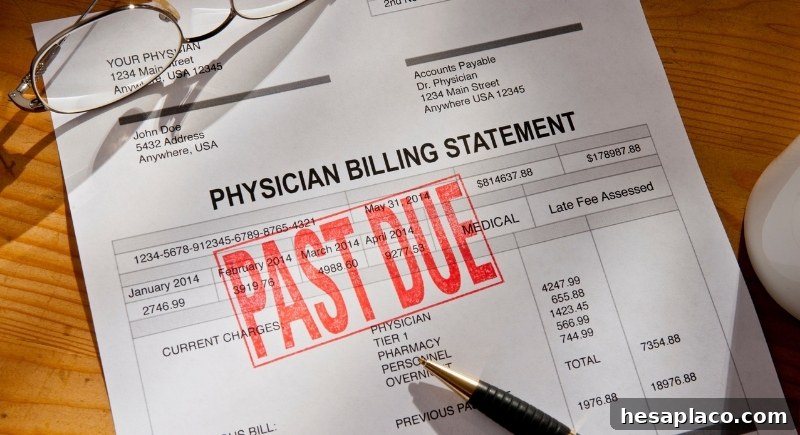
With aging comes greater healthcare needs—and bigger bills. About 17% of older adults carry medical debt averaging more than $9,000, and some make monthly payments of $200 or more. When healthcare costs clash with fixed or limited incomes, retirement plans are often deferred.
Credit Cards Don’t Fill The Gaps Anymore

Credit: Canva
Credit cards might temporarily cover shortfalls for essentials like food, gas, and prescriptions, but they can quickly become a financial trap. High interest rates and mounting balances prevent many older adults from escaping a cycle of debt that undermines retirement security.
Gig Work Has Become Standard

Credit: Getty Images
Many older Americans now rely on gig or freelance work—driving for ride-share services, delivering groceries, or doing short-term shifts—to make ends meet. While flexible, these roles rarely include employer-sponsored retirement plans or health benefits, limiting their ability to fully exit the workforce.
Spousal Loss Can Shift Everything

Credit: Canva
The death of a spouse brings emotional grief and sudden financial strain. Dual incomes and shared benefits often make retirement feasible for couples; losing one partner can cut household income or survivor benefits dramatically, forcing the surviving spouse to continue working.
Rejoining the Workforce Isn’t Easy

Credit: Getty Images
Unretiring can be harder than expected. Age discrimination and skill mismatches mean experienced workers often find only part-time or low-paying roles when they try to reenter the labor market. Those positions frequently fail to provide enough income to ensure financial stability.
Caregiving Takes a Financial Toll

Credit: pexels
Caregiving—whether for a spouse, aging parent, or grandchildren—often requires time and reduces earning capacity. Many postpone retirement because they continue to work while providing unpaid care, or because caregiving expenses force them to keep earning.
Bankruptcy Isn’t Just for the Young

Credit: Getty Images
Medical emergencies, job loss, and rising living costs have pushed many older adults into bankruptcy. Recovering from bankruptcy can be lengthy and can limit access to credit, housing, and even certain employment opportunities—factors that complicate retirement planning.
Health Problems Disrupt the Timeline

Credit: Canva
Some people stop working by choice; others do so because health problems make continued employment impossible. Chronic conditions, sudden diagnoses, or physical decline can remove the option of working while leaving bills intact, forcing difficult trade-offs.
There’s No National Retirement Strategy

Credit: Getty Images
Unlike countries with guaranteed public pensions or centrally coordinated retirement systems, the U.S. relies on a fragmented mix of Social Security, employer plans, and private savings. Success often depends on occupation, location, and when saving began—leaving many to navigate retirement planning on their own.
Even Younger Generations Are Already Worried

Credit: Canva
Concern about retirement isn’t limited to older adults. Many Millennials and Gen Z workers expect to work into their 70s due to student debt, unstable employment, and rising housing costs. If current trends continue, today’s retirement challenges may intensify for future generations.
In short, a mix of debt, rising living and healthcare costs, diminished employer support, and structural gaps in the system are keeping millions from retiring as planned. For many, retirement is less an assured next chapter and more an uncertain goal that requires careful planning, realistic expectations, and often continued earnings well into later life.