Eating healthily is often presented as a luxury, but it doesn’t need to be expensive or complicated. With a little planning, practical swaps, and smarter shopping habits, you can nourish your body and keep your grocery budget under control. Below are straightforward, actionable strategies to eat better without overspending.
Frozen Produce Is a Smart Shortcut
Credit: Getty Images
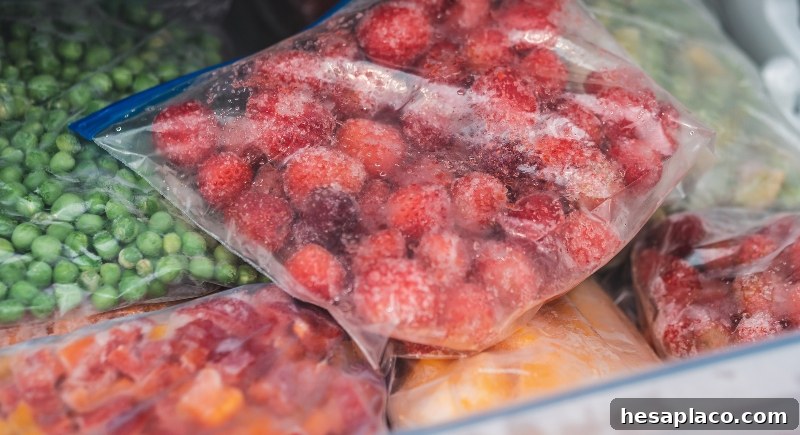
Fresh fruit and vegetables can spoil quickly and lose quality during transport. Frozen produce, however, is harvested at peak ripeness and preserved immediately, locking in nutrients and flavor. It lasts longer, usually costs less, and reduces waste—making it a reliable choice for healthy, budget-friendly meals.
Don’t Grocery Shop Hungry

Credit: Getty Images
Shopping on an empty stomach makes impulse buys and snack choices harder to resist. Eating a small, satisfying snack before you go—like a piece of toast or a banana—helps you stick to your shopping list, avoid junk-food aisles, and make more intentional choices that align with your meal plan.
Reinvent Meals with Leftovers

Credit: Getty Images
Leftovers don’t have to be repetitive. Use last night’s roasted vegetables in a wrap, turn a portion of cooked chicken into a hearty soup, or mix leftover grains into a salad. Repurposing cooked food saves money, reduces waste, and keeps meals varied without extra cooking time.
Swap Meat for Cheaper Proteins
Credit: Getty Images
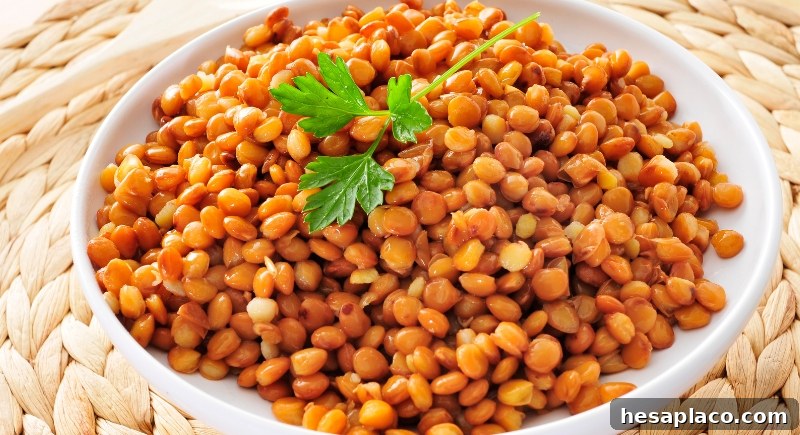
Meat can be costly when used as the centerpiece of every meal. Affordable proteins like lentils, dried or canned beans, chickpeas, and eggs provide excellent nutrition, are easy to store, and often cost much less per serving. They absorb flavors well and make filling, satisfying meals without complex prep.
Prep Ingredients Yourself
Credit: Getty Images
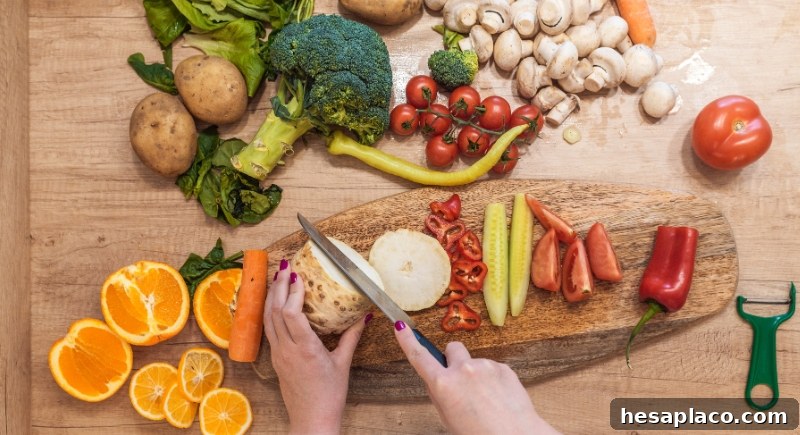
Convenience items like pre-shredded cheese or washed, bagged lettuce cost more for less shelf life. Spending a few minutes chopping vegetables or shredding cheese at home yields fresher flavor, fewer additives, and more flexible portions. Whole ingredients also tend to last longer once opened.
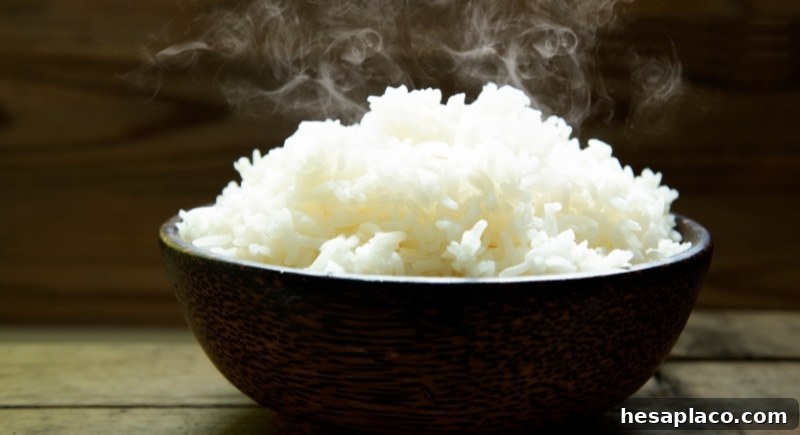
Let Grains Bulk Up Dishes
Credit: Getty Images
Grains such as rice, barley, farro, or oats are inexpensive and filling. They stretch smaller amounts of protein and vegetables into satisfying meals. Use broths, herbs, and spices to add depth and make grain-based dishes feel complete, whether in bowls, pilafs, or porridges.
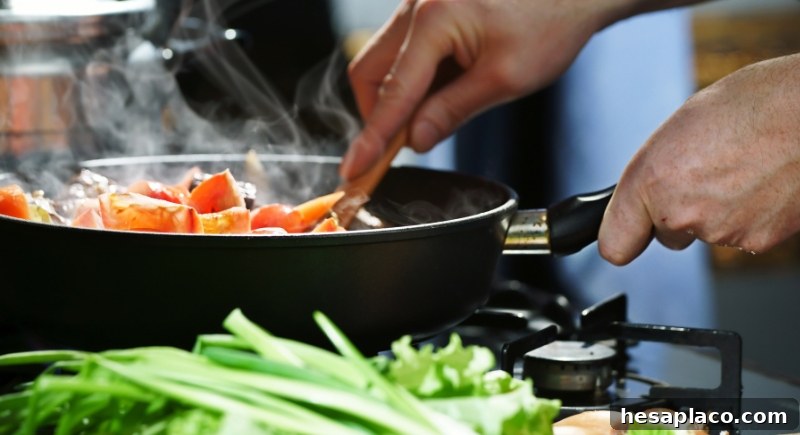
Double Recipes When Cooking
Credit: Getty Images
Cook larger portions and freeze or refrigerate extras for quick meals later. Doubling a sauce, stew, or casserole saves time on busy days and reduces the temptation to order takeout. Batch cooking also lets you plan healthier options in advance, which supports better eating habits.
Use Coupons with Intention

Credit: Getty Images
Coupons and digital deals can be helpful but shouldn’t dictate your purchases. Apply discounts only to items you already plan to buy. This prevents impulse buys that negate savings and keeps your shopping focused on nutritious, useful ingredients.
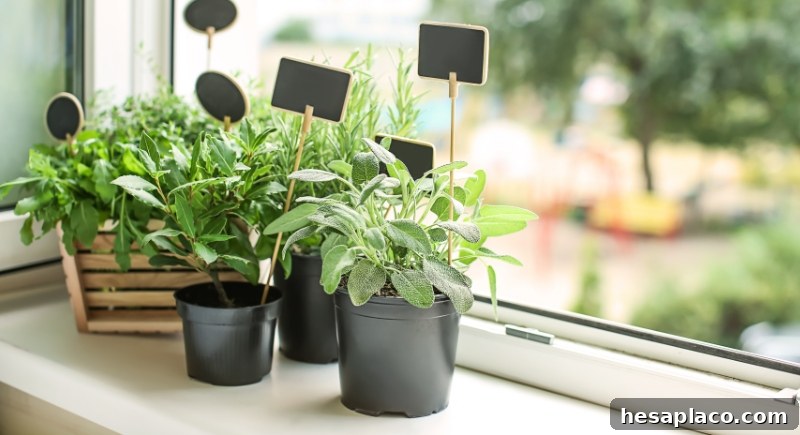
Grow a Few Ingredients at Home
Credit: pixelshot
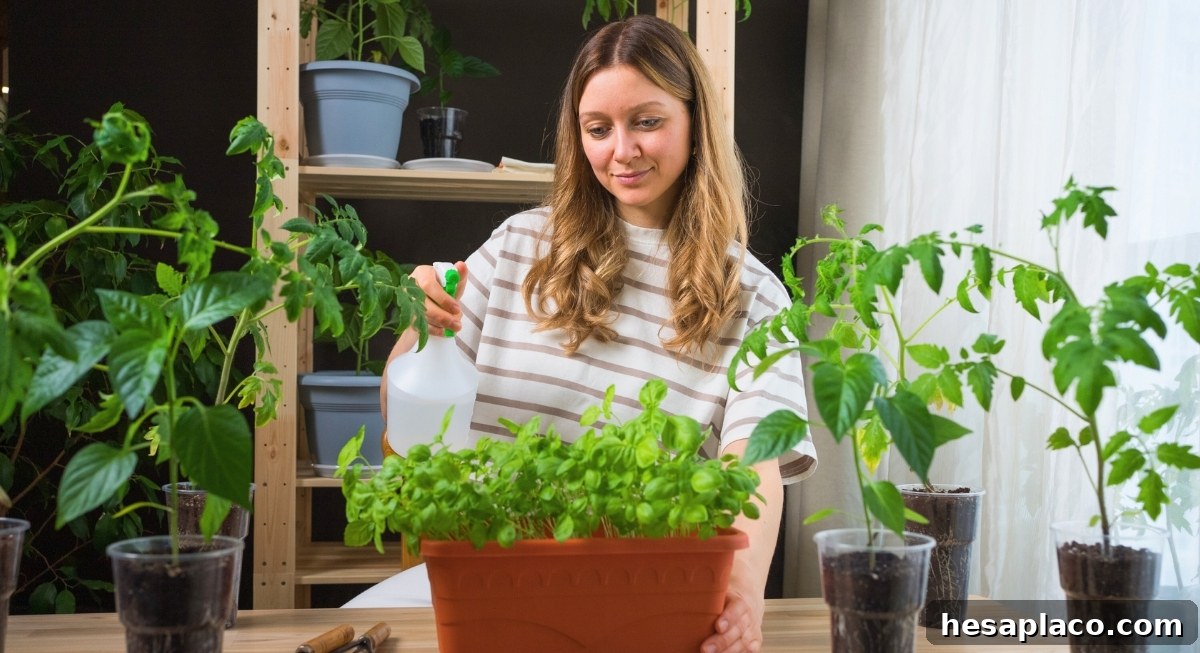
A small windowsill herb garden can reduce frequent trips to the store and brighten meals. Basil, parsley, mint, and thyme grow well in containers and provide fresh flavor at minimal cost. Even a few pots of herbs make home cooking more enjoyable and economical.
Skip the Sugary Beverages

Credit: Canva
Soft drinks, bottled juices, and many specialty beverages add calories and cost without nutritional benefit. Choosing water, herbal tea, or infused water with lemon or cucumber saves money and supports hydration. Over time, this swap reduces both your grocery bill and unnecessary sugar intake.
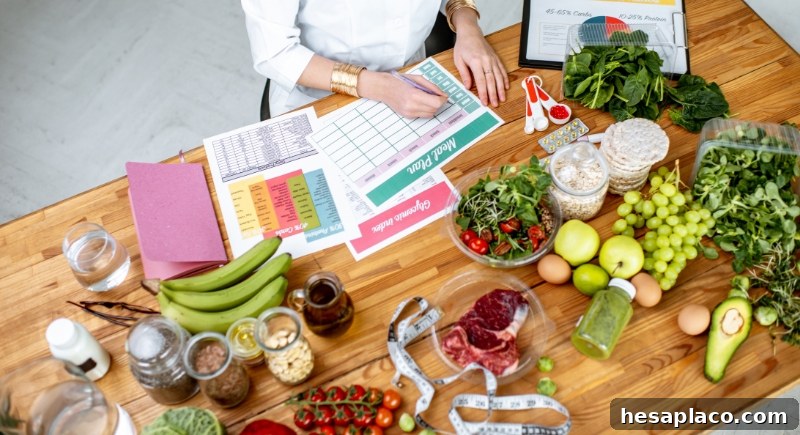
Plan Meals Based on Inventory
Credit: Canva
Before making your list, check your fridge, freezer, and pantry. Building meals from what you already have prevents duplicate purchases and inspires creative combinations—like pairing that half onion and a can of tomatoes into a quick pasta sauce or soup.
Keep It All in One Pan

Credit: Canva
One-pot meals simplify cooking and cleanup while making efficient use of ingredients. Stews, grain bowls, and skillet meals allow you to combine protein, vegetables, and grains in a single dish, stretching ingredients and saving time without sacrificing flavor.
Buy Bulk Only When It’s Logical

Credit: Getty Images
Bulk purchases can be economical but only when you have space and will use the product before it spoils. Buy larger quantities of staples you regularly use—like rice, oats, or dried beans—and avoid bulk buys for items that don’t fit your cooking habits or storage capacity.
Stick with Affordable Staples
Credit: Getty Images
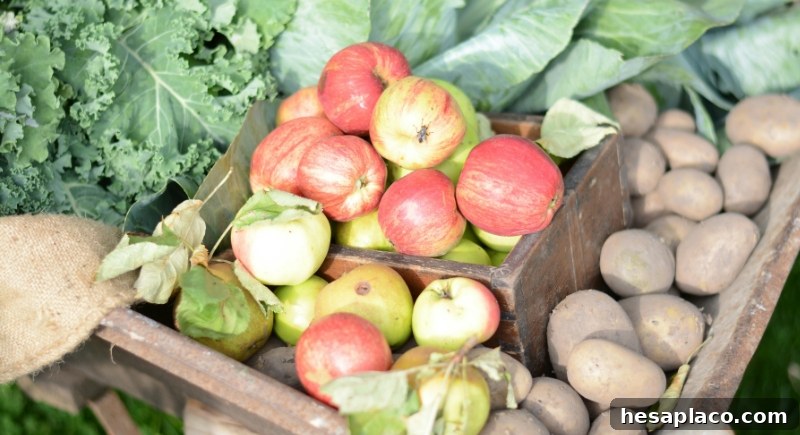
Everyday staples like sweet potatoes, cabbage, carrots, and whole grains are nutritious, versatile, and budget friendly. These ingredients adapt easily across cuisines and recipes, delivering consistent value without relying on expensive or trendy items that often add little nutritional benefit.
Use the Whole Ingredient

Credit: Getty Images
Reduce waste by using all edible parts of ingredients. Carrot tops make flavorful pesto, broccoli stems are great sautéed or blended into soups, and bread ends become breadcrumbs or croutons. Treating scraps as useful components saves money and encourages more sustainable cooking practices.