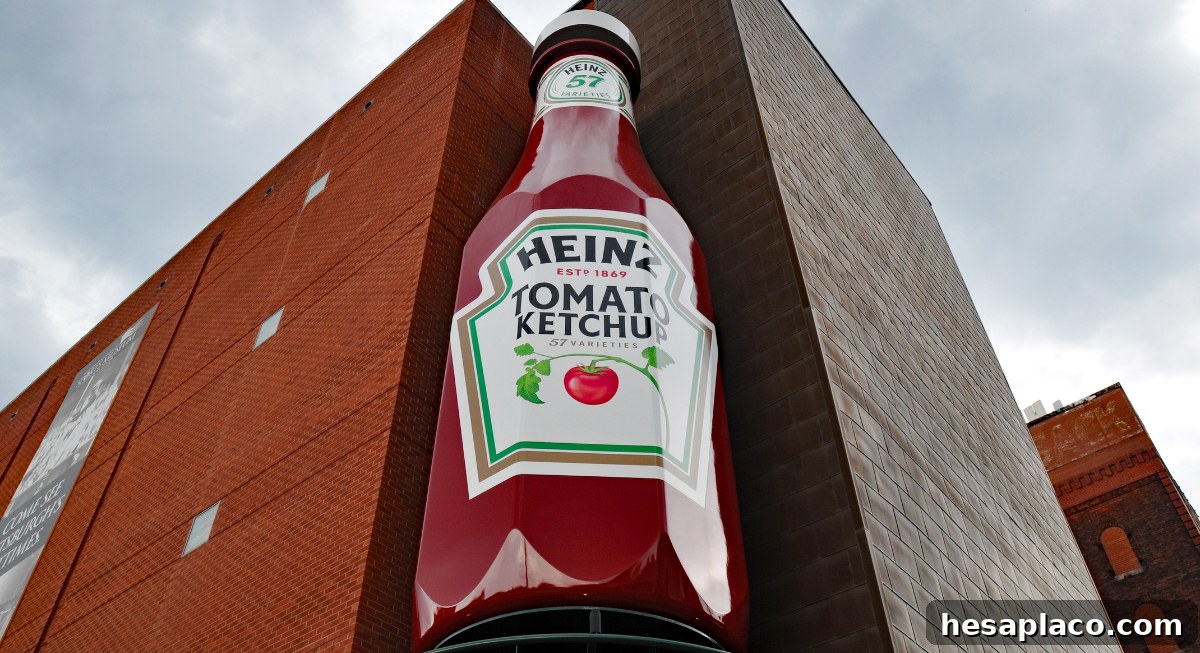
For many consumers, ketchup and Heinz are nearly synonymous. The brand helped define what ketchup should be, and its iconic bottle and flavor create strong expectations whenever someone reaches for the condiment. Yet in restaurants and diners across the country, that familiar bottle isn’t always filled with the sauce people assume. Lower-cost alternatives are sometimes poured into branded containers, leaving customers unaware of the substitution.
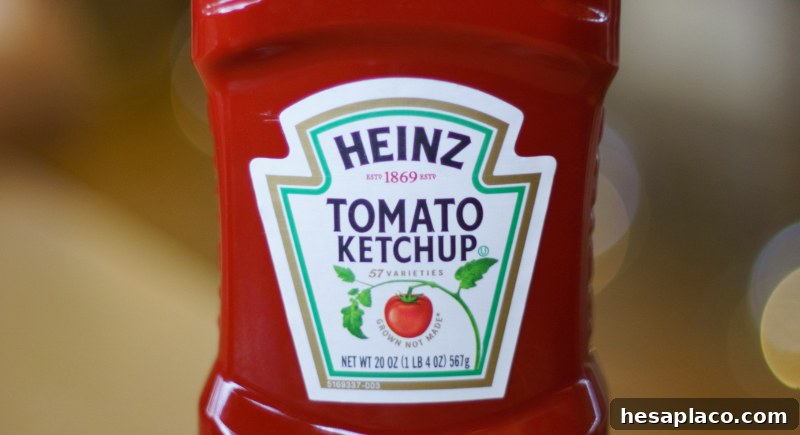
Image via iStockphoto/Jhanggo
That practice might have remained a quiet industry secret, a small deception diners rarely noticed. Instead, Heinz responded in an unexpectedly bold and public way, turning the issue into a high-profile marketing campaign that both acknowledged the problem and entertained customers.
Heinz Flips the Script
Rather than trying to hide the fact that their bottles were sometimes refilled with cheaper sauces, Heinz leaned into the idea of impostors. The company launched a campaign that made the swap itself the message: print ads displayed two visually identical bottles side by side with the tagline, “Even we can’t tell the difference from the outside.” The creative choice highlighted how convincing the cosmetic substitution could be, while reminding consumers that packaging alone says little about what’s inside.
Heinz extended the campaign beyond print. Large billboards appeared in major cities such as New York and Chicago, and social media posts encouraged customers to report restaurants they suspected of using non-Heinz sauces in branded bottles. The brand sweetened participation by offering a prize — a year’s supply of genuine Heinz — to anyone who exposed a swap. The tone remained playful rather than punitive: instead of shaming establishments, Heinz used humor and a participatory call to action to make the issue feel like a shared joke between brand and customer.
Why the Campaign Worked

Image via iStockphoto/Masa44
The campaign succeeded for several reasons. First, by inviting customers to report suspected substitutions, Heinz turned passive brand loyalty into active engagement. Fans became participants in the brand’s message, searching for and sharing real-world examples of the phenomenon. That kind of grassroots involvement amplified the campaign’s reach at minimal cost.
Second, the campaign reinforced Heinz’s market position without using a hard sell. The implicit argument was clear: if others copy the look, it’s because Heinz set the standard. The messaging communicated leadership and recognition — the very fact that imitators existed confirmed Heinz’s dominance in the category.
Third, the company converted what could have been an awkward or damaging revelation into a cultural moment. The idea of ketchup impostors was inherently relatable and shareable, making it ripe for online conversation and memes. By handling the issue with wit rather than defensiveness, Heinz captured public attention and steered the narrative in its favor.
Perhaps most importantly, the campaign illustrated the value of packaging as a brand asset. The distinctive Heinz bottle and label carry immediate recognition; that visual identity proved powerful enough to serve as the centerpiece of an advertising strategy. Even misuse of the packaging became an opportunity to remind consumers why the original matters.
In the end, Heinz’s approach strengthened the relationship between product and customer. By spotlighting the substitution issue, the company educated consumers, activated brand advocates, and converted a form of fraud into compelling, earned publicity. The campaign showed how a well-executed, lighthearted response to a problem can reinforce brand trust, spark conversation, and turn a potential weakness into an advantage.