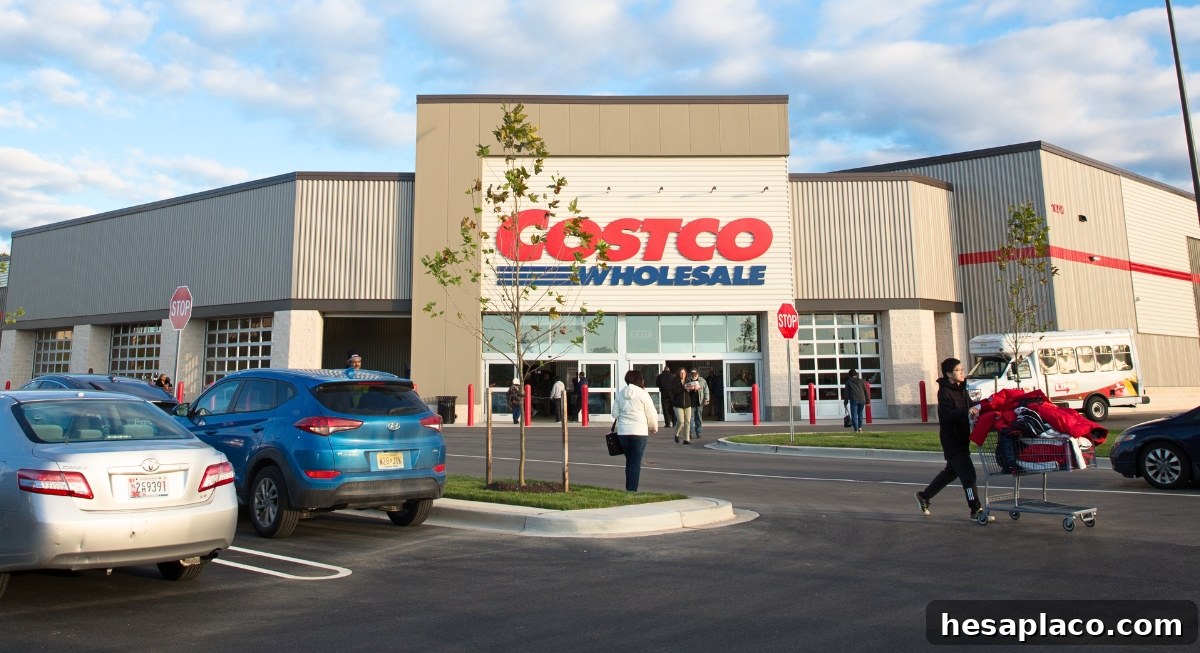
If you shop at Costco regularly, you may have noticed a surprising trend in 2025: several everyday staples actually became cheaper. This wasn’t the result of short-term coupons or fleeting promotions, but real savings when measured by the metrics that count — cost per ounce, per pound, or per roll. Comparing those unit prices to last year makes the savings obvious, especially for products you repurchase frequently.
Olive Oil
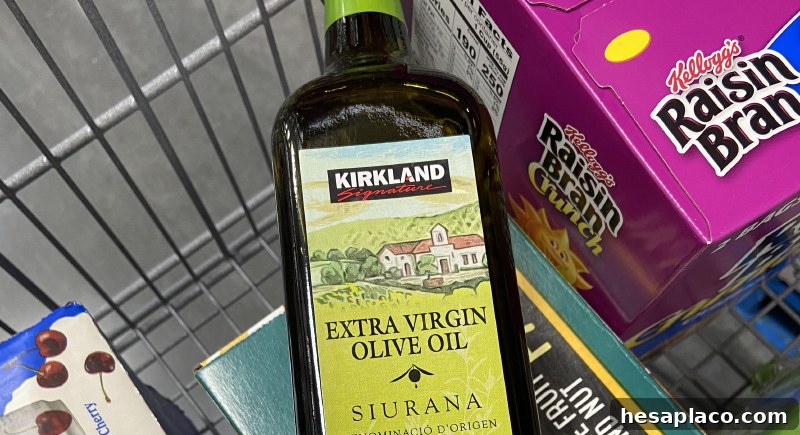
Credit: Reddit
If you use olive oil regularly, Costco’s pricing is hard to ignore. A 2-liter jug of Kirkland Signature 100% Italian Organic Extra Virgin Olive Oil sold for about $18 in 2025, which works out to roughly $8 per quart. In typical grocery stores, comparable organic extra virgin olive oils often cost significantly more per quart, making Costco the better value for frequent users and those who cook with olive oil often.
Paper Towels
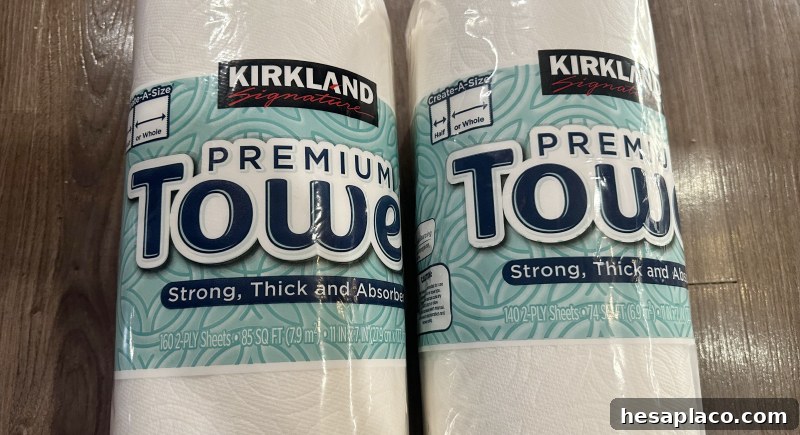
Credit: Reddit
Paper towels can seem inexpensive until you compare the amount of paper you actually get. Costco’s Kirkland Signature paper towels were priced at $23.99 for a 12-pack, equal to about $0.23 per foot. By contrast, discount stores’ two-ply rolls that look cheap at checkout can cost around $0.34 per foot. Over time, buying larger, higher-quality rolls at Costco means fewer roll changes and lower cost per unit of use.
Butter
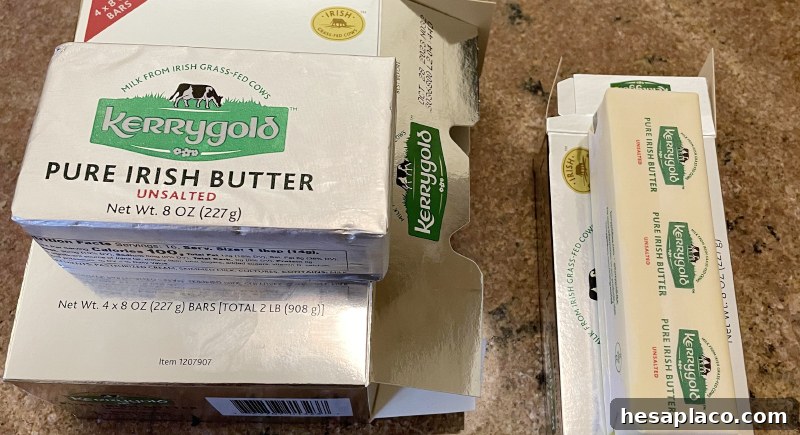
Credit: Reddit
Costco’s pricing on butter offers substantial savings for regular cooks and bakers. Kerrygold Unsalted Irish Butter was around $7.50 per pound at Costco, while the same brand often sold for about $12 per pound at standard grocery stores. For households that use butter frequently, purchasing at Costco reduces the cost each time you restock and can add up to notable annual savings.
Batteries
Credit: Facebook
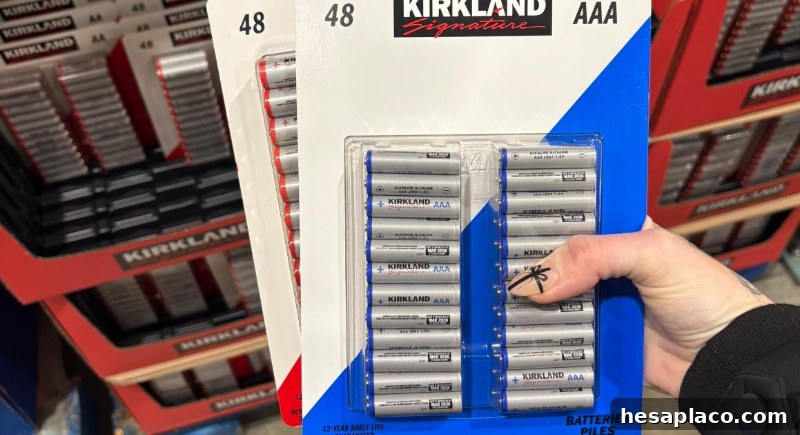
When comparing per-unit cost, bulk battery purchases at Costco make sense. Discount retailers may sell a four-pack for $3 (about $0.75 per battery), but Costco’s Kirkland AA alkaline batteries came in 48-packs for $15.99, or about $0.33 per battery. The upfront cost at Costco is higher, yet the per-battery price favors buying in bulk if you frequently use batteries around the house.
Organic Frozen Blueberries
Credit: Facebook
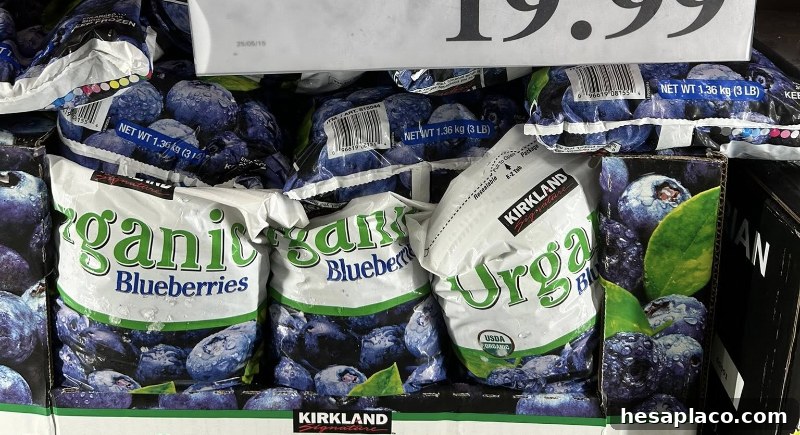
For those who use blueberries in smoothies, oatmeal, baking, or desserts, Costco offers clear savings. A 3-pound bag of Kirkland Signature Organic Blueberries sold for about $8, which equals roughly $2.60 per pound. Most grocery stores price organic frozen blueberries closer to $4 per pound and often in smaller packages. The large Costco bag stores well in a freezer and reduces the per-pound cost for frequent users.
Peanut Butter
Credit: Reddit
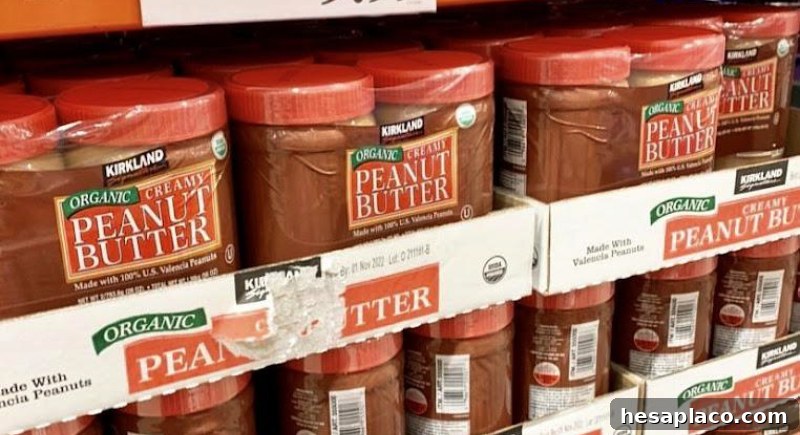
Natural peanut butter at most grocery stores averaged around $3.70 per pound, while Costco’s two-pack of Kirkland Signature Organic Peanut Butter sold for about $10. Each jar holds 28 ounces, resulting in roughly $2.85 per pound. The savings on a single purchase may be modest, but larger jars mean you restock less often and reduce your overall grocery expense across the year.
Cheese
Credit: Reddit
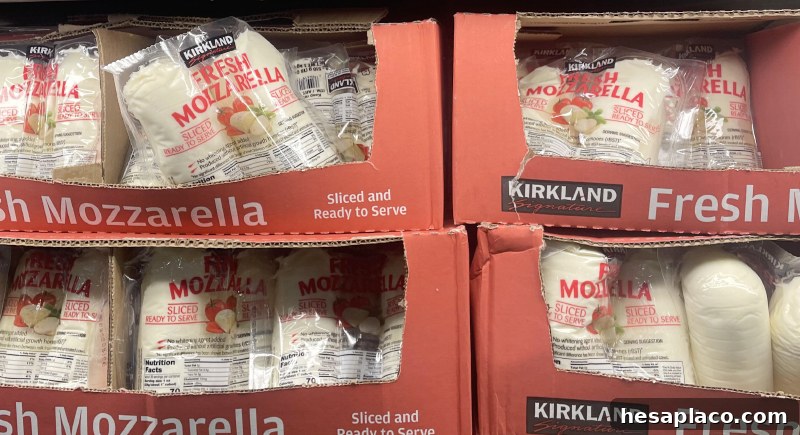
Cheese highlights the advantage of Costco’s bulk model. Sliced mozzarella at Costco was about $3.77 per pound, while similar sliced mozzarella at grocery stores commonly sells for around $9 per pound. Parmigiano Reggiano followed a similar pattern: approximately $12.49 per pound at Costco versus $21 or more elsewhere. For households that use cheese regularly, buying in bulk delivers noticeable savings.
Toilet Paper
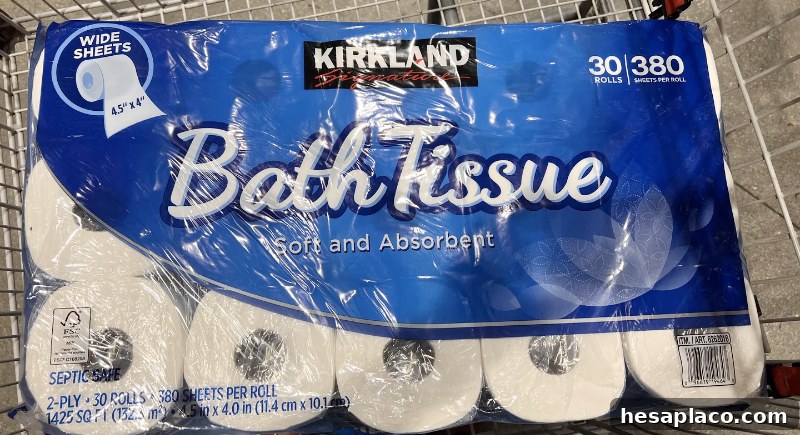
Credit: Reddit
Even when the per-roll price seems comparable, Costco’s larger rolls often mean fewer changes and a lower cost per use. Costco’s 30-pack of Kirkland toilet paper cost around $24.99 and included roughly 16 more square feet per roll than some discount alternatives, making it a practical choice for households focused on long-term value.
Cereal
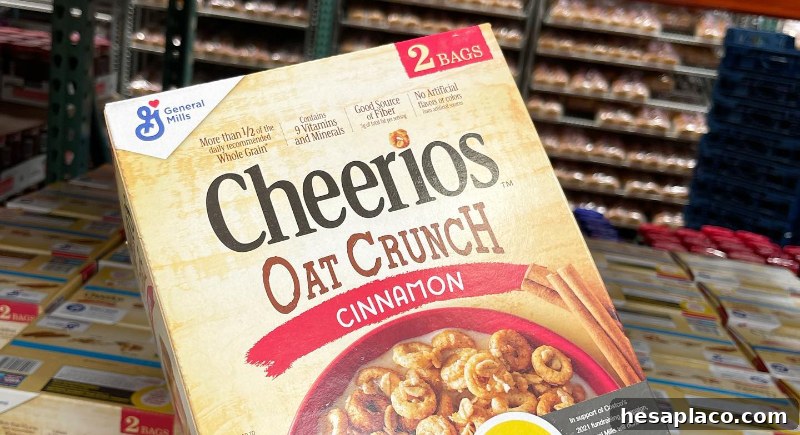
Credit: Instagram
Cereal is another category where larger packaging matters. In 2025, Cheerios averaged about $2.75 per pound at Costco, while grocery stores routinely charged $6 per pound or more for smaller boxes. For families who go through cereal quickly, Costco’s bulk boxes make breakfast more affordable without requiring brand changes.
In short, when you compare unit prices rather than sticker prices, Costco’s bulk approach delivered clear savings in 2025 for a range of everyday items. For shoppers who use these staples frequently, buying larger quantities at lower per-unit costs can reduce the frequency of restocking and trim the household grocery bill over time.