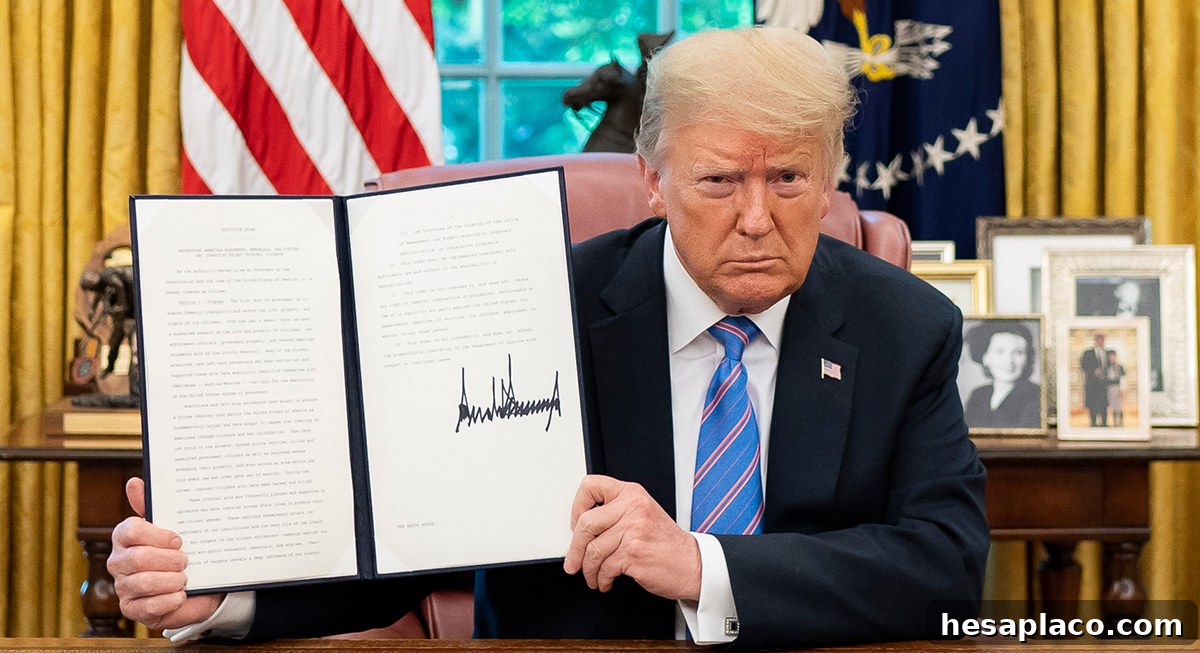
The promise that tariffs will revive America’s lost manufacturing jobs taps into economic nostalgia, but the truth is more complicated. While targeted measures can strengthen certain national security industries, broad tariffs are a blunt instrument that rarely deliver the large-scale job gains they promise. More often, they increase costs, create supply-chain disruptions, and shift economic activity in ways that undercut their intended goals. Below is a clear, evidence-based explanation of why tariffs are not an effective strategy for restoring mass manufacturing employment in the United States.
China’s Manufacturing Advantage Is No Longer Just Cheap Labor
Credit: Youtube
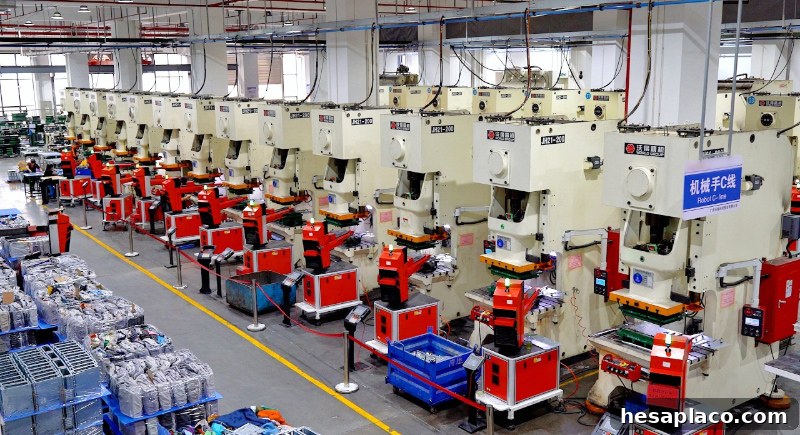
China has transitioned from a low-wage manufacturing base into a global hub for advanced production. Investment in robotics, automation, workforce training, and large-scale facility development gives Chinese factories efficiencies that tariffs cannot erase. Simply imposing taxes on imports will not rebuild the decades of coordinated investment and industrial policy that underpin China’s modern capabilities. Instead, tariffs risk isolating U.S. firms and fragmenting supply networks without closing the technological and scale gap.
Modern Manufacturing Creates Fewer, More Technical Jobs
Credit: Wikimedia Commons
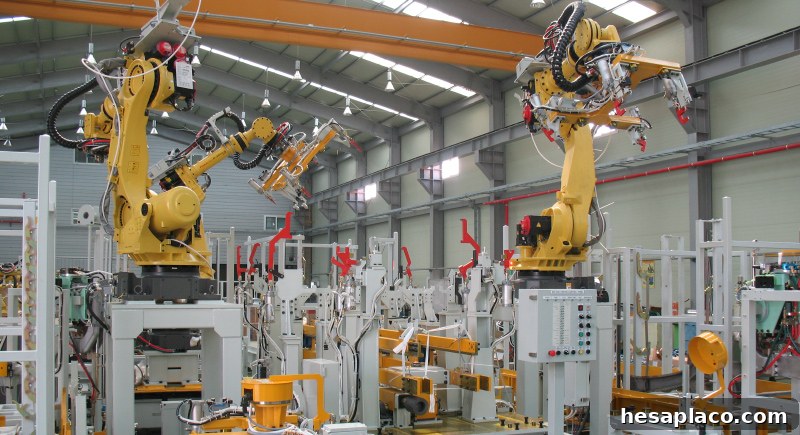
Automation and digital manufacturing mean that even when production moves back to the U.S., it will generate fewer traditional blue-collar jobs than in past decades. The roles that do appear will often require technical training—machining, robotics maintenance, and systems operations—rather than unskilled labor. Tariffs can incentivize some reshoring, but the employment impact will be concentrated in specialized, higher-skilled positions rather than broad-based job creation.
Tariffs Raise Costs for Consumers and Businesses
Credit: iStockphoto
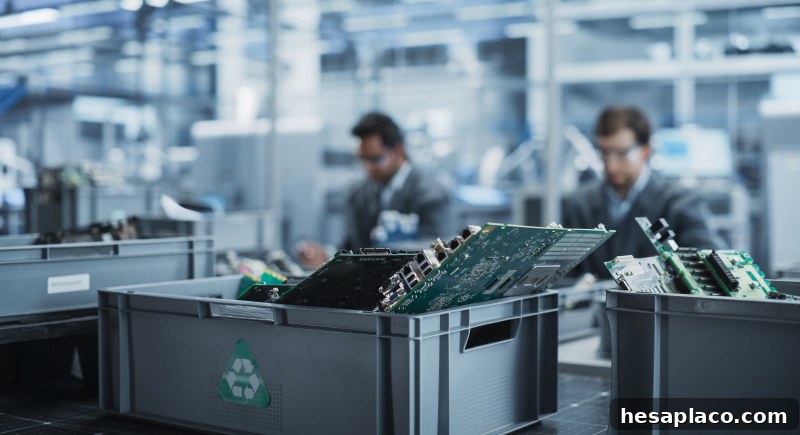
By increasing the cost of imported inputs, tariffs push expenses down the supply chain. Businesses face higher production costs and slimmer margins, while consumers pay more for finished goods like electronics, appliances, and vehicles. These price increases can be inflationary and reduce overall purchasing power, meaning any jobs gained through limited reshoring are offset by broader economic pain for households and firms.
Domestic Production Still Carries Higher Costs
Credit: iStockphoto
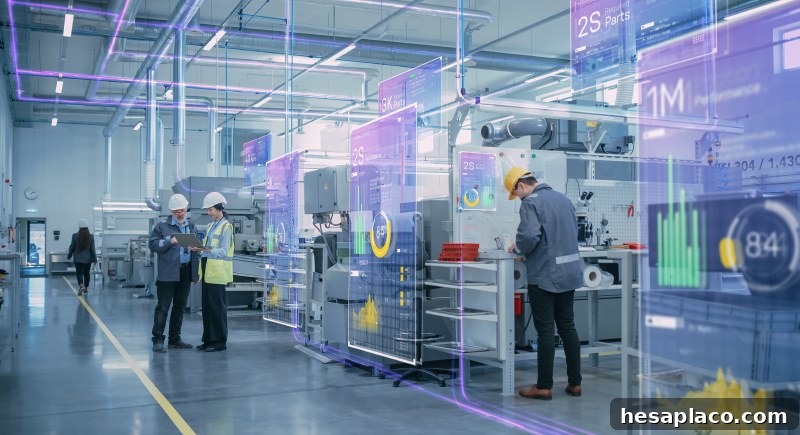
Manufacturing in the U.S. generally involves higher expenses for raw materials, tooling, packaging, and domestic logistics. Many companies report challenges sourcing materials and skilled labor locally, making it difficult to compete on price with overseas producers. Tariff protection cannot fully offset these structural cost differences, especially in markets where profit margins are thin.
Shortages of Skilled Labor Limit Reshoring Benefits

Credit: iStockphoto
Many modern manufacturing roles require technical competence—machine programming, systems diagnostics, and precision maintenance—that the U.S. labor market currently finds hard to fill. Decades of underinvestment in vocational education and trade training produced a skills gap. Without significant investment in workforce development, attempts to bring production home will struggle to generate meaningful employment for workers without retraining.
U.S. Supply Chains Lack Competitive Infrastructure

Credit: iStockphoto
Domestic distribution costs—driven by aging rail infrastructure, high fuel and labor costs, and shortages in trucking—raise the price of moving goods within the U.S. These structural disadvantages can erase the benefits of reshoring, since internal logistics often make locally produced goods more expensive than their imported counterparts even after tariffs are applied.
Small Businesses Bear the Brunt of Tariff Costs

Credit: pexels
Small and medium-sized firms often depend on imported components to remain competitive. Tariffs raise their input costs without giving them access to the economies of scale that large multinational firms enjoy. The result can be downsizing, relocation, or closure—outcomes that reduce, rather than increase, domestic employment and manufacturing output.
Nearshoring Can Still Depend on Chinese Inputs
Credit: pexels
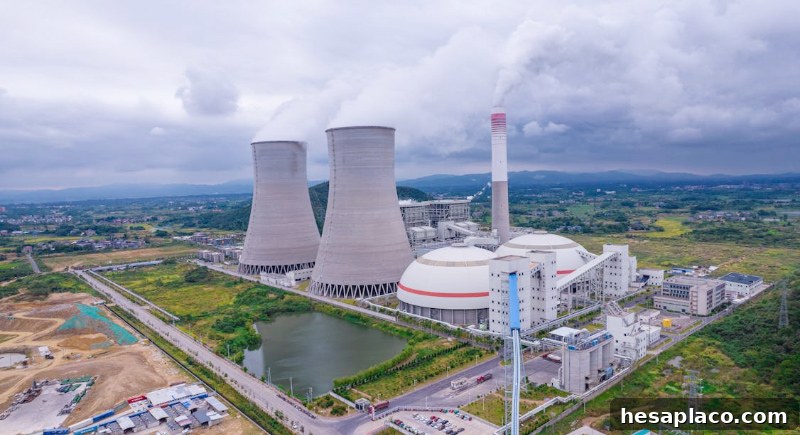
Some manufacturing has shifted closer to the U.S.—to Mexico and Southeast Asia—but many of those operations still rely on Chinese raw materials and components. Chinese suppliers have established deep networks across the region, allowing inputs to flow through neighboring countries. Tariffs limited to Chinese imports won’t necessarily sever these ties and may simply reroute supply chains rather than creating true independence.
Key U.S. Industries Still Depend on Chinese Parts

Credit: pexels
High-profile American manufacturers still source critical components from China. Replacing those supply chains is not just costly—it can be infeasible in the short term for certain sectors. Attempting to force rapid localization through tariffs risks higher production costs and supply disruptions without delivering the promised decoupling from foreign inputs.
Access to Critical Raw Materials Is a Major Constraint
Credit: iStockphoto
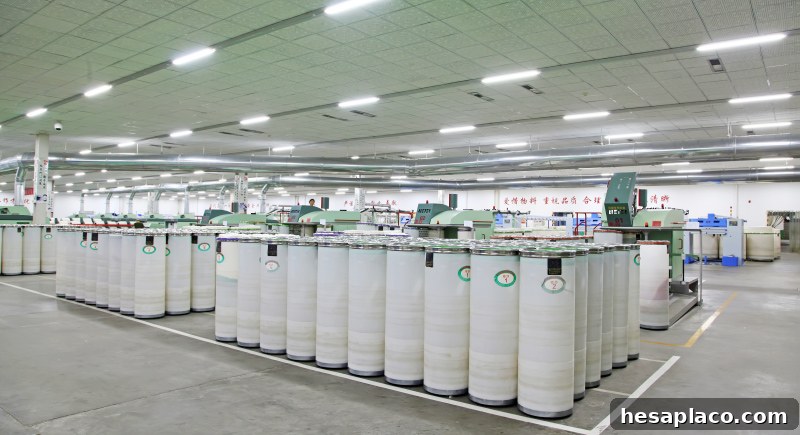
China dominates the production and refining of many minerals and materials essential for semiconductors, batteries, and advanced electronics. This supply concentration constrains the U.S.’s ability to scale certain industries domestically. Addressing that bottleneck requires strategic investment in mining, refining, recycling, and international partnerships—not blanket tariffs that do not create raw material capacity.
The Shenzhen Development Model Takes Time and Coordination

Credit: Wikimedia Commons
China’s success in building electronics clusters like Shenzhen came from years of coordinated policy, large-scale infrastructure investment, and a steady flow of foreign and domestic capital. Recreating a comparable ecosystem in the United States requires long-term planning, incentives for private investment, and extensive workforce development. Tariffs do not supply the institutional or financial infrastructure needed to replicate that development model quickly.
Tariffs Can Undermine Existing Domestic Manufacturers
Credit: Wikimedia Commons
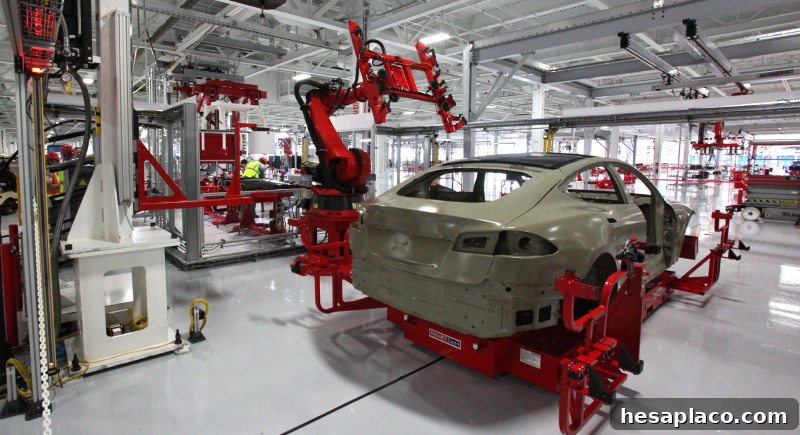
Higher input costs caused by tariffs can make U.S.-based manufacturers less competitive—particularly those operating with thin margins. Some companies facing increased costs and supply constraints have moved operations abroad, demonstrating that tariffs can inadvertently accelerate offshoring rather than prevent it.
National Security Needs Targeted Policies, Not Broad Tariffs

Credit: pexels
Rebuilding production for strategic goods—such as semiconductors, advanced batteries, and defense-related hardware—matters for national security. But achieving that goal requires targeted subsidies, public-private partnerships, and long-term investments in research, infrastructure, and workforce education. Blanket tariffs are a blunt instrument that can misdirect resources away from the industries and projects that truly require support.
Recent Legislation Shows How to Build Capacity

Credit: iStockphoto
Programs like the CHIPS Act, infrastructure funding, and incentives for clean energy manufacturing demonstrate the strategic approach the U.S. needs: fund capacity, encourage innovation, and develop workforce skills. These targeted measures are more likely to produce sustainable domestic manufacturing growth than broad protectionist tariffs.
Tariffs Are Politically Simple but Economically Problematic
Credit: pexels
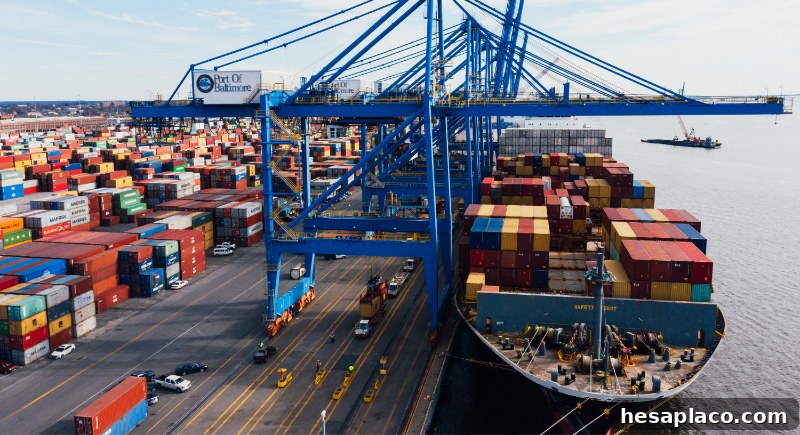
Tariffs are attractive because they appear to be a straightforward policy lever with immediate effect. But they do not address the structural causes of manufacturing decline. Restoring industrial strength requires patient investment, regulatory reform, a skilled workforce, and thoughtful supply-chain redesign. Tariffs alone cannot deliver the comprehensive solutions that these complex challenges demand.
Retaliation Harms American Exporters
Credit: Getty Images
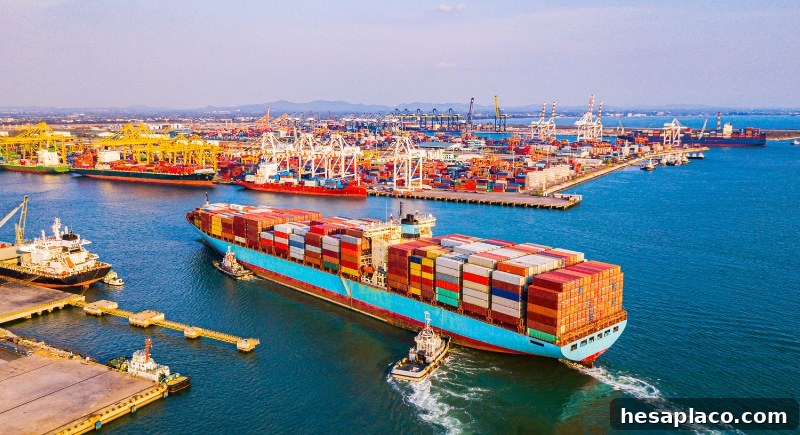
When the United States imposes tariffs, trading partners often retaliate with their own duties on U.S. exports. That retaliation can reduce foreign demand for American agricultural products, machinery, and manufactured goods, hurting jobs tied to export markets and undermining the economic benefits of any limited reshoring.
Trade Uncertainty Deters Corporate Investment

Credit: iStockphoto
Firms base hiring and expansion decisions on predictable rules and stable market conditions. Sudden tariff changes raise uncertainty, prompting companies to delay investments, freeze hiring, and conserve cash until the outlook becomes clearer. That hesitation undermines the very job growth tariffs are meant to stimulate.
In sum, tariffs are a politically visible tool but an economically inefficient one for rebuilding America’s manufacturing base. Where public policy should focus is on targeted investments in strategic sectors, workforce development, infrastructure upgrades, and thoughtful industrial strategy. Those approaches address root causes and build sustainable capacity, whereas broad tariffs tend to impose broad costs and limited benefits.