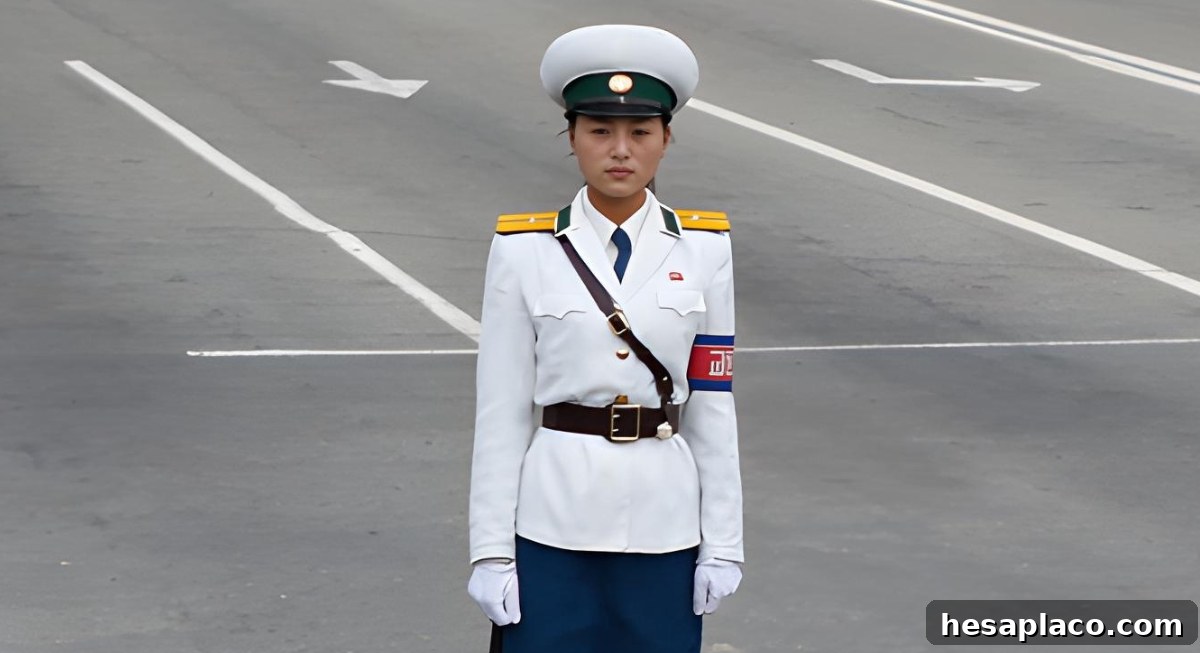
When you imagine unusual jobs, you might think of snake milkers or professional cuddlers. In North Korea, however, some occupations are stranger and more symbolic than practical. In this isolated state, work often serves to demonstrate loyalty, enforce social norms, and maintain appearances rather than to generate income or personal fulfillment.
These roles are not optional or theatrical props for tourists. They are formal positions treated with seriousness by the authorities. Failing to perform them properly can bring punishment or interrogation. Below are genuine jobs and duties found in North Korea—positions shaped by politics, ritual, and the need to present a tightly controlled public image.
Paid Mourners
Credit: flickr
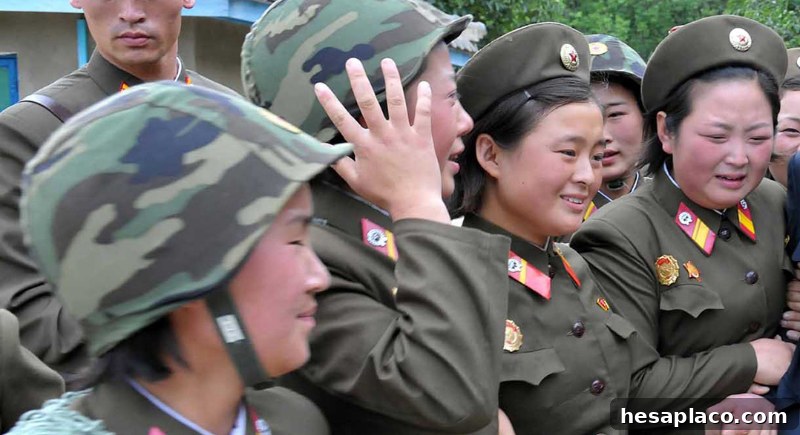
Mourning the country’s leaders can become a public duty. Professional mourners are trained to demonstrate loud, dramatic displays of grief during funerals and memorial events. These paid participants make sure ceremonies appear profound and heartfelt—images that reinforce devotion and unity during highly visible public rituals.
Portrait Cleaners and Inspectors
Credit: pexels
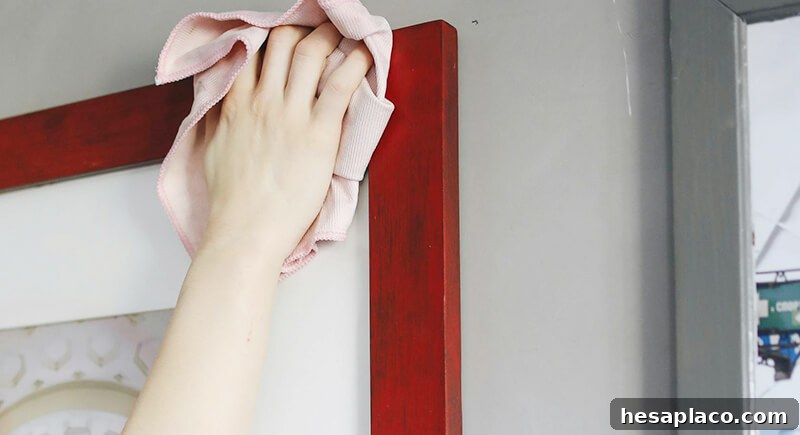
Portraits of Kim Il-sung and Kim Jong-il hang in homes and public buildings across the country. Their care is mandatory: portraits must be straight, spotless, and treated with reverence. Inspectors visit households to check compliance, and some workers are specifically tasked with cleaning and maintaining these images on a daily basis.
Escalator Attendants
Credit: Wikimedia Commons
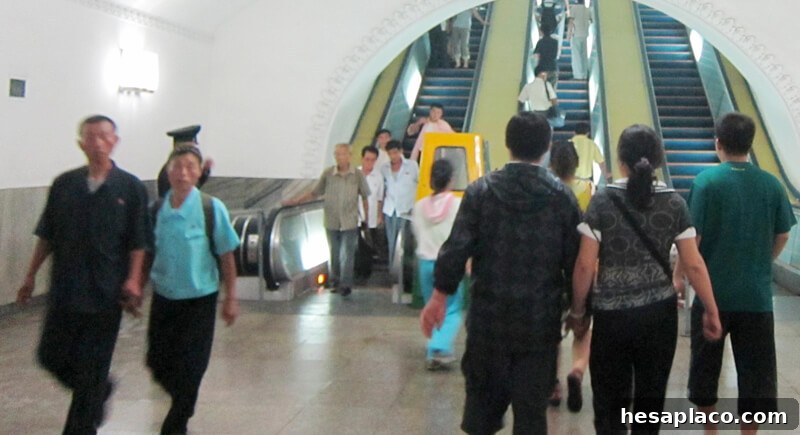
In cities like Pyongyang, escalators often have attendants who stand by and observe passengers. Their role is less about mechanical assistance and more about monitoring behavior and maintaining order—another visible reminder that public spaces are watched and regulated.
Choreographed Traffic Controllers
Credit: flickr
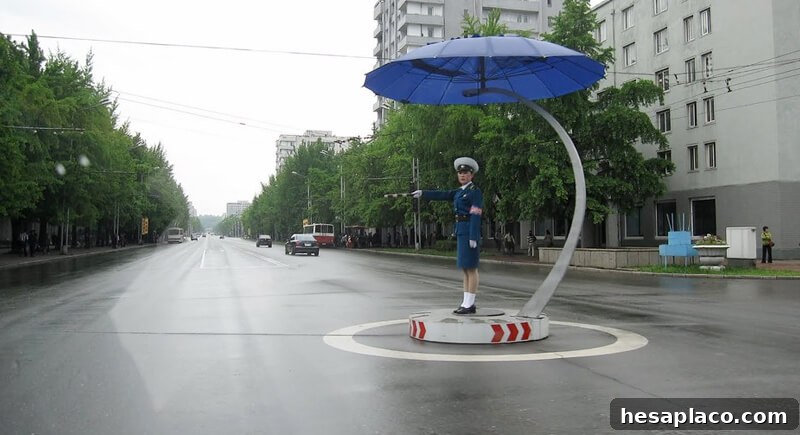
Instead of relying solely on traffic lights, Pyongyang features uniformed women who direct traffic with precise, military-style gestures. These controllers are trained to coordinate their movements like performers, turning routine traffic management into a disciplined, choreographed public display.
Queue Enforcers
Credit: Wikimedia Commons
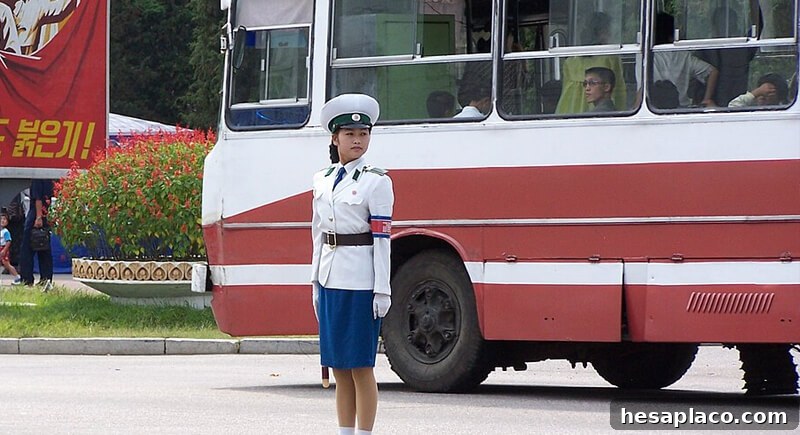
Orderly lines are strictly enforced. Workers stationed at bus stops and public venues ensure people queue properly. These attendants do more than politely ask for patience—they enforce compliance with regulations designed to preserve public order and discipline.
State Chaperones for Tourists
Credit: Wikimedia Commons
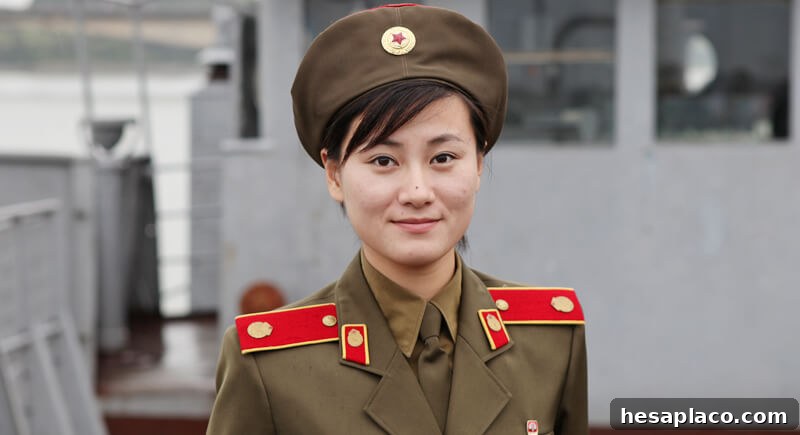
Foreign visitors are never truly independent. Assigned guides accompany tourists at all times, controlling their itineraries, meals, photo opportunities, and interactions. These guides are both hosts and monitors, ensuring that visits conform to government expectations.
Propaganda Sign Painters
Credit: Wikimedia Commons
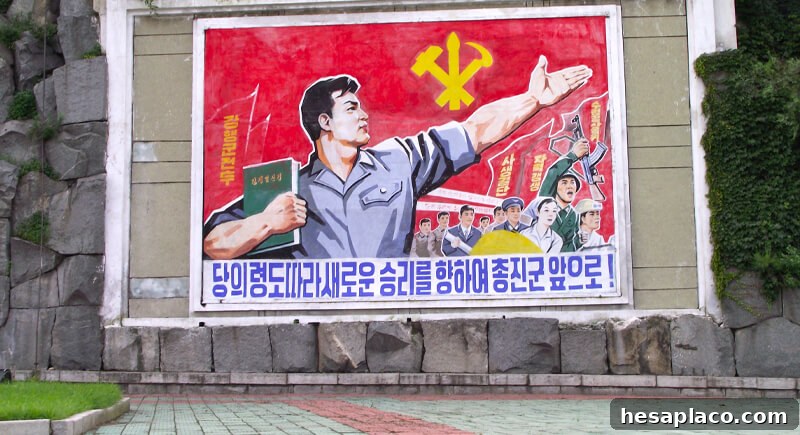
Slogans and patriotic messages cover many facades and public walls. Teams of workers maintain these banners by repainting letters and slogans as they fade. Constant upkeep preserves the intended messages of unity and prosperity across the urban landscape.
Badge Inspectors
Credit: Wikimedia Commons
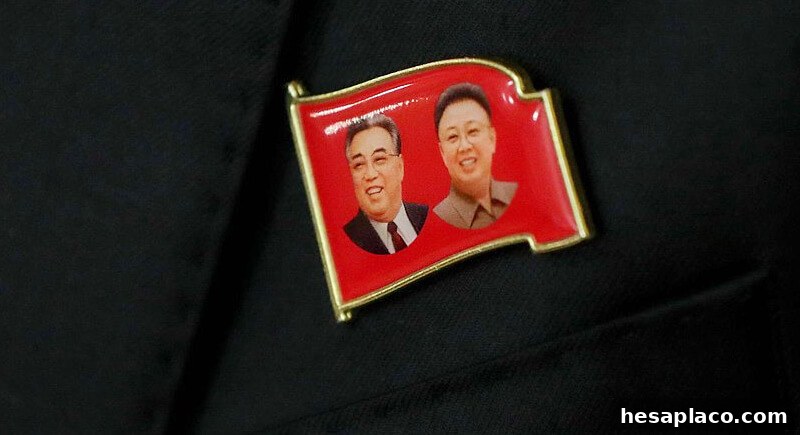
Wearing a lapel pin that displays the leader’s image is common and often expected. Inspectors conduct spot checks in markets and public spaces to confirm citizens wear these loyalty badges correctly. Failing to display a badge can prompt questioning or repercussions.
Designated Applause Starters
Credit: flickr
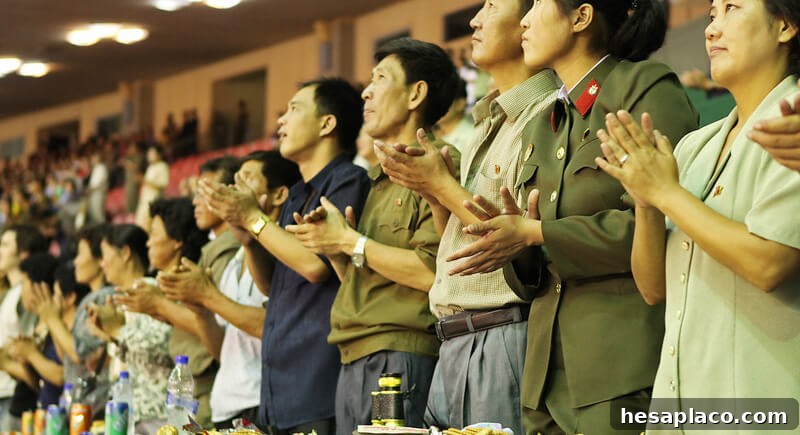
At rallies and public addresses, clapping and vocal approval are tightly synchronized. Individuals are positioned in crowds to initiate applause at precisely timed moments, guiding the audience’s reactions and helping create an atmosphere of unanimous support.
Loudspeaker Technicians
Credit: Youtube
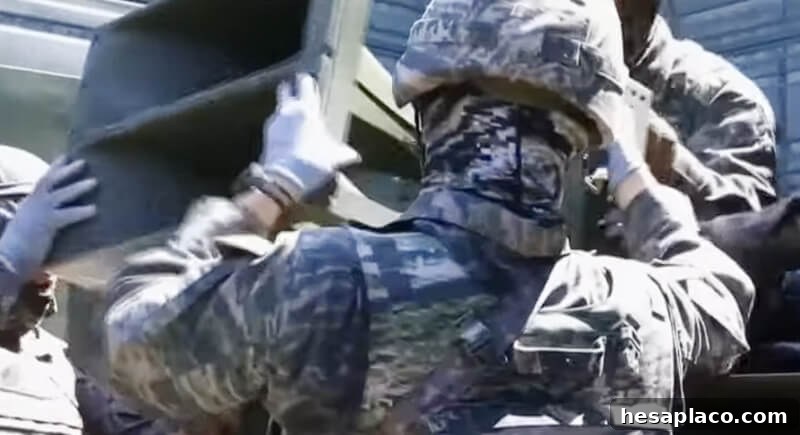
Public loudspeakers broadcast official news and music throughout neighborhoods. Technicians check these systems regularly to ensure continuous operation. If a loudspeaker fails, teams fix it promptly—maintaining the steady flow of state messaging.
Parade Drill Instructors
Credit: Wikimedia Commons
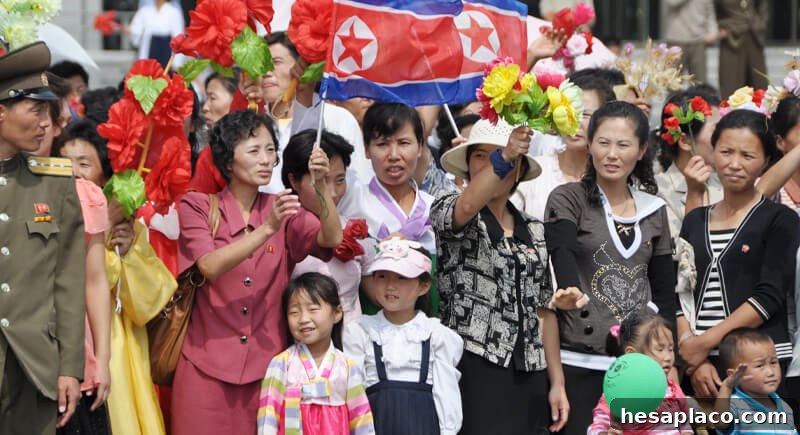
The precision of military parades requires extensive preparation. Drill instructors spend weeks training participants to move with split-second synchronization. Because these parades are broadcast and scrutinized, perfection is mandatory—any visible error can be viewed as a lapse in discipline.
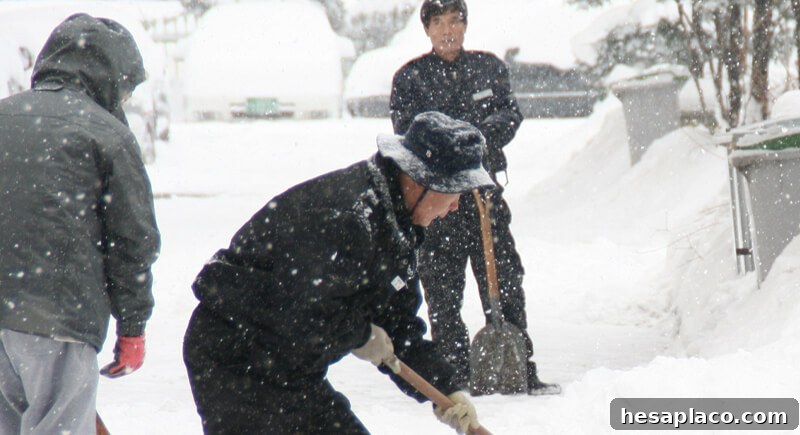
Snow Clearers for Monuments
Credit: Wikimedia Commons
Monuments and statues of leaders are kept free of snow and debris. Workers shovel and clear snow from statues and walkways by hand so the memorials always appear pristine. Even in harsh winter conditions, these tasks are prioritized to maintain reverence and visibility.
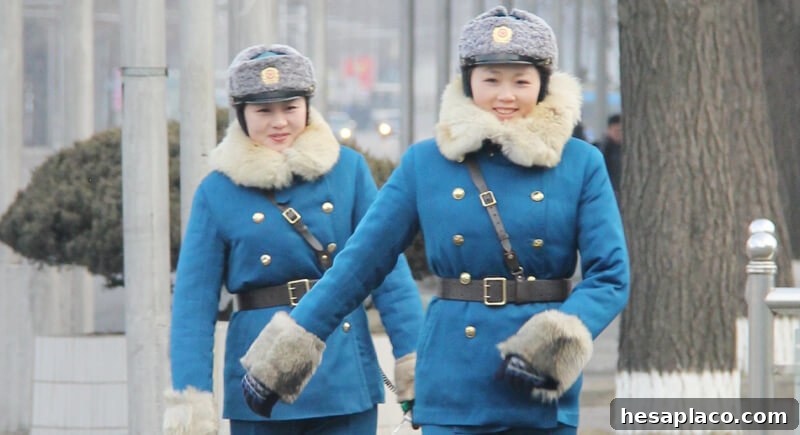
Style Inspectors
Credit: Wikimedia Commons
Dress codes are monitored by style inspectors who patrol public spaces checking clothing, hairstyles, and accessories. Their task is to prevent the spread of what authorities consider inappropriate or excessively Western fashions, enforcing standards that align with official cultural norms.
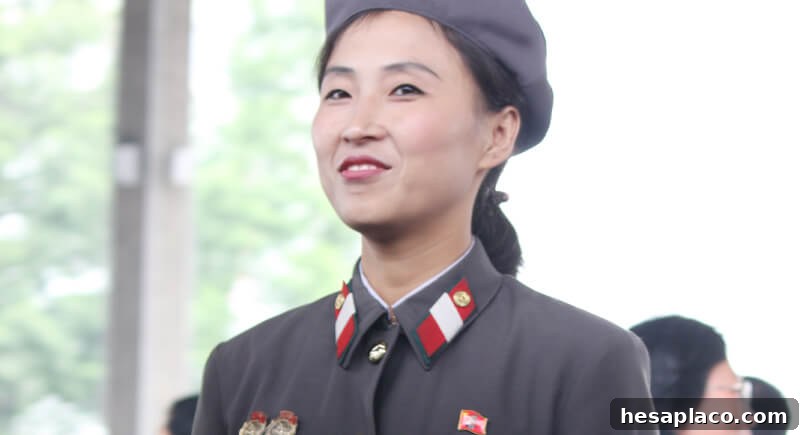
Community Monitors (Inminban Leaders)
Credit: Wikimedia Commons
Each neighborhood is organized into small units overseen by an Inminban leader, often a local woman who manages daily affairs on the block. She tracks attendance at meetings, who cleans their area, and any unusual behavior, serving as the frontline enforcer of community regulations.
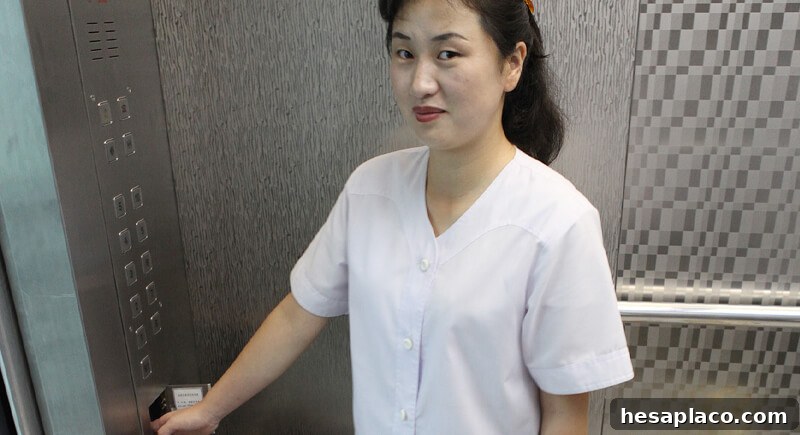
Elevator Attendants
Credit: Wikimedia Commons
Even when elevators are unreliable due to power shortages, attendants are expected to occupy the booth daily. Their presence signals discipline and commitment to duty; sitting in the operator’s booth becomes a visible expression of order, whether or not the elevator is running.
These positions offer a glimpse into how labor and public life intertwine with political ritual in North Korea. Many roles emphasize surveillance, ceremony, and the maintenance of a carefully curated image—functions that go beyond ordinary notions of employment and reflect the priorities of the state.