
The twenties are a lively chapter—full of firsts, freedom, and financial choices that often feel more daring than wise. It’s the decade where paychecks can seem plentiful, budgeting feels optional, and learning through mistakes is practically a rite of passage. Below are ten familiar ways many of us mismanaged money in our twenties, written in clear, natural English and shaped for SEO with practical, relatable language.
Dabbling in Designer Disasters
Credit: pexels
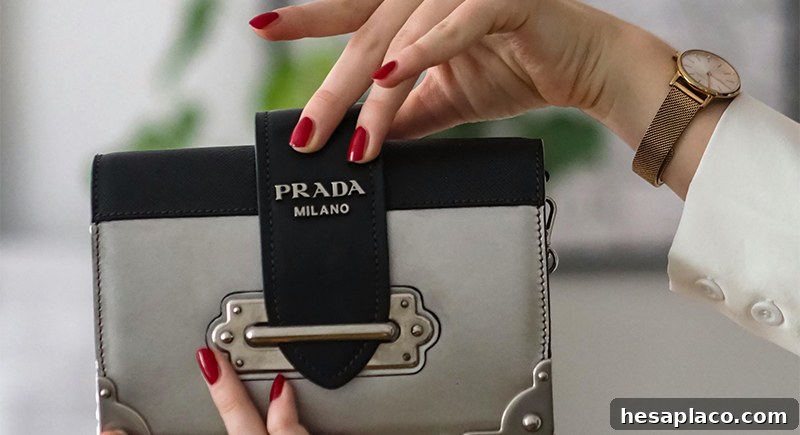
Who hasn’t splurged on a designer bag, shoes, or coat thinking it would elevate every outfit—and every life decision? Those impulse luxury purchases often get rationalized as “investments.” Months later they sit unused in a closet, reminders of a trend or mood that passed faster than the price tag.
The Gourmet Experiment Phase

Credit: pexels
There’s a period where many of us fancy ourselves foodies—dining at expensive restaurants, buying artisan ingredients, or subscribing to pricey meal boxes. While treating yourself is fine sometimes, making it a habit can quickly drain savings and turn budgeting into an afterthought.
Festival Frenzy Spending

Credit: pexels
Music festivals and live events often feel essential: the experience justifies the expense, we tell ourselves. Between tickets, travel, merchandise, and overpriced concessions, a single festival weekend can wipe out what could have been a reliable emergency buffer.
The Membership Mirage

Credit: pexels
Gym contracts, streaming platforms, subscription boxes, and niche clubs can seem like bargains when you sign up. Over time many of these services go unused—yet monthly charges persist because canceling feels like admitting failure. Those recurring fees quietly add up.
Impulse Tattoos (and the Budget Shock)
Credit: pexels
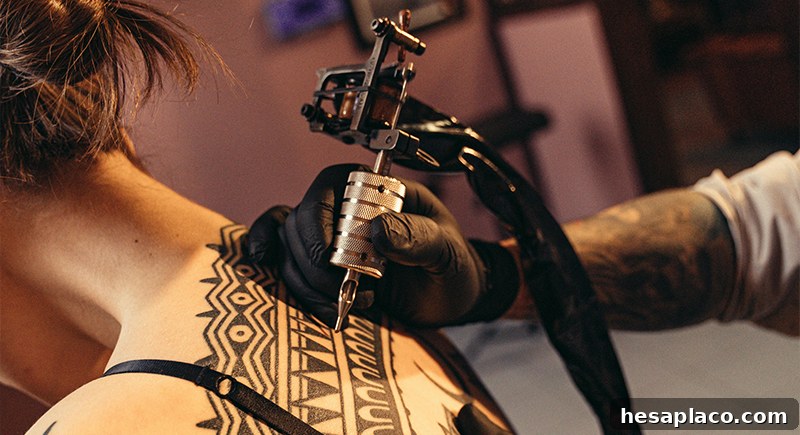
Getting a tattoo can be meaningful, but impulsive designs done on a whim often leave you with a permanent reminder and a hefty bill. Tattoos are long-term choices—both artistically and financially—so the impulse version often translates to long-term buyer’s remorse.
The Tech Upgrade Trap

Credit: pexels
It’s easy to justify replacing perfectly serviceable phones, laptops, or headphones because “it’s slower” or “I deserve an upgrade.” The result is often a pile of obsolete gadgets and the recurring feeling that the newest model is always just out of reach.
The Travel Bug and Overspending

Credit: Getty Images
Travel teaches perspective, but spontaneous trips and luxury itineraries can also create debt. Last-minute flights, boutique hotels, and impulse souvenirs add up quickly—memories are priceless, but responsible planning helps keep finances healthy while still exploring the world.
DIY Ambitions That Cost More

Credit: Getty Images
YouTube inspires confidence, but some DIY projects meant to save money end up costing more in tools, materials, and professional fixes. Trying to renovate, repair appliances, or tackle complex projects without the right experience often turns a modest plan into an expensive lesson.
The Short-Lived Fitness Phase

Credit: Getty Images
Buying boutique exercise equipment, signing up for premium classes, and stocking up on expensive activewear can feel motivating—until the enthusiasm fades. All too often those purchases collect dust in a corner while monthly membership fees and equipment costs remain.
The Quest for the Perfect Pad

Credit: pixabay
Trying to make a home look like it belongs in a magazine can lead to overspending on furniture, decor, and upgrades. The desire to present a curated lifestyle often pushes people to finance purchases they can’t comfortably afford, leaving credit cards stretched and budgets compromised.
Making mistakes with money in your twenties is normal—and common. The important part is learning from those choices. Small adjustments like tracking recurring payments, setting a simple budget, and prioritizing savings can turn youthful financial experiments into a foundation for long-term stability without losing the experiences that make your twenties memorable.