
Your 20s and 30s are often filled with new experiences, career development, relationships, and a fair share of financial missteps. As you pursue life’s adventures, money pitfalls can sneak up on you. Below are 19 common financial traps to avoid so you can build a more secure future.
The Credit Card Carousel

Credit: pexels
Credit cards are convenient, but carrying balances you can’t pay off each month quickly leads to high interest charges. Treat cards as a tool: pay in full when possible, avoid maxing out limits, and use rewards strategically rather than letting interest cancel out any benefit.
Lifestyle Inflation Syndrome

Credit: iStockphoto
When income rises, it’s tempting to immediately upgrade your lifestyle. If you let expenses grow with every raise, saving and investing become harder. Prioritize automatic savings increases when your income improves and keep discretionary upgrades modest.
Skipping the Emergency Fund

Credit: pexels
Unexpected expenses—car repairs, medical bills, or job changes—are inevitable. An emergency fund covering three to six months of living expenses provides a financial cushion and helps you avoid high-interest debt when surprises occur.
Ignoring Retirement Planning

Credit: pexels
Starting retirement savings early takes advantage of compound interest. Even modest contributions to a 401(k) or IRA today can grow substantially over decades. Aim to contribute consistently and increase contributions when possible.
Falling for Get-Rich-Quick Schemes

Credit: pexels
Offers promising huge returns with little risk are usually too good to be true. Stick to well-researched investment strategies, diversify your portfolio, and be skeptical of guarantees. Long-term, disciplined investing tends to be far more reliable.
Not Having Health Insurance

Credit: pexels
Medical emergencies can be financially devastating without coverage. Even if you feel healthy, maintaining appropriate health insurance protects your savings and prevents medical debt from derailing your financial plans.
Student Loan Ignorance

Credit: pexels
Understand the terms of any student loans you carry: interest rates, repayment schedules, and forgiveness or refinancing options. Staying informed helps you manage payments strategically and avoid unnecessary costs over time.
Renting Forever

Credit: pexels
Renting offers flexibility, but if homeownership is a long-term goal, start saving for a down payment and understand the costs of buying versus renting in your area. Owning a home can build equity, but it also brings maintenance and other responsibilities to consider.
Not Using a Budget

Credit: flickr
A budget helps you control spending, reach savings goals, and identify waste. Track income and expenses, prioritize essentials and goals, and allocate discretionary spending intentionally rather than spending impulsively.
Ignoring Insurance

Credit: pexels
Beyond health insurance, consider life, renters, and auto coverage appropriate to your situation. Adequate insurance reduces the risk of catastrophic financial loss and protects your long-term plans.
The New Car Trap

Credit: flickr
New cars depreciate quickly. Buying gently used vehicles, maintaining them well, and avoiding excessive financing can save thousands. Think about total ownership costs, including insurance, maintenance, and fuel efficiency.
Wedding Extravaganza

Credit: Wikimedia Commons
Weddings can be special without being excessively costly. Set a realistic budget, prioritize what matters to you as a couple, and avoid taking on long-term debt for a single event.
Chasing the Stock Market

Credit: Wikimedia Commons
Short-term trading and market timing are risky and often costly. A diversified, long-term investment approach typically produces steadier results. Focus on asset allocation, low-cost funds, and maintaining a plan through market swings.
FOMO Investing

Credit: flickr
Buying into trends because others are doing so often leads to buying at the wrong time. Research, understand your risk tolerance, and make purchases based on a coherent plan rather than hype or fear of missing out.
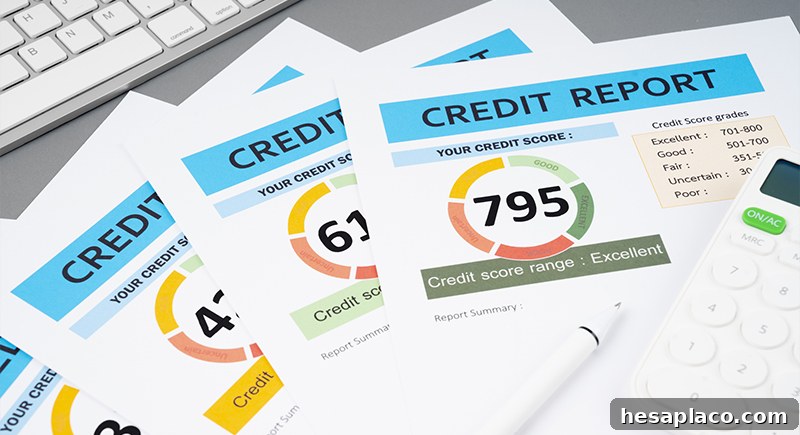
Neglecting Credit Scores
Credit: iStockphoto
Your credit score affects loan approvals, interest rates, and even some rental applications. Pay bills on time, keep balances low relative to credit limits, and monitor your reports for errors.
Avoiding Financial Education

Credit: pexels
Financial literacy pays off. Learn the basics of budgeting, investing, taxes, and debt management. Even small amounts of knowledge can lead to better decisions and greater confidence with money.
Co-Signing Loans Lightly

Credit: pexels
Co-signing makes you legally responsible for another person’s loan. If they miss payments, your credit and finances suffer. Only co-sign if you fully understand the risk, trust the borrower, and can absorb the debt if necessary.
Subscription Overload

Credit: pexels
Multiple subscription services can quietly drain your budget. Periodically review recurring charges, cancel what you don’t use, and consolidate where possible to trim unnecessary monthly expenses.
The Daily Latte

Credit: pexels
Small daily expenses add up. Cutting back on frequent, discretionary purchases—like daily coffee—can free up money for savings and investments. Look for affordable substitutes and redirect the savings toward your financial goals.
Avoiding these common traps doesn’t require perfection—just consistency and awareness. Build habits that protect your future, prioritize savings and insurance, and make informed choices about debt and investments. Financial stability takes time, but steady actions now will make a meaningful difference down the road.